Quick answer
Choose white tea for a delicate, naturally sweet cup with the least caffeine and the most forgiving brewing window. Choose jasmine tea when you want a fragrant, floral cup and don't mind a slightly brisker, more astringent green tea base. If you're sensitive to caffeine, white tea is usually the safer evening choice; if you love aroma, jasmine wins.
What actually separates white tea from jasmine tea
White tea is defined by its leaf, not by added flavor. It comes from young buds and leaves that are minimally processed, then withered and dried. That minimal handling is why the white tea taste profile leans soft, hay-like, and subtly sweet rather than grassy or roasted.
Jasmine tea is defined by scenting, not by a single leaf type. A base tea—most often green tea—is layered with night-blooming jasmine blossoms over several nights so the leaves absorb the floral aroma. That makes jasmine tea a scented tea vs white tea, which is an unscented, single-origin style. The distinction matters because you're comparing a leaf style against a flavoring method, not two parallel categories.
Flavor: delicate and sweet vs floral and aromatic
White tea drinks like a quiet cup. Expect a light body, a soft sweetness, and a clean finish that doesn't coat your mouth. Because there's no added scent, the flavor comes entirely from the leaf, so quality and freshness show through immediately.
Jasmine tea leads with perfume. The floral note hits first and lingers, and the green tea underneath adds a brisk, slightly grassy backbone. In a jasmine green tea comparison, the green base is what gives jasmine its structure—so if you dislike green tea's edge, jasmine may not be your cup even though the aroma is lovely.
Caffeine: which tea has less caffeine
On the question of which tea has less caffeine, white tea generally comes out lower than jasmine tea made with a green tea base. White tea uses young buds and leaves, and while it does contain caffeine, the lighter leaf material and gentler processing tend to yield a milder lift.
Jasmine tea caffeine content depends almost entirely on its base. A jasmine green tea will sit closer to standard green tea levels, which is noticeably more than most white teas. If you're cutting back in the afternoon, white tea is the easier swap; if you want a gentle morning lift with aroma, jasmine green tea fits.
Brewing: temperatures and timing that protect the cup
White tea tolerates a wider range than most people expect. Use water that's hot but not rolling—around 175–185°F (80–85°C)—and steep for 2–3 minutes. Because the leaf is delicate, boiling water can flatten the sweetness and pull out a dull, papery note.
Jasmine tea needs a cooler hand to keep the floral note intact. Aim for 170–180°F (77–82°C) and 2–3 minutes. Oversteeping jasmine green tea turns the perfume bitter and hides the blossom, so taste at the 2-minute mark and add time only if you want more strength.
Sachets vs loose leaf: a practical buying note
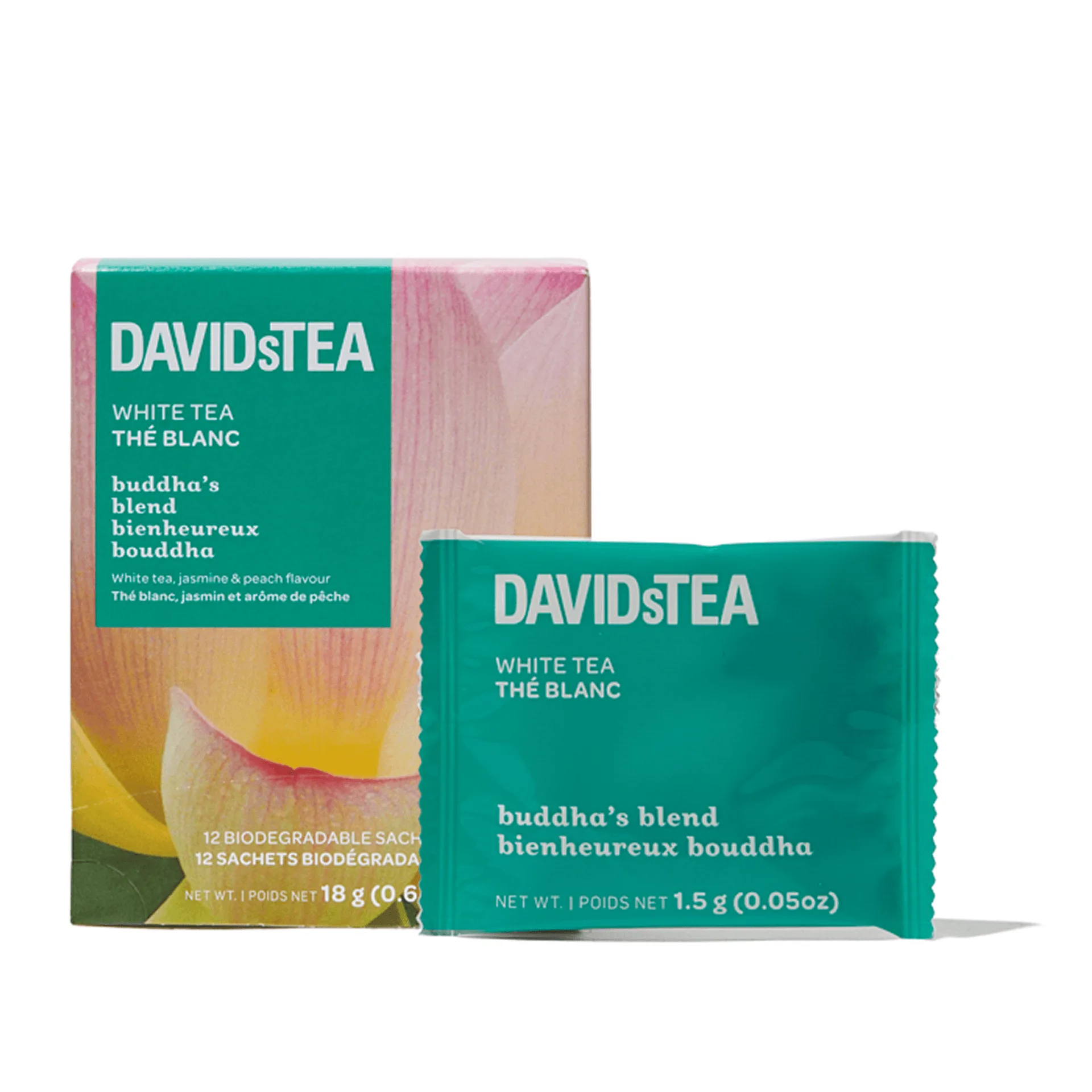
If you want jasmine without measuring, pre-portioned sachets remove the guesswork and stay fresh individually wrapped. Loose leaf gives you more control over leaf quantity and lets you re-steep, which stretches a purchase further. Neither is better—pick based on whether you value convenience or adjustability.
For white tea, loose leaf is often the better route because the leaf is delicate and you'll want to dial in temperature and time. If you're new to white tea, start with small amounts and short steeps rather than committing to a large bag.
Trade-offs to weigh before you buy
- Flavor intensity vs subtlety: Jasmine tea delivers an immediate floral aroma that's easy to love, but that scent can mask the base tea. White tea offers a quieter, sweeter cup where the leaf quality is fully exposed. Want obvious aroma? Jasmine. Want to taste the leaf? White tea.
- Caffeine ease vs lift: White tea generally sits lower in caffeine, making it easier for afternoon or evening drinking. Jasmine green tea carries more caffeine and a brisker finish that some people find over-stimulating late in the day. Sensitive to caffeine? Start with white tea.
- Forgiving brewing vs precise brewing: White tea is more tolerant of temperature swings, while jasmine green tea can turn bitter fast if you use water that's too hot or steep too long. If you don't want to fuss, white tea is the safer daily pick.
Jasmine and matcha options worth knowing
- Organic Silk Dragon Jasmine Tea Pack of 25 Sachets: https://davidsteaym.com/products/organic-silk-dragon-jasmine-tea-072e3ed214bc04b24a6a0792-544509https://davidsteaym.com/products/organic-silk-dragon-jasmine-tea-us-2b2cf961cb608aa6260c36ac-544722https://davidsteaym.com/products/organic-silk-dragon-jasmine-tea-1-674a974a7794c188e3cd6814-544890Organic Silk Dragon Jasmine Tea Pack of 25 Sachets is a premium spring-plucked green tea infused over five nights with the scent of night-blooming jasmine, with 25 plastic-free, plant-based, biodegradable sachets individually wrapped in recyclable packaging. This is the clearest jasmine green tea comparison point: the five-night scenting is what gives it a layered floral note rather than a single spray of flavor, and the individually wrapped sachets keep that aroma from fading before you brew.
- Forever Nuts Tea Pack of 25 Sachets: Forever Nuts Tea Pack of 25 Sachets blends crunchy almond slices, sweet apple bits, and cinnamon bark, and turns bright pink when steeped thanks to a hint of beetroot, with 25 plastic-free, plant-based, biodegradable sachets individually wrapped in recyclable packaging. It's a useful contrast to scented jasmine: this is a flavored infusion built from fruit and spice rather than a tea base scented with blossoms, so it has no jasmine-like perfume and a very different caffeine picture.
Which one should you choose?
Choose white tea if you...
- want the lowest caffeine option for afternoon or evening sipping
- prefer a soft, naturally sweet cup without added floral scent
- want a forgiving brew that doesn't demand precise timing
Choose jasmine tea instead if you...
- love a strong floral aroma and don't mind a green tea backbone
- want a more caffeinated cup for a morning lift
- prefer pre-portioned sachets over measuring loose leaf