Two Teas, Two Different Personalities
If you're deciding between Prince of Peace White Tea and Prince of Peace Ti Kuan Yin Tea, you're really choosing between two very different tea experiences. White tea is minimally processed, light, and delicate, while Ti Kuan Yin is an oolong that sits between green and black tea in fermentation. Both come from the Fujian province of China and are available in convenient tea bags, but their flavor, caffeine, and character differ enough that the right choice depends on your taste and routine.
Flavor and Processing: What to Expect
Prince of Peace White Tea, also known as Bai Mu Dan or Peony White, is made from young leaves and buds hand-picked during the spring harvest. The leaves are minimally processed, which preserves a fresh bamboo fragrance and a bold flavor with notes of honey, chestnut, oak, and vanilla. It's a tea that rewards slow sipping.
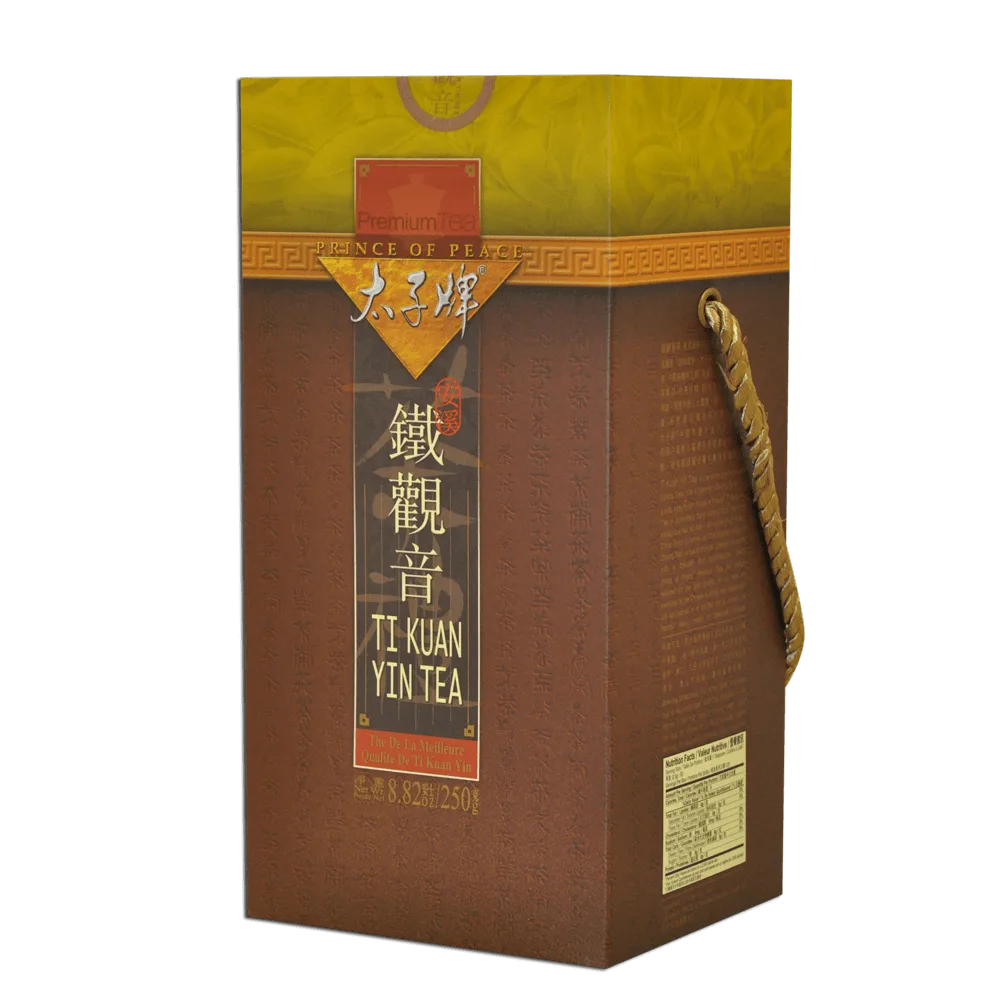
Ti Kuan Yin, on the other hand, is a premium oolong that is typically close to a green tea, with only a little fermentation. It combines qualities of black and green teas, resulting in a delicate yet complex flavor with a bright golden color and a lingering aftertaste. If you enjoy teas that evolve in the cup, Ti Kuan Yin offers that subtle depth.
What the Labels Confirm
-
Prince of Peace Premium White Tea, 20 tea bags: Peony White tea is made of young leaves and buds from the Camellia Sinensis plant, hand picked during the fresh spring harvest in China’s Fujian province. The young harvest and minimal processing give white tea its light, delicate character and lower caffeine compared to other teas.
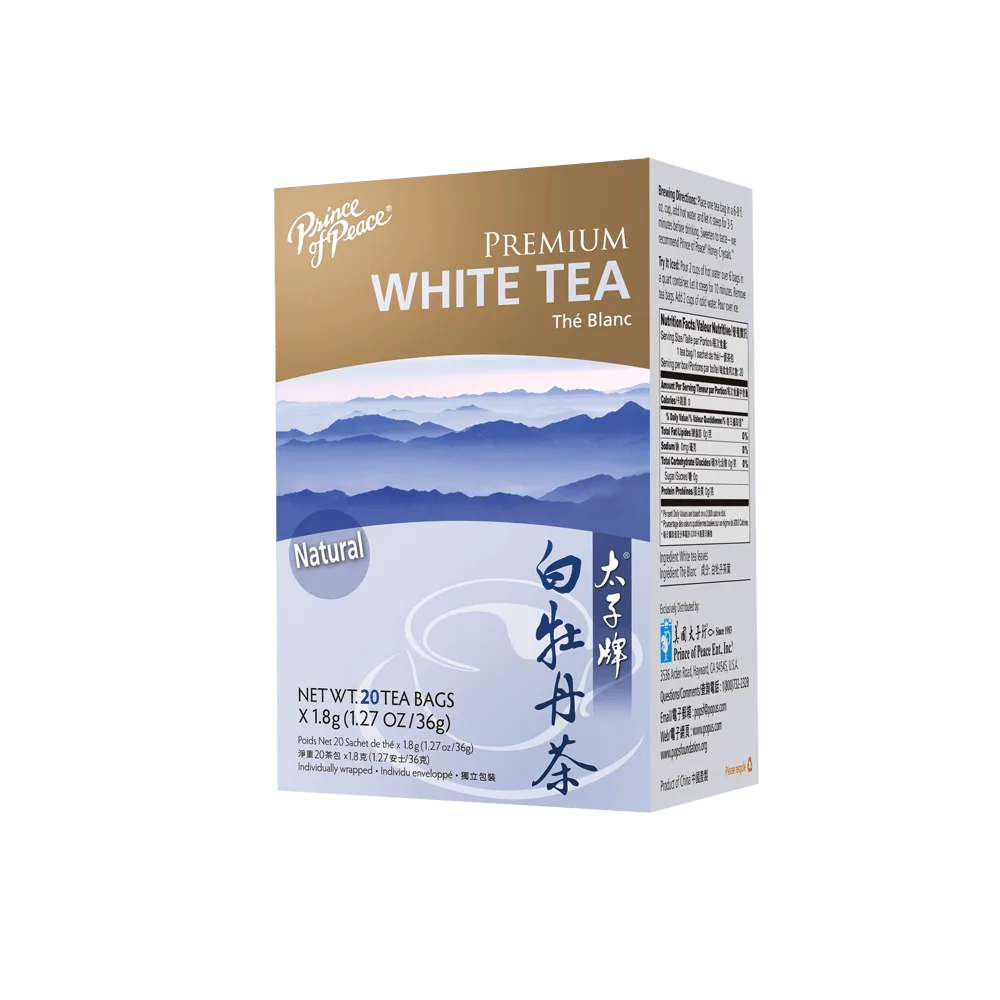
Prince of Peace Premium White Tea, 20 tea bags
-
Prince of Peace Premium Ti Kuan Yin Tea, 100 tea bags: Ti Kuan Yin Tea from the Fujian province of China is a premium grade Oolong, typically close to a green tea with only a little fermentation. This partial fermentation gives Ti Kuan Yin a flavor that bridges green and black tea, making it a good middle ground for many drinkers.
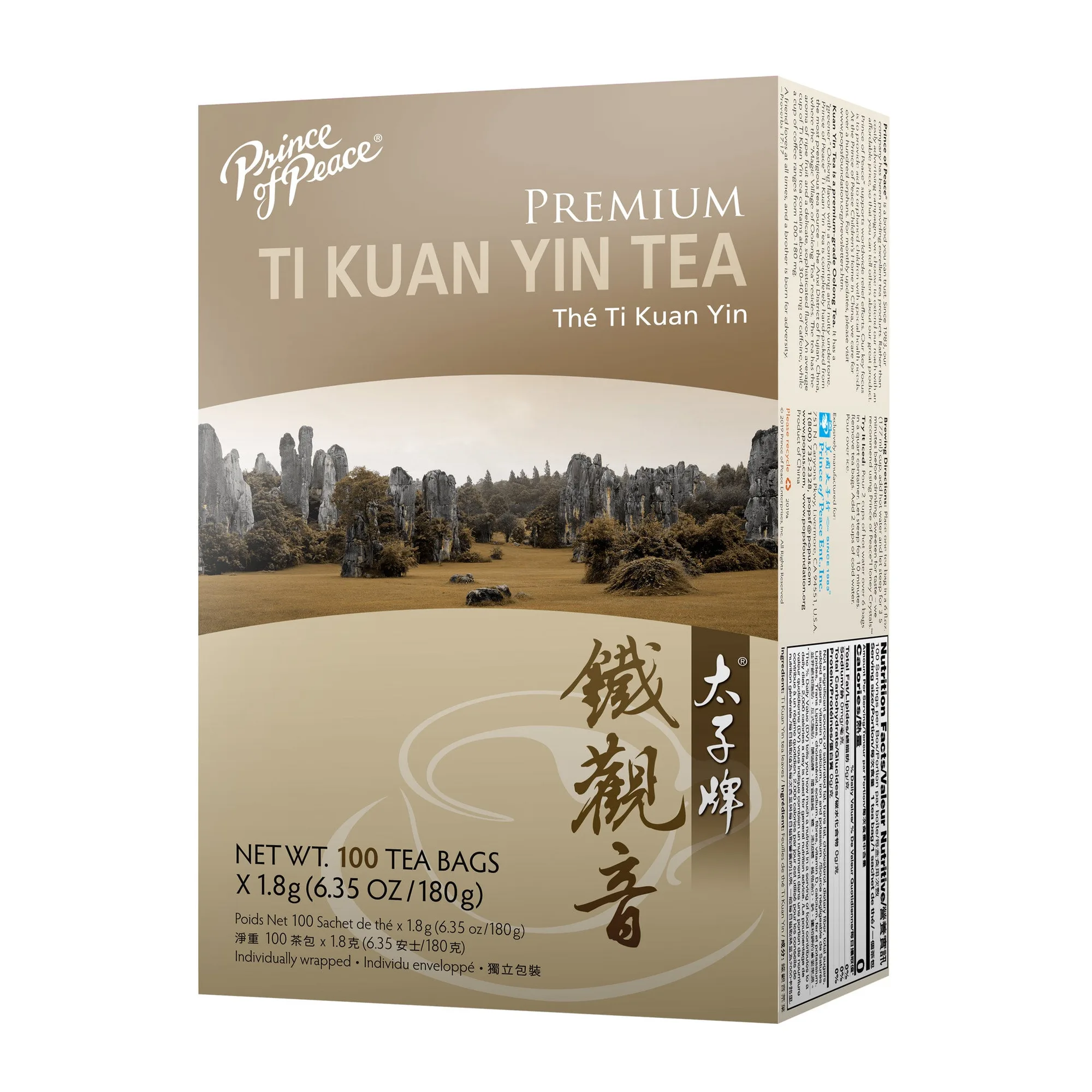
Prince of Peace Premium Ti Kuan Yin Tea, 100 tea bags
White Tea vs Ti Kuan Yin at a Glance
- Flavor profile: White Tea: fresh bamboo, honey, chestnut, oak, vanilla. Ti Kuan Yin: delicate, complex, with a lingering aftertaste.
- Processing: White Tea: minimal processing. Ti Kuan Yin: lightly fermented oolong, closer to green tea.
- Caffeine level: White Tea: considerably less caffeine, about 15-20mg per serving. Ti Kuan Yin: not specified in the supplied information.
- Brewing: Both are brewed the same way: one tea bag per 6 fl oz cup, steep 3-5 minutes in hot water.
- Packaging: White Tea: 20 individually wrapped tea bags. Ti Kuan Yin: 100 tea bags, each 1.8g.
- Price point: White Tea: USD 1.29 (compare at USD 1.99). Ti Kuan Yin: USD 5.59 (compare at USD 7.99).
Caffeine and Your Routine
The supplied information confirms that Peony White tea has considerably less caffeine than green, black, or coffee—about 15-20mg per serving compared to 20-30mg for green tea, 50-80mg for black tea, and 100-200mg for coffee. If you're sensitive to caffeine or want a tea for late afternoon or evening, white tea is the safer bet. For Ti Kuan Yin, the caffeine content is not specified in the catalog, so if caffeine is a major concern, you may want to treat it as similar to a lightly fermented oolong—likely moderate, but not confirmed.
Brewing Both Teas
Both teas come with the same brewing instructions: place one tea bag in a 6 fl oz cup, add hot water, and steep for 3-5 minutes. That's a wide window, and your personal taste should guide where you land. For white tea, a shorter steep keeps it light and floral; a longer steep brings out more body. For Ti Kuan Yin, a 3-minute steep tends to highlight its green-tea qualities, while 5 minutes brings out more of the oolong's depth. Neither tea requires special equipment—just a cup, hot water, and a few minutes.
Which Should You Buy?
Choose Prince of Peace White Tea if you want a light, low-caffeine tea with a fresh, slightly sweet flavor and a premium feel. It's a good pick for afternoon sipping or for anyone new to white tea. Choose Prince of Peace Ti Kuan Yin if you enjoy a more complex, slightly roasted oolong that bridges green and black tea, and if you want the value of a 100-bag box. If you're still unsure, consider keeping both on hand: white tea for a gentle morning or evening cup, and Ti Kuan Yin for a more robust afternoon brew.