What the Who in the Zoo? kit provides
-
Who in the Zoo?: Who in the Zoo? is a playful, hands-on activity that invites curious kids to explore animal-themed fun. Designed for young learners, this engaging set encourages creativity and discovery through interactive play. This tells you the product is a complete activity kit, not just a set of cards or loose pieces. It's built for open-ended play, not a single rigid game.
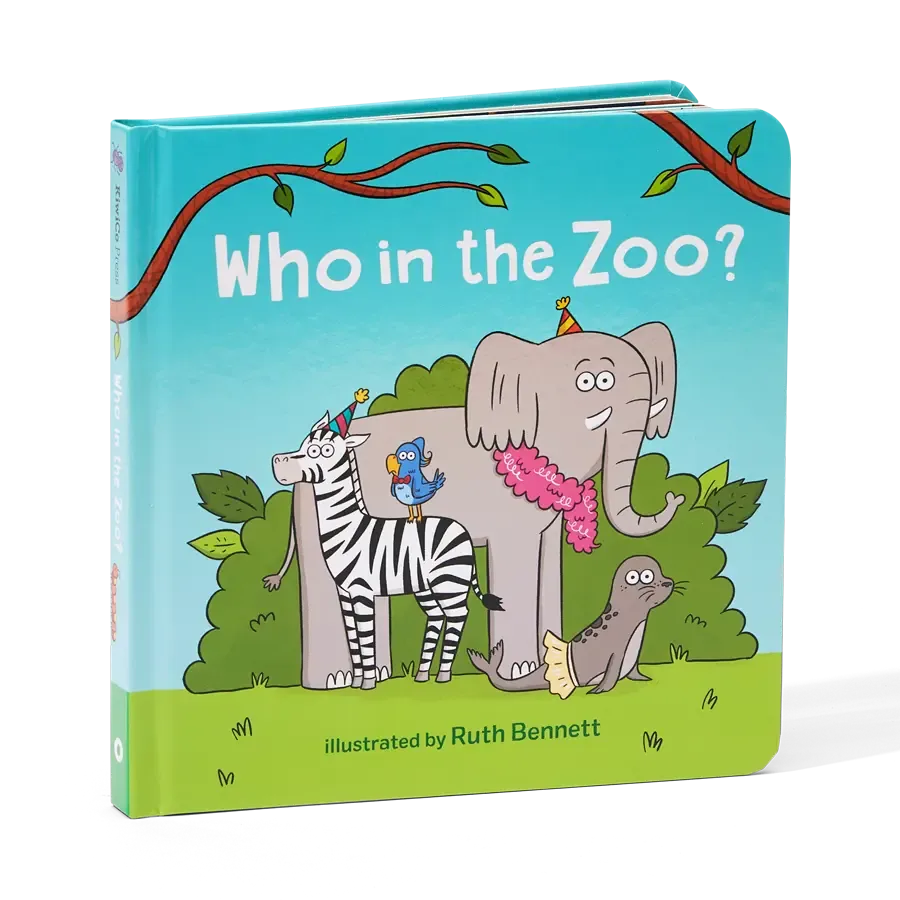
Who in the Zoo?
-
Who in the Zoo?: Encourages imaginative play and problem-solving. Features a zoo theme that sparks curiosity about animals. The zoo theme gives children a familiar context for learning, while the problem-solving element means the game can challenge kids to think about matching, sorting, or memory.
-
Who in the Zoo?: Hands-on design supports fine motor skill development. Perfect for solo or group activities at home or in classrooms. Fine motor practice is a key benefit for young learners, and the group-play option makes it suitable for playdates, preschools, or family game time.
Frequently asked questions about Who in the Zoo?
The following answers are based on the product's listed features and typical play patterns for similar hands-on matching games.
What are the basic rules of Who in the Zoo??
The product is described as a "playful, hands-on activity" that encourages imaginative play and problem-solving. While specific rule sheets are not included in the supplied information, the game likely involves matching animal pieces, naming animals, or creating zoo scenes. The open-ended design means you can adapt the rules to your child's age and interests.
How does the game help with animal recognition?
The zoo theme is specifically designed to spark curiosity about animals. As children handle and interact with the animal-themed pieces, they naturally learn to identify different animals, their names, and possibly their habitats or sounds. The hands-on design reinforces visual and tactile learning.
What age group is Who in the Zoo? designed for?
The product is described as "for young learners" and "perfect for solo or group activities at home or in classrooms." This suggests it is intended for preschool and early elementary children, roughly ages 3-6. However, the exact age range is not specified in the supplied information, so you may want to check the packaging or product page for precise age recommendations.
Can the game be played by one child alone?
Yes. The product is noted as being "perfect for solo or group activities." This means a single child can play independently, exploring the animal pieces and creating their own games, while also being suitable for two or more children to play together.
What skills does Who in the Zoo? teach?
Based on the listed features, the game supports fine motor skill development (through hands-on manipulation), problem-solving (through matching or puzzle elements), imaginative play (through open-ended zoo scenarios), and animal recognition (through the themed pieces). The product does not claim to teach reading, counting, or other academic skills.
Is Who in the Zoo? a competitive game?
The product description emphasizes "imaginative play and problem-solving" rather than competition. The activity is likely cooperative or solo, with children working to match animals or build zoo scenes together. The supplied information does not mention winners, points, or turn-taking rules typical of competitive games.
How to use Who in the Zoo? for learning at home
To get the most out of the kit, start by letting your child explore the pieces freely. Ask them to name each animal they see, then encourage them to group animals by color, size, or habitat. This builds categorization skills alongside animal recognition.
For a simple memory challenge, place a few animal pieces under a cloth, remove one, and ask your child to identify which animal is missing. This strengthens observation and recall. You can also create a zoo scene together and tell a story about each animal, boosting language development and creativity.
Because the product is designed for both solo and group play, you can easily involve siblings or friends in cooperative games. The open-ended nature means you can adapt the difficulty as your child grows, making it a lasting addition to your learning toy collection.