Quick answer
Serve whole fresh sardines to your dog raw or lightly cooked, starting with a small portion such as half a sardine for small dogs or one to two for larger dogs, and store them refrigerated for up to two days or frozen for longer. Always check for freshness and remove any packaging before serving.
Why portion size matters more with whole fish
Whole sardines include the head, tail, and bones, so a single fish delivers more than just muscle meat. That makes them a rich treat, not a meal replacement. For most dogs, one or two whole sardines is a sensible treat-sized portion, but very small dogs or those new to raw fish should start with half a fish. If you are using sardines as a topper, mash them into the bowl so the dog does not gulp them whole.
Raw fish safety: what to check before feeding
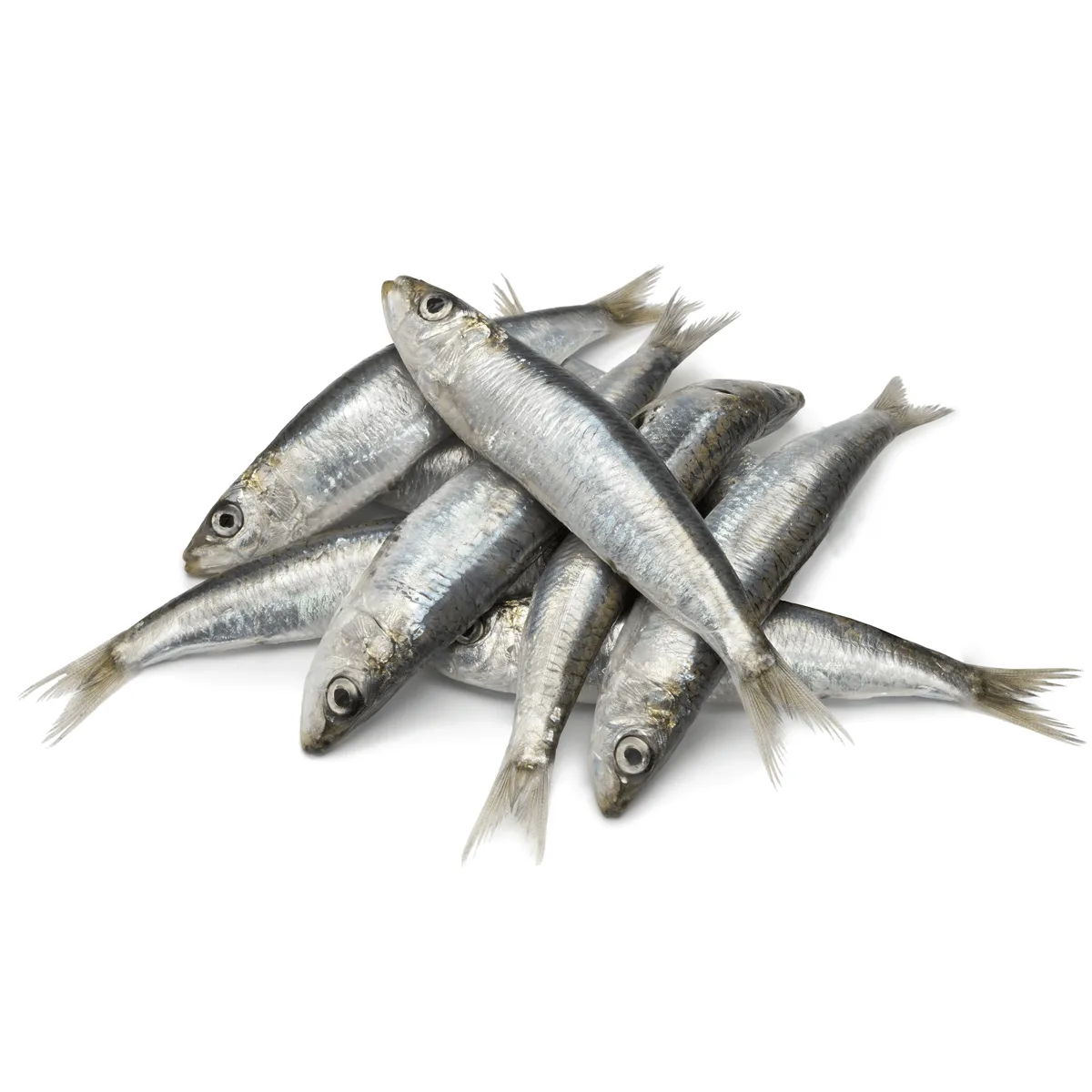
Fresh sardines should smell like the sea, not ammonia, and their eyes should be clear and slightly bulging. Avoid fish with dull eyes, soft flesh, or a strong fishy odor. Because raw fish can carry parasites, many owners freeze sardines for at least 24 hours before feeding raw, especially if the fish is not labeled as previously frozen. If you are not comfortable feeding raw, lightly cooking the sardines (without oil or seasoning) is a safe alternative.
Storage that keeps sardines fresh and safe
Keep whole fresh sardines in the coldest part of your refrigerator and use them within one to two days of purchase. For longer storage, wrap each fish individually or place them in a single layer in a freezer-safe bag, press out the air, and freeze for up to three months. Thaw only the amount you need overnight in the refrigerator, never on the counter. Once thawed, treat the fish like fresh and use within a day.
Step-by-step: serving and storing whole fresh sardines
- Inspect the fish: Check that the sardines are cold, smell fresh, and have clear eyes and firm flesh. Discard any fish with a strong ammonia odor or slimy texture. If you are unsure about freshness, do not feed it raw.
- Decide on raw or cooked: For raw feeding, freeze the sardines for at least 24 hours first if they are not already labeled as previously frozen. To cook, simmer or bake plain until the flesh flakes easily, then cool completely. Never season with salt, oil, or garlic.
- Portion appropriately: For a small dog, start with half a sardine; for a medium dog, one sardine; for a large dog, one to two sardines. Treats should make up no more than about 10% of daily calories. Cut whole sardines lengthwise for toy breeds to reduce choking risk.
- Serve safely: Place the sardine in your dog’s bowl rather than feeding from your hand to avoid gulping. If your dog eats too fast, mash the fish into their regular food. Watch for any signs of choking or digestive upset, especially the first time.
- Store leftovers correctly: Refrigerate unused sardines in a sealed container for up to two days, or wrap individually and freeze for up to three months. Thaw overnight in the refrigerator. Never refreeze thawed sardines.
Product facts
-
Whole Fresh Sardines: Whole fresh sardines are packed with protein, essential vitamins, and minerals, and their high omega-3 fatty acid content supports a healthy coat and joint health. These nutrients make sardines a useful occasional treat, but they also mean you should keep portions modest to avoid excess fat.
Whole Fresh Sardines