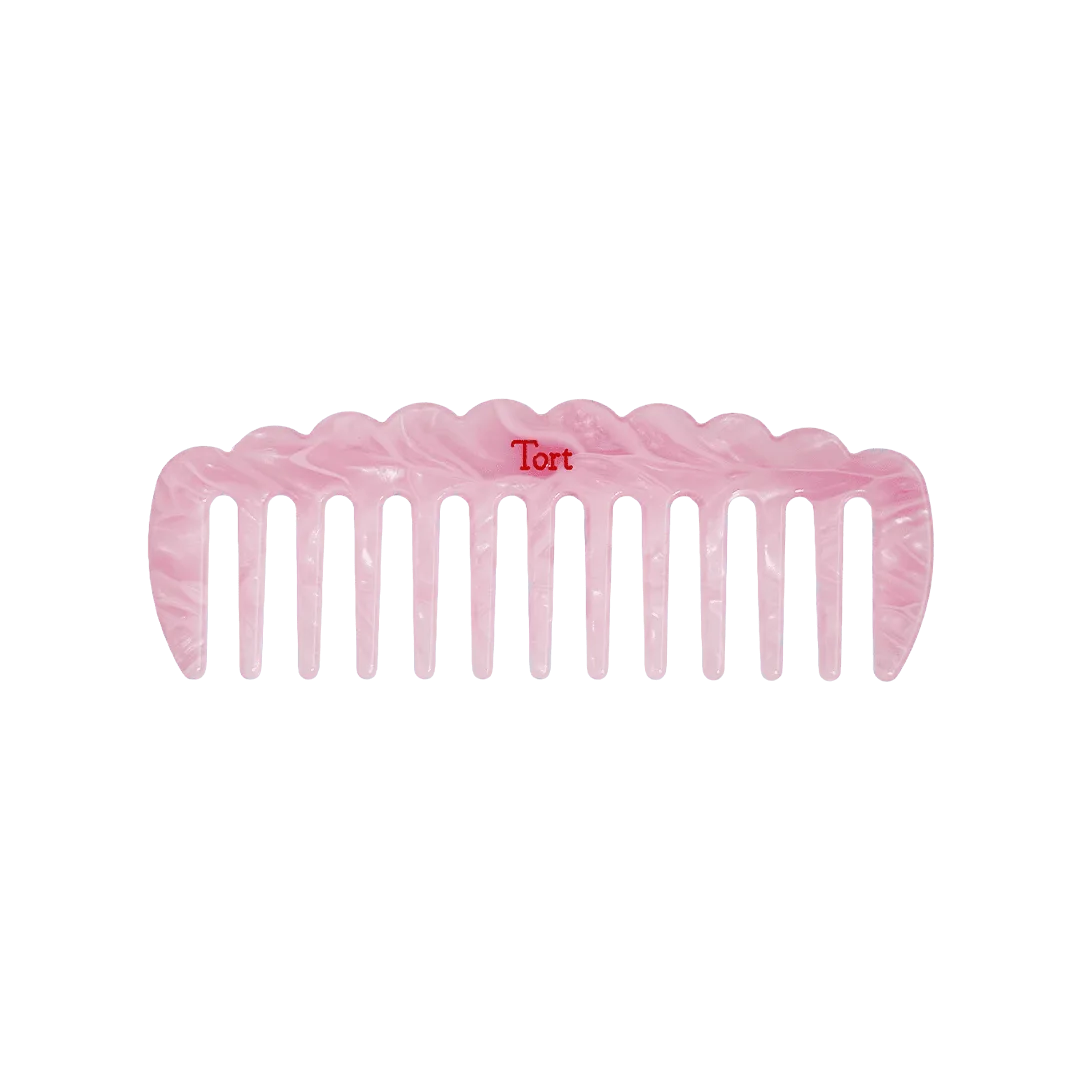
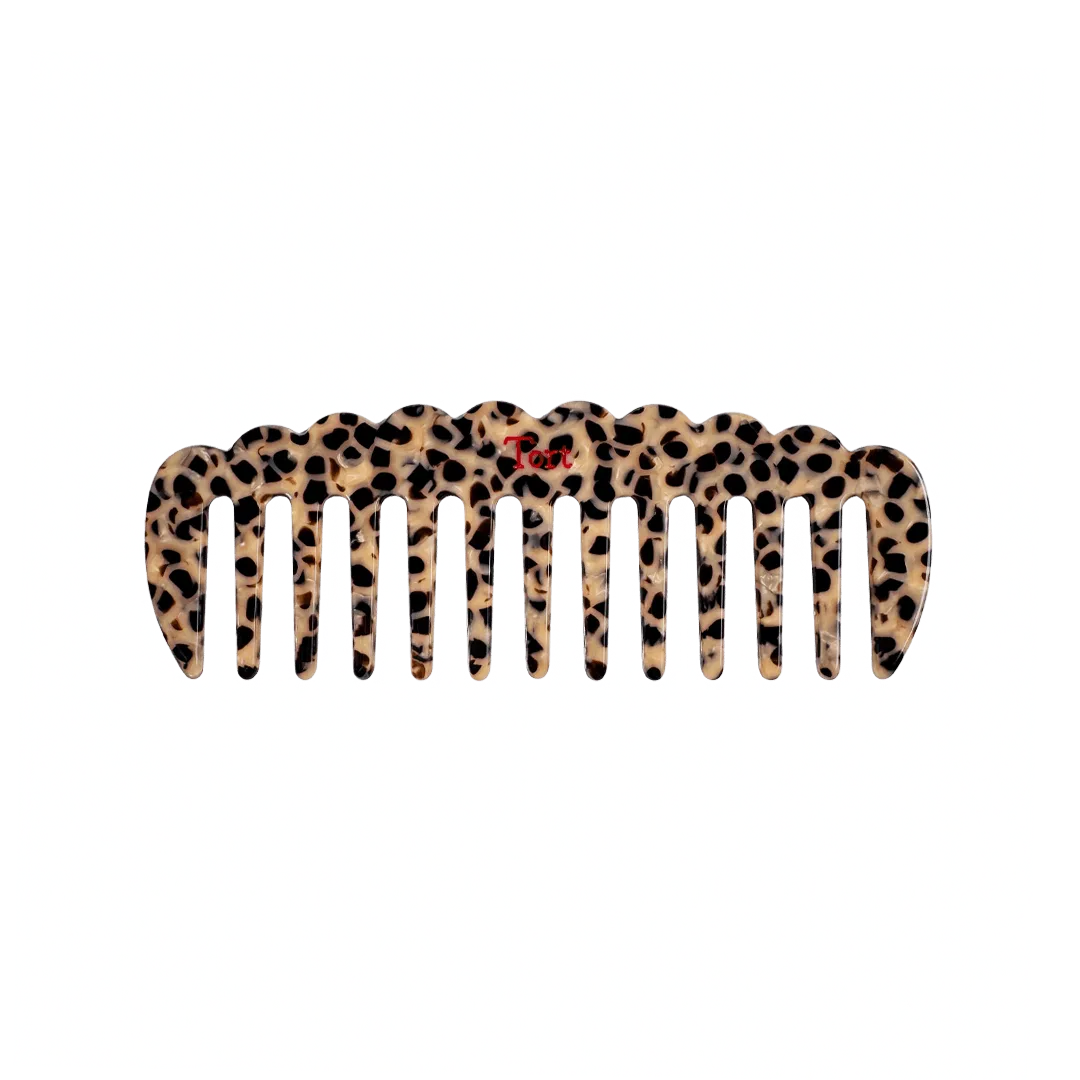
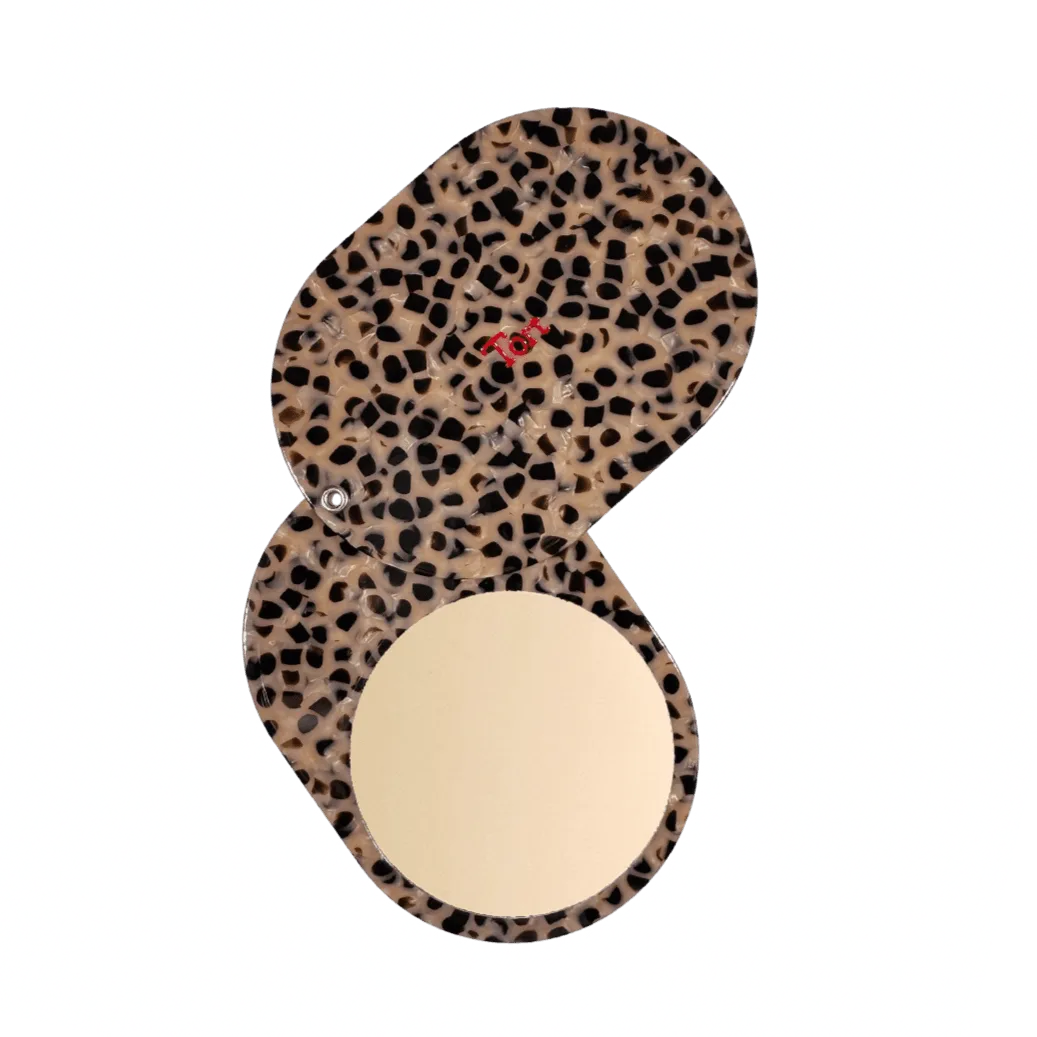
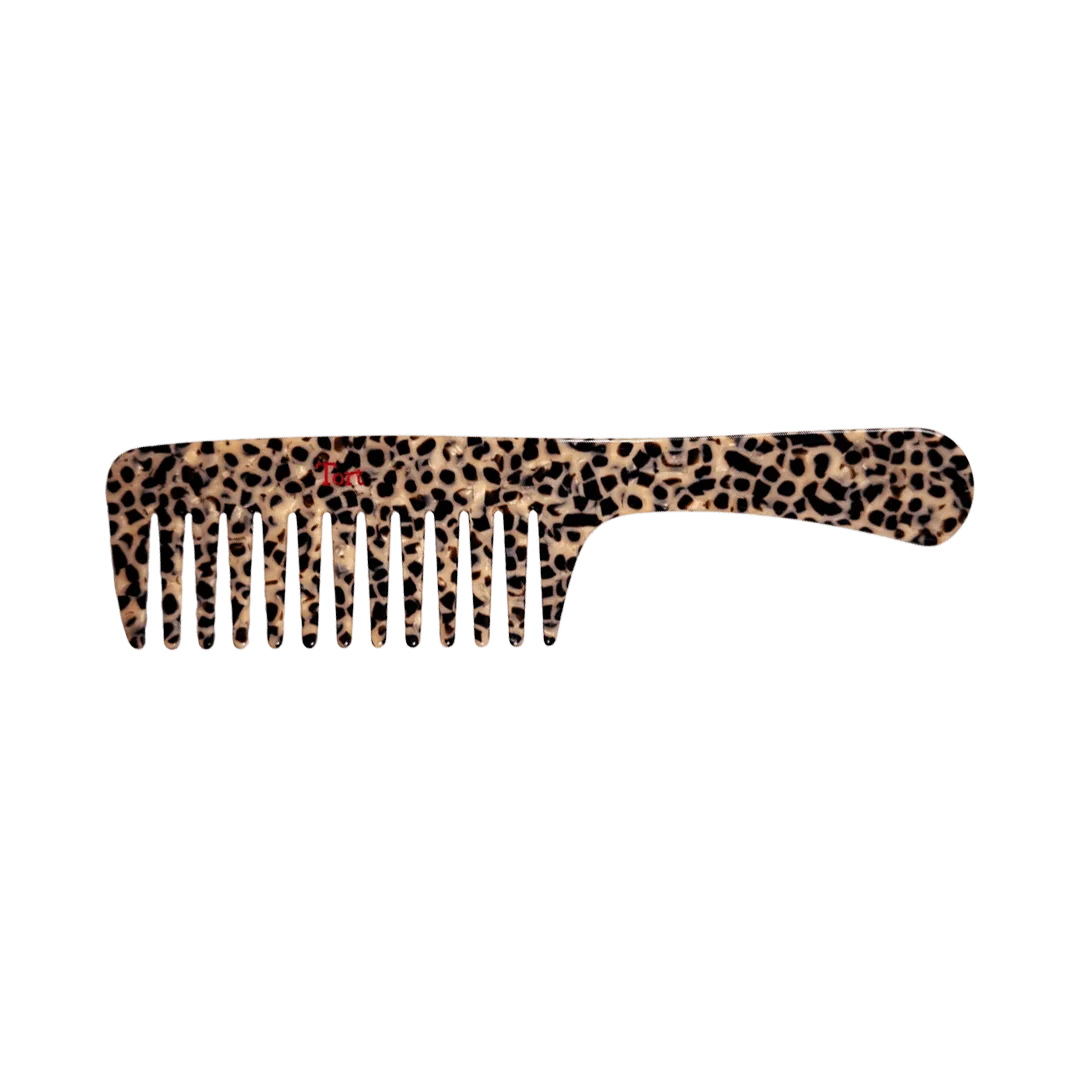
As the fashion world increasingly turns its attention to sustainability, hair accessories are undergoing a quiet revolution. Acetate, a plant-based material derived from wood pulp and cotton, has emerged as a leading choice for eco-conscious consumers. Unlike traditional plastic accessories that rely on fossil fuels and take centuries to decompose, acetate offers a biodegradable, renewable alternative without sacrificing style or durability. In 2025, acetate hair accessories are not just a trend—they are a statement of environmental responsibility.
For brands like Tort Hair Accessories, acetate has become the material of choice for crafting elegant clips, claws, and combs. From the iconic JAYA Mirror in Classic Cheetah to the playful LORA Bébé clip in Cherry Drops, acetate allows for rich color variations and a glossy finish that mimics natural tortoiseshell and pearl. But beyond aesthetics, acetate's sustainability credentials make it a smart choice for consumers who want to reduce their carbon footprint without compromising on quality.
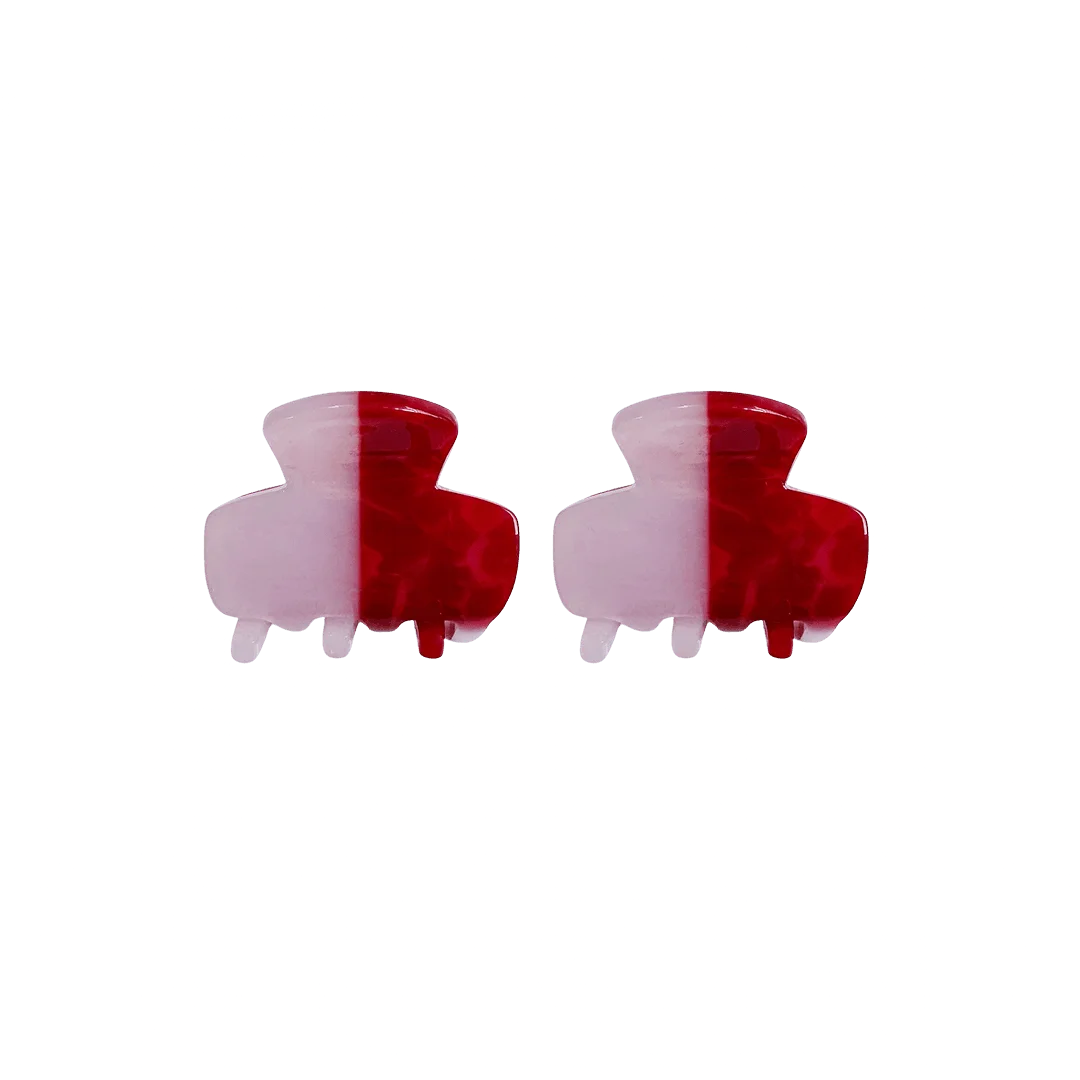
LORA Bébé clip in Cherry Drops
What Is Acetate and How Is It Made?
Acetate is a semi-synthetic polymer made from cellulose, typically sourced from wood pulp or cotton linters. The production process involves treating cellulose with acetic acid and other non-toxic chemicals to create a durable, lightweight material. Unlike petroleum-based plastics, acetate is biodegradable under industrial composting conditions, breaking down into natural components over time. This makes it a far more sustainable option for hair accessories that are meant to last for years.
The manufacturing of acetate also produces fewer greenhouse gas emissions compared to conventional plastic. Many acetate producers now use renewable energy and closed-loop systems to recycle water and solvents, further reducing environmental impact. For consumers, choosing acetate means supporting a supply chain that prioritizes renewable resources and responsible production practices.
- Biodegradable under industrial composting conditions
- Made from renewable cellulose sources like wood pulp
- Lower carbon footprint than petroleum-based plastics
Acetate vs. Plastic: Key Differences in Sustainability
The most significant difference between acetate and plastic lies in their origin and end-of-life. Plastic accessories are made from non-renewable fossil fuels and can take hundreds of years to break down in landfills, releasing microplastics into the environment. Acetate, on the other hand, is derived from renewable plant sources and can degrade in a matter of months under the right conditions. This makes acetate a truly circular material that returns to the earth.
Durability is another factor. High-quality acetate hair accessories, such as the AMMA clip in Butter Pearl, are resistant to heat, moisture, and impact, meaning they last longer than many plastic alternatives. A longer lifespan reduces the need for frequent replacements, lowering overall consumption and waste. When an acetate clip finally reaches the end of its life, it can be composted or recycled, unlike plastic which often ends up in oceans or incinerators.
- Acetate: renewable, biodegradable, durable
- Plastic: fossil fuel-based, non-biodegradable, microplastic pollution
- Acetate accessories last longer, reducing waste
Styling with Acetate: Versatility Meets Eco-Luxury
Acetate's unique properties allow for a wide range of colors, patterns, and finishes that are difficult to achieve with plastic. The material can be layered to create tortoiseshell, marble, or pearl effects, giving each piece a distinctive look. For example, the LORA clip in Scarlet Ivy combines deep red tones with subtle veining, making it a versatile accessory that complements both casual and formal outfits. The glossy surface of acetate also resists scratching and fading, ensuring your accessories stay beautiful for years.
Beyond aesthetics, acetate is lightweight yet strong, making it ideal for everyday wear. The JAYA Mirror in Matcha Pearl is a prime example of how acetate can combine functionality with style—its mirror finish adds a playful touch while the material remains gentle on hair. Whether you prefer bold statement pieces or minimalist designs, acetate offers endless possibilities for expressing your personal style sustainably.
- Rich color variations and patterns like tortoiseshell and pearl
- Lightweight and durable for daily use
- Gentle on hair—smooth edges reduce breakage
How to Care for Your Acetate Hair Accessories
To maximize the lifespan of your acetate accessories, proper care is essential. Avoid exposing them to extreme heat, such as hair dryers or curling irons, as this can cause warping. Clean them with a soft, damp cloth and mild soap, then dry thoroughly. Store them in a cool, dry place away from direct sunlight to prevent discoloration. With minimal effort, your acetate clips and claws can maintain their luster for years.
If your acetate accessory becomes scratched, you can gently buff it with a microfiber cloth or a specialized plastic polish. Unlike plastic, acetate can be polished to restore its original shine. This repairability further contributes to sustainability by extending the product's usable life. For travelers, acetate accessories like the FLOR Keyring in Jewelled Tortoiseshell are especially practical—they are lightweight, durable, and easy to pack without worrying about breakage.
- Clean with mild soap and water; avoid harsh chemicals
- Store away from heat and direct sunlight
- Buff out minor scratches with a microfiber cloth
The Future of Sustainable Hair Accessories
As consumer awareness grows, the demand for eco-friendly alternatives in fashion continues to rise. Acetate hair accessories are at the forefront of this shift, offering a viable path away from single-use plastics and fast fashion. Brands are now experimenting with recycled acetate and bio-based additives to further reduce environmental impact. The trend toward circular fashion means that accessories made from renewable, biodegradable materials will only become more popular.
For those looking to make a conscious choice in 2025, acetate is an excellent option. It combines the elegance of traditional materials with modern sustainability standards. Whether you are dressing for a special occasion or upgrading your everyday style, acetate accessories allow you to look good while doing good for the planet. By choosing acetate over plastic, you are supporting a cleaner, greener future for the fashion industry.
- Growing trend toward circular and biodegradable fashion
- Innovations in recycled acetate and bio-based additives
- Consumer demand driving industry change
Acetate hair accessories are more than just a stylish choice—they are a commitment to sustainability. By opting for materials like acetate, you help reduce plastic waste and support renewable resources. Explore our collection of acetate clips, claws, and combs, including the elegant JAYA Mirror in Classic Cheetah, and make a positive impact on the planet with every accessory you wear.