Quick Answer
A cold, damp base layer almost always comes down to one of four things: the fabric is holding moisture instead of moving it, you are sweating more than the layer can handle, your midlayer is trapping that moisture against you, or residue from detergent and softener has clogged the fabric. Fix the fabric choice first, then your layering, then your laundry routine. If the layer is still cold after all three, it is the wrong tool for your output level.
Start With the Fabric: What Your Base Layer Is Actually Doing
A base layer has one job: move liquid sweat away from your skin so it can evaporate or be picked up by the next layer. If the fabric holds water instead of passing it along, you get the classic cold-and-clammy feeling within minutes of stopping. Merino wool handles this differently than synthetic. Its fibers can absorb a meaningful amount of moisture vapor before feeling wet, which is why a merino layer often feels dry against the skin even when you have been working hard. Synthetics move liquid faster but feel wet almost immediately once saturated.
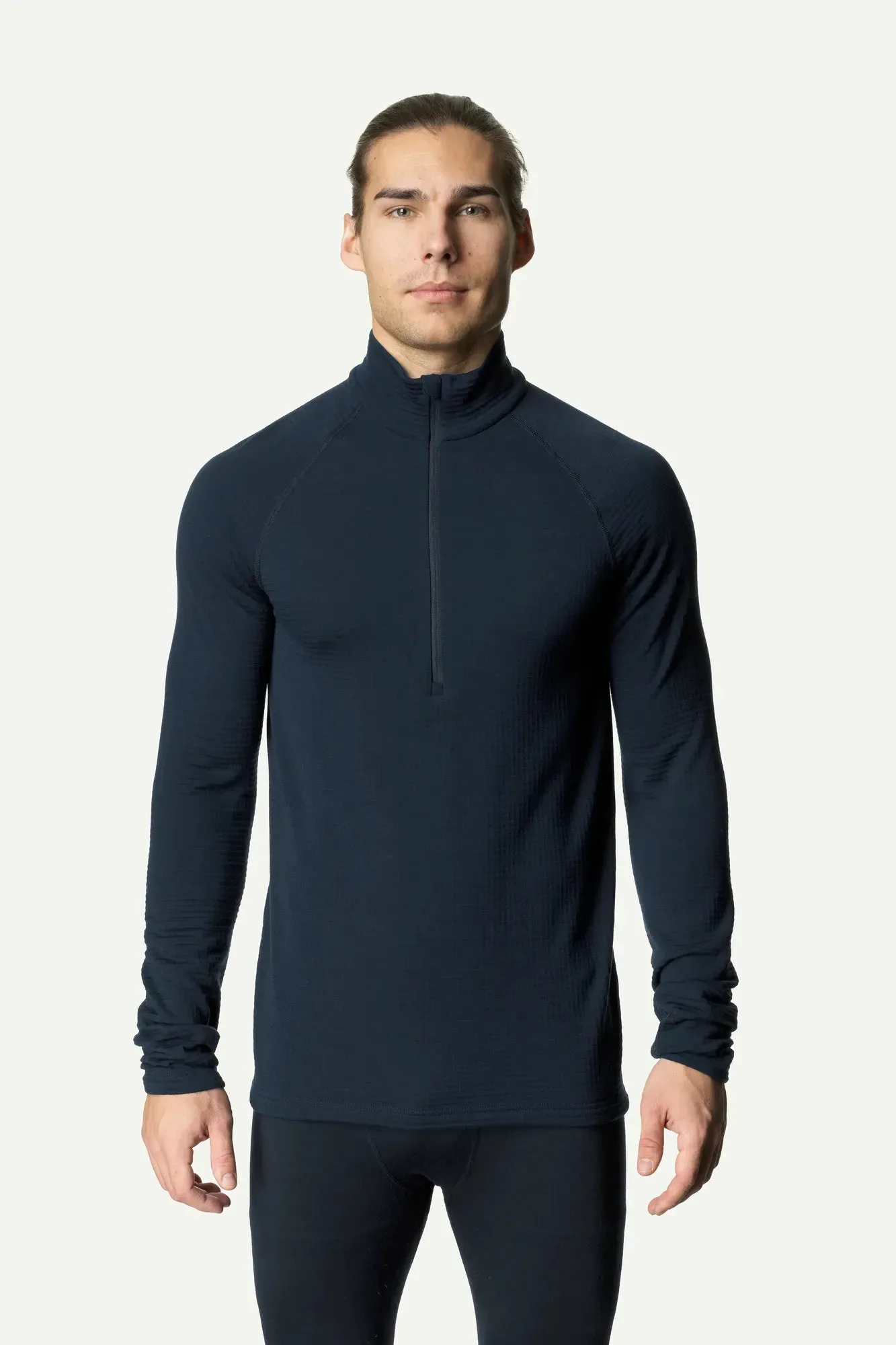
The catch with merino is that not all merino is the same. Fabric weight and fiber diameter determine how fast it moves moisture and how it feels. A 270 g/m2 fabric like the one in the M's Desoli Thermal Half Zip is on the warmer end for a base layer, which makes it excellent for low-output cold activities but slower to dry than a thin summer-weight merino. If you are wearing a midweight merino layer for high-output skiing or uphill hiking, you may simply be outpacing the fabric.
The Sweat Rate Problem: When You Are the Cause
Even a perfect base layer cannot keep up if you are producing more sweat than it can transport. This is the most common reason a base layer that felt fine on a short walk feels cold on a long climb. The fix is not a new layer; it is managing your output and your ventilation. Start cold. If you are warm before you start moving, you will be soaked in twenty minutes. Open your pit zips, unzip your collar, and remove your hat before you start sweating, not after.
A half zip base layer is genuinely useful here because it gives you a large, easy vent without removing a pack or a shell. You can dump heat through the chest and neck without exposing your core. If you are already sweating heavily, slowing down for five minutes while you vent is more effective than any fabric change.
Check Your Midlayer and Shell: The Moisture Trap
A base layer that wicks perfectly still feels cold if the layer above it blocks vapor. A non-breathable midlayer, a waterproof shell worn when it is not raining, or a tight-fitting pack against your back all trap moisture next to your skin. This is why your back often feels coldest and dampest. The base layer is doing its job; the system is not letting the moisture escape.
Test this by removing your shell for ten minutes on a climb. If the damp feeling fades, your shell or midlayer is the problem. If it does not, the issue is lower in the system: your base layer or your sweat rate. Also check that your midlayer is not so tight that it compresses the base layer against your skin, which reduces the air gap that helps vapor move.
Laundry Residue: The Fix Nobody Checks
Fabric softener and detergent residue coat the fibers of your base layer and reduce its ability to move moisture. Over time, a layer that used to feel dry starts feeling damp and cold. This is especially common with merino, which can hold onto residue more than smooth synthetics. The fix is simple: wash with a small amount of gentle, residue-free detergent, skip softener entirely, and run an extra rinse cycle. If the fabric feels stiff or waxy when dry, residue is likely the cause.
Do not use hot water or a hot dryer on merino. Heat can shrink or felt the fibers, which permanently reduces the fabric's performance. Air dry flat or hang dry. If you have been machine drying your base layer on high, that alone may explain the change in how it feels.
Diagnose Your Cold, Damp Base Layer
- Symptom: Damp and cold within 15 minutes of starting to move: Your base layer is saturating faster than it can dry. This usually means the fabric is too warm for your output or your sweat rate is high. Switch to a thinner, more breathable base layer for high-output days, or slow down and vent with your half zip before you start sweating.
- Symptom: Dry at first, then cold and clammy after you stop: This is the classic post-exercise chill. Your base layer is wet from sweat and your body is no longer producing heat to dry it. Add or remove a layer immediately when you stop. A dry midlayer or a windproof shell over a damp base layer buys you time, but changing the base layer is the real fix.
- Symptom: Cold and damp even at low output, or after washing: Laundry residue or fabric damage is the likely cause. Softener and overdosing detergent coat the fibers and block moisture transfer. Wash with gentle detergent, skip softener, add an extra rinse, and air dry. If the layer still feels waxy or stiff, the fabric is compromised and it is time to replace it.
Products That Solve Different Versions of This Problem
- M's Desoli Thermal Half Zip: M's Desoli Thermal Half Zip is made in Solid Gridmerino, a fabric of pure 17.6 micron merino wool at 270 g/m2, which is airy, insulating, and highly breathable. If your cold, damp feeling comes from a synthetic layer that saturates quickly, this merino fabric buffers moisture vapor and stays comfortable at low to moderate output. The half zip gives you a large vent when you start to overheat.
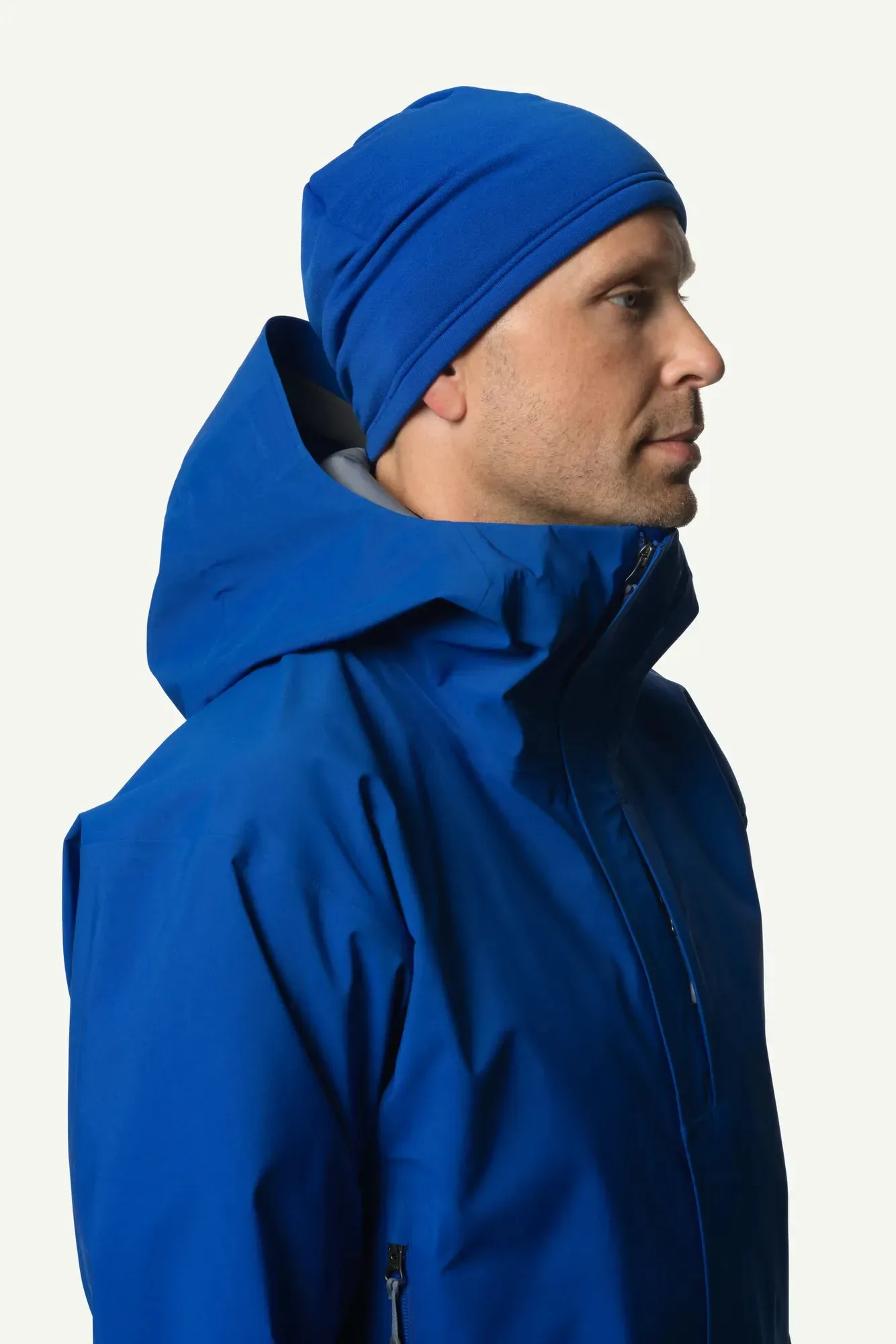
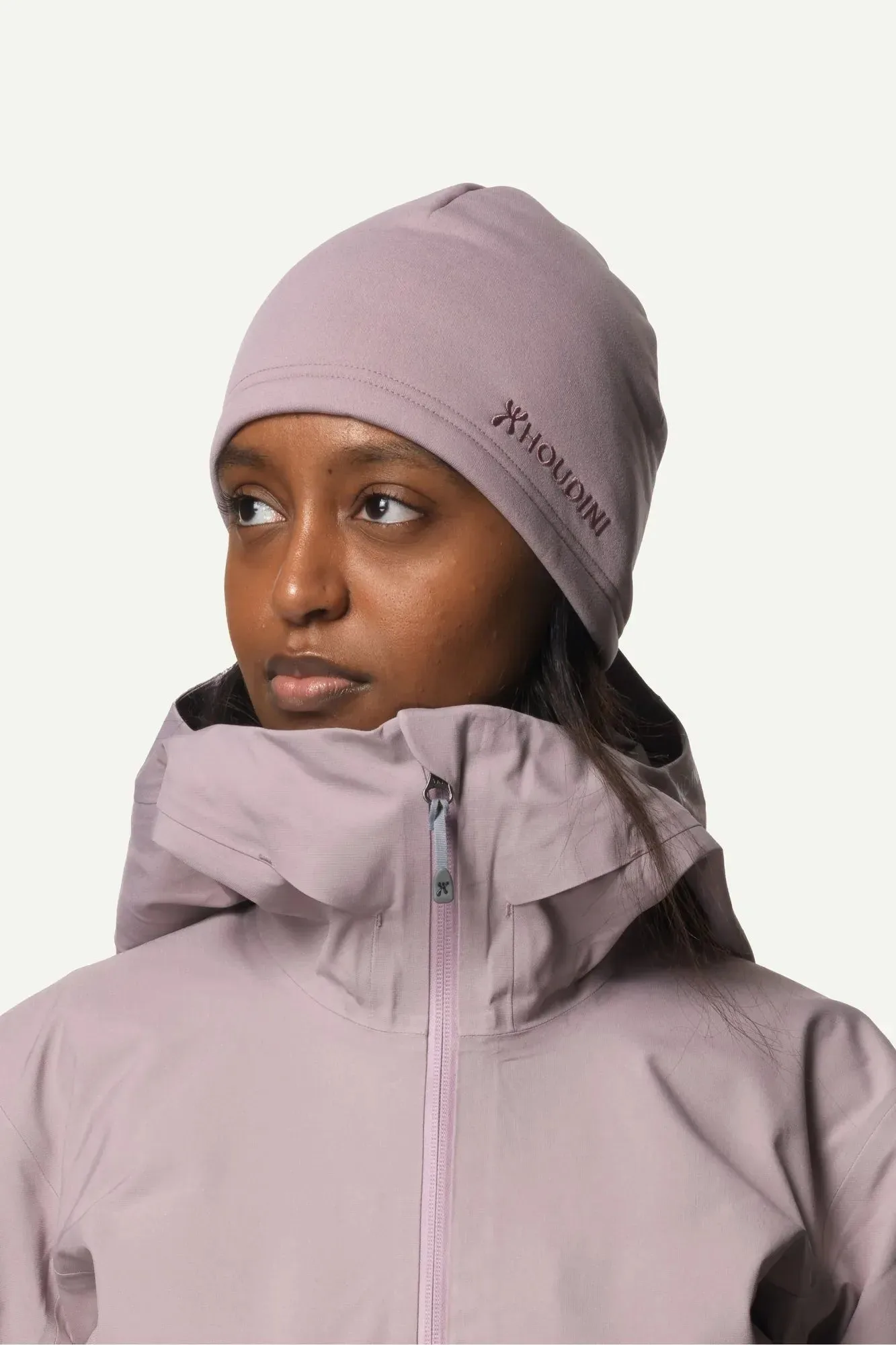
- Power Top Hat: Power Top Hat is made in Polartec Power Stretch Pro, a fleece with a smooth, durable face and a soft interior that vents and moves moisture. A cold head can make your whole body feel cold even when your core is dry. This hat moves moisture instead of trapping it, so you can keep it on during high-output activities without the damp, itchy feeling that comes from a non-breathing hat.