Quick answer
Your body lotion probably isn't the problem—cold air, low humidity, and hot showers strip your skin faster than a single layer can repair. Apply a fragrance-free, niacinamide-rich lotion like The Body Lotion within three minutes of showering, then seal it with an oil or balm on rough patches. If skin still feels tight after a week of consistent layering, switch to a thicker formula or see a dermatologist.
Why cold weather changes how your lotion behaves
Cold air holds less moisture, and indoor heating pulls even more water out of your skin. At the same time, the lipids that normally form your skin barrier become less fluid, so they don't pack together as tightly. Your lotion can still add water, but without a healthy barrier that water evaporates quickly. That's why the same product that felt fine in July can feel like it disappears by noon in January.
The shower mistake that undoes your lotion
Long, hot showers feel good but they dissolve the oils that hold your barrier together. If you step out red and tight, you've already lost ground. Keep water lukewarm, limit showers to five to seven minutes, and pat dry instead of rubbing. Then apply lotion while skin is still slightly damp—within three minutes is the practical window. This traps water before it can evaporate.
How to layer body lotion for winter without feeling greasy
Layering is not about piling on more of the same product. Start with a lightweight, fragrance-free lotion that contains niacinamide and plant oils—these help support the barrier and pull water into the skin. Let it absorb for a minute, then press a few drops of a plant oil or a small amount of balm over the roughest areas: shins, elbows, knees. This two-step approach gives you both water and seal. If you prefer one step, choose a lotion with a 48-hour moisture claim, but understand that claim comes from a clinical measurement study, not a guarantee for every climate.
When to stop layering and switch formulas
If your skin still feels tight, itchy, or flaky after seven to ten days of consistent layering, the issue may be the formula itself. Some lightweight lotions are designed for normal-to-dry skin and simply don't have enough occlusive ingredients for harsh winters. In that case, look for a thicker cream or balm with shea butter, ceramides, or squalane. Also check for potential irritants: fragrance, essential oils, and alcohol can sting cracked winter skin. If you have severe cracking, bleeding, or rash, stop experimenting and see a dermatologist.
Winter skin diagnosis: symptom, cause, fix, and when to stop
- Symptom: Lotion absorbs fast but skin feels tight within an hour: Likely cause: low humidity and a compromised barrier are letting water evaporate before it can be held. Corrective action: apply lotion to damp skin immediately after showering, then seal with an oil or balm on rough areas. Takeaway: if this doesn't help after three days, your lotion may be too lightweight for your climate.
- Symptom: Skin stings or turns red when you apply lotion: Likely cause: fragrance, essential oils, or alcohol in the formula are irritating already-compromised skin. Corrective action: switch to a fragrance-free lotion like The Body Lotion Multi-Peptide and avoid any products with added fragrance until skin calms. Takeaway: if stinging persists or worsens, stop all new products and consult a doctor.
- Symptom: Flaking and itching continue despite daily moisturizing: Likely cause: the formula lacks enough occlusive ingredients for winter, or you are dealing with a condition like eczema. Corrective action: try a thicker cream or balm with shea butter or ceramides, and keep showers short and lukewarm. Takeaway: if there is no improvement in two weeks or skin cracks and bleeds, see a dermatologist.
Product facts that matter for winter
-
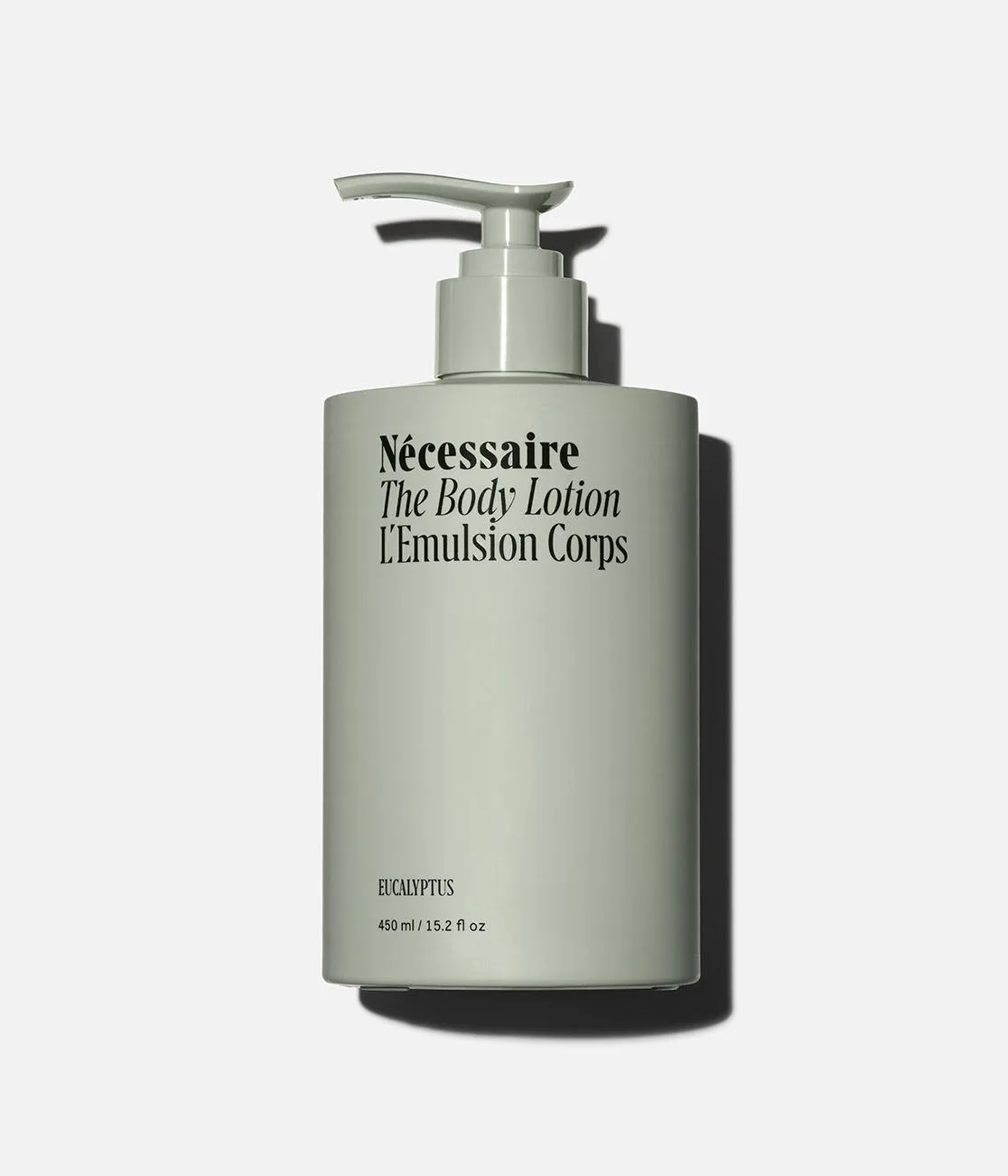
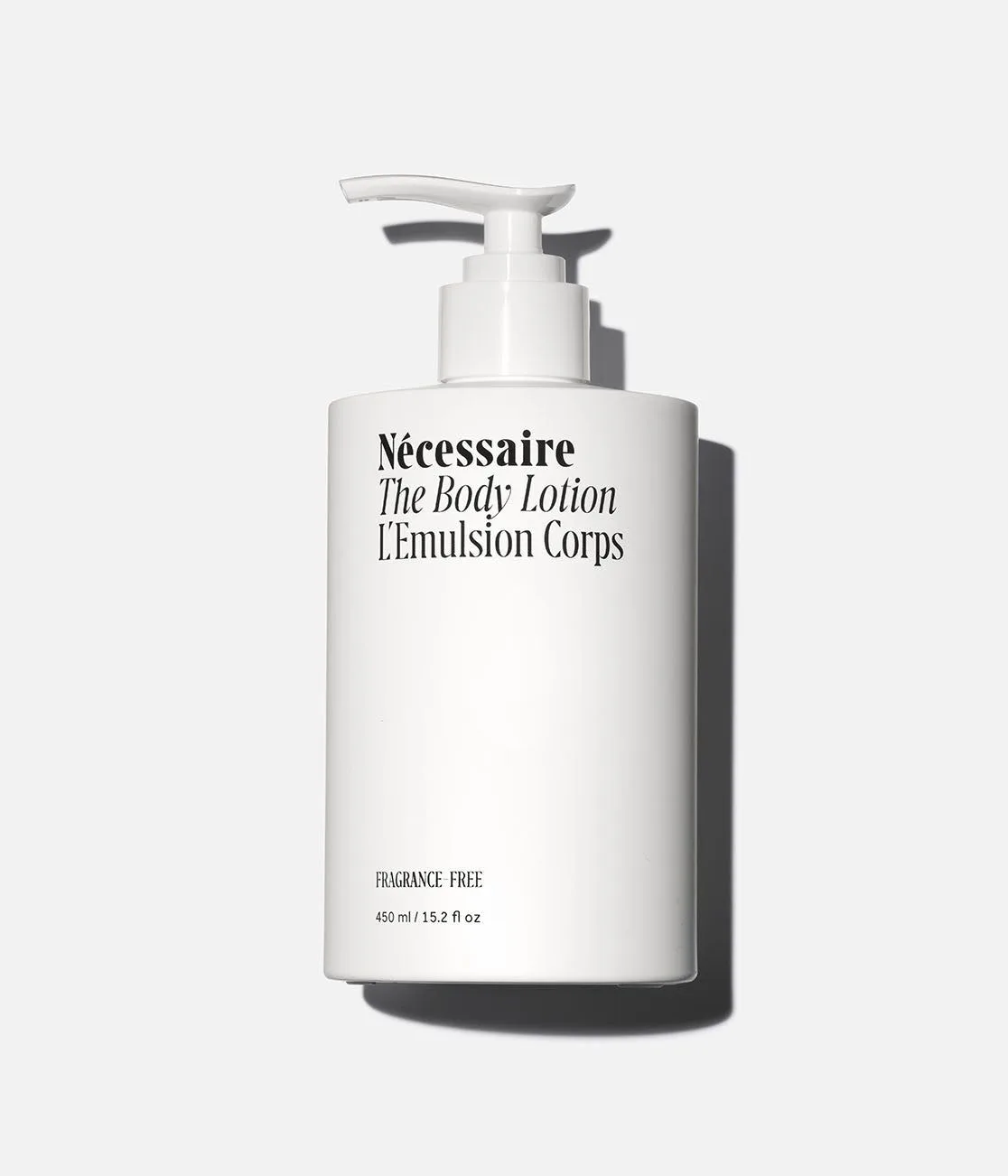
The Body Lotion 450 ml | Multi-Peptide: https://necessairestore.com/products/the-body-lotion-450-ml-multi-peptide-46394https://necessairestore.com/products/the-body-lotion-450-ml-multi-peptide-46415https://necessairestore.com/products/the-body-lotion-450-ml-multi-peptide-46416https://necessairestore.com/products/the-body-lotion-450-ml-multi-peptide-46417The Body Lotion 450 ml | Multi-Peptide is a daily multi-vitamin lotion infused with 2.5% Niacinamide and plant oils rich in Vitamin C/E and Omega 6/9 to help moisturize, firm, and strengthen skin. It has a 48-hour moisture claim supported by a clinical measurement study. Fragrance-free. The large size and pump make it practical for daily full-body use, and the fragrance-free formula reduces irritation risk on dry, cracked winter skin. The niacinamide and plant oils support the barrier while the 48-hour claim suggests it can hold moisture longer between showers, though you may still need to layer in extreme cold.
-
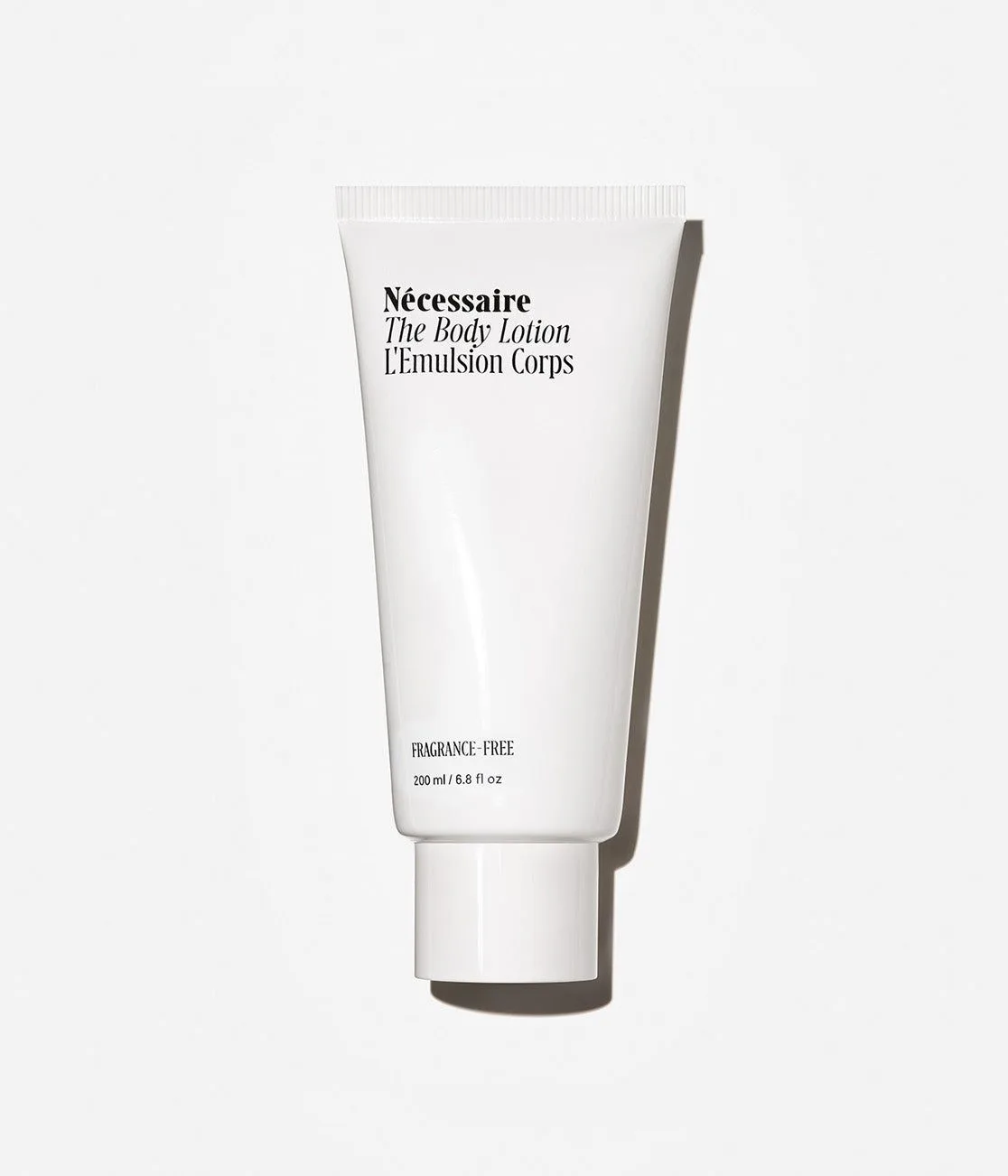
The Body Lotion 200 ml | Multi-Peptide: The Body Lotion 200 ml | Multi-Peptide has the same formula as the 450 ml version but in a smaller size. A good option if you want to test the formula before committing to the larger size, or for travel so you can keep up your winter routine away from home.
-
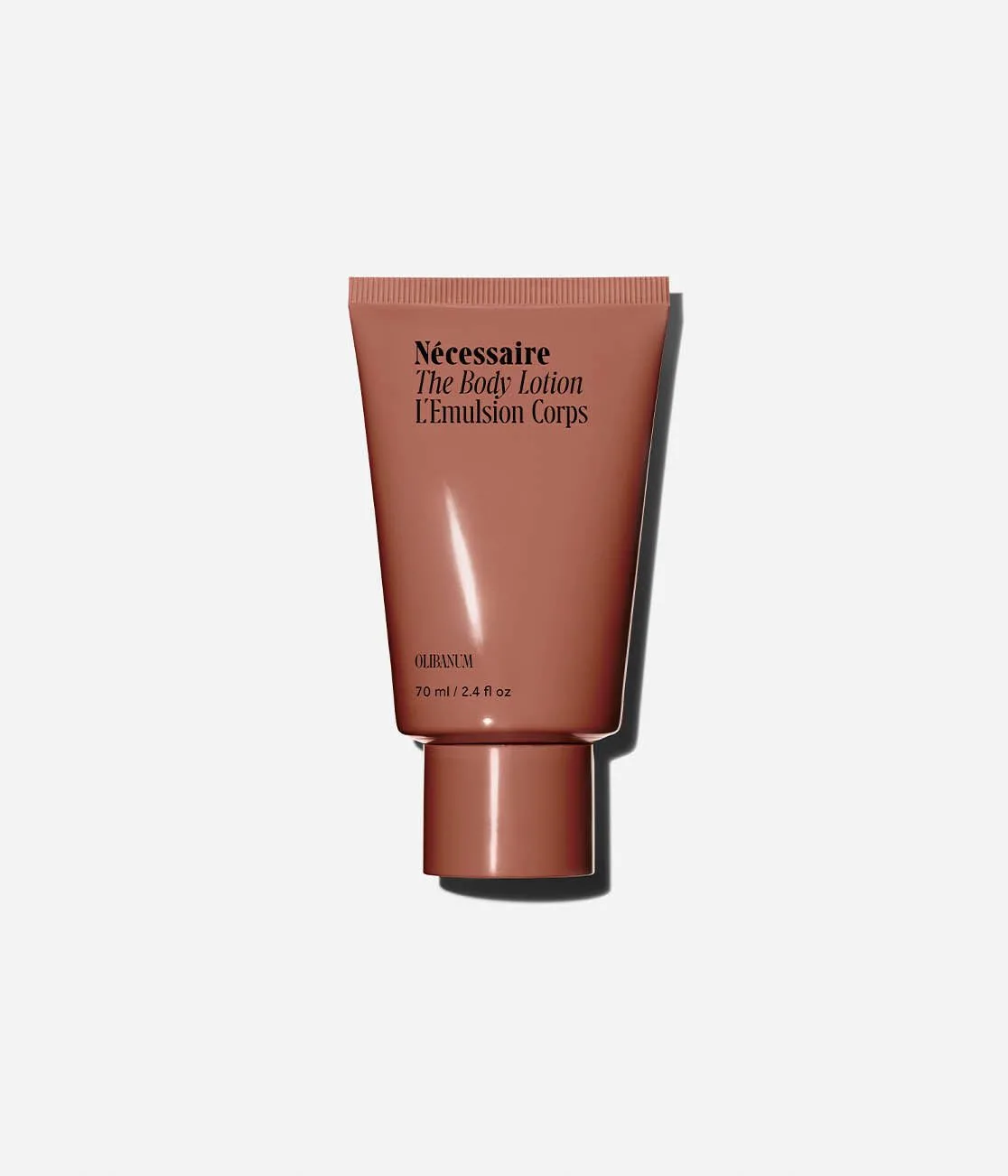
The Body Lotion 70 ml | Multi-Peptide | Olibanum: The Body Lotion 70 ml | Multi-Peptide | Olibanum has the same base formula with fine fragrance notes of Olibanum, Vanille, Fig Leaf, and Cassis Buds. It is made without silicones and phthalates. If you prefer a scented option and your skin is not sensitive, this small size is useful for spot-testing or keeping in a bag. The absence of silicones and phthalates may appeal if you are avoiding those ingredients, but fragrance can still irritate very dry or cracked skin, so patch-test first.