Have you noticed that your body odor smells different than it did in your 20s? You’re not imagining it. As we age, hormonal fluctuations, changes in skin composition, and shifts in our microbiome can all alter the way we smell. Understanding why body odor changes with age is the first step toward adapting your routine to stay fresh and confident at every stage of life.
In this article, we’ll explore the science behind age-related body odor, the role of hormones like estrogen and testosterone, and how to adjust your body care habits—including switching to natural deodorants and using targeted products like Bust Dust and Body Dust—to keep odor in check without irritating mature skin.
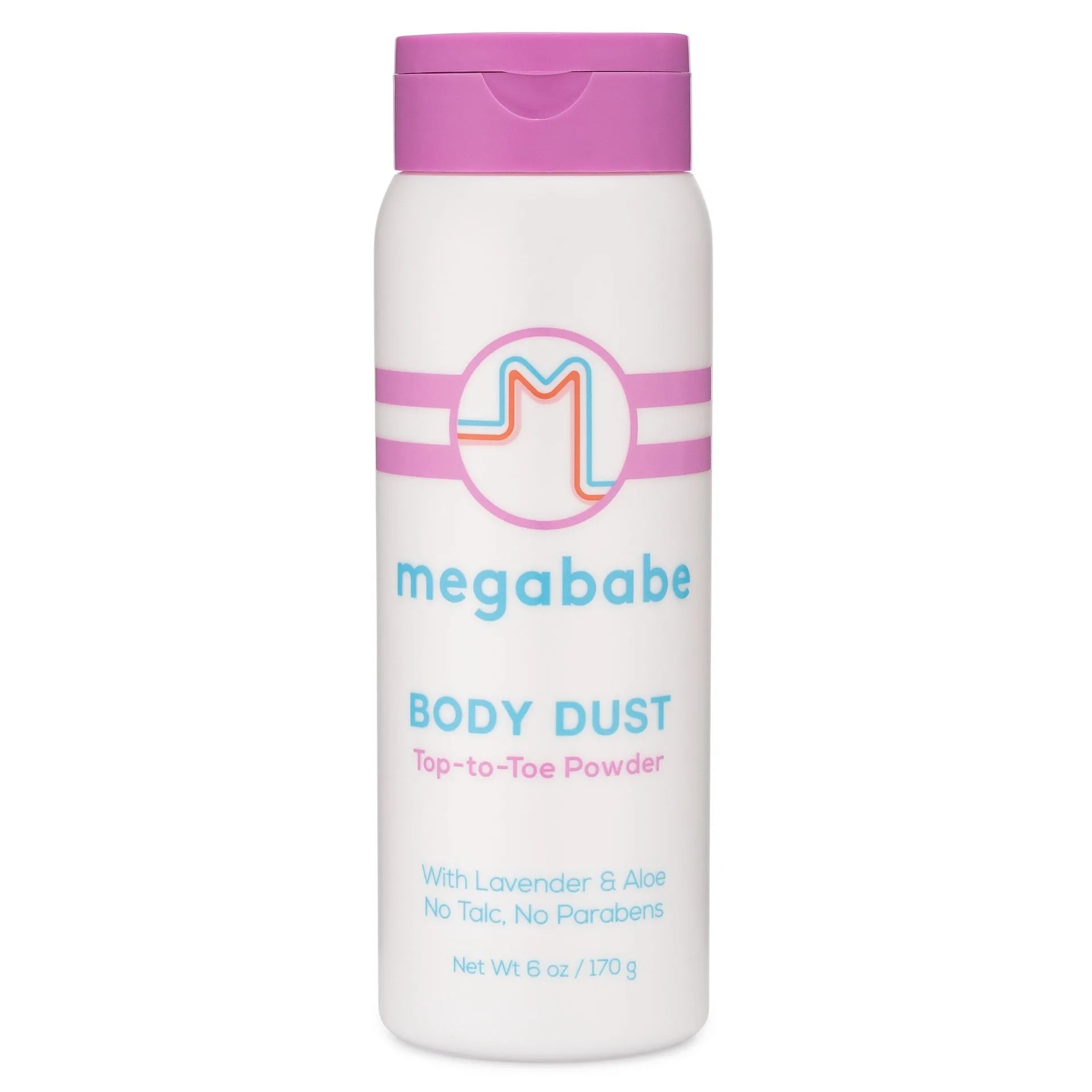
Body Dust
The Science Behind Body Odor and Aging
Body odor is primarily caused by bacteria breaking down sweat on your skin. But not all sweat is the same. There are two types of sweat glands: eccrine glands (which produce watery sweat) and apocrine glands (which produce a thicker, protein-rich sweat that bacteria love). Apocrine glands become active during puberty, which is why body odor often first appears in adolescence.
As you age, the activity of your apocrine glands can change. After menopause, estrogen levels drop, which can lead to a decrease in apocrine sweat production. However, this doesn’t always mean less odor. Many women report a stronger, different-smelling body odor during perimenopause and menopause. This is partly due to changes in the bacterial composition of the skin and the breakdown of fatty acids and proteins in sweat.
- Menopause often brings a sharp, onion-like odor due to increased levels of certain fatty acids in sweat.
- Andropause in men can also cause changes in body odor as testosterone levels decline.
- Skin pH becomes more alkaline with age, which can alter the bacterial balance and contribute to stronger odor.
Hormonal Changes and Their Impact on Body Odor
Hormones play a starring role in how we smell. During perimenopause and menopause, declining estrogen can trigger hot flashes and night sweats, leading to sudden bursts of sweat that can mix with bacteria and produce a noticeable odor. This is often accompanied by a change in the type of bacteria living on the skin, which can make even familiar deodorants less effective.
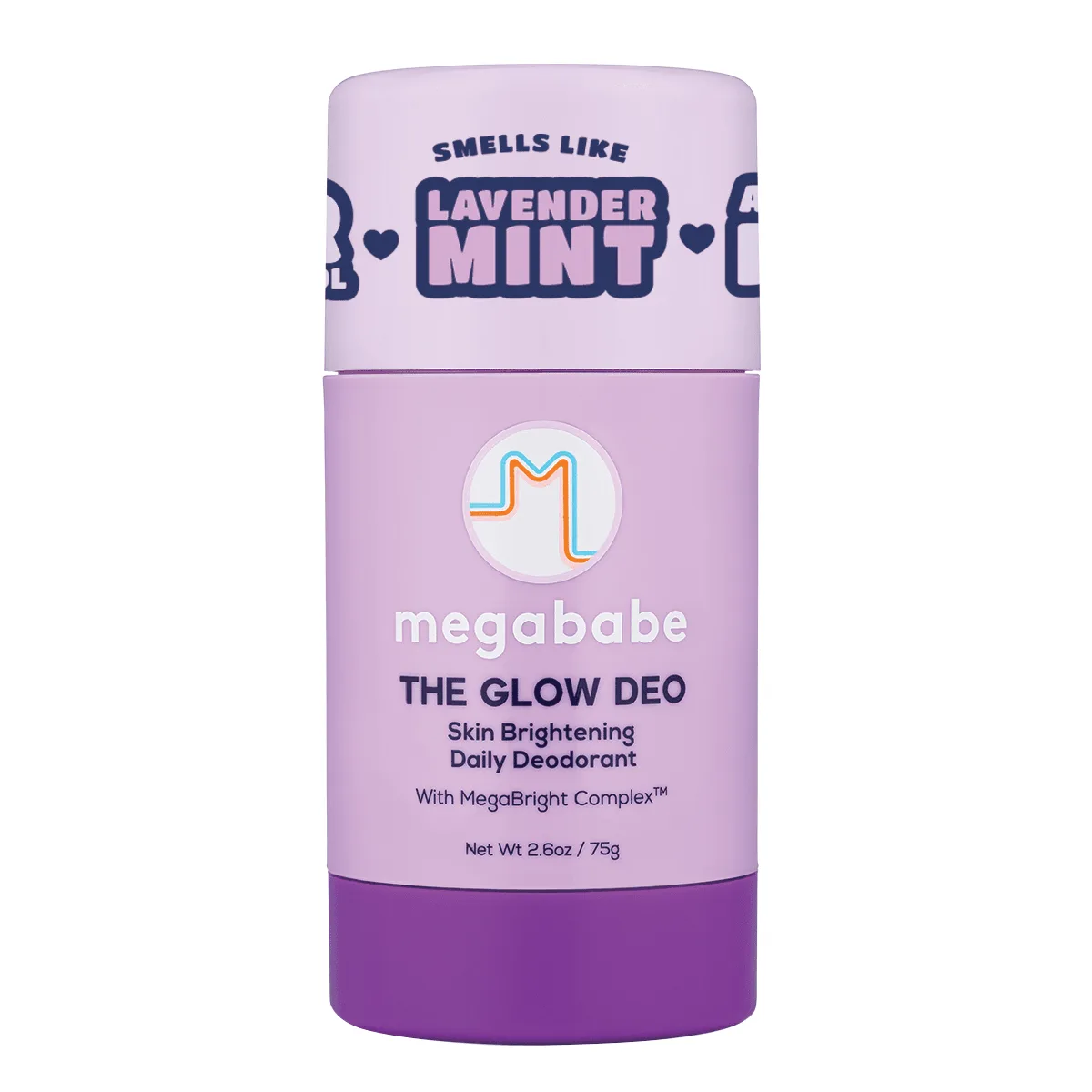
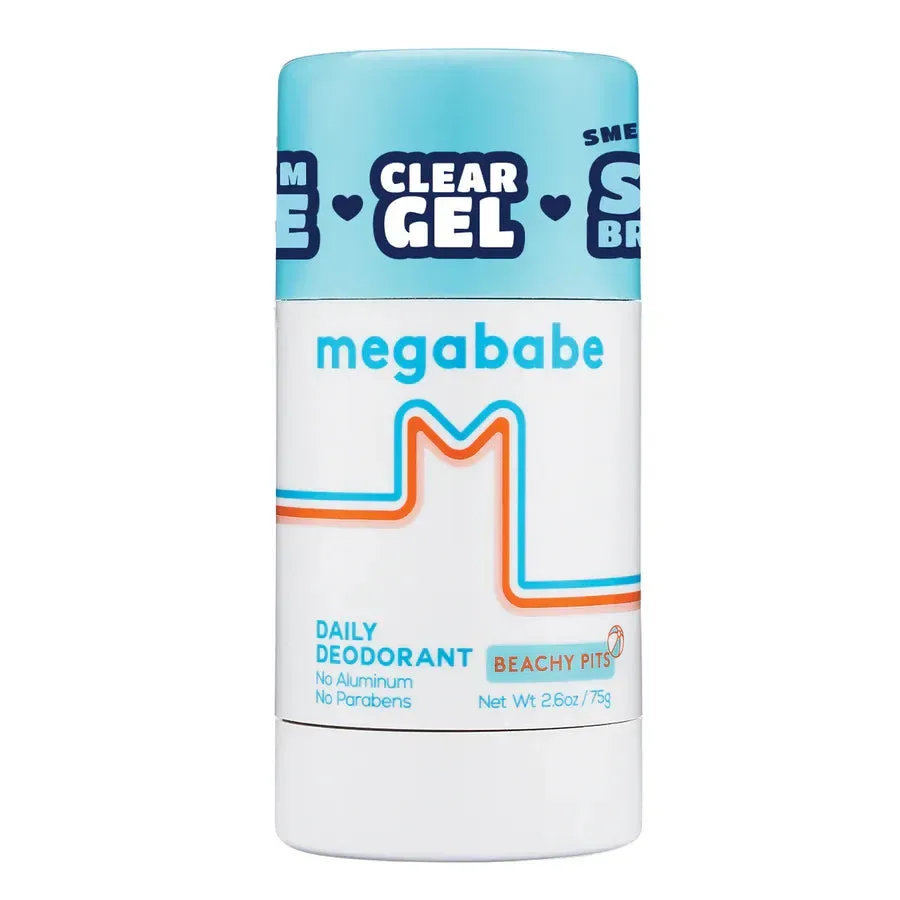
Additionally, stress hormones like cortisol increase with age, which can stimulate apocrine sweat glands. This type of stress sweat is particularly pungent. Adapting your routine means choosing a deodorant that works with your body’s new chemistry. Natural deodorants like The Santal Deo or Beachy Pits are formulated with plant-based ingredients that neutralize odor without harsh chemicals, making them gentler on aging skin.
- Look for deodorants with arrowroot powder or baking soda to absorb moisture and neutralize odor.
- Avoid aluminum-based antiperspirants if you have sensitive or thinning skin.
- Consider a deodorant with calming scents like sandalwood or coconut to complement your natural fragrance.
How Skin Changes Affect Odor and Product Choice
As we age, our skin becomes thinner, drier, and more sensitive. This means that the same deodorant you used in your 30s might now cause irritation or redness. The skin’s barrier function also weakens, making it easier for bacteria to thrive and for odors to become more noticeable.
Switching to a natural deodorant can be a game-changer for mature skin. Products like The Santal Deo use nourishing ingredients like shea butter and coconut oil to moisturize while fighting odor. For targeted freshness, body powders like Bust Dust and Body Dust can be dusted on areas prone to moisture and friction, helping to keep you dry and comfortable without clogging pores.
- Patch test new deodorants on a small area of skin before full use.
- Use a gentle exfoliant once a week to remove dead skin cells that can trap bacteria.
- Apply deodorant to clean, dry skin for best results.
Adapting Your Body Care Routine for All-Day Freshness
Beyond deodorant, a holistic approach to body care can help manage age-related odor. Start by showering with a gentle, pH-balanced cleanser that won’t strip your skin’s natural oils. After showering, apply a light layer of body powder to areas like underarms, under the bust, and inner thighs to absorb excess moisture and reduce friction.
Products like Body Dust are perfect for all-over use, while Bust Dust is specifically designed for the chest area. If you’re active, consider a friction fighter like Thigh Rescue Anti-Friction Stick Mini to prevent chafing and irritation, which can also contribute to odor. And don’t forget to wash your clothes in hot water to remove bacteria that can cling to fabrics.
- Wear breathable fabrics like cotton and linen to reduce sweat buildup.
- Change out of sweaty clothes as soon as possible.
- Stay hydrated to help regulate body temperature and dilute sweat.
When to See a Doctor About Body Odor Changes
While most age-related body odor changes are normal, a sudden or dramatic change in smell can sometimes signal an underlying health issue. Conditions like diabetes, liver disease, or hyperthyroidism can alter body odor. If you notice a fruity, bleach-like, or unusually strong odor that persists despite good hygiene, it’s worth discussing with your doctor.
In the meantime, adapting your routine with gentle, effective products can help you feel fresh and confident. Natural deodorants and body powders are a great place to start because they work with your body’s natural processes rather than against them.
- Keep a journal of when odor changes occur to share with your healthcare provider.
- Note any other symptoms like fatigue, weight changes, or skin rashes.
- Don’t ignore persistent odor that doesn’t improve with routine changes.
Body odor changes with age are a natural part of life, but they don’t have to disrupt your confidence. By understanding the role of hormones and skin changes, and by choosing products that are gentle yet effective, you can stay fresh and comfortable at any age. Explore our collection of natural deodorants and body powders to find the perfect fit for your evolving body care needs.