Quick answer
A breastfed baby often rejects bottles and pacifiers because the flow, texture, or shape feels different from the breast, not because you did something wrong. Try a slower-paced bottle hold, offer the pacifier during calm alert moments rather than hunger, and use a breast-like pacifier such as the Ninni Pacifier Creme 1 Pack. If your baby still refuses after two weeks of low-pressure attempts, stop pushing and check in with your pediatrician or a lactation consultant.
Why a breastfed baby may reject both the bottle and the pacifier
Breastfed babies learn to coordinate suction, tongue movement, and breathing in a very specific way. A bottle nipple that drips quickly or a pacifier that sits differently in the mouth can feel unfamiliar, so your baby may gag, push it out, or simply refuse. This is sometimes called nipple confusion, though many lactation specialists prefer the term nipple preference because it describes a learned comfort with one feeding method. The same preference can show up with pacifiers, especially if they are introduced during a growth spurt or when your baby is already hungry and frustrated. If your baby rejects the bottle and pacifier at the same time, look at the situation first: who is offering, when, and how hungry your baby is.
Corrective actions that respect your baby's pace
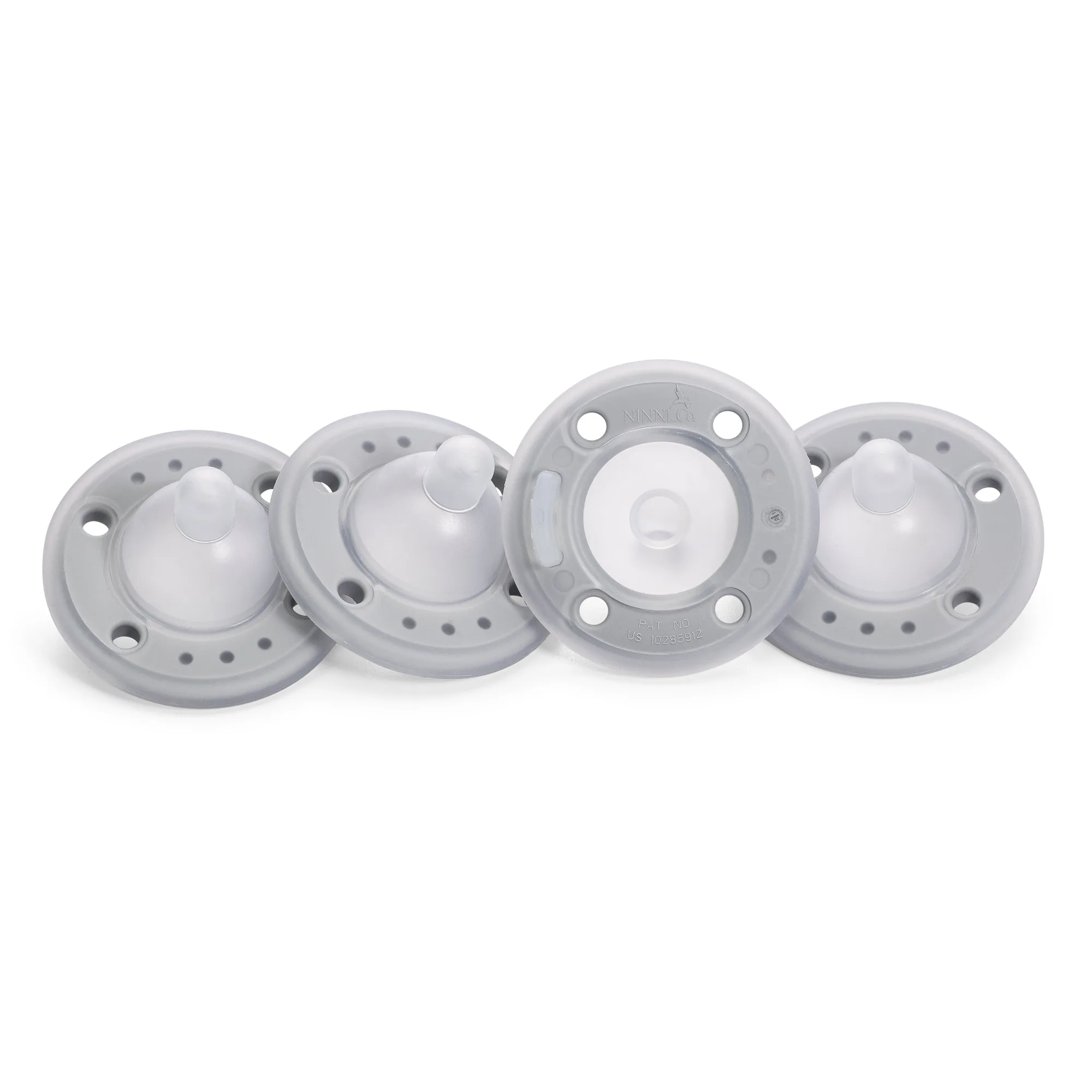
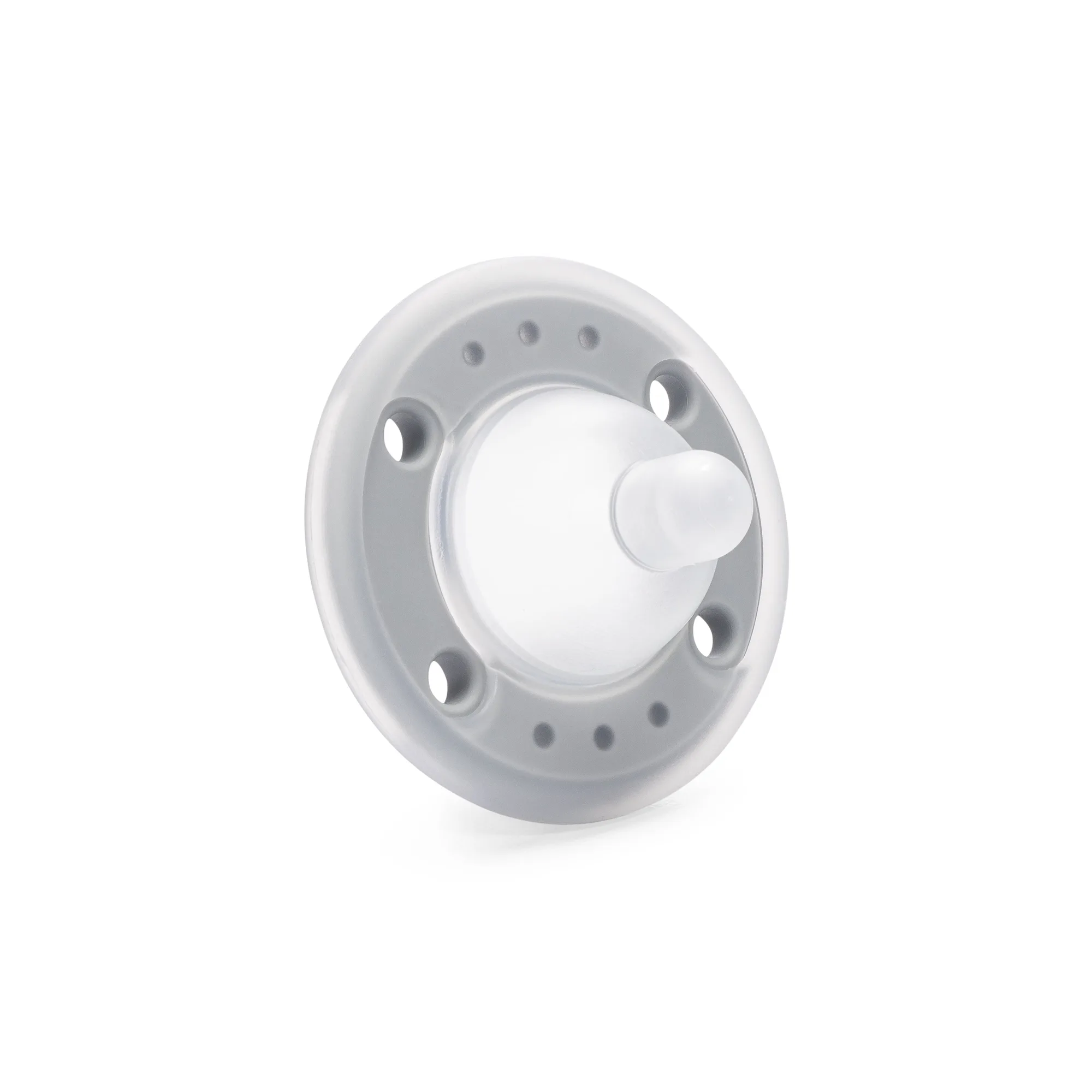
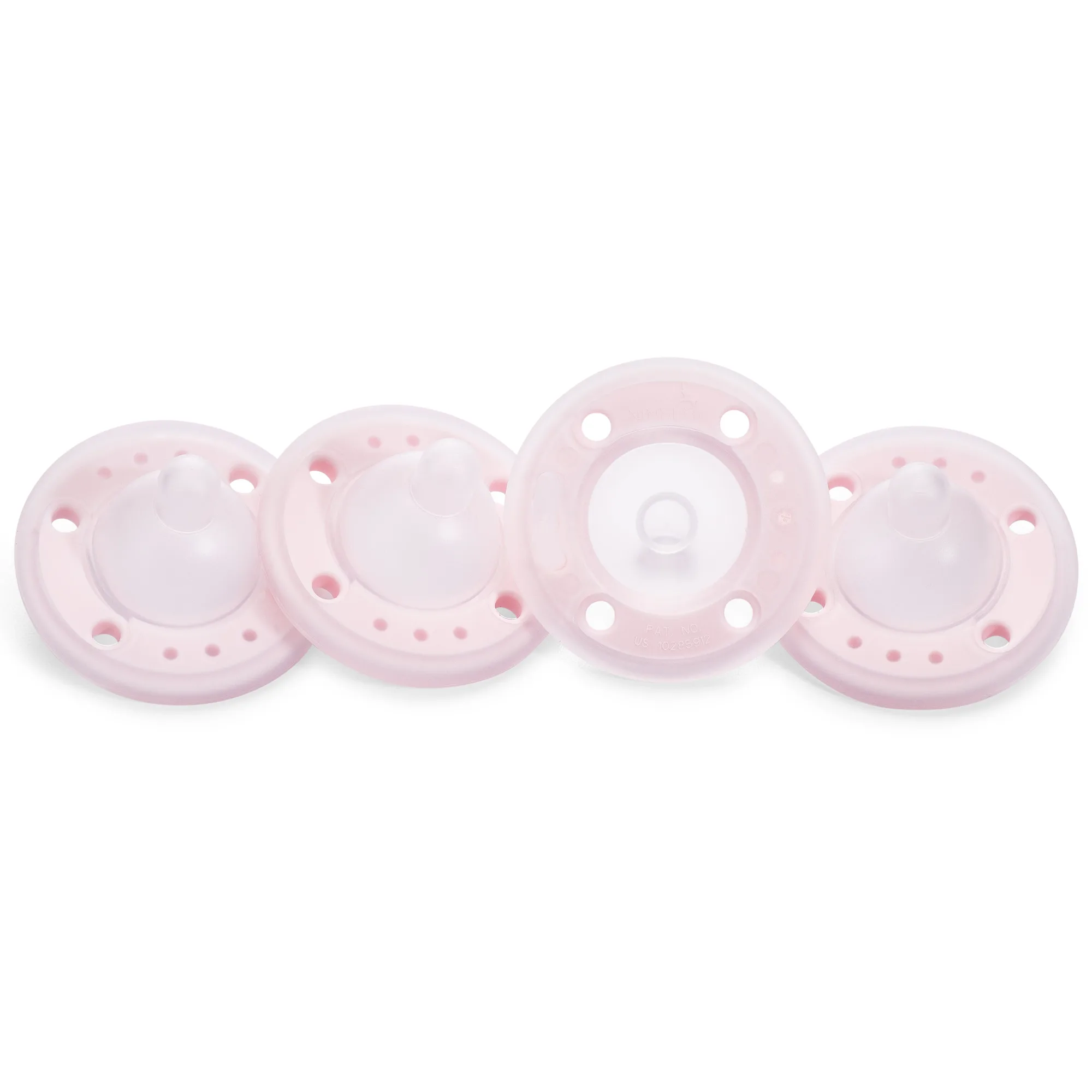
Start with the bottle. Use a slow-flow nipple and hold your baby more upright, pacing the feed so they can pause and breathe. Some families find that offering the bottle when baby is calm but not starving, and letting someone other than the breastfeeding parent give it, reduces resistance. For pacifiers, timing matters more than technique. Offer it after a full feed or during a calm alert window, not as a hunger substitute. If your baby spits it out, wait a few minutes and try again later rather than holding it in. You can also try warming the pacifier slightly in your hand or letting your baby see you hold it, which builds familiarity. For breastfed babies, a pacifier shaped to mimic the breast may be accepted more easily. The Ninni Pacifier Creme 1 Pack is designed for ages 0–24 months and is described as breast-like, which can make the transition feel less foreign.
When to stop and choose another option
If your baby consistently turns away, cries, or arches their back when you offer a bottle or pacifier, stop for that session. Forcing either can create a negative association that makes the next attempt harder. Give it a break for a few days, then try once in a low-pressure moment. If bottle refusal is affecting weight gain, diaper output, or your baby's overall feeding, skip the pacifier experiments and speak with your pediatrician or a lactation consultant. Some babies simply prefer the breast for comfort and will take a pacifier later, or not at all, and that is a valid outcome. Your goal is not to make your baby use a pacifier; it is to find a feeding and soothing routine that works for both of you.
Diagnosis: symptom, cause, action, stop point
- Symptom: baby gags or pushes the pacifier out immediately: This often means the shape or size feels too different from the breast, or your baby is not calm enough to accept it. Try a breast-like pacifier such as Ninni during a calm alert moment, not when hungry. If gagging continues after several tries, stop and ask your pediatrician.
- Symptom: baby takes the bottle but refuses the pacifier: Your baby may be getting enough sucking time at feeds and simply does not need a pacifier for comfort yet. Offer the pacifier after a full feed or during fussy periods. If it is consistently refused, it is fine to wait and try again in a few weeks.
- Symptom: baby refuses both bottle and pacifier and is losing weight or having fewer wet diapers: This is beyond a preference issue and may signal a feeding problem that needs clinical assessment. Stop all pacifier and bottle experiments and contact your pediatrician or a lactation consultant the same day.
Product facts
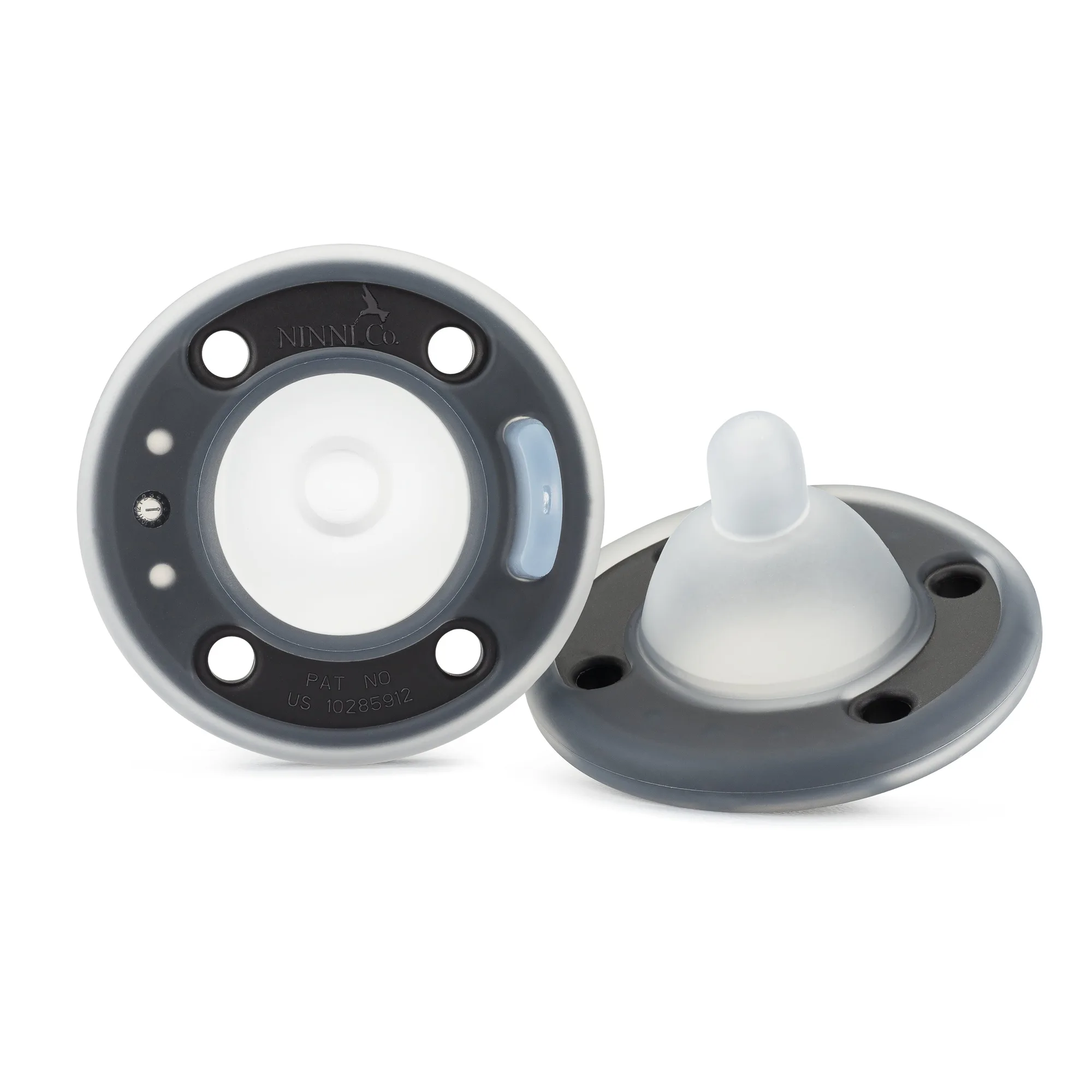
- Ninni Pacifier Creme 1 Pack: Ninni Pacifier Creme 1 Pack is a breast-like pacifier for ages 0–24 months, described as lighter than the Oatmeal color and gender neutral. A lighter, neutral pacifier is easy to keep on hand and matches any outfit, and the breast-like shape may be more familiar to a breastfed baby than a standard silicone pacifier.
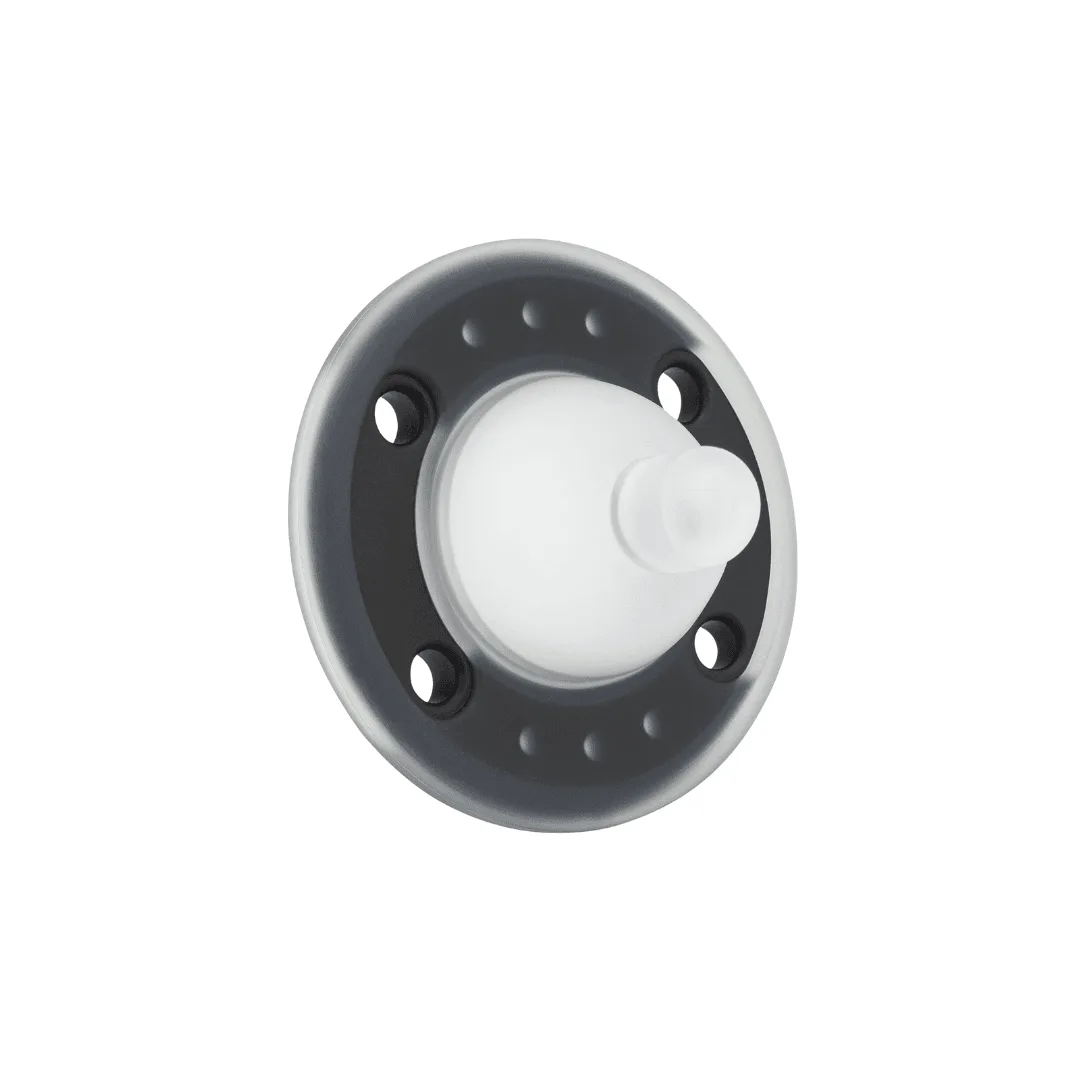
- Ninni Pacifier Onyx 2 Pack: Ninni Pacifier Onyx 2 Pack includes two breast-like pacifiers in a bold, versatile hue, and the catalog suggests pairing with a pacifier clip to keep it clean and within reach. A two-pack means you always have a clean backup during the trial period, and a clip reduces the chance of losing the pacifier when your baby spits it out.