Quick answer
If your cedar raised bed is turning gray, that's weathering, not rot. The sun and rain strip away the wood's natural colorants and leave a silver-gray patina. You can restore cedar color with a gentle cleaning and a fresh coat of oil-based sealer, or you can leave it alone. Gray cedar is still structurally sound. Only treat it if the wood feels soft, spongy, or crumbly when you press a screwdriver into it.
What actually causes the gray color
Cedar contains natural oils and extractives that give it that warm red-brown tone. When the bed sits outside, UV light breaks down those compounds at the surface, and rain washes the degraded fibers away. What's left is cellulose and lignin that have oxidized to a silvery gray. This is a surface change, not a structural one. The gray layer is only a few thousandths of an inch deep.
You'll see the fastest graying on the sun-facing side of the bed. The shaded side may stay red-brown for years. That uneven fade is normal and doesn't mean one side is rotting.
How to tell weathering from real decay
Press a screwdriver or a pocketknife tip into the gray wood. If it resists and the blade barely dents the surface, the wood is fine. If the tool sinks in easily or the wood feels spongy, you have decay, not just weathering. Decay usually starts where soil stays wet against the wood, near the bottom board or at the corners.
Another check: look for soft spots, crumbling edges, or white or black fuzzy patches. Those are signs of fungal growth, not just sun fade. If you find them, the board may need replacement rather than restoration.
Restoring cedar color: the safe method
If the wood is sound and you want the red-brown back, start with a gentle cleaning. Mix one part oxygen bleach (sodium percarbonate) with three parts warm water. Scrub the gray surface with a stiff nylon brush, working with the grain. Let it sit for 10 to 15 minutes, then rinse thoroughly. Avoid chlorine bleach, which can break down the wood fibers and leave a yellow residue.
Let the bed dry for two or three sunny days. The wood should feel dry to the touch and look lighter. Then apply a penetrating oil-based sealer made for exterior wood. Brush it on thin, let it soak in for 15 minutes, and wipe off any excess. One coat is enough. Two thin coats are better than one thick coat, which can trap moisture.
You don't need to sand the whole bed. Lightly sand only rough or splintered areas with 120-grit paper before sealing. Sanding the entire surface removes more wood than necessary and won't stop the gray from returning.
When to stop and accept the gray
If your cedar bed is more than five or six years old and the gray is even, you can leave it. The silver color is stable, and the wood underneath is still doing its job. Many gardeners prefer the look. Sealing a bed that's already gray without cleaning it first will just lock in the weathered appearance and may peel.
If the bed has soft spots, crumbling corners, or visible fungal growth, restoration won't fix the problem. You're better off replacing the affected boards or the entire bed. Cedar is rot-resistant, but it isn't rot-proof, especially where soil stays constantly wet.
Cedar graying diagnosis
- Symptom: even silver-gray color on sun-facing boards: The wood is dry, hard, and resists a screwdriver tip. This is normal weathering, not decay. No action needed unless you want the original color back. If you do, clean with oxygen bleach and seal with oil.
- Symptom: gray with rough, fuzzy texture and slight surface erosion: UV and rain have degraded the surface fibers. The wood is still sound underneath. Scrub with a nylon brush and oxygen bleach, then apply a penetrating oil sealer after the wood dries.
- Symptom: soft spots, crumbling edges, or white/black fuzzy patches: This is decay or fungal growth, not just weathering. The board has lost structural integrity. Stop. Replace the affected board or the whole bed. Sealing won't fix rot.
Cedar beds built to weather well
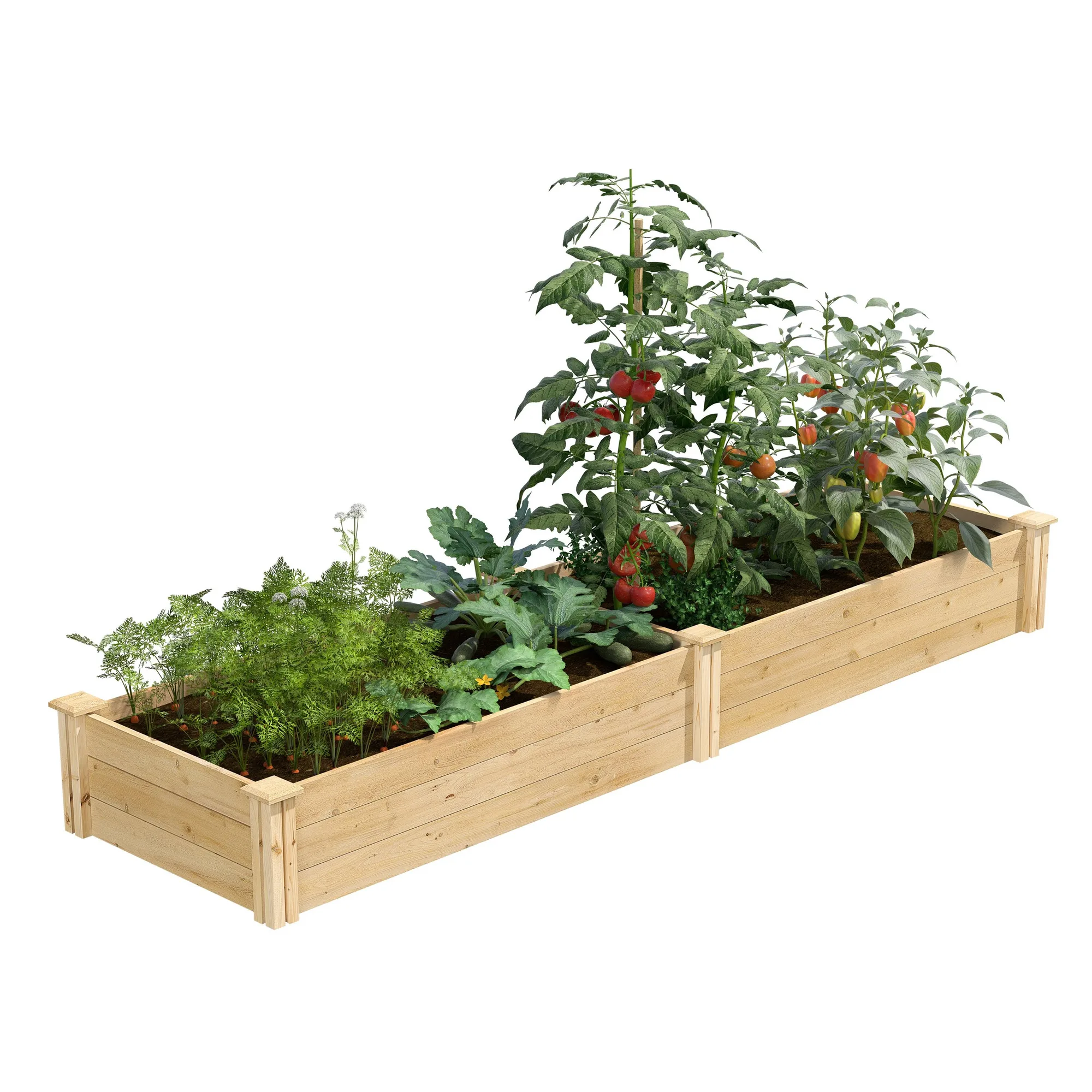
- Premium Cedar Raised Garden Bed 2 ft x 8 ft x 10.5 in (3/4 in Thick) RC24966T: Made in the USA from chemical-free North American cedar with sanded 3/4 in. thick boards and routed corner posts. Untreated cedar weathers to gray naturally without leaching chemicals into your soil, and the thicker boards give you more material to work with if you decide to restore the color later.
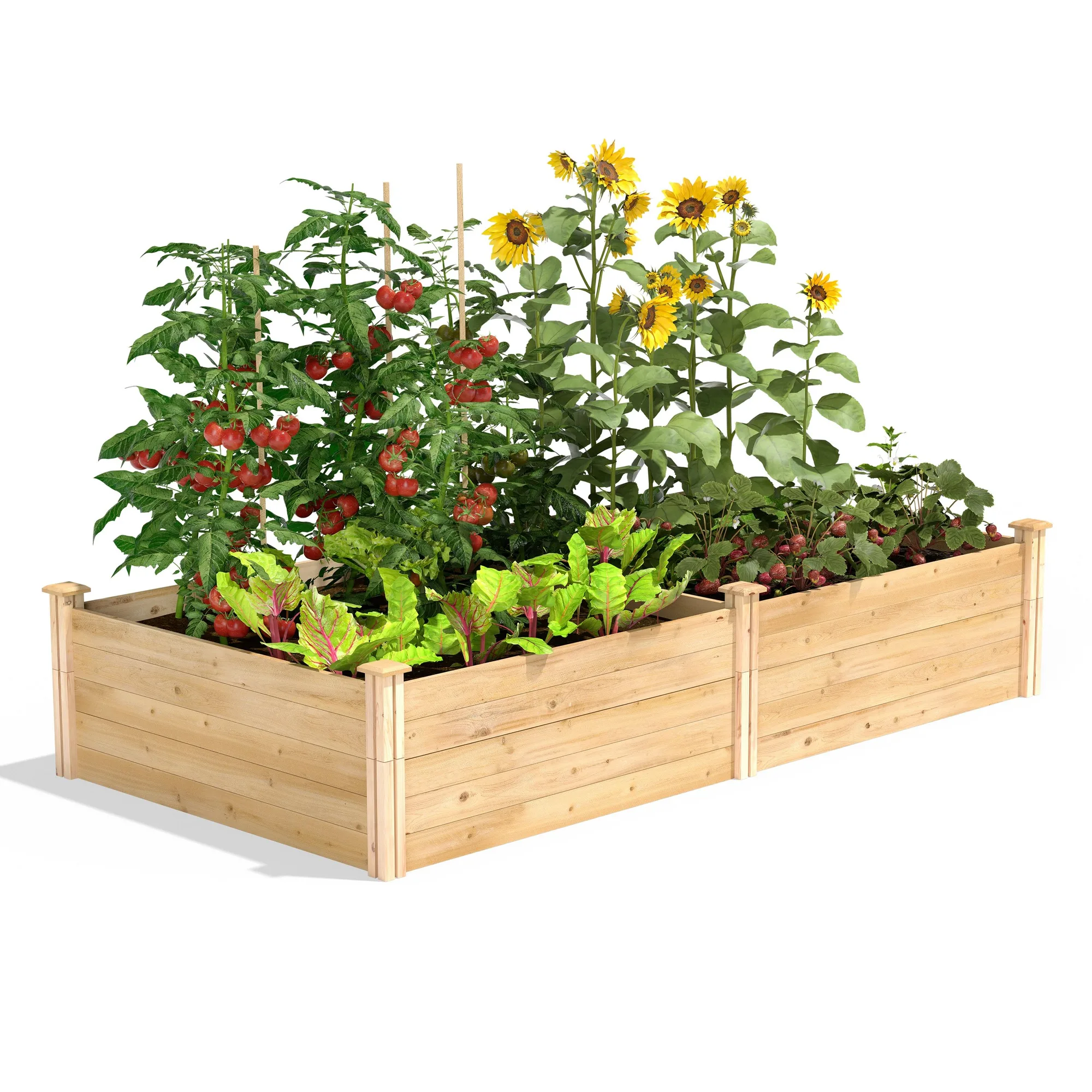
- Premium Cedar Raised Garden Bed 4 ft x 8 ft x 17.5 in (3/4 in Thick) RC6S6T35B: Premium Cedar Raised Garden Bed 4 ft x 8 ft x 17.5 in (3/4 in Thick), no tools required for assembly. The taller profile means more of the bed is exposed to sun and rain, so you'll likely see graying on the upper boards first. The no-tool assembly makes it easy to replace a single board if one ever does decay.
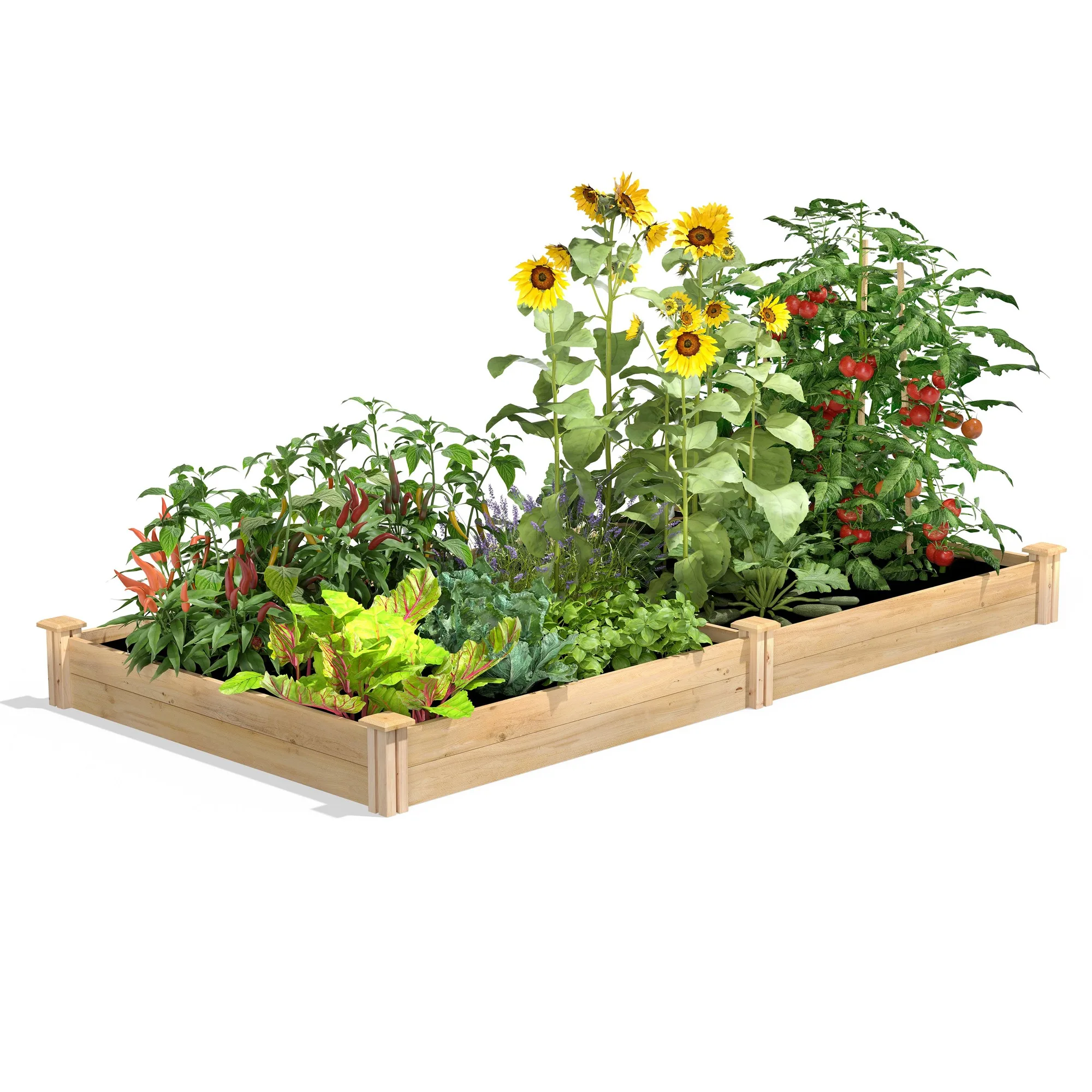
- Premium Cedar Raised Garden Bed 4 ft x 8 ft x 7 in (3/4 in Thick) RC48967: Premium Cedar Raised Garden Bed 4 ft x 8 ft x 7 in (3/4 in Thick), expandable and built to last. A lower bed stays closer to the soil moisture, so the bottom board may gray and weather faster than the top. Check the lower boards first when you inspect for soft spots.