Quick Answer
Yes, plush toys are a valuable addition to your child's development—they support emotional security, language skills, and imaginative play, making them more than just cuddly companions.
Emotional Comfort and Security
A plush toy often becomes a child's first 'security object.' It provides a sense of comfort during transitions like starting daycare, moving to a new bed, or dealing with separation anxiety. The soft texture and familiar presence help children self-soothe and build emotional resilience.
Language and Social Skills
Children naturally talk to their plush toys, narrating stories, asking questions, and practicing conversations. This imaginative play boosts vocabulary, sentence structure, and social skills as they learn to express emotions and negotiate roles. A plush toy can be a patient listener and a willing playmate, encouraging verbal expression.
Imagination and Creativity
Plush toys are versatile props in pretend play. A giraffe can be a jungle explorer, a dinosaur can be a friendly giant, and a teddy bear can be a tea party guest. This open-ended play stimulates creativity, problem-solving, and cognitive flexibility—skills that benefit learning in all areas.
Frequently Asked Questions
At what age do plush toys become beneficial?
Plush toys are generally safe for children over 12 months, when the risk of choking on small parts decreases. From age 2, they become valuable for pretend play and emotional comfort. Always check that any plush toy has securely attached eyes and features, and avoid small parts for younger children. Always supervise infants and toddlers with plush toys to ensure safety.
How do I choose a plush toy that supports development?
Look for a toy that is soft, washable, and made from safe, non-toxic materials. Consider the size: a small plush is easier for toddlers to carry and manipulate, while a medium one is better for hugging and cuddling. Choose a character that sparks your child's imagination—like a giraffe or dinosaur—to encourage storytelling and creative play. Involve your child in the selection process to increase attachment and play value.
Can plush toys help with bedtime routines?
Yes, a consistent bedtime routine that includes a plush toy can signal to your child that it's time to sleep. The toy becomes a calming presence that eases the transition from wakefulness to sleep. Choose a soft, huggable size that your child can hold comfortably. Use the same plush toy every night to reinforce the sleep association.
Plush Toys That Support Development
-
Plush animal - Mr. Giraffe: Mr. Giraffe is made from super-soft and recycled materials and comes in two sizes, small and medium. The super-soft texture is gentle on sensitive skin, and the two sizes let you choose a companion suited for on-the-go or cuddle-at-home play.
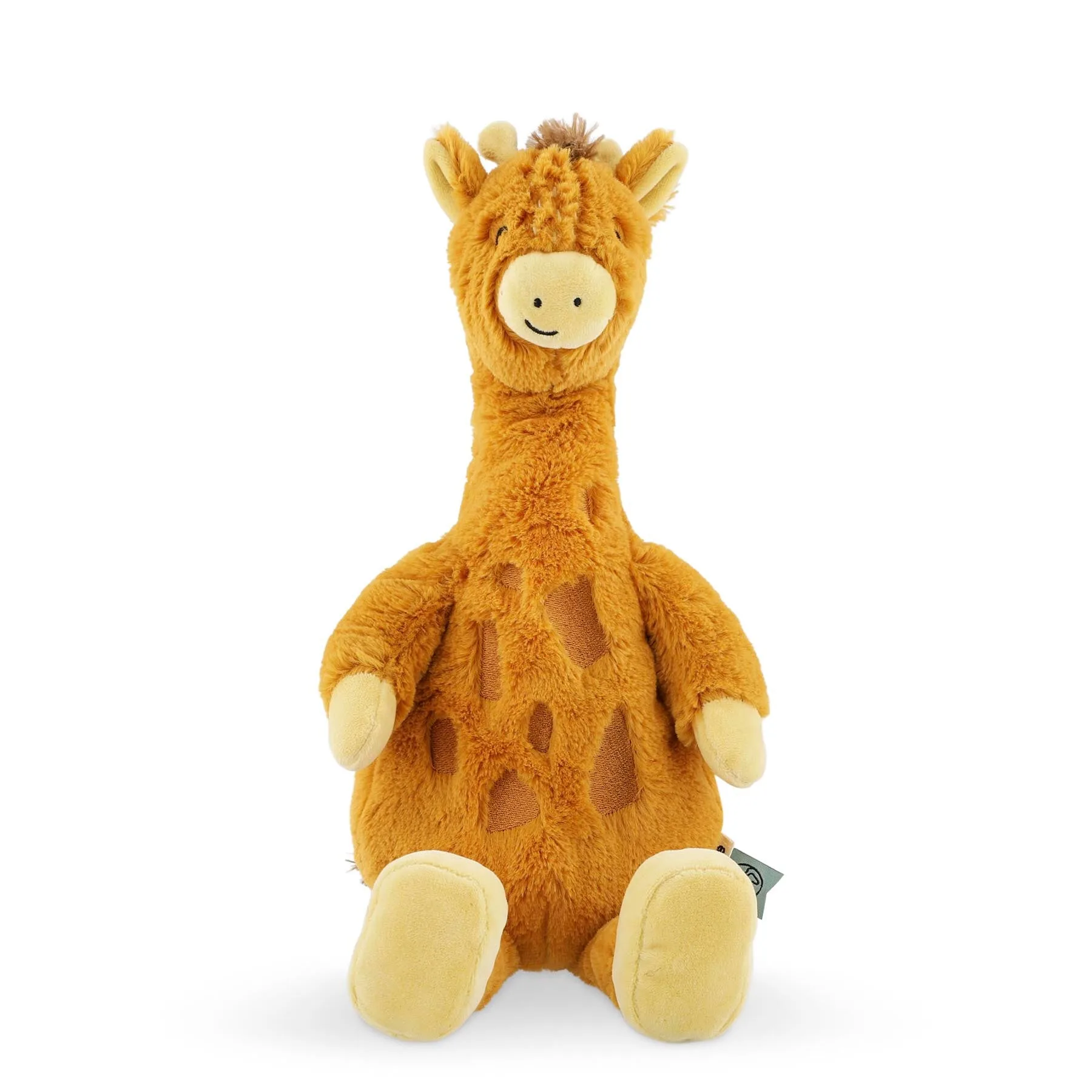
Plush animal - Mr. Giraffe
-
Plush animal - Mr. Triceratops: Mr. Triceratops is made from super-soft and recycled materials and comes in two sizes, small and medium. A dinosaur friend can spark imaginative adventures while the soft, safe materials make it suitable for toddlers who love to hug and carry their toys.
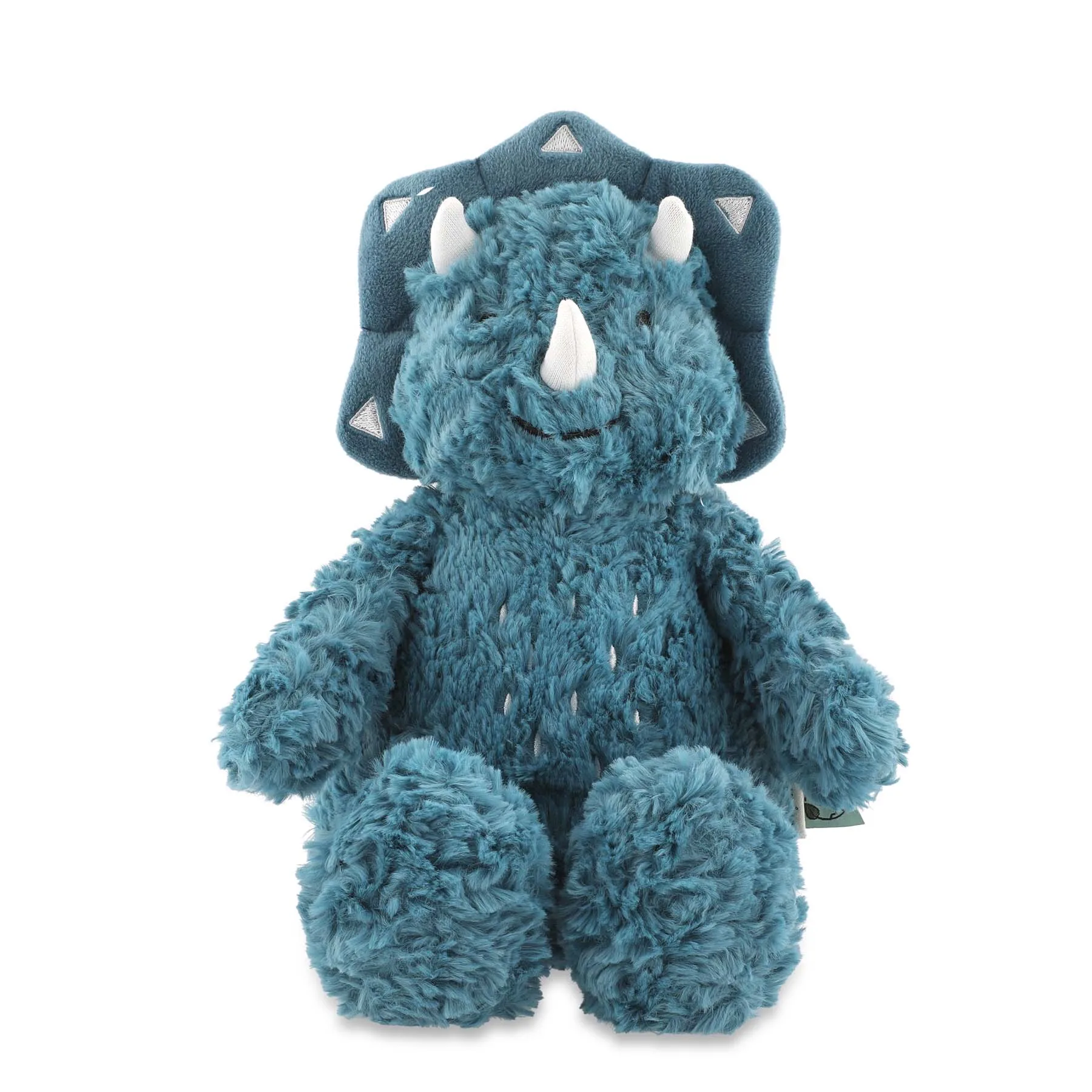
Plush animal - Mr. Triceratops
-
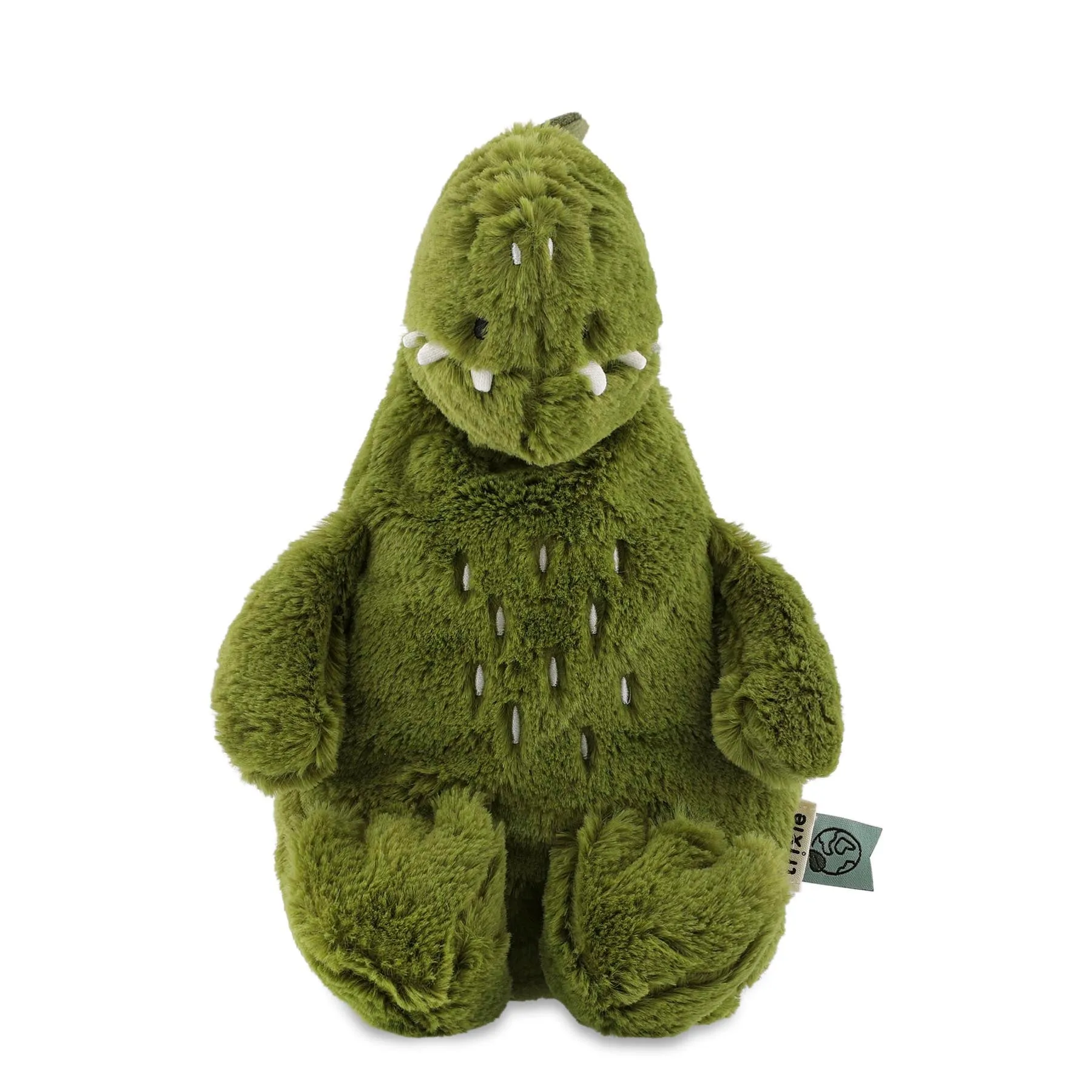
Plush animal - Mr. Dino: Mr. Dino is made from super-soft and recycled materials and comes in two sizes, small and medium. The small size is easy for little hands to hold, making it a great first plush toy for developing grip and fine motor skills.