There’s nothing quite like the first sip of a freshly brewed cup of specialty coffee. The aroma, the complexity, the bright acidity — all of it hinges on one critical factor: freshness. But if you’ve ever wondered why that bag of beans you bought a few weeks ago no longer tastes as vibrant, you’re not alone. Coffee staleness is a common frustration, and it happens faster than most people realize.
In this article, we’ll explore the science behind why coffee beans go stale, from oxidation to moisture loss, and share actionable strategies to preserve freshness. Whether you’re a home brewer or a professional barista, understanding these principles will help you get the most out of every bean.
The Science of Coffee Staleness
Coffee staleness begins the moment beans are roasted. Freshly roasted coffee contains hundreds of volatile aromatic compounds that give it its distinctive flavor and fragrance. Over time, these compounds break down or escape, leading to a flat, cardboard-like taste. The primary culprits are oxidation, moisture loss, and exposure to light and heat.
Oxidation occurs when oxygen reacts with the oils and lipids in the coffee bean, causing rancidity. This process accelerates once the coffee is ground, as the increased surface area exposes more of the bean to air. Moisture loss, meanwhile, dries out the beans and reduces their ability to hold onto those precious aromatics. Even whole beans stored in a sealed bag will slowly degrade, which is why roasters recommend using them within two to four weeks of the roast date.
- Always check the roast date on your coffee bag — not just the sell-by date.
- Buy whole beans and grind just before brewing to slow down oxidation.
How to Store Coffee Beans for Maximum Freshness
Proper storage is your best defense against staleness. The golden rules are simple: keep your beans in an airtight container, away from light, heat, and moisture. A dark, cool cupboard is ideal. Avoid storing coffee in the refrigerator or freezer unless you plan to keep it for more than a month, as temperature fluctuations can cause condensation and degrade quality.
For everyday use, consider a ceramic or glass canister with a one-way valve that lets CO2 escape without letting oxygen in. If you’re serious about precision, a scale like the Fellow Tally Scale — Pro Studio can help you measure the exact dose you need, reducing waste and keeping your beans fresher longer. Remember, every time you open the bag, you introduce fresh air, so only buy what you’ll use within a couple of weeks.
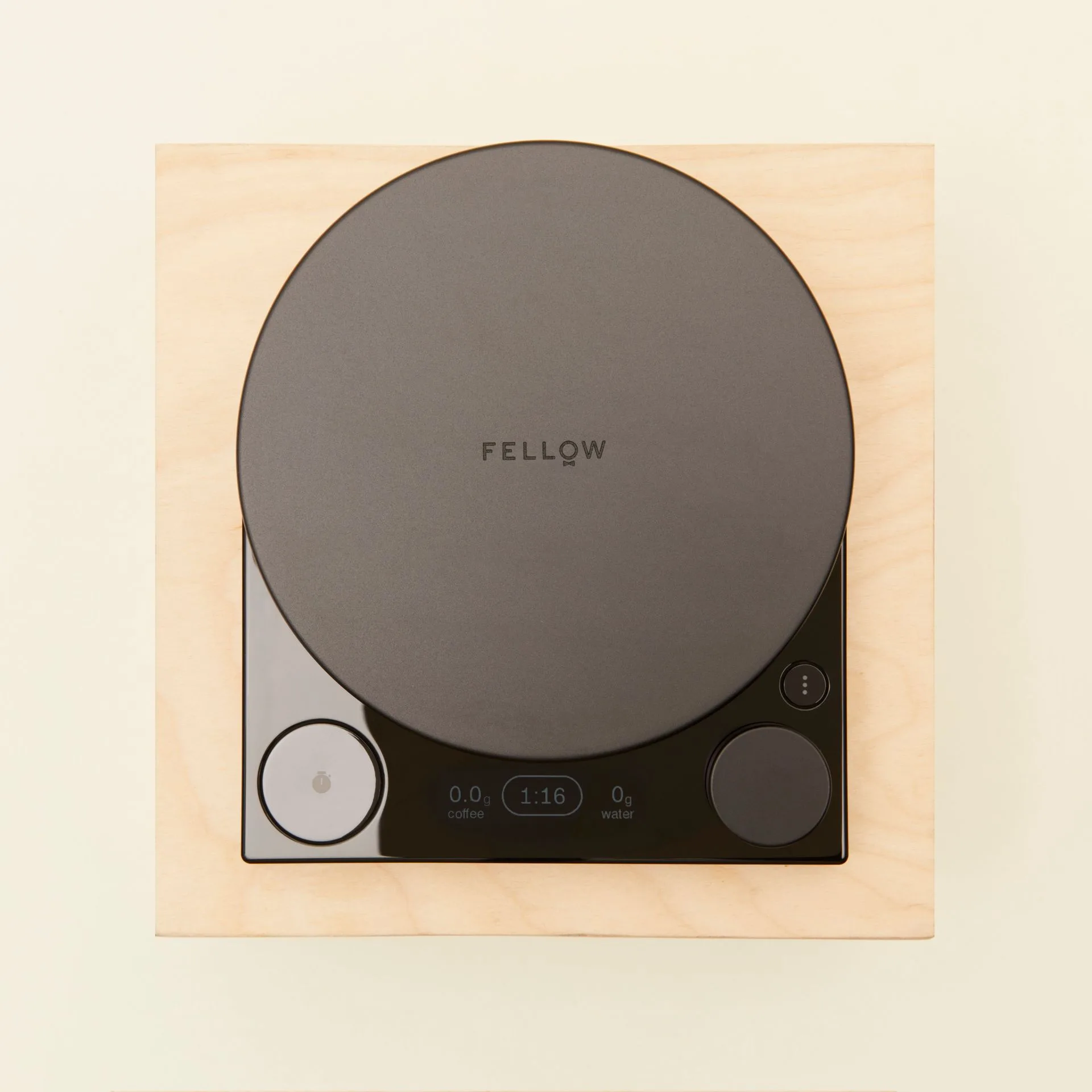
Fellow Tally Scale — Pro Studio
- Use an opaque, airtight container to block light and air.
- Grind only the amount you need for each brew session.
The Role of Brewing Equipment in Freshness
Your brewing method can also influence how fresh your coffee tastes. Some brewers are more forgiving of slightly older beans, while others highlight staleness. For example, pour-over methods like the Kalita Wave Coffee Dripper extract a clean, bright cup that can reveal subtle flavor notes — but they also show off any off-flavors from stale beans. Using freshly ground coffee with a consistent grind size is essential for even extraction.
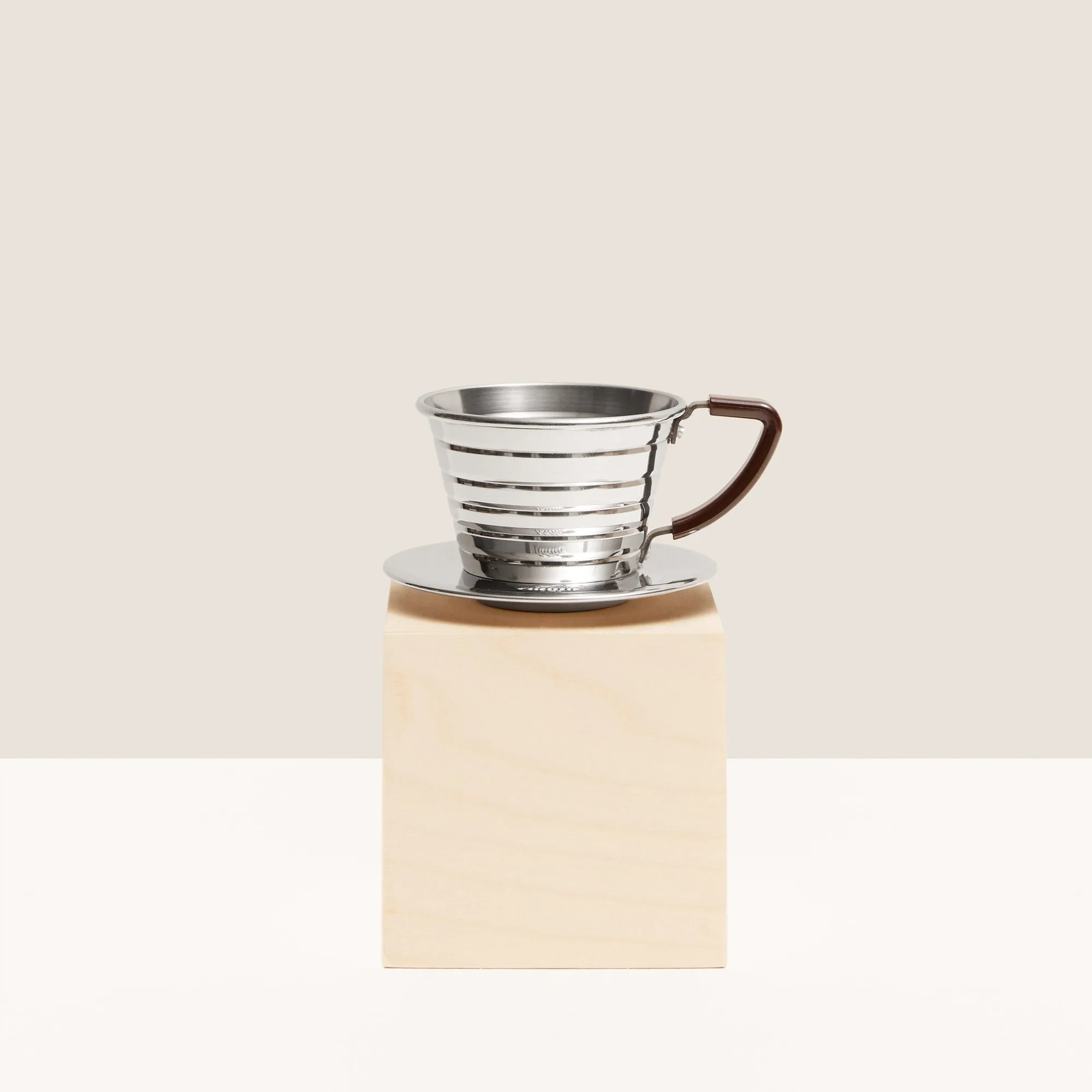
Kalita Wave Coffee Dripper
If you love the AeroPress, you might want to try the Fellow Prismo for AeroPress. This accessory creates a pressurized environment that can help compensate for slightly less fresh beans by producing a richer, more concentrated brew. However, the best approach is always to start with fresh coffee and store it correctly.
- Clean your grinder and brewer regularly to avoid old coffee oils affecting new brews.
- Experiment with grind size and water temperature to adjust for aging beans.
When to Say Goodbye: Recognizing Stale Coffee
Even with the best storage, coffee will eventually go stale. How can you tell? Stale coffee often smells flat or dusty, with none of the floral or fruity notes you’d expect. The taste becomes dull, with a papery or woody aftertaste. If your coffee lacks crema (for espresso) or has a muddy appearance in a pour-over, it’s a sign the beans have lost their vitality.
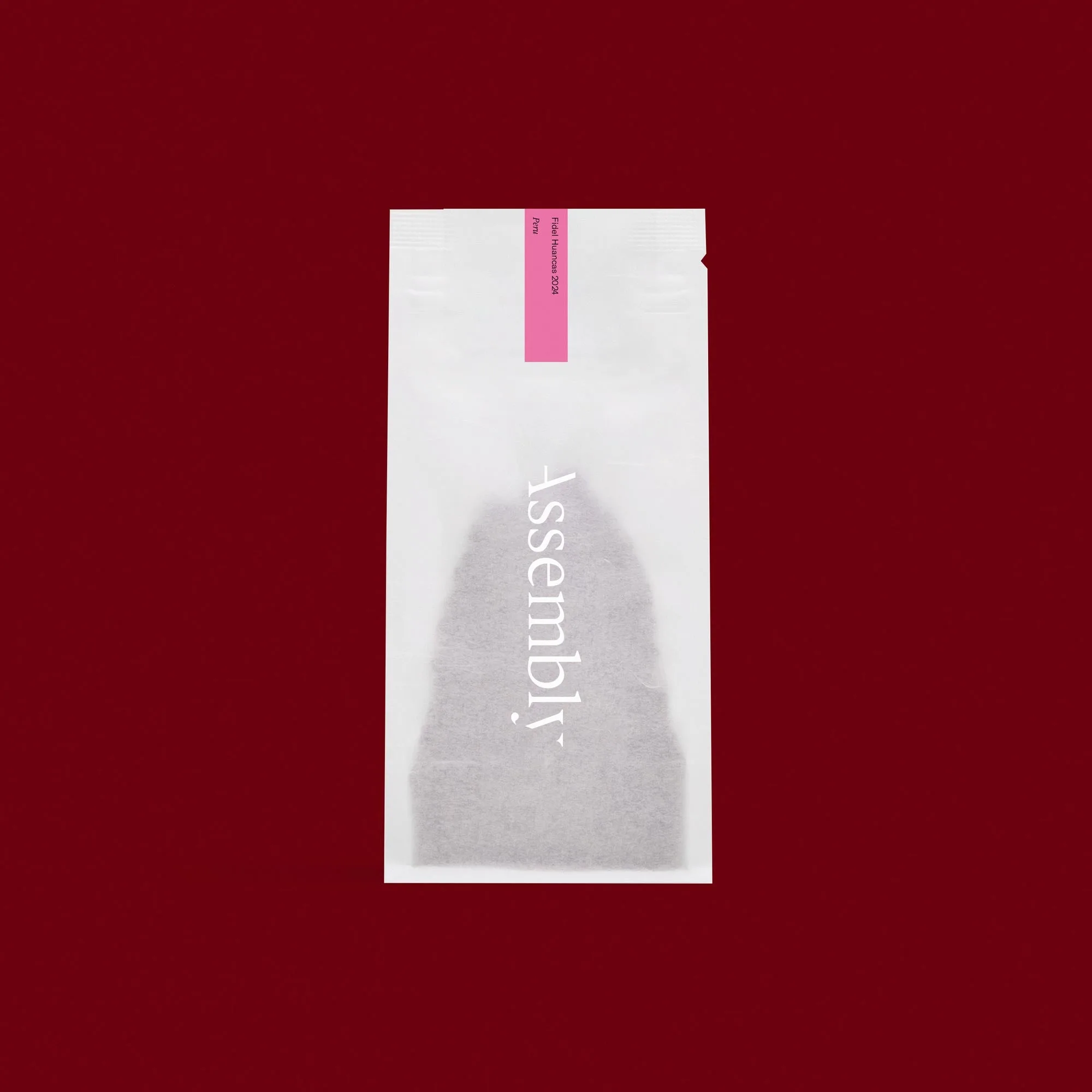
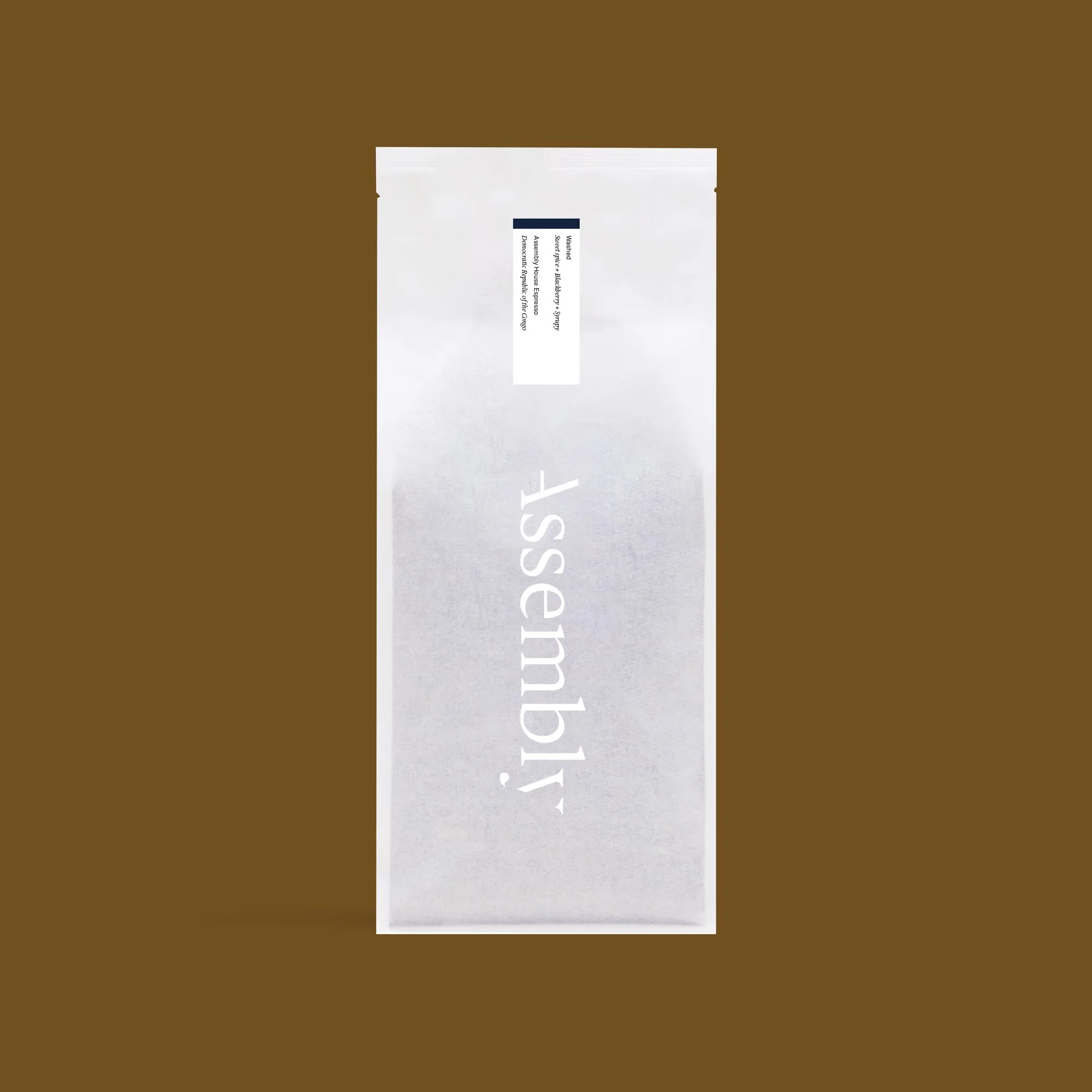
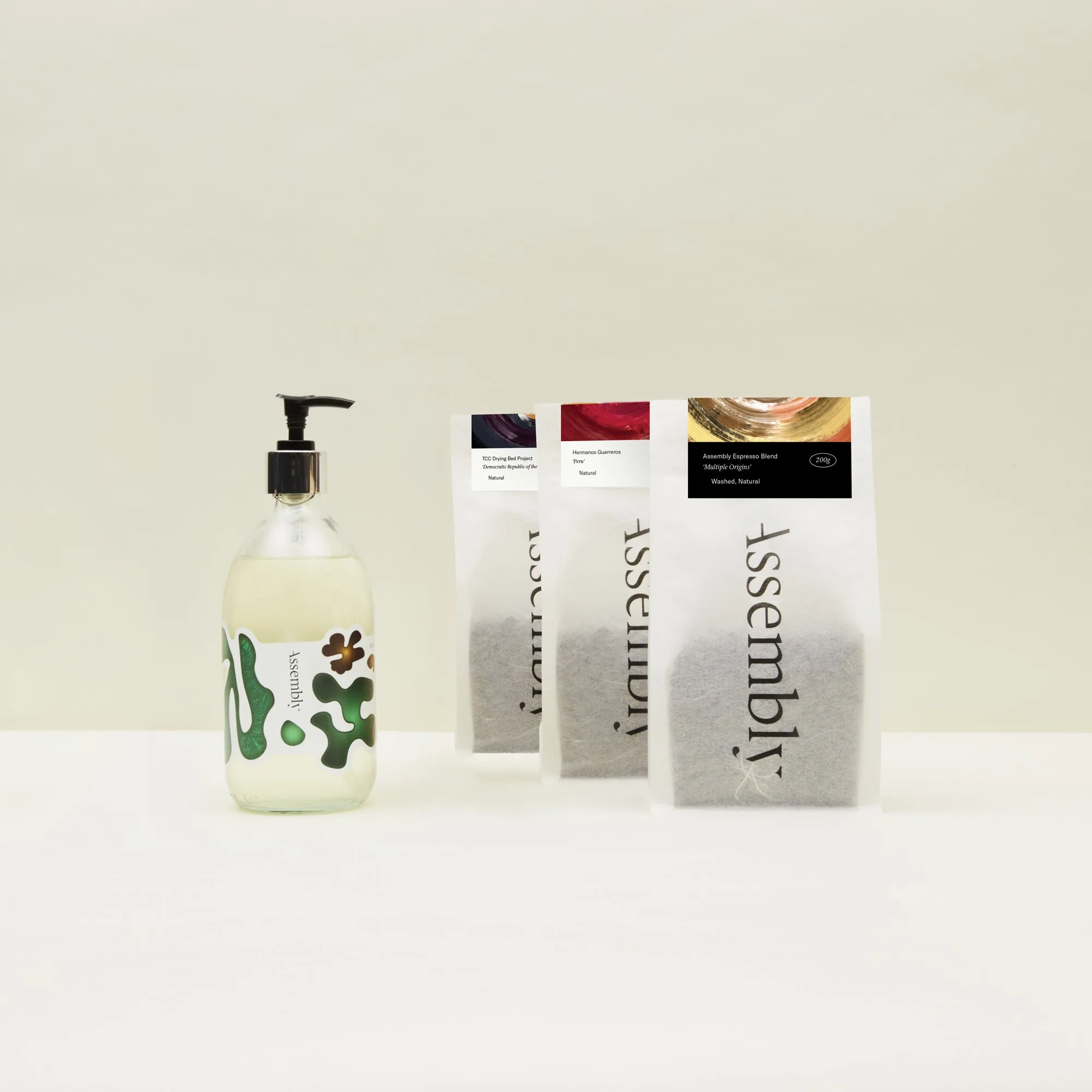
To extend your coffee’s shelf life, consider buying from roasters that prioritize freshness, like Assembly Coffee. Their subscription services deliver beans shortly after roasting, so you’re always brewing with peak flavor. And if you’re training to become a better barista, courses like the SCA Brewing Skills — Professional can teach you how to dial in your technique for any bean, fresh or not.
- Smell your beans before brewing — if they don’t smell like coffee, they’re past their prime.
- Use filtered water to avoid introducing off-flavors from tap water.
Keeping your coffee beans fresh doesn’t require a science lab — just a few simple habits. Buy whole beans, store them in an airtight container away from light and heat, and grind right before brewing. For a convenient way to always have fresh coffee on hand, explore the Assembly House Selection, a curated blend of seasonal single-origin coffees delivered straight to your door.