Quick answer
Bitter coffee is usually a sign of over-extraction, meaning too much flavor was pulled from the grounds. Fix it by grinding coarser, using slightly cooler water, or shortening your brew time—start with one change at a time and taste as you go.
Few things are more disappointing than brewing a cup that tastes harsh and bitter. The good news: bitterness is almost always a fixable brewing mistake, not a problem with your beans. By understanding the basics of extraction, you can diagnose the issue and adjust your method for a balanced, enjoyable cup.
In this guide, we'll walk through the most common causes of bitter coffee—grind size, water temperature, brew time, and more—and give you practical fixes for each. You'll also learn when it's worth investing in better equipment or trying a different coffee.
Grind Size: The Most Common Culprit
If your coffee tastes bitter, the first thing to check is your grind size. When coffee is ground too finely, water struggles to flow through, leading to over-extraction and a harsh, bitter taste. This is especially common with pour-over and drip methods, where the grind should be medium, like sea salt.
On the other hand, if your grind is too coarse, you may get weak, sour coffee. The key is to find the sweet spot for your brewing method. Start by adjusting one step coarser and see if the bitterness subsides. If you're using a blade grinder, consider upgrading to a burr grinder for more consistent particle sizes.
- For pour-over (like a V60 or Chemex), aim for a medium grind, similar to sea salt.
- For French press, use a coarse grind, like breadcrumbs.
- For espresso, a fine grind is needed, but if it's too fine, it will over-extract and taste bitter.
Water Temperature: Too Hot Can Scorch
Water temperature plays a huge role in extraction. If your water is too hot—above 205°F (96°C)—it can over-extract the coffee, pulling out bitter compounds. The ideal range for most brewing methods is between 195°F and 205°F (90-96°C).
If you don't have a temperature-controlled kettle, let boiling water sit for about 30 seconds before pouring. Alternatively, invest in a gooseneck kettle with variable temperature control, like the Fellow Stagg EKG, to dial in the perfect temperature every time.
- If your coffee tastes bitter, try using slightly cooler water (around 200°F).
- A thermometer or temperature-controlled kettle takes the guesswork out.
Brew Time: Don't Let It Steep Too Long
The longer coffee sits in contact with water, the more it extracts. If you brew for too long, you'll over-extract and get bitterness. For pour-over, aim for a total brew time of 2.5 to 3 minutes. For French press, 4 minutes is a good starting point, but you can adjust to taste.
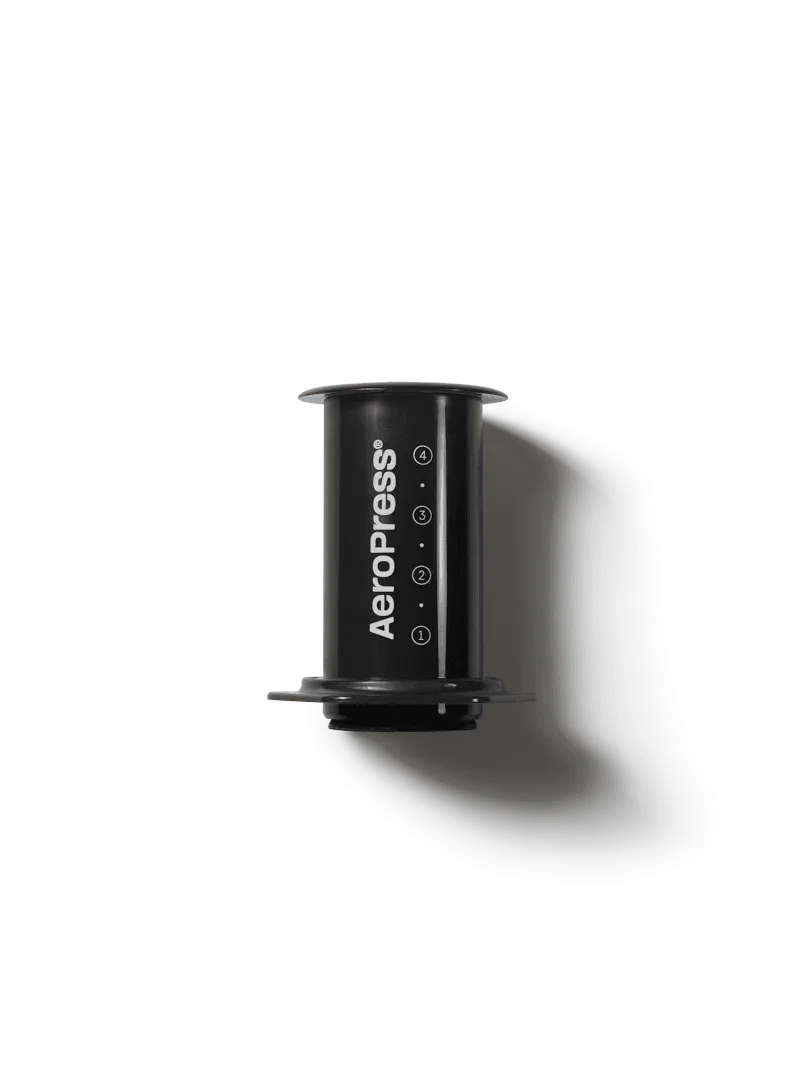
If you're using an AeroPress, the recommended brew time is around 1 to 2 minutes. If you find your coffee bitter, try shortening your brew time by 15-30 seconds and see if it improves.
- Set a timer to avoid over-extraction.
- If you're using a French press, press the plunger slowly to avoid disturbing the grounds.
Coffee-to-Water Ratio: Getting the Balance Right
Using too much coffee relative to water can also lead to bitterness. A general starting point is a 1:16 ratio—1 gram of coffee to 16 grams of water. If you're using too much coffee, the brew will be overly strong and bitter.
Try adjusting your ratio. If you're using 20 grams of coffee, use 320 grams of water. If you're not sure, use a scale to measure both coffee and water for consistency.
- A kitchen scale is a worthwhile investment for consistent brewing.
- Start with a 1:16 ratio and adjust to taste.
When It's Not Your Brewing: Coffee Quality and Freshness
Sometimes the bitterness isn't your fault—it's the coffee itself. Over-roasted beans or beans that are past their peak can taste bitter. If you've adjusted your brewing and still get bitterness, try a different coffee. Look for beans roasted for a balanced profile, like a medium roast, and check the roast date for freshness.
At WatchHouse, we roast our own coffee to highlight sweetness and balance. For example, our 1829 Espresso is specifically designed for milk-based drinks, but it also brews smoothly as a filter coffee. If you're sensitive to bitterness, you might prefer a coffee with notes of chocolate and caramel rather than bright, acidic ones.
- Check the roast date on your coffee bag—aim for within 2-4 weeks.
- If you're using a dark roast, it may naturally have more bitterness.
Diagnose Your Bitter Coffee
- Symptom: Sharp, harsh bitterness: If your coffee tastes sharp and harsh, it's likely over-extracted. Check your grind size, water temperature, and brew time. Start by grinding coarser and see if the bitterness reduces.
- Symptom: Bitter and also weak: If your coffee is both bitter and weak, you may be using too little coffee or the grind is too fine, causing channeling. Adjust your ratio and grind. Try increasing the coffee dose and coarsening the grind slightly.
- Symptom: Bitter with a burnt aftertaste: This could indicate your water is too hot or your beans are over-roasted. Lower your water temperature or try a lighter roast. If you're using a dark roast, try a medium roast for a smoother cup.
Tools That Help You Brew Better
- Fellow Stagg EKG Electric Kettle.: With variable temperature control, 1200 watts for a quick heat time and a number of precise features for ultimate control, this is the pour-over kettle perfected. Features: Precise gooseneck spout for optimal pour-over flow rate To-the-degree temperature control LCD display. If you suspect water temperature is causing bitterness, this kettle lets you set the exact temperature, eliminating guesswork.
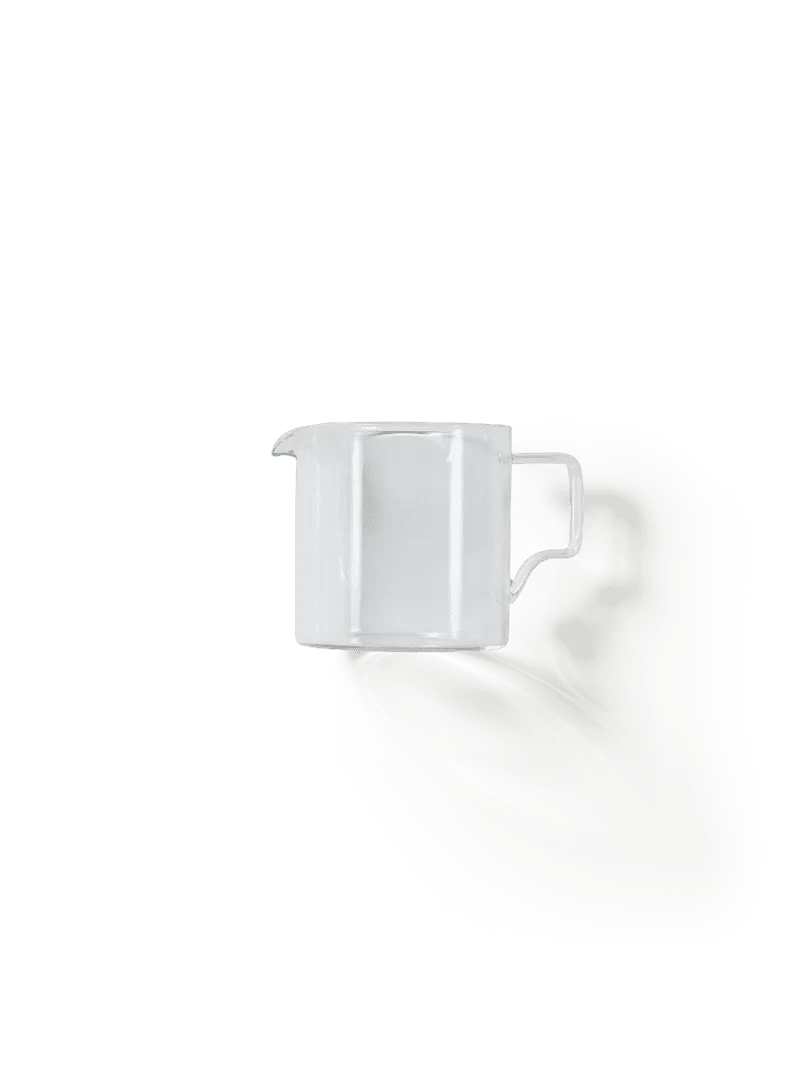
- Kinto Coffee Server.: Streamlined, functional and decidedly elegant. Featuring a sleek profile and geometric handle, this 300ml coffee server is a stylish way to serve your favourite brew. It's compatible with most stand-alone drippers, making it a great gift option for coffee connoisseurs. A dedicated server helps you control your brew time and pour, which can prevent over-extraction and bitterness.
Bitter coffee is a common problem, but it's usually easy to fix. Start by adjusting your grind size, water temperature, and brew time, one at a time, until you find the balance you enjoy. If you've tried everything and still get bitterness, consider trying a different coffee or upgrading your equipment. With a little practice, you'll be brewing smooth, delicious cups every time.