Quick answer
Color-treated hair fades because the dye molecules sitting in the outer layers of each strand are washed, rubbed, or baked out faster than they can be replaced. The biggest controllable causes are frequent washing with strong surfactants, hot water, unprotected heat styling, and UV exposure. Switch to a sulfate-free color care routine, wash less often in cooler water, and protect hair from heat and sun before the fade becomes obvious.
What actually strips color from the strand
Hair color sits in the cuticle and outer cortex, not deep in the core. Anything that lifts or roughens the cuticle — hot water, high-pH cleansers, rough towel drying, brushing wet hair — gives those dye molecules an easier exit. Sulfates are efficient at removing oil, but they can also swell the cuticle and carry some color out with the rinse water, which is why sulfate-free color care is a common recommendation for anyone trying to prevent hair color fading.
Heat is the second major driver. Flat irons, curling wands, and even a hot blow-dryer can push color molecules out of the strand and leave the surface looking flatter and duller. UV light does similar damage over time, breaking down both the dye and the protein structure around it.
How to tell which cause is hitting your hair
Fading that shows up mostly at the mid-lengths and ends usually points to mechanical and heat damage — brushing, styling, and repeated friction. Fading that appears evenly from root to tip, or that speeds up right after a wash, usually points to your cleanser and water temperature. If the color looks duller after a sunny weekend or a long commute, UV exposure is likely contributing.
This matters because the fix is different for each. A heat-protection habit will not rescue color that is being stripped by a harsh shampoo, and a gentler shampoo will not restore shine lost to a 450°F flat iron.
A color care routine that actually slows fading
Wash less often — every two to three days if your scalp allows it — and use lukewarm water. Apply shampoo mainly to the scalp and let the runoff clean the ends. Choose a sulfate-free or gentle-surfactant cleanser, and follow with a conditioner that adds moisture without weighing hair down, because hydrated hair holds color better than dry, porous hair.
Before any heat styling, apply a heat protectant and keep tools on the lowest effective setting. When you are in strong sun, wear a hat or use a UV-protective leave-in. Rinse hair with cool water at the end of a shower to help smooth the cuticle. If you swim, wet hair with fresh water and apply a light conditioner before entering a chlorinated pool, then rinse immediately after.
When fading is not a routine problem
Some fading is unavoidable. Reds, coppers, and vivid fashion shades have larger dye molecules that leave the strand faster than dark browns or blacks, so they may need a refresh every four to six weeks no matter how careful you are. If your color fades dramatically within the first week after a salon visit, the issue may be application, processing time, or the lightening step rather than your home care. In that case, talk to your colorist before buying more products — no shampoo can fix a color service that did not fully develop.
Diagnose your fade pattern
- Symptom: color fades evenly and quickly after each wash: Likely cause: your shampoo or water temperature is stripping dye. Switch to a sulfate-free color care shampoo, lower the water temperature, and wash every other day or less. If fading slows within two weeks, your cleanser was the main trigger.
- Symptom: mid-lengths and ends look dull while roots stay rich: Likely cause: heat styling and mechanical friction. Add a heat protectant, lower tool temperatures, and stop brushing wet hair aggressively. If ends still fade after four weeks of gentler styling, book a trim to remove the most damaged sections.
- Symptom: color looks washed out after sun or swimming: Likely cause: UV exposure or chlorine. Wear a hat in strong sun, use a UV-protective leave-in, and wet hair with fresh water before swimming. If you swim regularly, a weekly masque can help replace lost moisture and keep the cuticle smooth.
- Symptom: dramatic fading within the first week after salon color: Likely cause: application or processing issue, not home care. Contact your colorist before changing your entire product routine. Stop buying new products until a professional assesses the color service itself.
Products that fit a color care routine
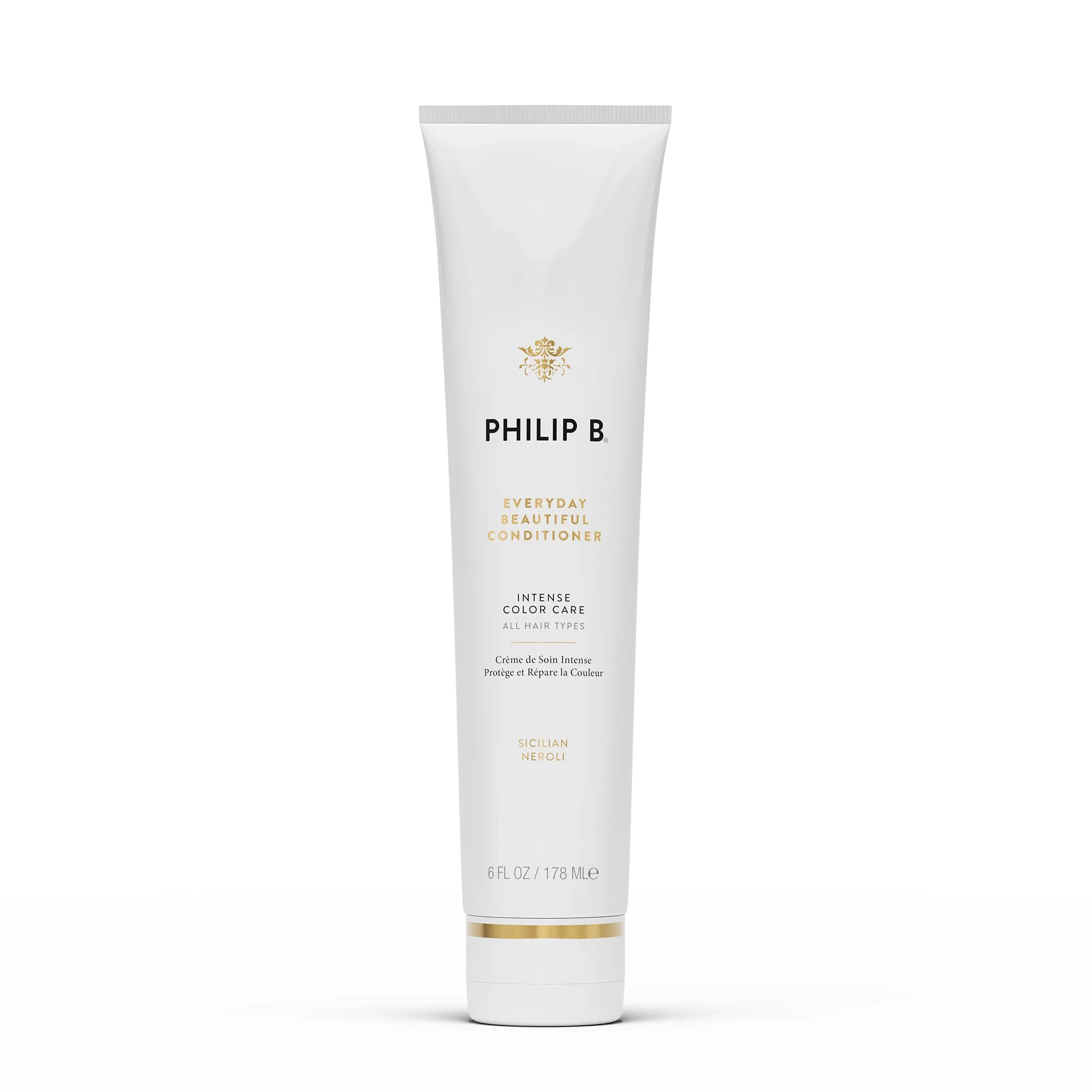
- Everyday Beautiful Conditioner: Everyday Beautiful Conditioner is a rich conditioning complex with weightless, time-released moisture and an amino acid complex that minimizes frizz, plus floral and citrus extracts including Bergamot, Lemon, and Lavender. Hydrated, frizz-controlled hair reflects light better, so color looks brighter and holds longer between washes. Use it after every wash, focusing on mid-lengths and ends.
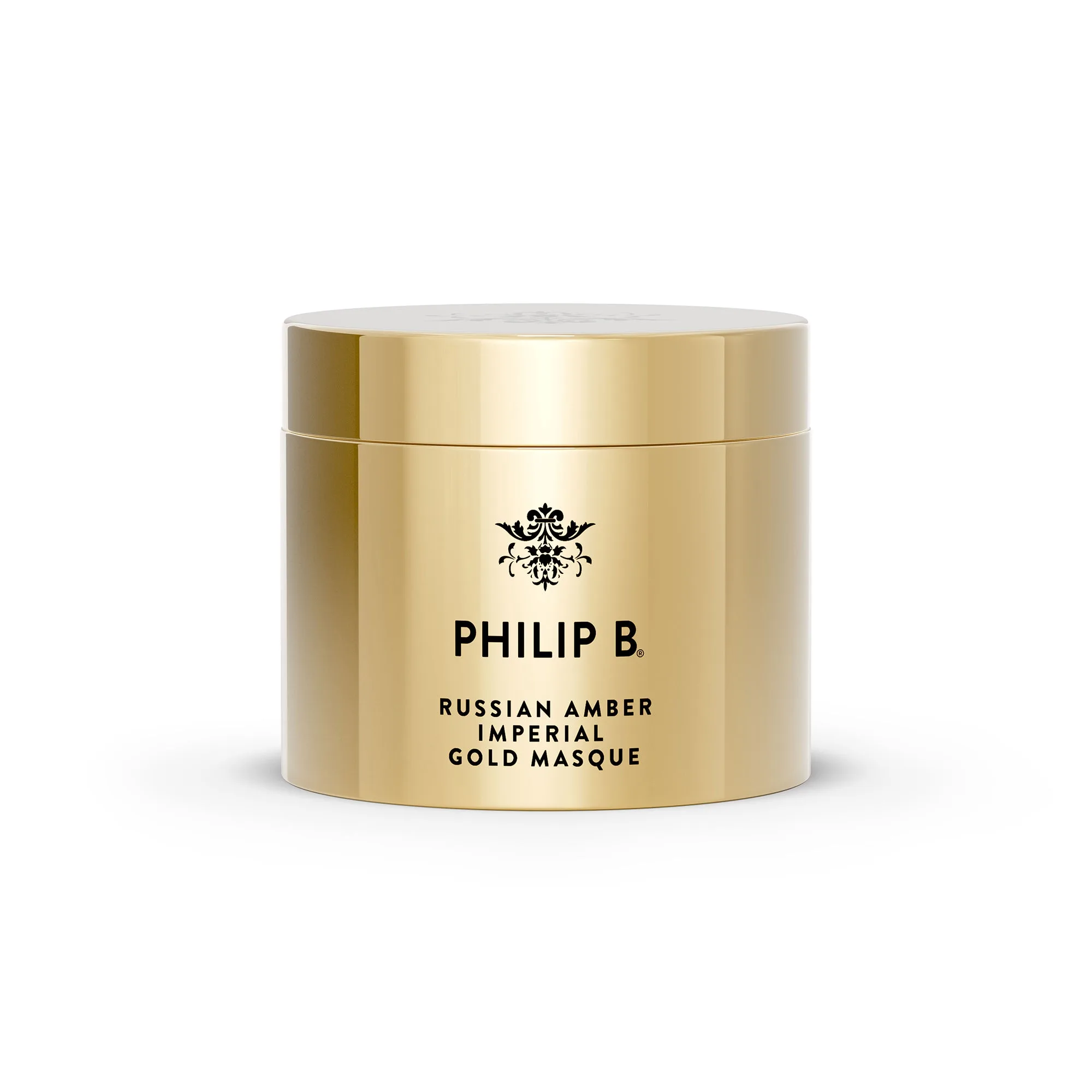
- Russian Amber Imperial Gold Masque: Russian Amber Imperial Gold Masque is formulated with a proprietary blend of botanical ingredients including Peptides, Oleosomes, and Amino Acids, and is especially ideal for dry, brittle strands damaged by color treatments or heat styling. If your color-treated hair already feels rough or straw-like, a weekly masque can improve the look and texture of damaged strands, which helps prevent further color loss from rough cuticles.
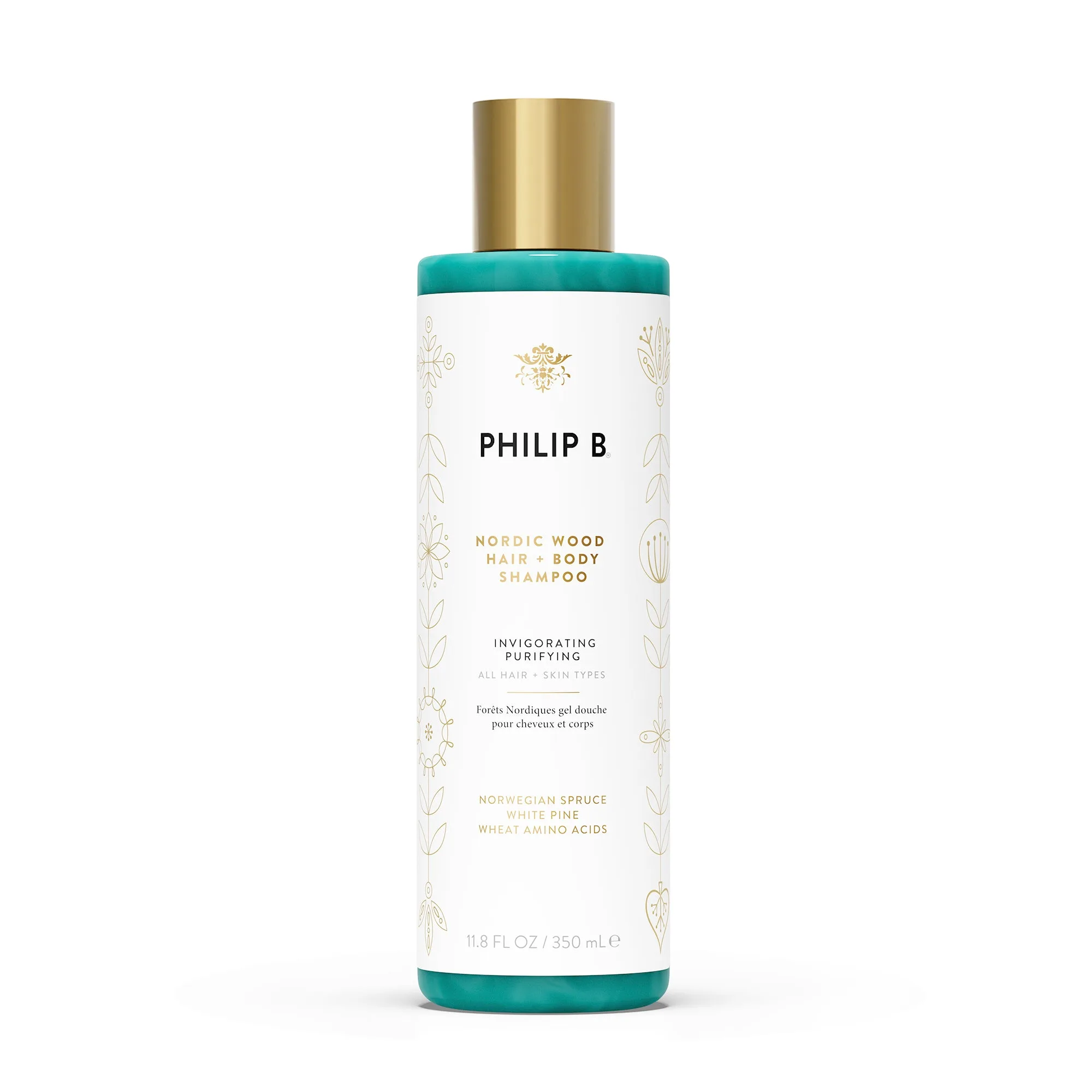
- Nordic Wood Hair + Body Shampoo: Nordic Wood Hair + Body Shampoo is a head-to-toe cleanser that supports fuller, healthier-looking hair while leaving skin feeling cool and invigorated. A single gentle cleanser for hair and body simplifies your shower routine, which makes it easier to wash less often and avoid over-stripping color-treated hair.