Quick answer
Most cosplay wig shedding and tangling comes from friction, heat, or rough brushing, not from a defective wig. Detangle from the ends upward with a wide-tooth comb, keep heat tools on low, and store the wig on a stand or in a satin bag. If fibers still shed in clumps after those fixes, the wig is likely worn out and should be replaced.
Shedding vs. tangling: they are different problems
Shedding is fiber loss at the cap, where strands pull out of the wefts. Tangling is fiber friction, where strands wrap around each other and mat. A wig can do one without the other, and the fix is different for each. Shedding usually points to brushing force or a worn cap; tangling usually points to dryness, heat damage, or friction against collars and shoulders.
The three causes behind most shedding
First, brushing from the roots down forces knots tighter and pulls fibers out of the cap. Second, heat above the fiber's tolerance melts and weakens strands at the base, so they snap. Third, a stretched or aged cap loses its grip on the wefts, and fibers release even with gentle handling. Check where the loose strands come from: if they come out with a small bulb of fiber, the cap is the issue; if they are short broken pieces, heat or friction is the issue.
Why synthetic wigs tangle and frizz
Synthetic fiber has no natural oils, so it dries out and develops friction against itself. Friction is worst at the nape and behind the shoulders, where the wig rubs against fabric. Frizz is the visible result of that friction plus heat: once fibers are heat-damaged, they will not return to a smooth state. A tangled cosplay wig solution starts with removing the friction source, not adding more product.
Fixes you can do tonight
Work in small sections and comb from the ends toward the cap. Use a wide-tooth comb or a wig brush with coated tips, never a fine-tooth comb on dry synthetic fiber. For light frizz, a very low heat setting on a styling tool can smooth the surface, but keep it low and keep it moving. If the wig is heavily matted, a diluted fabric softener soak followed by a cool rinse can help, but test on a hidden strand first.
Prevention that actually works
Store the wig on a stand or in a satin-lined bag to stop friction between wears. Keep it away from hot car interiors and direct sunlight. When styling, use hair wax or a light serum instead of heavy oils that attract dust. If you wear a collar or armor, pin the wig up or tuck the ends so they do not rub. For character wigs with buns or braids, detangle before restyling rather than after.
Diagnosis: match the symptom to the fix
- Short broken fibers on your brush: Heat or friction has weakened the strands. Lower your styling temperature, add a heat-protectant step, and stop brushing while the wig is hot. If breakage continues after two wears with lower heat, the damaged section will not recover.
- Long strands with a small bulb at the end: Fibers are pulling out of the cap. Check for a stretched cap or heavy styling that pulls at the roots, and switch to gentle sectioned combing. If the cap itself is loose or stretched, replacement is the practical fix.
- Matted, dry tangles at the nape: Friction against clothing and dryness are the cause. Detangle from the ends, reduce rubbing with pins or tucks, and store the wig on a stand. If the matting returns within one wear, the fiber is too dry to recover and a new wig is the better use of your time.
Product notes that matter for care
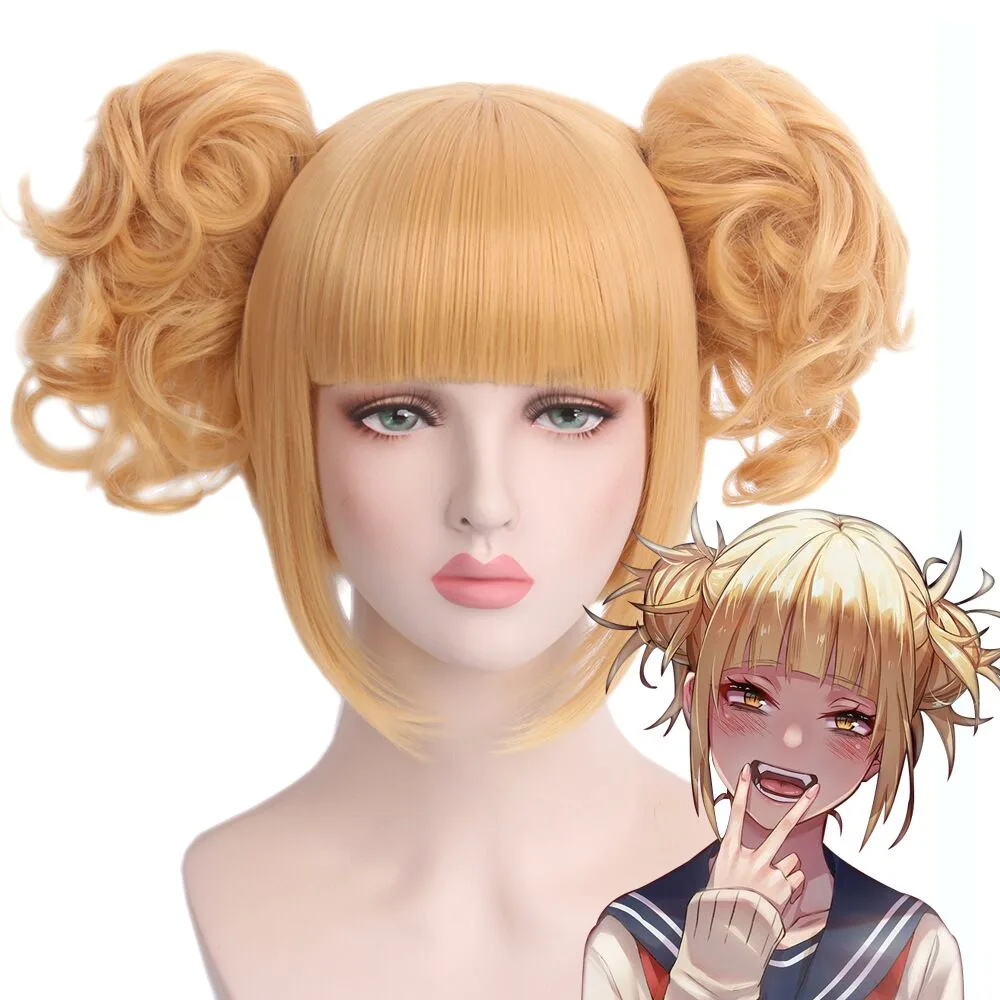
- Himiko Toga Cosplay Wig Anime Double Buns Light Blonde Wavy Synthetic Short Hair For Lonita Party Blonde Costume for Halloween Christmas Party: Catalog facts state the Himiko Toga wig is a synthetic fiber wig that can be styled with hair wax and should never be dyed. Wax gives you hold without the heat damage that causes frizz, and skipping dye avoids the chemical damage that makes synthetic fibers shed faster.
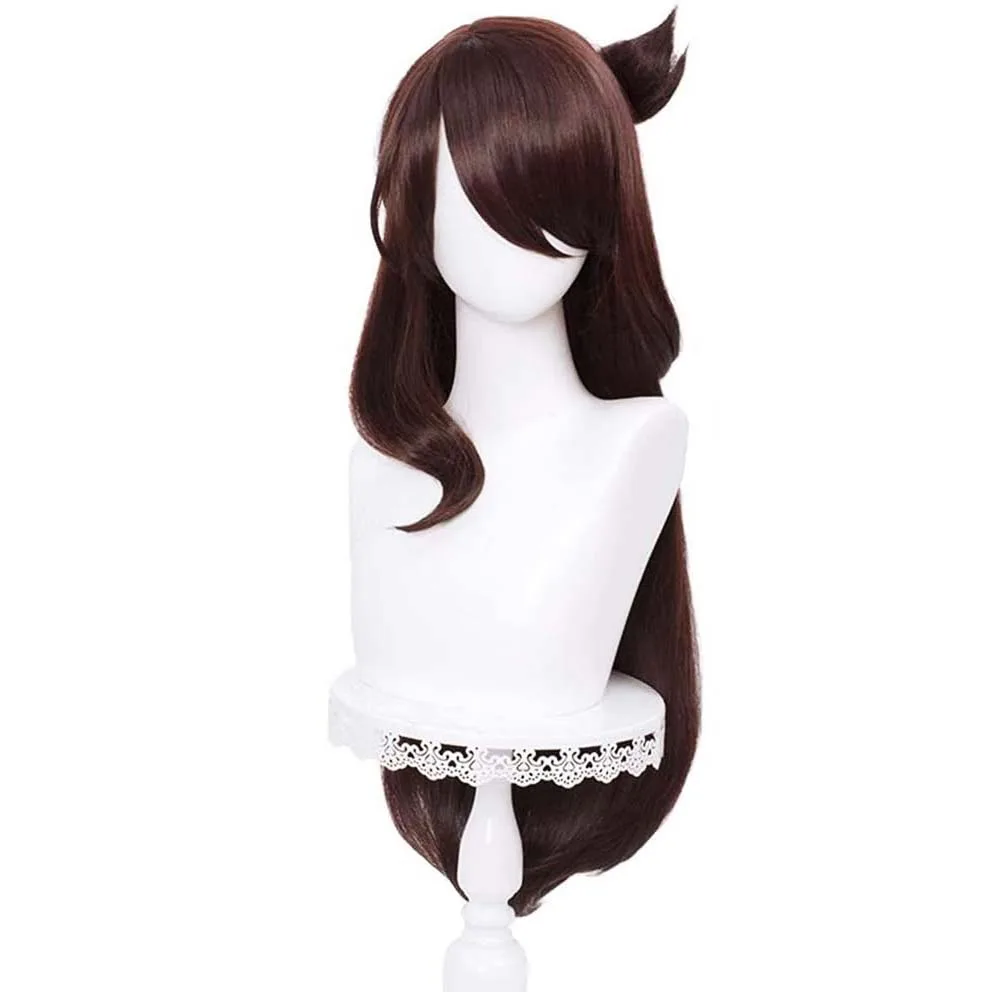
- Unleash Your Inner Captain with the Beidou Wig - Genshin Impact Cosplay: Catalog facts describe the Beidou wig as a Genshin Impact cosplay wig from Morojowig. Character wigs with volume and length tangle most at the ends, so comb this one from the bottom up before every wear.
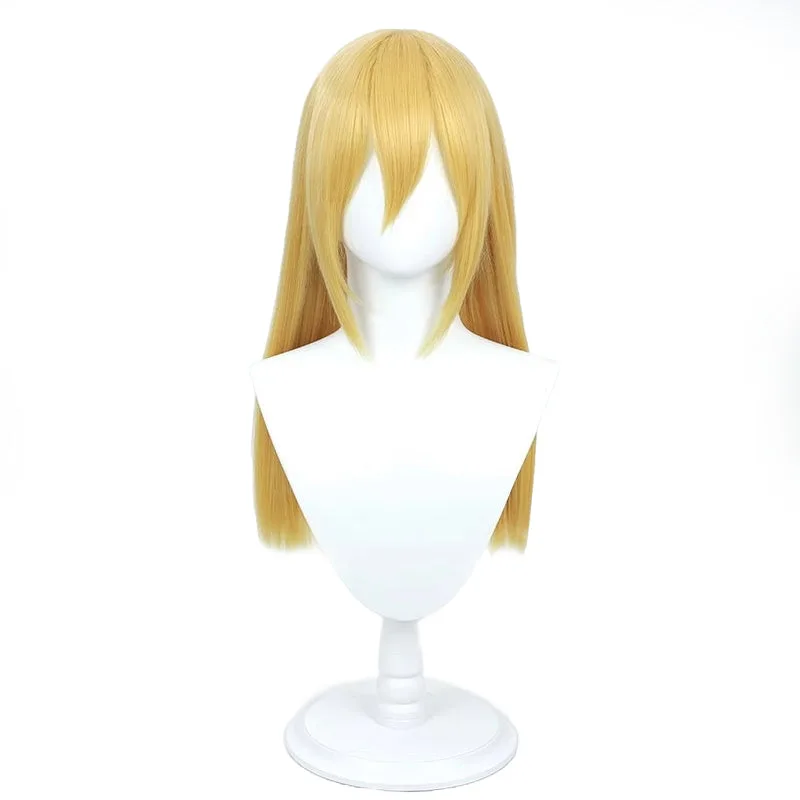
- Regal Journey: Morojowig's Historia Reiss Wig for Authentic Cosplay: Catalog facts describe the Historia Reiss wig as a Morojowig cosplay wig. If you restyle this wig often, detangle it fully before each restyle to avoid pulling fibers out of the cap.