Quick answer
Custom fit IEMs cost more because each pair is made for one listener. You pay for ear impressions, a hand-built shell, and a 6-8 week build window, not just drivers. If you want the same tuning without that process, a universal or wireless model costs less and ships immediately.
Myth: You are mostly paying for better sound
Custom and universal versions of the same monitor can share tuning and drivers, so the price gap is not proof of better audio. The gap comes from how the product is made. A custom shell exists only after your ear impressions arrive, and that single-use build is the cost. Treat the premium as a fit and service fee, not a sound upgrade.
Myth: Custom pricing is mostly brand markup
A custom order cannot be mass produced, stocked, or resold if it does not fit. That changes the economics. Build time for a custom acrylic model runs 6-8 weeks after impressions are received, and design choices can add charges. Those are labor and scheduling costs, not a logo tax.
Myth: If you are unsure, custom is always the safer buy
Custom is the safer buy only if you already know the tuning you want and can commit to the process. If you are still comparing signatures, a universal model lets you change your mind without restarting a build. The honest tradeoff is simple: custom buys fit and isolation, universal buys flexibility and speed.
How to judge custom iem value for your own use
Value depends on how often you listen and how much fit problems cost you. If universal tips slip, break seal, or need constant adjustment, a custom shell removes that daily friction. If you listen casually or swap gear often, the same money buys more variety elsewhere. Decide from your habits, not from the price tag alone.
- Choose custom if fit and isolation are your main complaint.
- Choose universal if you want to compare tunings before committing.
- Choose wireless if convenience matters more than a sealed custom fit.
- Budget for the full process, including impressions and any design extras.
Verdicts on common custom IEM cost claims
- Custom costs more because the sound is better: Custom and universal models can share the same tuning, so sound quality alone does not explain the gap. The added cost is the one-off shell and the build process. Verdict: false. You are paying for fit and service.
- Custom pricing is mostly brand markup: A custom order cannot be stocked or resold, and build time runs 6-8 weeks after impressions arrive, with possible design charges. Verdict: false. The premium reflects labor and scheduling.
- Custom is worth it for everyone: Custom pays off when fit and isolation are your main problem. If you are still choosing a tuning or want to swap gear often, universal or wireless makes more sense. Verdict: depends on your habits, not the price.
What the catalog actually shows
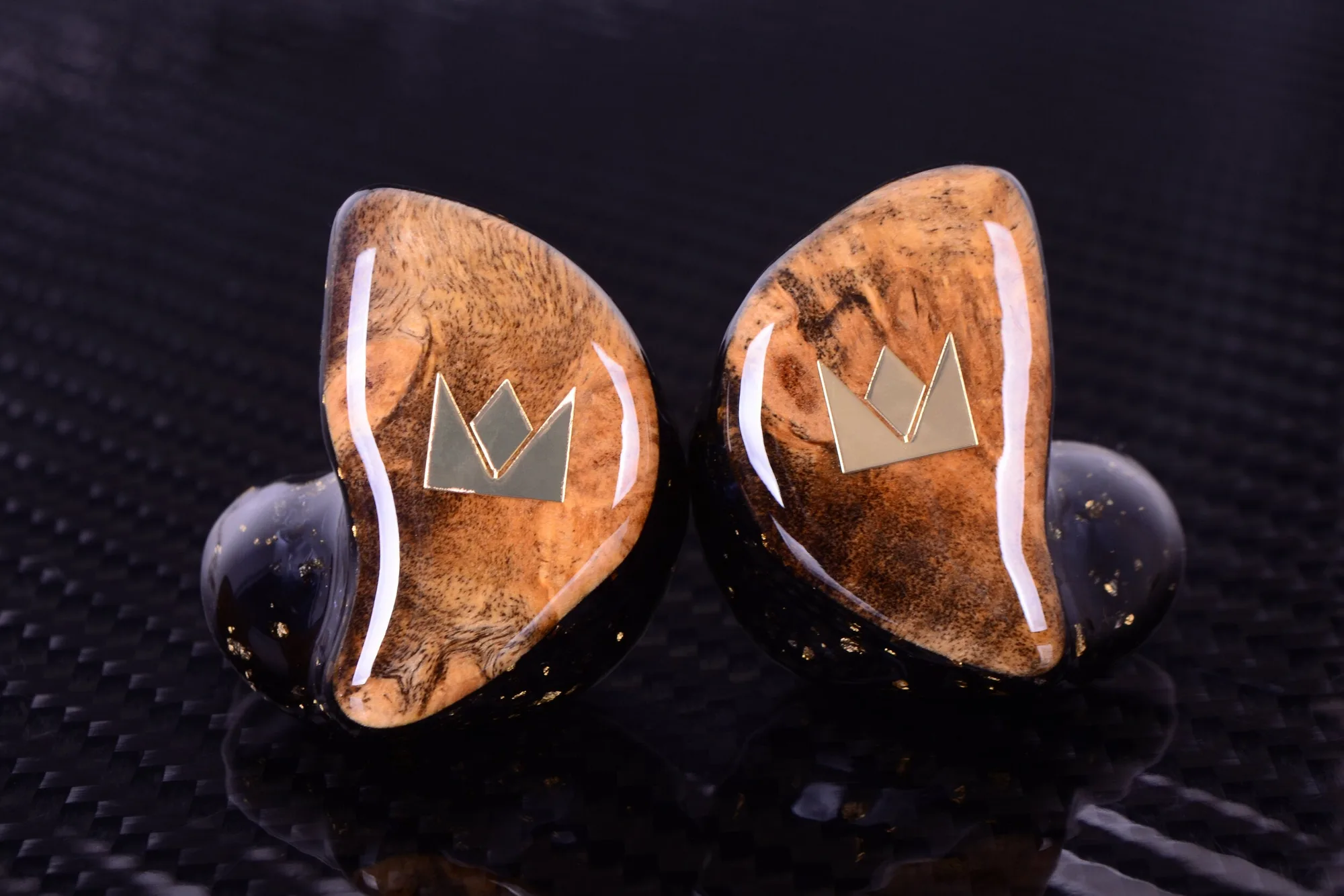
- Sultan Custom Fit (Acrylic): Noble's award winning Sultan in a custom fit acrylic shell, with a 6-8 week build time after receiving your impressions and possible additional charges depending on desired design. This is the clearest example of where custom money goes: a one-off shell, a scheduled build, and optional design work rather than off-the-shelf inventory.
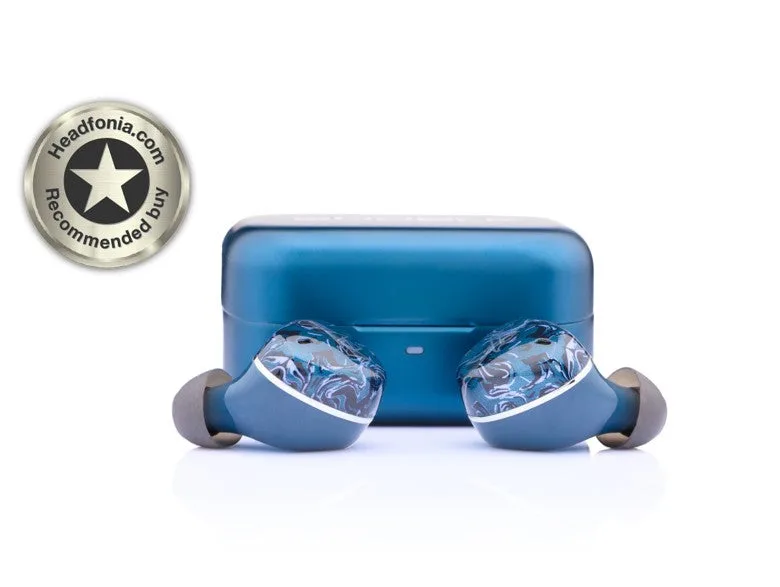
- Osprey: The Osprey is a true wireless hybrid dual-driver earphone with LDAC support, Active Noise Cancellation, and a premium aluminum charging case. It shows the other end of the price scale: no impressions, no build wait, and features aimed at everyday use instead of a sealed custom fit.