Hyperpigmentation—whether from acne scars, sun damage, or hormonal shifts—can feel stubborn and frustrating. Many people search for a dark spot serum that promises fast results, but not all formulas are created equal. The key to fading dark spots safely lies in understanding which ingredients actually target melanin production without irritating the skin.
In this article, we’ll break down the science behind effective hyperpigmentation treatment, highlight proven brightening ingredients, and show you how to incorporate a brightening serum into your routine without compromising your skin barrier. Whether you’re dealing with post-inflammatory hyperpigmentation or general uneven tone, these insights will help you choose the right product for lasting results.
How Hyperpigmentation Forms and Why It Persists
Hyperpigmentation occurs when excess melanin is produced and deposited in specific areas of the skin. This can be triggered by UV exposure, inflammation from breakouts, or hormonal fluctuations. The result is dark patches or spots that may take weeks or months to fade naturally.
The challenge with treating hyperpigmentation is that many harsh ingredients can actually worsen the problem by causing additional inflammation. That’s why safe, gentle yet effective formulas are essential. Ingredients like niacinamide, tranexamic acid (TXA), and vitamin C work at different stages of melanin production to interrupt the cycle without stripping or sensitizing the skin.
- Niacinamide inhibits melanosome transfer, preventing pigment from reaching the skin surface.
- Tranexamic acid reduces inflammation and blocks the signaling that triggers melanocyte activity.
- Vitamin C (ascorbic acid) neutralizes free radicals and inhibits the enzyme tyrosinase.
Key Ingredients in an Effective Dark Spot Serum
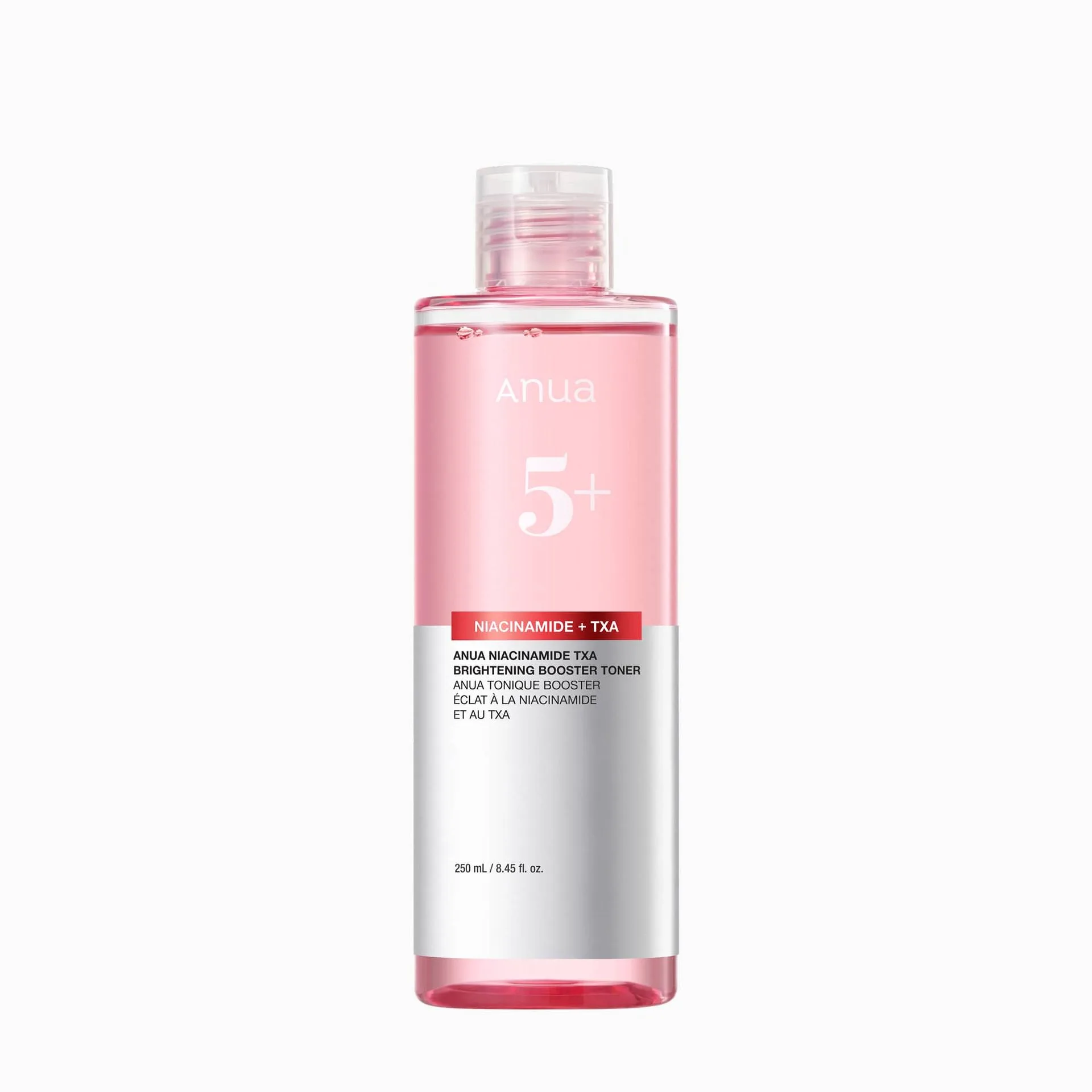
When selecting a brightening serum, look for a combination of ingredients that work synergistically. Niacinamide is a star player because it’s well-tolerated by most skin types and can be used both morning and night. It also strengthens the skin barrier, which is crucial when treating hyperpigmentation.
Tranexamic acid is another powerhouse for hyperpigmentation treatment, especially for stubborn dark spots caused by acne or injury. It’s gentle enough for sensitive skin and pairs beautifully with niacinamide. Products like the Niacinamide 5 TXA Brightening Pad combine both ingredients in a convenient pad format, making it easy to target spots without overcomplicating your routine.
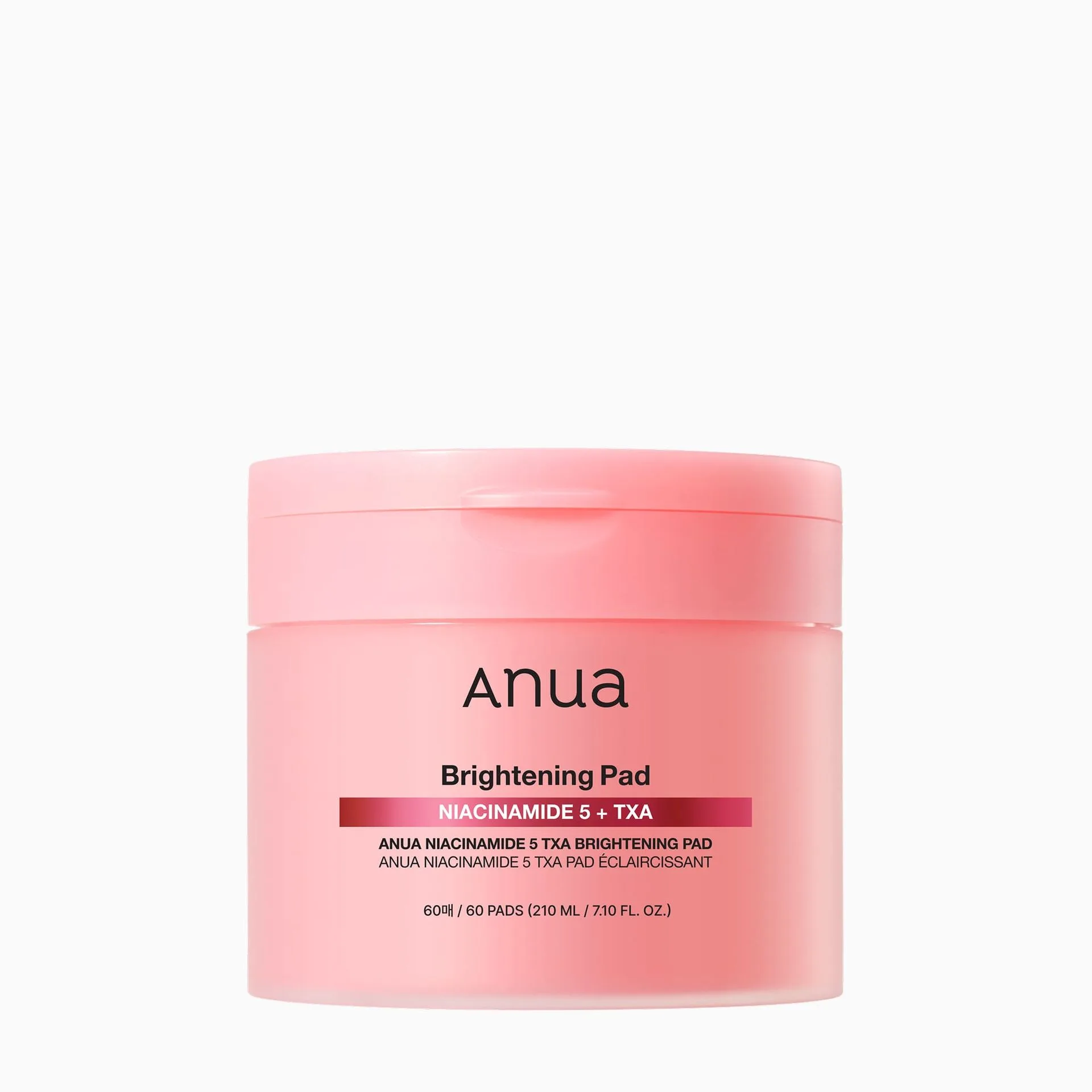
Niacinamide 5 TXA Brightening Pad
Other supportive ingredients include azelaic acid, licorice root extract, and vitamin C derivatives. These help brighten the overall complexion while reducing redness and inflammation. For best results, consistency and sun protection are non-negotiable.
- Use a dark spot serum with niacinamide and TXA for dual-action brightening.
- Always follow with sunscreen during the day to prevent further pigmentation.
- Start with lower concentrations to allow your skin to adjust.
Building a Safe Hyperpigmentation Routine
A complete hyperpigmentation treatment routine goes beyond just a serum. Start with a gentle cleanser to remove impurities without stripping the skin. Then apply your brightening serum to clean, damp skin to enhance absorption. Follow with a moisturizer that supports barrier repair, and finish with a broad-spectrum sunscreen.
For those with redness or sensitivity alongside dark spots, a targeted approach works best. The Redness Soothing Duo combines a calming toner and a soothing serum to reduce inflammation first, then you can layer a brightening product on top. This ensures your skin is calm and receptive to active ingredients.
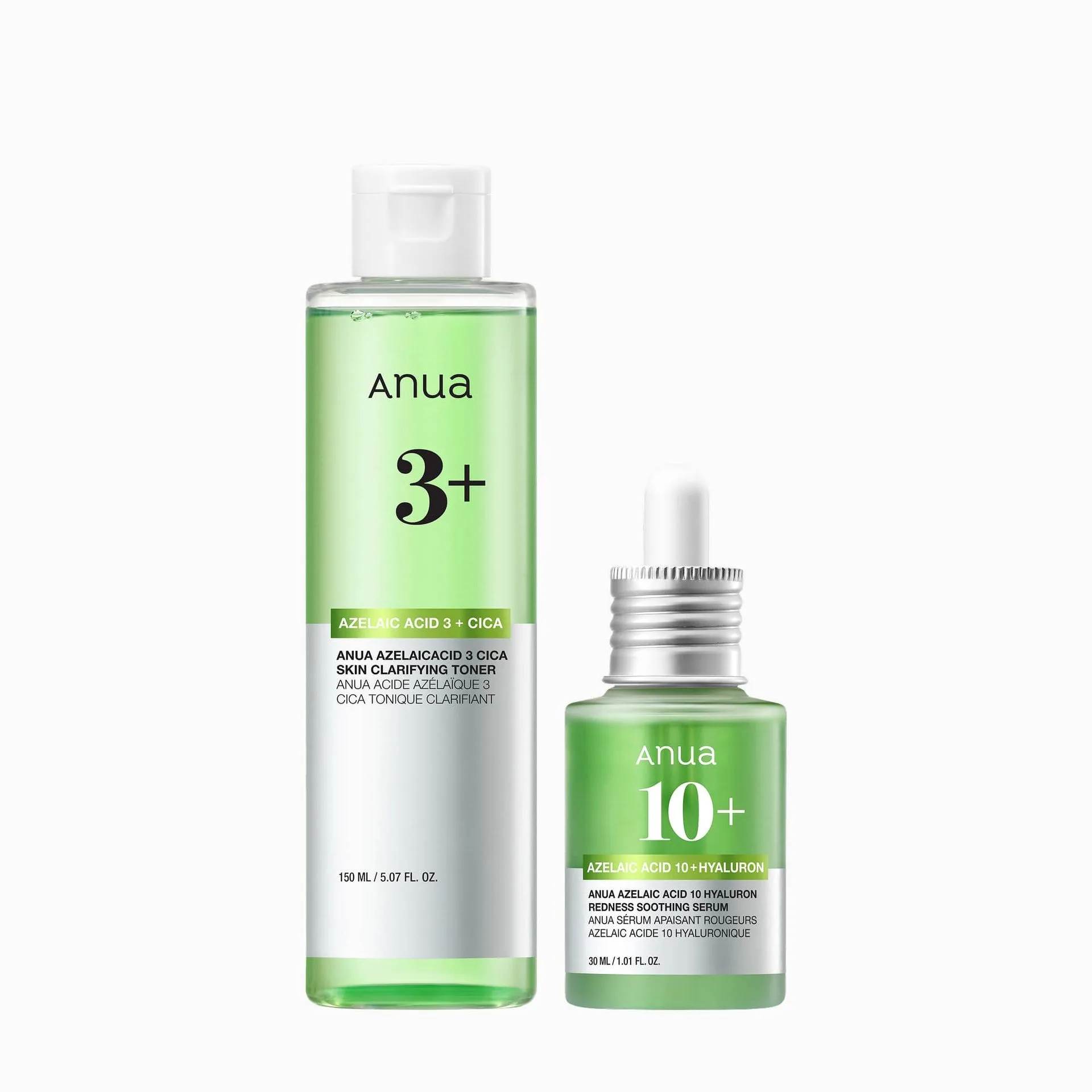
Redness Soothing Duo
Exfoliation can also help speed up cell turnover, but stick to gentle exfoliants like PHA or low-concentration lactic acid. Over-exfoliating can worsen pigmentation by damaging the barrier. A weekly sheet mask with brightening ingredients can provide an extra boost without irritation.
- Double cleanse in the evening to remove sunscreen and impurities.
- Apply brightening serum before moisturizer for deeper penetration.
- Use a physical sunscreen with zinc oxide for sensitive skin.
Common Mistakes When Using a Dark Spot Serum
One of the biggest mistakes is expecting overnight results. Hyperpigmentation treatment takes time—typically 4 to 12 weeks to see noticeable fading. Another error is using too many active ingredients at once, which can lead to irritation and actually worsen dark spots.
Skipping sunscreen is another critical misstep. Without daily sun protection, any progress made by your brightening serum will be undone by UV rays. Also, avoid using harsh scrubs or strong exfoliating acids on the same days as your serum to prevent overloading the skin.
Finally, remember that consistency matters more than intensity. Using a gentle brightening serum twice a day will yield better results than using a high-concentration product once a week. Patience and a steady routine are your best allies.
- Do not layer multiple exfoliating acids with your brightening serum.
- Always patch test new products, especially if you have sensitive skin.
- Give your routine at least 8 weeks before assessing results.
Choosing the right dark spot serum means prioritizing ingredients that are both effective and gentle. By understanding how niacinamide, TXA, and other brighteners work, you can safely fade hyperpigmentation without compromising your skin barrier. For a convenient, dual-action option that combines two powerhouse ingredients, explore the Niacinamide 5 TXA Brightening Pad and take the first step toward a more even, radiant complexion.