If you’re a coffee lover, you know that a perfect cup starts with a clean machine. Over time, minerals from water—especially calcium and magnesium—build up inside your coffee maker, forming a hard, chalky deposit known as scale. This buildup can clog internal components, slow down brewing, and worst of all, ruin the taste of your coffee. Descaling your coffee maker regularly is the key to restoring that rich, smooth flavor you crave.
In this guide, we’ll explain why descaling matters, how often you should do it, and the best products to use—including specialized coffee maker cleaners that make the job effortless. Whether you have a drip machine, espresso maker, or single-serve brewer, these tips will keep your coffee tasting fresh and your equipment running smoothly.
What Is Descaling and Why Is It Important?
Descaling is the process of removing mineral deposits that accumulate inside your coffee maker over time. Every time you brew, water heats up and leaves behind trace minerals. If left unchecked, these minerals form a hard scale that can reduce water flow, increase brewing time, and cause your machine to work harder, potentially leading to breakdowns.
Beyond mechanical issues, scale directly affects flavor. Mineral buildup can impart a bitter, metallic, or flat taste to your coffee. It also prevents proper extraction of coffee grounds, meaning you lose the nuanced flavors and aromas you paid for. Regular descaling ensures every cup is as delicious as the first.
- Improves brewing efficiency and water flow
- Prevents damage to heating elements and internal parts
- Restores coffee flavor by removing bitter mineral residues
- Extends the lifespan of your coffee maker
How Often Should You Descale Your Coffee Maker?
The frequency of descaling depends on your water hardness and how often you brew. As a general rule, most manufacturers recommend descaling every 3 to 6 months. If you have hard water, you may need to descale more frequently—every 1 to 2 months. Signs it’s time to descale include slower brewing, louder operation, or a noticeable change in coffee taste.
Some modern coffee makers have a built-in descaling indicator light that alerts you when it’s time. But even without that feature, it’s easy to stay on schedule by marking your calendar or setting a reminder. Consistency is key to avoiding stubborn buildup that requires more intensive cleaning.
- Check your owner’s manual for specific recommendations
- Use a water hardness test strip to gauge your water quality
- If you notice white flakes in your coffee, descale immediately
Best Products for Descaling Your Coffee Maker
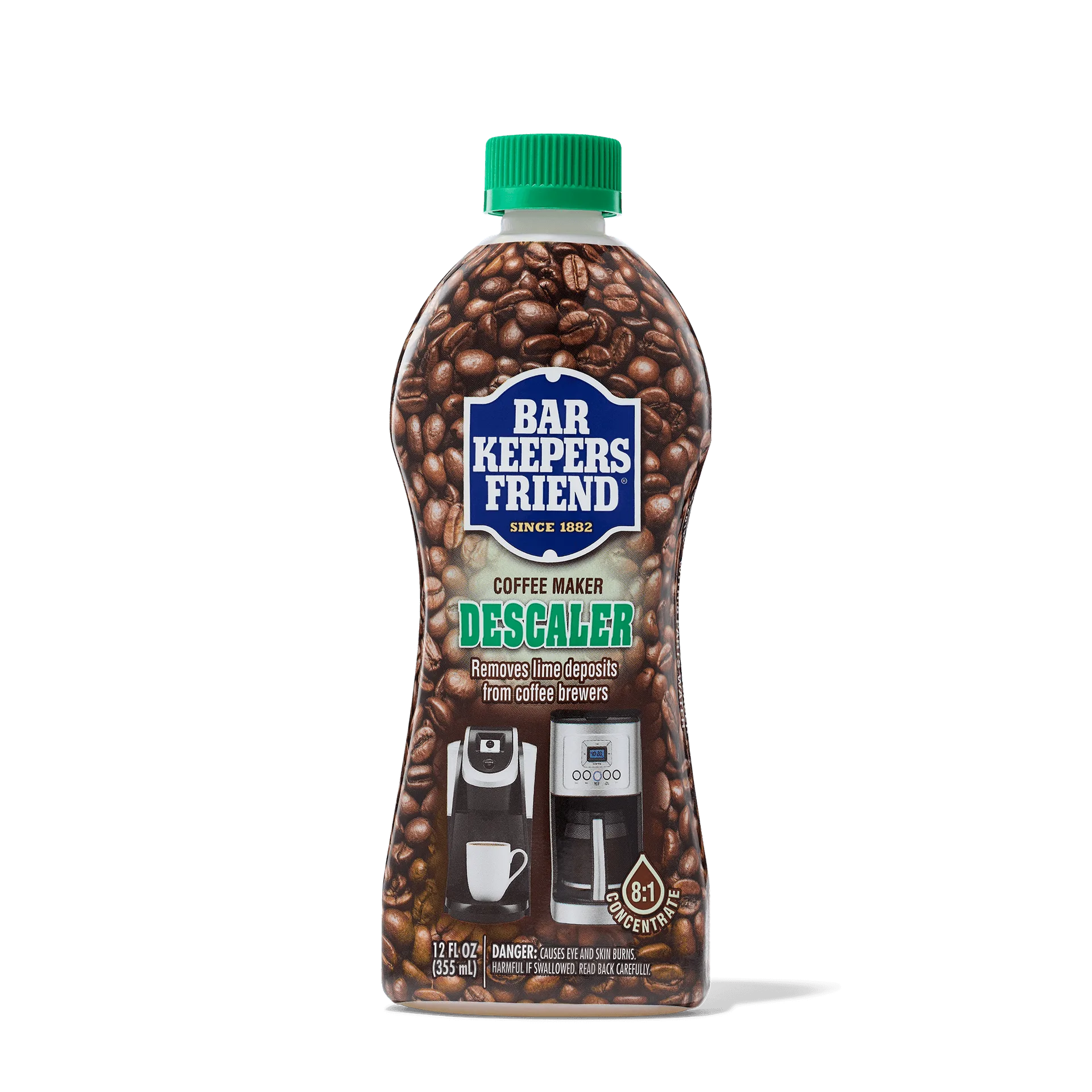
While some people use vinegar or lemon juice, these acidic solutions can leave behind odors and may not fully dissolve heavy scale. For best results, use a dedicated descaling solution designed for coffee machines. Bar Keeper’s Friend offers two excellent options: the Coffee Maker Descaler, which effectively removes mineral buildup without harsh fumes, and the Coffee Maker Cleaner, a powerful formula that deep-cleans internal components and leaves your machine residue-free.
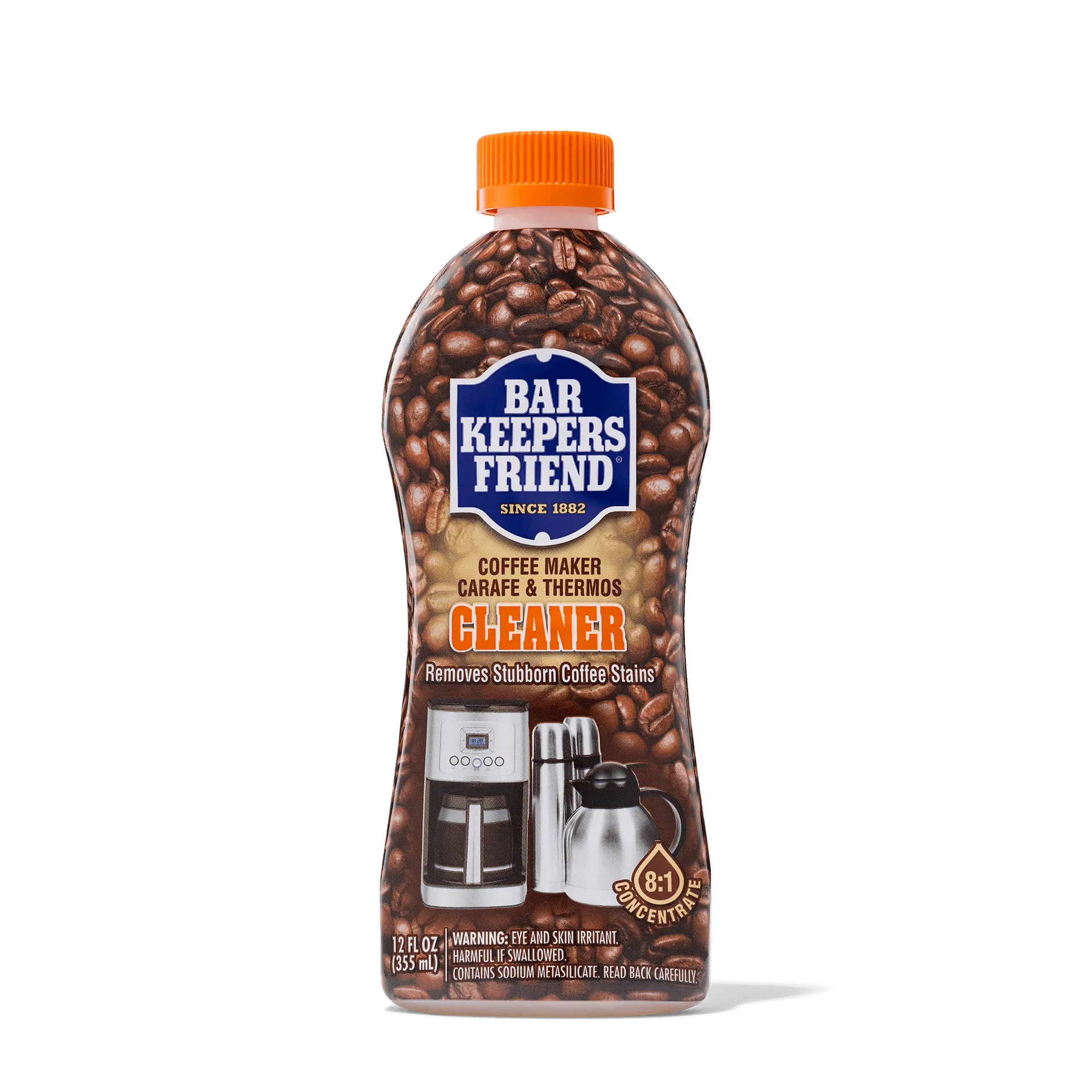
Coffee Maker Cleaner
These products are safe for all types of coffee makers—drip, espresso, single-serve, and more. They work quickly and rinse clean, so you don’t have to worry about aftertastes. Using a specialized cleaner also protects the internal seals and gaskets, which can be damaged by homemade solutions.
- Coffee Maker Descaler: fast-acting, odorless, and effective
- Coffee Maker Cleaner: deep-cleaning formula for thorough maintenance
- Always follow the product instructions for best results
Step-by-Step Descaling Process
Descaling is straightforward. First, empty the water reservoir and remove any coffee grounds or filters. Fill the reservoir with the recommended amount of descaling solution and water (usually a 1:1 or 1:2 ratio, depending on the product). Run a brew cycle without coffee grounds, then let the solution sit in the carafe for about 15 minutes to loosen stubborn deposits.
After the soak, run two or three cycles of fresh water through the machine to rinse thoroughly. This ensures no cleaning residue remains. Some machines have a dedicated descaling mode that automates the process—check your manual. Once done, your coffee maker is ready to brew fresh, great-tasting coffee again.
- Always rinse thoroughly to avoid any chemical aftertaste
- Wipe down external surfaces with a damp cloth after descaling
Additional Tips for Maintaining Your Coffee Maker
Beyond descaling, simple daily habits can keep your coffee maker in top shape. Rinse the carafe and filter basket after each use to prevent oil buildup. Replace water filters regularly if your machine has one. Once a month, run a cycle with a mild cleaner like Bar Keeper’s Friend cleanser-95386">Soft Cleanser to remove coffee oils and stains from the carafe and brew basket.
For stainless steel coffee makers or espresso machines, use a dedicated Stainless Steel Cleaner & Polish to keep the exterior shiny and fingerprint-free. This not only improves appearance but also protects the surface from corrosion. Combining descaling with regular surface care ensures your coffee maker looks as good as it performs.
- Clean the carafe with Soft Cleanser to remove stubborn stains
- Polish stainless steel surfaces with Stainless Steel Cleaner & Polish
Descaling your coffee maker is a simple yet vital step in maintaining both the machine’s performance and the quality of your coffee. By using a dedicated coffee maker cleaner like Bar Keeper’s Friend Coffee Maker Descaler, you can effortlessly remove mineral buildup and enjoy a consistently delicious brew. Make descaling a regular part of your coffee routine—your taste buds will thank you. Explore the Coffee Maker Descaler today and give your coffee maker the care it deserves.