Quick Answer
Babies put toys in their mouths primarily for sensory exploration and oral motor development, not just because they are teething. Mouthing helps them learn about texture, shape, and taste, and it soothes sore gums during teething. To keep this natural behavior safe, choose toys made from non-toxic, naturally antibacterial materials like hard maple, and avoid those with small parts or harmful finishes.
If you have a baby, you've probably noticed that everything they grab goes straight into their mouth. While it might seem concerning or messy, this behavior—known as mouthing—is a completely normal and important part of infant development. Understanding why babies do this can help you provide safe and beneficial toys that support their growth.
In this guide, we'll explore the science behind mouthing, how it relates to teething, and what to look for in safe teething toys. We'll also highlight some excellent wooden options from Bannor Toys that are designed with your baby's health and development in mind.
The Science Behind Mouthing: More Than Just Teething
Mouthing is one of the first ways babies explore their world. From around 3 months of age, infants begin to use their mouths to investigate objects, a behavior that peaks between 6 and 12 months. This isn't just about teething; it's a crucial part of sensory and cognitive development. The mouth has more nerve endings per square inch than any other part of the body, making it a highly sensitive tool for gathering information about texture, temperature, and shape.
As babies mouth objects, they are also developing oral motor skills that are essential for speech and feeding. The tongue, lips, and jaw work together to manipulate objects, strengthening the muscles needed for chewing and talking. So, when your baby chews on a toy, they are literally building the foundation for future communication and eating skills.
- Mouthing is a normal developmental stage that typically peaks between 6 and 12 months.
- It provides rich sensory input that helps the brain make sense of the world.
- Oral motor development during mouthing supports speech and feeding milestones.
Teething: A Common Culprit for Increased Mouthing
While mouthing is a natural exploratory behavior, teething can significantly increase the urge to chew. When baby teeth begin to push through the gums, it causes inflammation and discomfort. Chewing on a firm object can counteract the pressure and provide relief. This is why you might notice your baby drooling more and gnawing on everything in sight when they are around 6 months old.
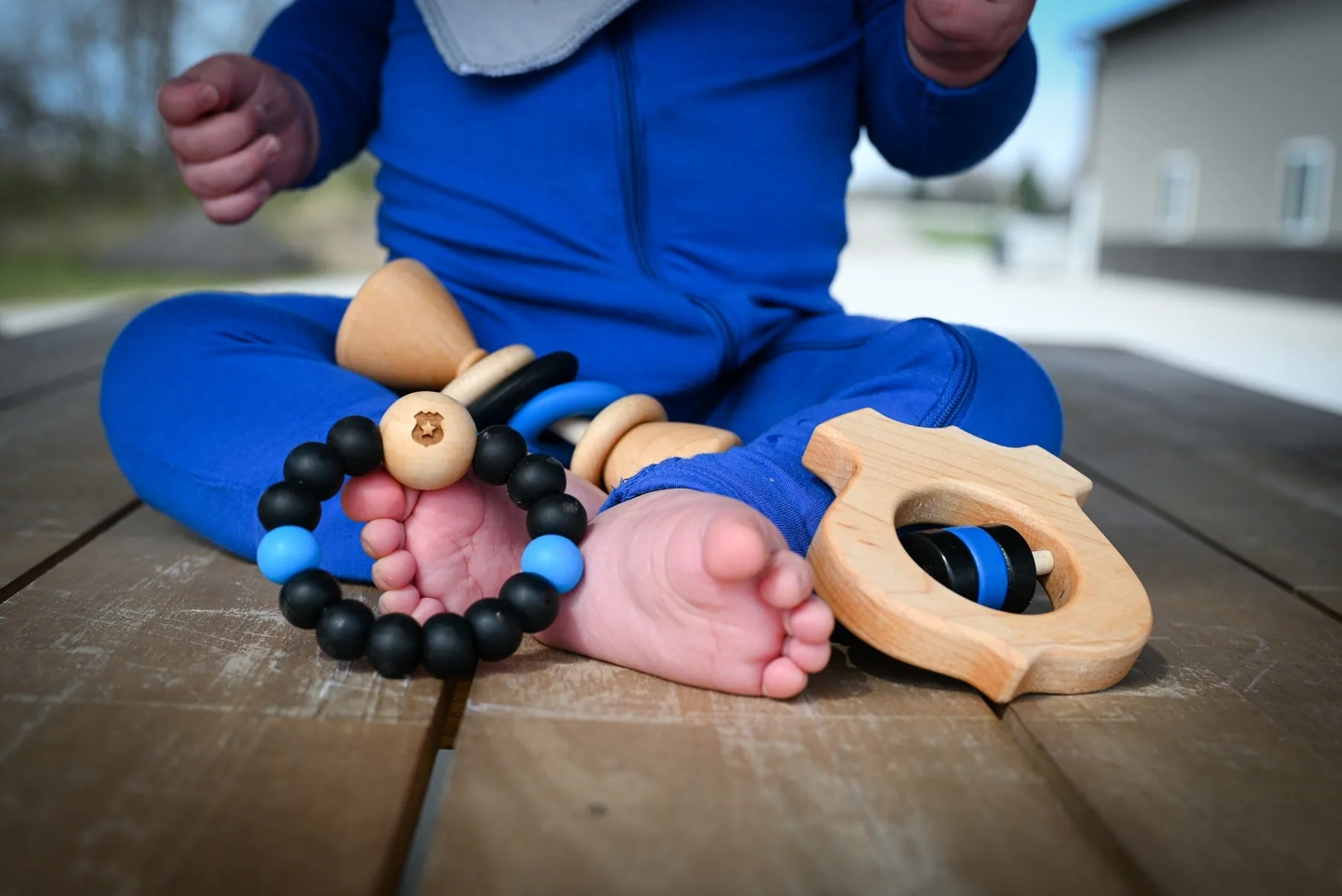
It's important to recognize the signs of teething, which include swollen gums, irritability, and a strong desire to bite. Providing a safe teething toy can not only soothe your baby but also protect their little fingers from getting in the way. Look for toys that are specifically designed for teething, with textures that massage the gums and are easy for small hands to grip.
- Teething can cause increased mouthing and drooling.
- Chewing on a firm, safe object helps relieve gum pressure.
- Look for toys with varied textures to massage sore gums.
Safety First: What to Look for in Mouthing Toys
When choosing toys for mouthing, safety is paramount. Avoid toys with small parts that could be a choking hazard, and ensure they are free from toxic chemicals like BPA, phthalates, and lead. Wooden toys, especially those made from hardwoods like maple, are an excellent choice because they are naturally antibacterial and non-splintering. They are also free from the plastic taste that some babies dislike.
Another consideration is the finish. Many wooden toys are coated with varnishes or paints that may not be safe for chewing. Look for toys finished with natural, food-safe oils like beeswax and flaxseed oil. Bannor Toys, for example, uses an organic mix of these oils to finish their products, ensuring they are safe for your baby to chew on.
- Choose toys made from naturally antibacterial hardwoods like maple.
- Ensure the finish is non-toxic and food-safe, such as beeswax or flaxseed oil.
- Avoid toys with small detachable parts or sharp edges.
How Wooden Toys Support Sensory Play and Oral Motor Skills
Wooden toys offer a unique sensory experience that plastic toys often cannot match. The natural variations in grain and texture provide rich tactile input, and the slight resistance when chewed is perfect for developing jaw strength. Unlike plastic, wood warms to the touch and has a subtle, earthy scent that can be calming for babies.
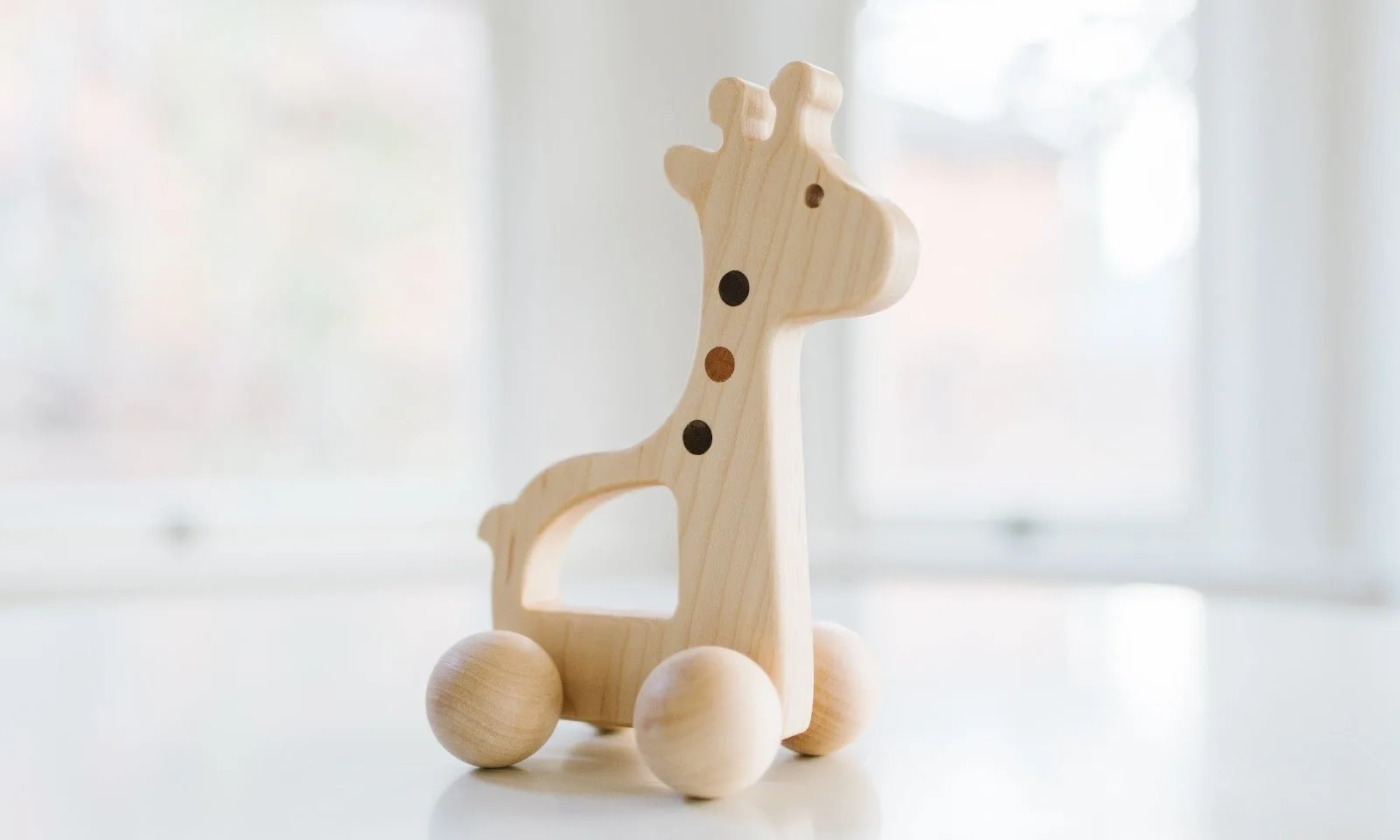
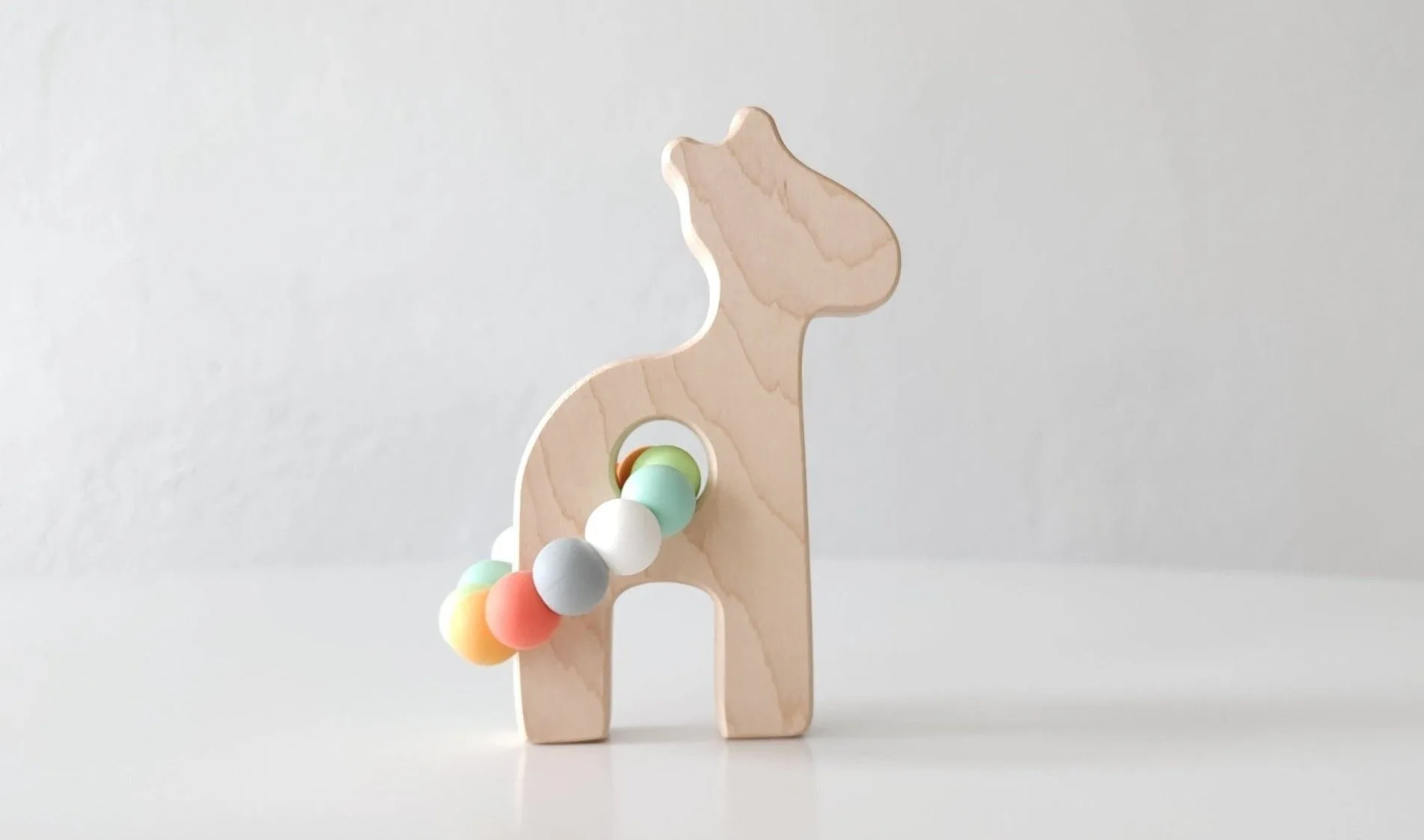
Toys like the https://bannortoysstore.shop/products/giraffe-wooden-baby-grasping-toy-with-teething-beads-187560Giraffe Wooden Baby Grasping Toy with Teething Beads are specifically designed to support these developmental needs. The hard maple body is safe for chewing, while the silicone beads offer a different texture for sensory exploration. The grasping hole in the center encourages fine motor skill development as your baby learns to hold and manipulate the toy.
- Wooden toys provide varied textures and natural resistance for oral motor development.
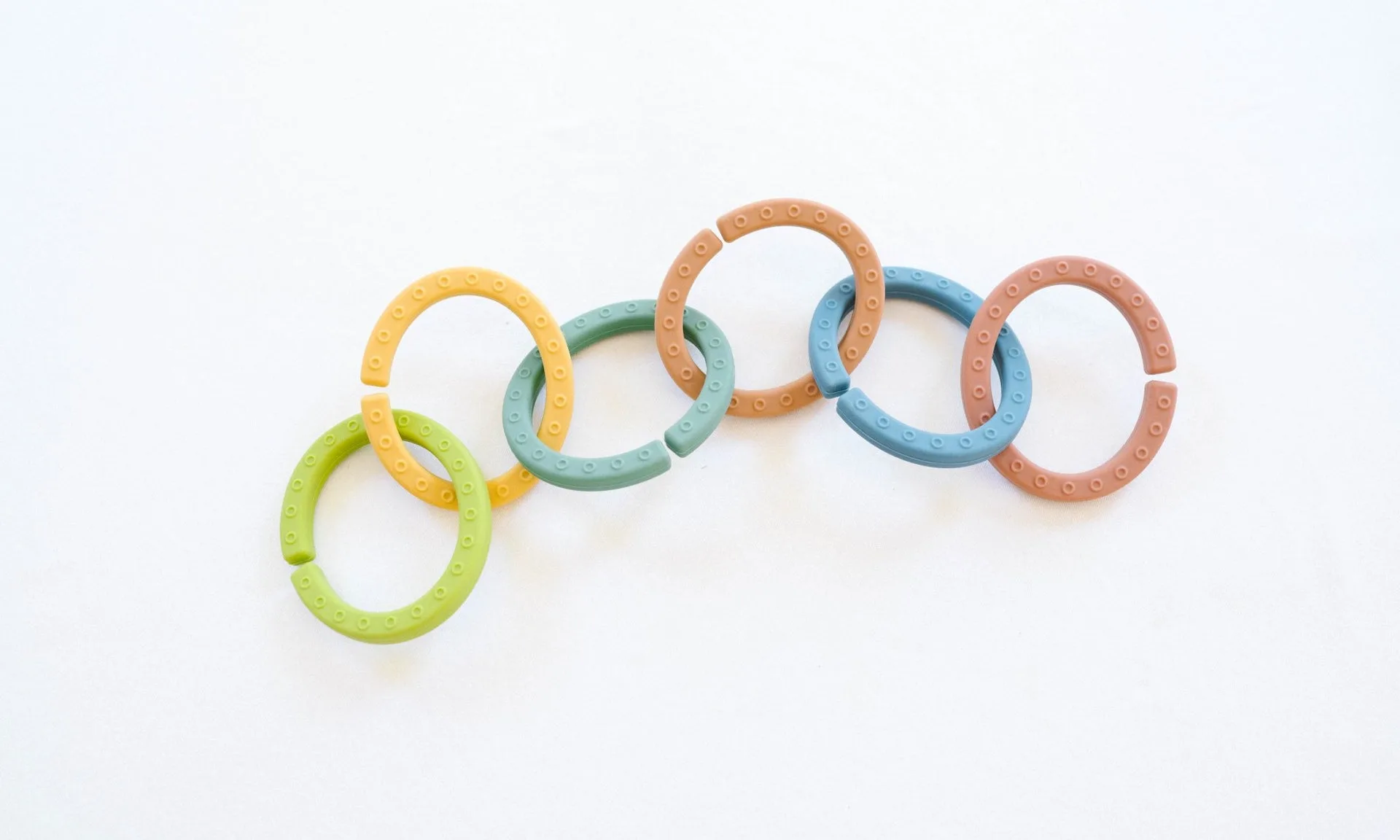
- Combining wood and silicone offers diverse sensory input.
- Grasping holes and easy-to-hold shapes promote fine motor skills.
Diagnosis: Is Your Baby's Mouthing Normal?
- Symptom: Constant chewing on everything: If your baby is mouthing objects non-stop, it's likely a combination of exploration and teething. This is normal, especially between 6 and 12 months. Provide safe teething toys to satisfy the urge.
- Likely cause: Sensory exploration and gum discomfort: Mouthing is a primary way babies learn about their environment, and teething adds pressure and pain that chewing can relieve. Offer toys with different textures to stimulate senses and soothe gums.
- Corrective action: Choose safe, non-toxic toys: Opt for wooden toys made from hard maple with natural finishes, like those from Bannor Toys. Avoid plastic toys with harmful chemicals or small parts. Check that toys are free from BPA, phthalates, and lead.
- When to stop or choose another option: If your baby shows signs of choking, or if a toy becomes damaged with splinters or loose parts, discontinue use immediately. Also, if your baby has a known allergy to certain woods, choose alternatives like silicone. Always inspect toys regularly for wear and tear.
Wooden Teething Toys from Bannor Toys
- Giraffe Wooden Baby Grasping Toy with Teething Beads: Made from hard maple, which is naturally resistant to bacteria and non-splintering, making it safe for baby to play with for hours. Lightweight and easy to hold, with a grasping hole in the center. Sanded satin smooth and left natural with no finish. This toy is perfect for mouthing and teething because it's safe to chew, easy for little hands to grip, and the natural wood finish is free from harmful chemicals.
- Wooden Toy Keys: A set of 3 wooden toy keys in Maple, Cherry, and Walnut, permanently strung together with an aqua leather strap. Finished with an organic mix of beeswax and flax seed oil, safe for baby. The different wood textures and the strap provide varied sensory input for mouthing, while the organic finish ensures it's safe for chewing. The keys are also great for imaginative play as your baby grows.
Understanding why babies mouth toys helps you provide the right support for their development. By choosing safe, natural wooden toys from Bannor Toys, you can ensure your baby enjoys the sensory benefits of mouthing while staying safe. Explore the Giraffe Wooden Baby Grasping Toy with Teething Beads for a perfect blend of teething relief and sensory play.