Quick Answer
Mild bleeding during the first week of using interdental brushes is usually a sign that your gums are inflamed and need cleaning, not a reason to stop. However, if bleeding persists beyond two weeks, is heavy, or comes with pain, you should see a dentist.
If you’ve just started using interdental brushes and noticed a little pink in the sink, you’re not alone. Many people wonder if they’re doing something wrong. The truth is, a small amount of bleeding when you first clean between your teeth is common and often a sign that your gums are not used to this level of cleaning.
In this guide, we’ll explain why bleeding happens, what’s considered normal, and when you should stop and seek professional advice. We’ll also share practical tips to help your gums adapt and stay healthy.
Why Do Interdental Brushes Cause Bleeding?
Bleeding when using interdental brushes usually means your gums are inflamed. Plaque and bacteria build up in the spaces between teeth, causing the gum tissue to become swollen and tender. When you introduce a brush into these areas, the mechanical cleaning can disturb the inflamed tissue, leading to light bleeding.
This is similar to what happens when you start flossing regularly after a long break. The bleeding is a sign that your gums need more attention, not less. In fact, consistent cleaning helps reduce inflammation over time, and the bleeding typically stops within a week or two.
However, not all bleeding is the same. If you notice heavy bleeding, pain, or bleeding that doesn’t improve with regular use, it could indicate a more serious issue like gum disease or an injury from using the wrong size brush.
- Use a gentle, consistent technique – don’t force the brush.
- Choose the correct size brush for your gaps – too large can cause trauma.
- Keep using the brush daily, but if bleeding worsens, stop and consult a dentist.
What’s Normal and What’s Not
Normal: Light spotting of blood for the first few days, especially if you’ve never cleaned between your teeth before. This should gradually decrease as your gums become healthier.
Not normal: Bleeding that continues for more than two weeks, bleeding that is heavy or persistent, pain during or after brushing, or bleeding that starts suddenly after you’ve been using the brush for a while without issues. These could be signs of gum disease, a poorly fitting brush, or another dental problem.
If you experience any of the ‘not normal’ signs, it’s best to stop using the brush and schedule a dental appointment. Your dentist can check for gum disease and recommend the right size or type of brush for your needs.
- Track how long you’ve been using the brush and how much bleeding you notice.
- If bleeding is accompanied by swelling or a bad taste, see a dentist sooner.
How to Stop Gum Bleeding When Using Interdental Brushes
The most effective way to stop bleeding is to keep cleaning gently and consistently. As your gums heal, they become less inflamed and more resistant to bleeding. But there are a few things you can do to make the process smoother.
First, make sure you’re using the right size. TePe interdental brushes come in color-coded sizes, from pink to blue and beyond. If a brush feels too tight or painful, go down a size. A brush that’s too large can cause trauma and make bleeding worse.
Second, use a gentle technique. Don’t push the brush forcefully between teeth. Instead, let it slide in with a slight back-and-forth motion. Also, consider using an extra-soft option if you have sensitive gums or are post-surgery.
- Start with a smaller size and gradually move up if needed.
- Rinse the brush after each use and let it air dry.
- Be patient – it can take up to two weeks for gums to adapt.
Diagnosis: Is Your Bleeding Normal?
- Symptom: Light bleeding during the first week of use, especially if you’re new to interdental cleaning. Likely normal – continue gentle daily cleaning.
- Likely cause: Inflamed gums due to plaque buildup; the brush is dislodging bacteria and stimulating the tissue. This should improve as your gums heal.
- Corrective action: Use the correct size brush, apply gentle pressure, and brush daily. Consider an extra-soft option if needed. Bleeding should reduce within 1-2 weeks.
- Stop and see a dentist: If bleeding persists beyond two weeks, is heavy, or is accompanied by pain, swelling, or a bad taste. Stop using the brush and book an appointment.
Choosing the Right Brush for Your Gums
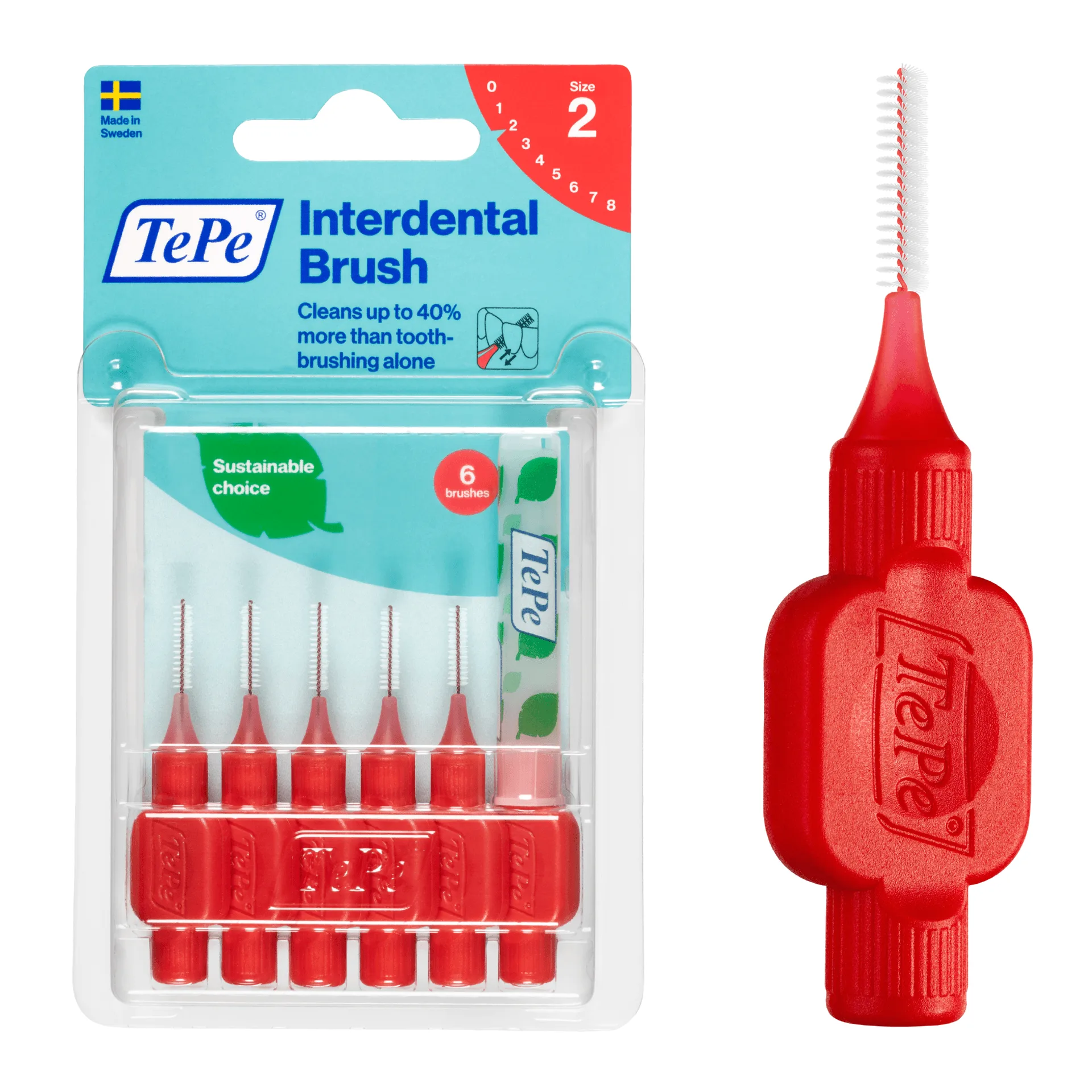
- TePe® Interdental Brushes Original Red - 0.5 mm (ISO 2): TePe Original Interdental Brushes are designed to clean the gaps between the teeth, where a regular toothbrush is unable to reach. Available in 9 sizes. The Red size is one of the smaller options, ideal for tight gaps. Starting with a smaller size can reduce the risk of trauma and bleeding when you’re new to interdental cleaning.
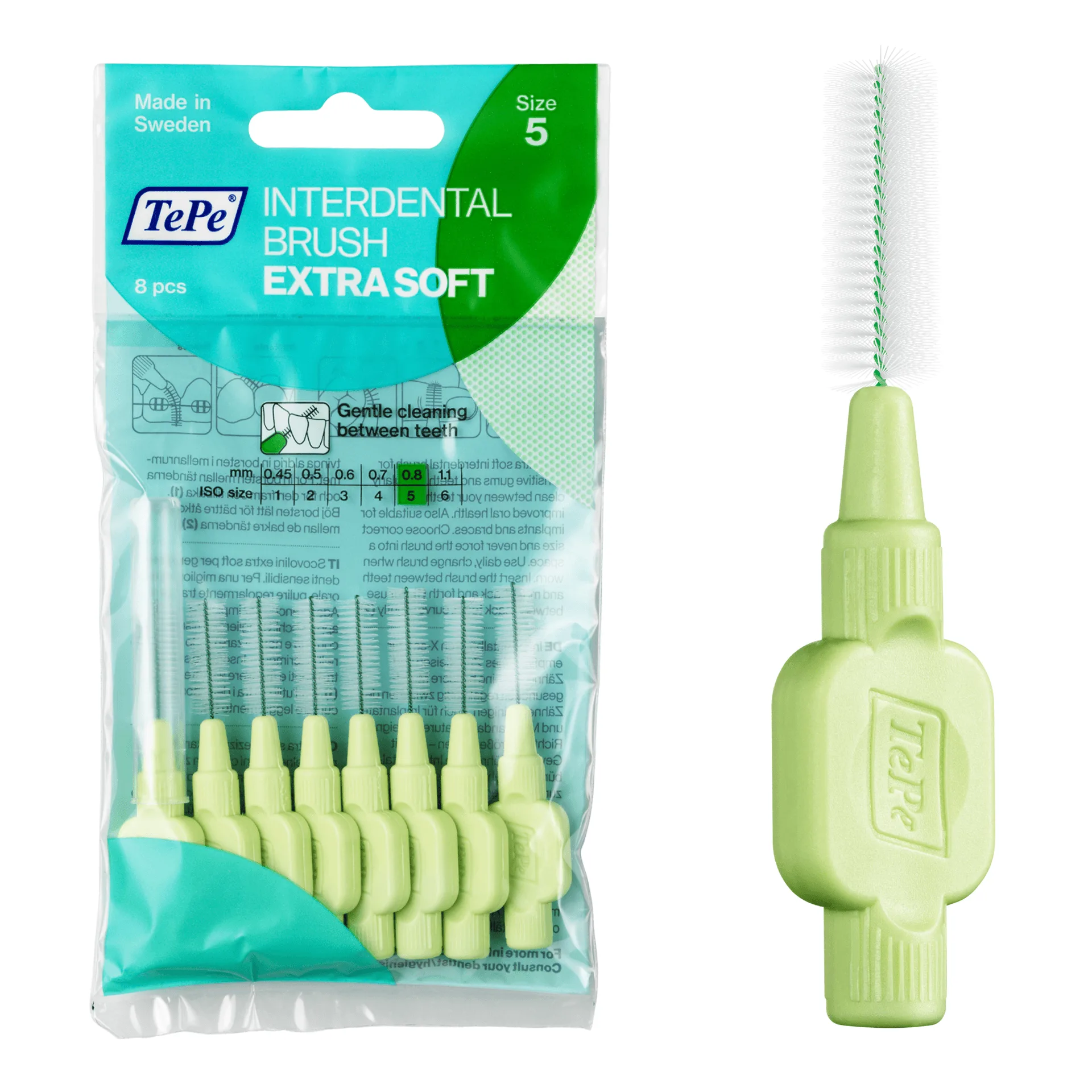
- TePe® Interdental Brushes Extra Soft Green - 0.8 mm (ISO 5): TePe Extra SoftTM Interdental Brushes have Extra Soft bristles for the most gentle clean – recommended for patients with sensitive teeth, dry mouth or after oral surgery. If your gums are very sensitive or you’re recovering from a procedure, an extra-soft brush can help you clean effectively without aggravating the tissue.
Bleeding when you start using interdental brushes is often a sign that your gums need more care, not less. With the right size brush and a gentle, consistent routine, the bleeding usually stops within a couple of weeks. But if it doesn’t, or if you’re in pain, don’t ignore it – see your dentist. Your gums will thank you.