Quick Answer
Cloudy glasses in the dishwasher are almost always caused by hard water spots or etching. Hard water spots are mineral deposits that can often be removed with a vinegar rinse, while etching is permanent damage to the glass surface. To avoid both, use a rinse aid, adjust your dishwasher detergent, and hand-wash delicate or printed drinkware.
You pull a glass out of the dishwasher and it looks like a thin film has settled on the surface. This is one of the most common drinkware complaints, and the good news is that the fix is usually simple. The bad news is that sometimes the damage is permanent. The key is figuring out which type of cloudiness you're dealing with.
In this guide, we'll walk through the two main causes—hard water spots and etching—and give you clear steps to clean your glasses and prevent future cloudiness. We'll also cover how to care for printed or colored drinkware, which may need gentler handling than clear glass.
Hard Water Spots vs. Etching: How to Tell the Difference
Hard water spots look like white, chalky patches or droplets that dry onto the glass. They are caused by minerals like calcium and magnesium in your water. If you run your finger over the spot and it feels rough or gritty, it's likely a mineral deposit. These spots can often be removed with a simple vinegar rinse.
Etching, on the other hand, is a permanent cloudiness that makes the glass look frosted or milky. It happens when harsh detergents and high heat gradually wear away the glass surface. Etching feels smooth to the touch and cannot be reversed. If your glasses have etched, the only real fix is to replace them or accept the look.
- Test: If a drop of vinegar makes the cloudy area clear up, it's hard water. If nothing changes, it's likely etching.
How to Fix Cloudy Glasses (Hard Water Spots)
For hard water spots, start by soaking the glasses in white vinegar for 10–15 minutes. The acetic acid dissolves the mineral deposits. After soaking, wash by hand with warm, soapy water and rinse thoroughly. For stubborn spots, make a paste of baking soda and water and gently rub it on the glass with a soft cloth.
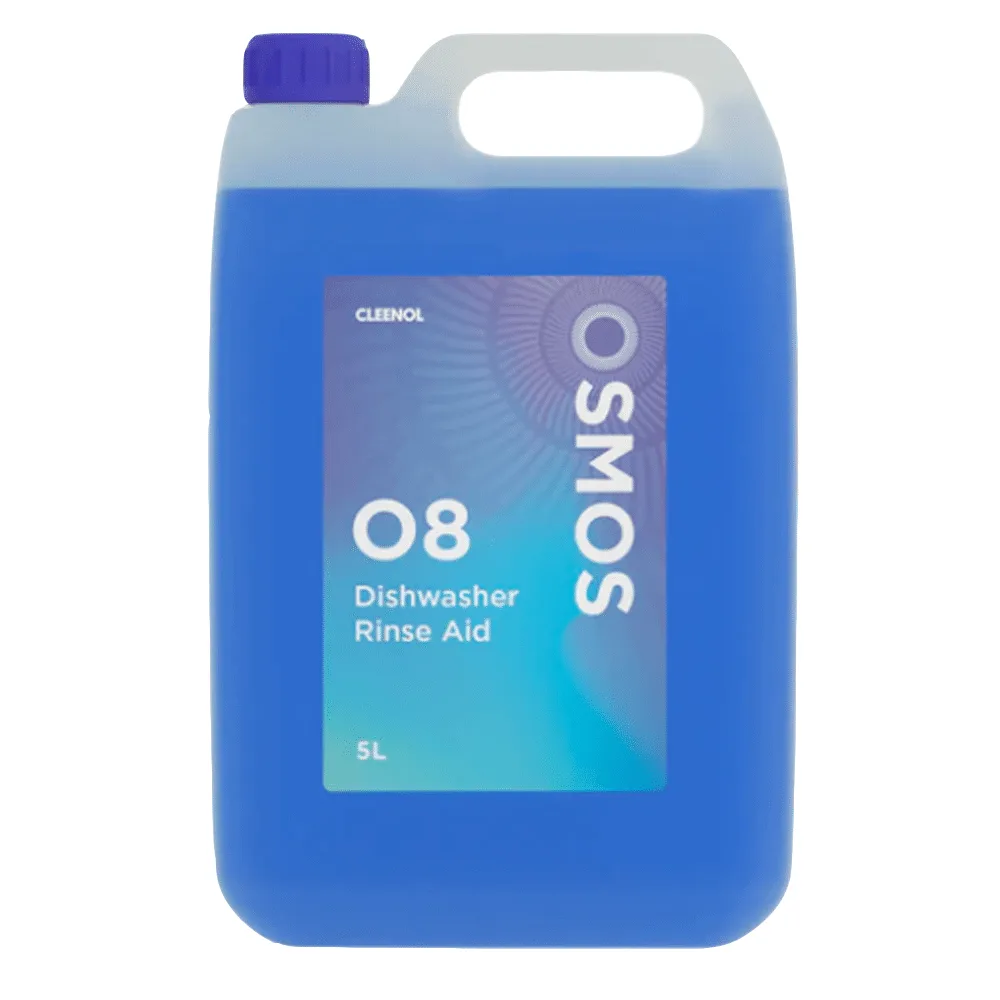
If you prefer a dishwasher-only approach, add a rinse aid to your dishwasher. Rinse aids help water sheet off the glass, preventing minerals from drying onto the surface. You can also try running a cycle with a cup of vinegar placed on the top rack, but be careful—vinegar can damage rubber seals over time, so use this trick sparingly.
- Always dry glasses with a lint-free cloth after hand-washing to prevent new spots from forming.
How to Prevent Etching and Future Cloudiness
Etching is caused by a combination of high heat and aggressive detergents. To reduce the risk, use a milder detergent that is free of phosphates and chlorine. Also, avoid using the 'heated dry' cycle—let glasses air-dry or use a low-heat setting. Overloading the dishwasher can also trap water and detergent against the glass, so leave space between items.
Another important tip: not all glassware is dishwasher safe. Many decorative or printed glasses are better washed by hand. Check the manufacturer's instructions, and when in doubt, hand-wash. This is especially true for iridescent or colored glasses, which can lose their finish in the dishwasher.
- If you see etching starting on a favorite glass, switch to hand-washing that piece immediately to stop further damage.
Caring for Printed and Colored Drinkware
Printed and colored drinkware, like licensed character glasses or iridescent tumblers, often have a decorative layer that can be damaged by harsh dishwasher cycles. The high heat and strong detergents can fade the print or dull the color. To keep these pieces looking their best, hand-wash them in warm, soapy water and dry them immediately.
If you do put them in the dishwasher, place them on the top rack away from the heating element and skip the heated dry cycle. But even with these precautions, hand-washing is the safest choice for preserving the design. This is especially important for collectible or licensed glassware, where the design is a big part of the appeal.
- For printed tumblers, turn them upside down to dry after hand-washing to prevent water spots on the design.
Diagnosis: Is It Hard Water or Etching?
- Symptom: White, chalky spots or a filmy layer on glasses after a dishwasher cycle. Check if the film is rough or gritty to the touch.
- Likely Cause: Hard water spots from mineral deposits, or etching from harsh detergents and high heat. Test with vinegar: if the cloudiness clears, it's hard water; if not, it's etching.
- Corrective Action: For hard water: soak in vinegar, hand-wash, and use a rinse aid. For etching: switch to milder detergent, skip heated dry, and hand-wash delicate items. If etching is already present, the damage is permanent—focus on preventing further damage.
- When to Stop or Choose Another Option: If your glasses are heavily etched or the print is fading, it's time to replace them. For future purchases, choose glassware that is explicitly dishwasher safe or commit to hand-washing decorative pieces. Hand-wash printed and iridescent glassware to extend its life.
Glassware That Handles Dishwasher Use Well
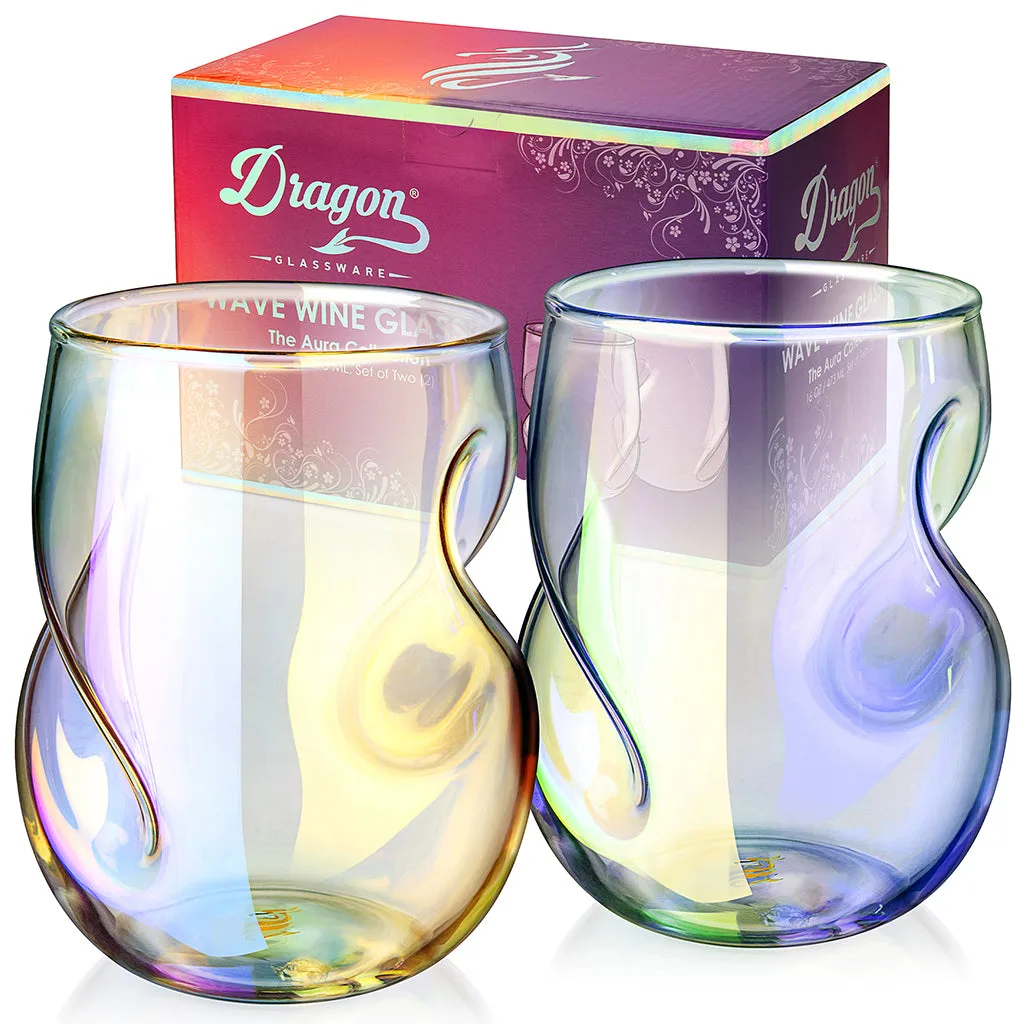
- https://dragon-glassware.com/products/stemless-wine-glasses-3433513Stemless Wine Glasses: These beautiful stemless wine glasses feature a brilliant, sparkly iridescent effect that makes them perfect for pictures, parties, and memories. The unique shape naturally aerates wine and serves as a decanter, and they are suitable for all types of red and white wine. While the iridescent finish is stunning, it can be sensitive to harsh dishwasher cycles. To keep the sparkle, hand-wash these glasses and dry them with a soft cloth.
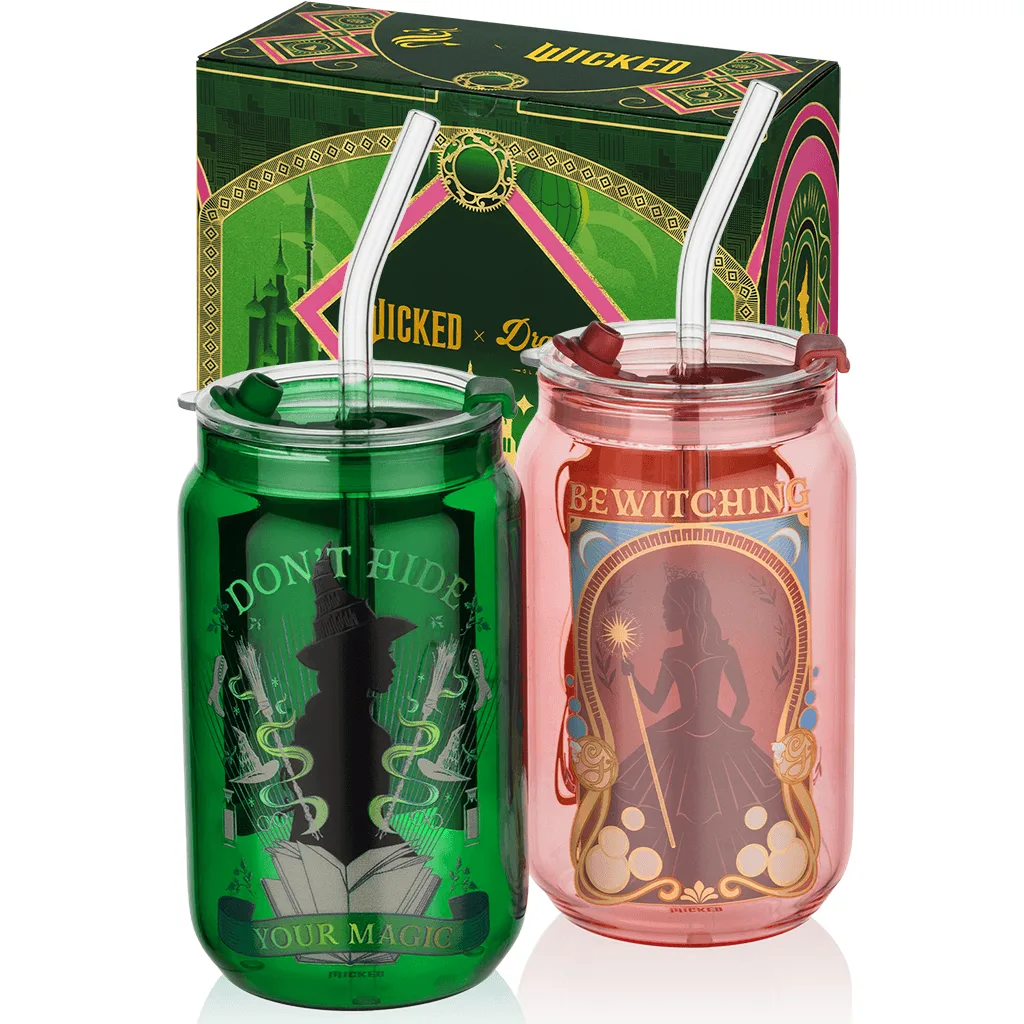
- Wicked Enchanted Drinking Glasses - 16 oz: Officially licensed Wicked cups feature designs that capture the spirit of the beloved movie franchise. They are versatile for iced coffee, water, or your favorite beverage, and are crafted with superb quality. Printed designs can fade or peel in the dishwasher. Hand-washing these glasses preserves the vibrant print, so they stay looking new for every themed party or everyday use.
Cloudy glasses are usually a fixable nuisance, not a reason to toss your favorite drinkware. Identify the cause, apply the right remedy, and adjust your washing habits to keep your glasses clear and beautiful. For printed or iridescent pieces, a little extra care goes a long way.