Quick Answer
Beard itch usually comes from dry skin underneath, product buildup, or ingrown hairs. To fix it, exfoliate with a scalp brush, moisturize with beard oil or balm, and wash regularly. If itch persists with redness or flaking, see a dermatologist.
That relentless itch under your beard can drive you crazy, especially when you're trying to focus at work or enjoy a night out. The good news: it's usually not serious and can be fixed with a few simple changes to your grooming routine.
In this guide, we'll break down the most common culprits behind beard itch, from dry skin to product buildup, and walk you through practical, step-by-step solutions. You'll learn how to soothe irritation, prevent future flare-ups, and know when it's time to seek professional help.
Common Causes of Beard Itch
Dry skin is the number one reason beards itch. As your beard grows, it wicks moisture away from your skin, leaving it parched and flaky. This is especially common in winter or in dry climates, but it can happen year-round if you're not moisturizing properly.
Product buildup is another frequent offender. Styling products like pomades and waxes can accumulate on your skin and hair, clogging pores and irritating the skin beneath. Similarly, dead skin cells and sebum can build up if you don't exfoliate regularly, leading to itchiness and even beard dandruff.
Ingrown hairs are a third cause, especially if you shave or trim often. When hair curls back into the skin, it causes redness and itching. Finally, an allergic reaction to a new product—like a scented beard oil or wash—can trigger contact dermatitis, making your skin itch and flake.
- Dry skin: moisturize daily with beard oil or balm.
- Product buildup: wash your beard 2-3 times a week and exfoliate.
- Ingrown hairs: exfoliate gently and avoid tight shaving.
- Allergic reaction: patch-test new products before applying to your whole beard.
How to Fix Beard Itch: Step-by-Step
Start by washing your beard with a gentle cleanser to remove dirt, oil, and product residue. Avoid harsh shampoos that strip natural oils; instead, use a mild beard wash or a baby shampoo. Follow up with a moisturizing conditioner to soften both hair and skin.
After washing, gently exfoliate your skin with a soft brush—not your fingernails, which can cause micro-tears. This removes dead skin cells and helps prevent ingrown hairs. Then, apply a beard oil or balm to lock in moisture and soothe irritation. Look for ingredients like jojoba oil, argan oil, or shea butter.
If you use styling products, choose ones that don't contain alcohol, which dries out skin. And remember to trim regularly to keep hair from trapping moisture against your skin. For persistent itch, consider a leave-in conditioner or a dedicated beard moisturizer.
- Wash 2-3 times per week, not daily, to avoid over-drying.
- Exfoliate with a soft brush in circular motions before washing.
- Apply moisturizing oil or balm while your beard is slightly damp.
- Avoid alcohol-based products and hot water when washing.
When to Stop and See a Professional
If your beard itch is accompanied by severe redness, swelling, pus, or patches of hair loss, it's time to stop self-treating and consult a dermatologist. These symptoms could indicate a fungal infection, bacterial folliculitis, or an allergic reaction that needs medical treatment.
Also, if you've tried consistent moisturizing and exfoliating for two weeks with no improvement, don't keep guessing. A professional can diagnose the root cause—whether it's eczema, psoriasis, or something else—and recommend prescription treatments or specialized products.
- See a doctor if you notice signs of infection or severe inflammation.
- Don't ignore persistent itch that disrupts your sleep or daily life.
Diagnosing Your Beard Itch
- Symptom: Persistent itchiness under your beard, possibly with flaking or redness. Note when it itches most—after washing, at night, or all day.
- Likely Cause: Dry skin, product buildup, ingrown hairs, or an allergic reaction to a grooming product. If you recently introduced a new product, suspect that first.
- Corrective Action: Wash with a gentle cleanser, exfoliate with a soft brush, and moisturize with beard oil or balm. Stick to this routine for at least two weeks to see improvement.
- When to Stop or Choose Another Option: If you see severe redness, swelling, pus, or hair loss, or if the itch doesn't improve after two weeks of consistent care. Stop self-treatment and consult a dermatologist for a proper diagnosis.
Products That Help Soothe Beard Itch
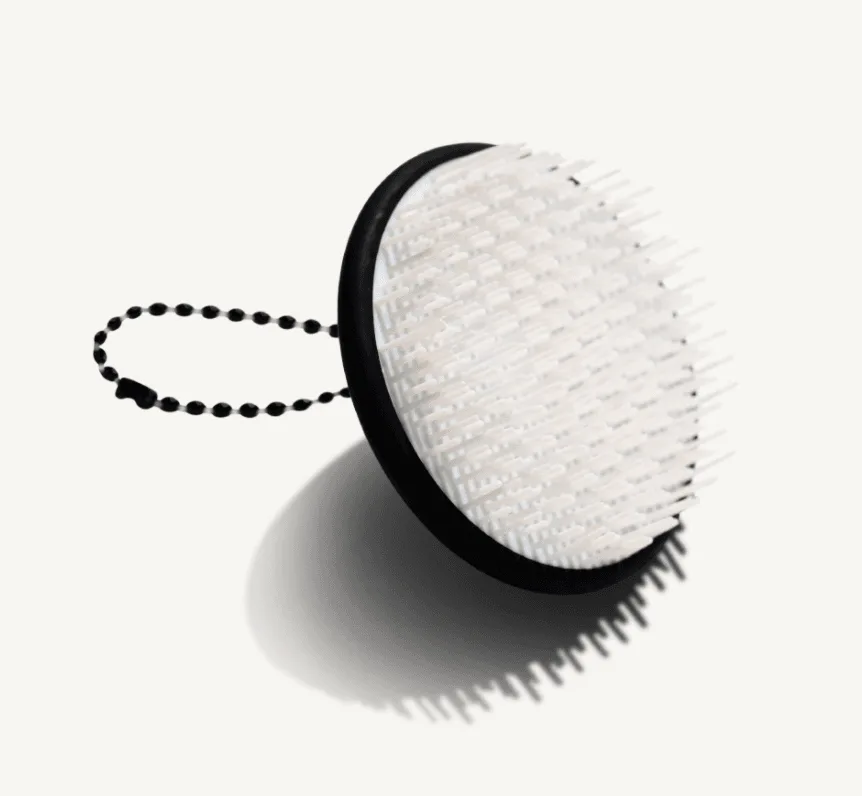
- Jupiter Scalp Brush: Our exfoliating scalp brush helps remove build-up from flaking, styling products, or other impurities. Gently dry-brush the scalp in a circular motion before washing, or in the shower while you lather your shampoo with gentle front-to-back strokes. Added bonus: a cleaner scalp means thicker and healthier looking hair. It just so happens to feel really really good, too. Exfoliating your skin under the beard removes flakes and product residue that cause itch, and it feels great.
- Rudy's Matte Pomade: Whether you're wanting polish at the office or something a bit more wild at night, this versatile matte pomade adapts and then some. Carnauba wax gives you pliable hold that doesn't feel sticky and won't flake or leave a residue on your hands so you can easily adjust your style from day to night with a single tousle. This formula includes beeswax to smooth hair and seal in moisture. If you style your beard, choose a product that won't flake or leave residue, reducing the chance of buildup-related itch.
Beard itch is annoying but usually fixable with the right routine. Keep your skin exfoliated, moisturized, and free of product buildup, and you'll be able to enjoy a comfortable, healthy beard. If symptoms persist or worsen, don't hesitate to see a professional—your skin will thank you.