Quick answer
Dogs pull because they move faster than we do and are naturally drawn forward. The fix combines a front-clip no-pull harness with consistent training that rewards loose-leash walking.
Why dogs pull more on collars than harnesses
A collar places pressure on your dog's throat, which can trigger an opposition reflex—they instinctively pull harder against it. A properly fitted harness distributes force across the chest and shoulders, removing that trigger and giving you better control without discomfort. This is why many owners see immediate improvement just by switching gear.
When a harness isn't enough on its own
Even the best harness won't fix pulling if your dog has built up a habit of forging ahead. For dogs that are overexcited by sights, smells, or other animals, you'll need to pair the harness with short training sessions that teach them to check in with you. Some dogs also benefit from a front-clip harness that redirects their body when they pull, gently steering them sideways instead of forward.
Step-by-step diagnosis: why your dog pulls and what to do
- Symptom: Your dog lunges forward or strains against the leash as soon as you step outside.
- Likely cause: Your dog has learned that pulling gets them to interesting smells, people, or places faster. The faster you walk, the more they pull—it's a self-reinforcing cycle. Most pulling is accidental training from you, not defiance.
- Corrective action 1: Change your gear: Switch to a front-clip no-pull harness that gently turns your dog sideways when they pull, interrupting the momentum without pain. If you already use a back-clip harness and still see pulling, try a front-clip design instead.
- Corrective action 2: Train loose-leash walking: Stop walking whenever the leash goes taut. Stand still, call your dog back to your side, reward with a treat, and only then resume walking. Repeat consistently. Expect slow progress—dogs need dozens of repetitions to unlearn a habit.
- When to choose another option: If your dog pulls despite correct harness use and weeks of training, consult a certified trainer. Extreme pulling may indicate anxiety or high prey drive that needs professional assessment. A head halter or no-pull headcollar is an alternative, but introduce it gradually to avoid resistance.
Gear that helps: no-pull harness options
-
Pet Harness and Leash Set for Dog & Cat; Adjustable No Pull Service: Comfortable, secure fit for daily walks with an adjustable design for a range of sizes. A good fit prevents chafing and keeps the harness from shifting during walks, so your dog stays comfortable and you maintain control.
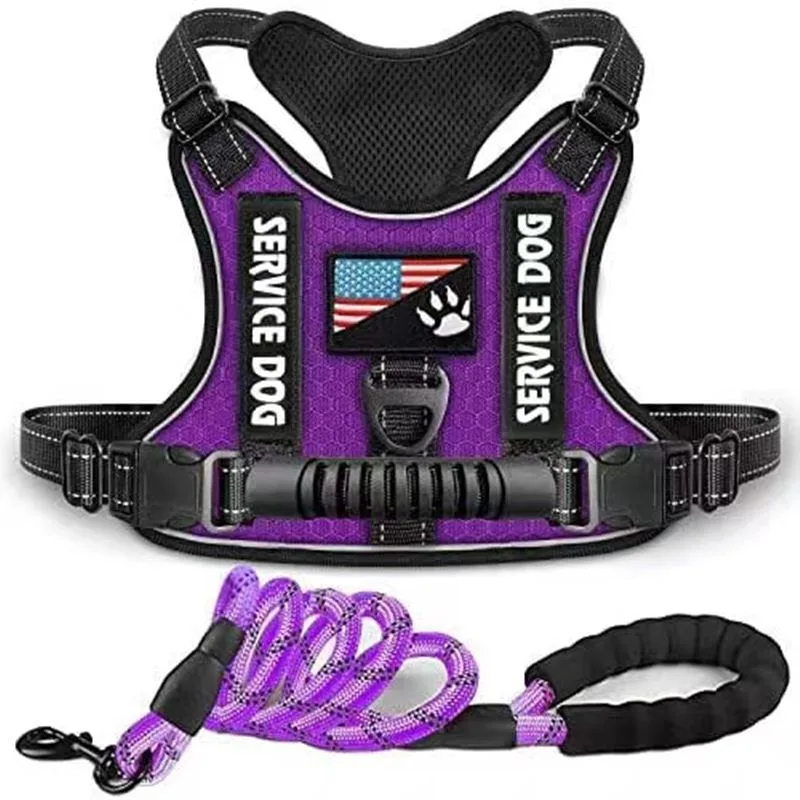
Pet Harness and Leash Set for Dog & Cat; Adjustable No Pull Service
-
Outdoor Series 2-in-1 Convertible Dog Leash and Harness: Features a unique sporty high-grade alloy swivel safety lock leash attachment and rings with stainless steel buckles. The swivel attachment reduces leash tangling and allows natural movement, making it easier to guide your dog without constant leash adjustment.
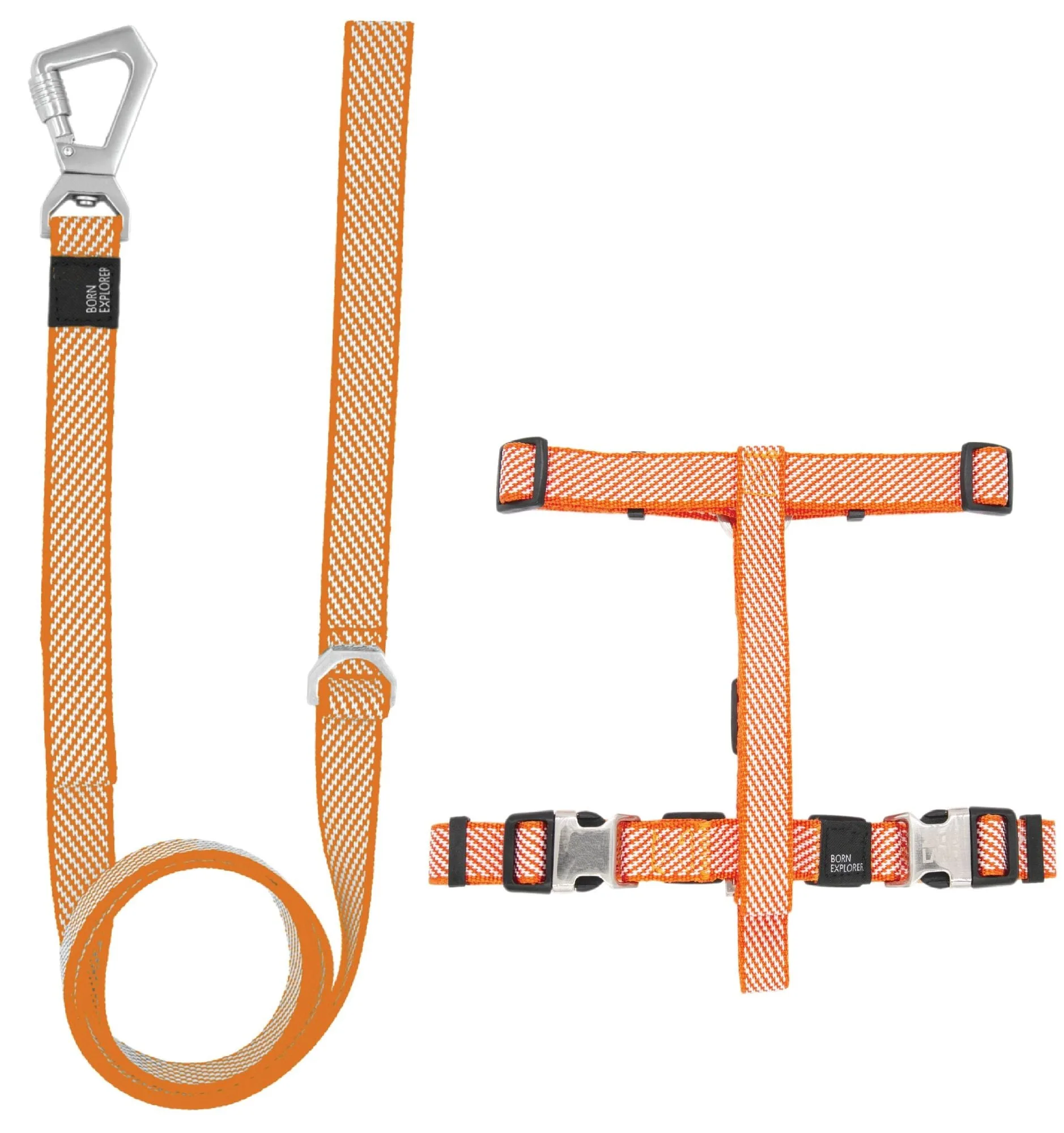
Outdoor Series 2-in-1 Convertible Dog Leash and Harness