Quick Answer
An insulated bottle usually smells because bacteria or mold grow in hard-to-reach areas like the lid gasket or straw, or because leftover milk or juice has soured. To fix it, wash all parts in hot soapy water, use a bottle brush, and sanitize with a baking soda or vinegar solution. If the smell persists after deep cleaning, the bottle may need replacement.
You grab your insulated bottle for a sip of water, but instead of refreshment, you're hit with a musty or sour smell. It's a common problem that can make you wonder if the bottle is safe to use. The good news: most odor issues are fixable with the right cleaning routine.
In this article, we'll walk through the common causes of bottle odor and provide step-by-step solutions to get your bottle smelling fresh again.
Common Causes of Bottle Odor
The most frequent culprit is bacteria or mold growth. When you drink from your bottle, you introduce saliva and food particles that can linger in the lid, spout, or straw. If you don't clean these parts thoroughly, bacteria multiply and produce a foul smell.
Another cause is leftover residue from beverages like milk, juice, or sports drinks. These can leave behind sugars and proteins that sour over time, especially if the bottle is left unwashed. Additionally, if you store your bottle with the lid closed while still damp, it creates a humid environment perfect for mold.
Sometimes, the smell comes from the bottle itself. New stainless steel bottles can have a metallic odor from manufacturing, but this usually dissipates after a few washes. If your bottle has developed a persistent smell despite cleaning, it might be due to a crack or scratch where bacteria hide.
- Always rinse your bottle immediately after use, especially if you've had something other than water.
- Disassemble all parts—lid, straw, gasket—and wash them separately to ensure no residue is left behind.
How to Deodorize Your Insulated Bottle
Start by washing your bottle with hot water and dish soap. Use a bottle brush to scrub the inside, and a small brush for the lid and spout. Pay special attention to the threads and any crevices where buildup can occur.
For a deeper clean, fill the bottle with a solution of one part white vinegar to three parts water, or a tablespoon of baking soda dissolved in water. Let it sit for 15-30 minutes, then scrub and rinse thoroughly. This neutralizes odors without leaving a strong taste.
If the smell persists, try a denture tablet or a specialized bottle cleaner. These are designed to break down residue and eliminate odors. Always follow the instructions and rinse well afterward.
- Avoid using bleach or harsh chemicals, as they can damage the bottle's insulation or leave harmful residues.
- After cleaning, let all parts air dry completely before reassembling to prevent mold from returning.
Prevent Future Odors
The best way to avoid a smelly bottle is to clean it regularly. Wash your bottle after every use with soap and water, and give it a deep clean once a week. If you use your bottle for beverages other than water, rinse it immediately after finishing.
Make sure your bottle is completely dry before storing it. Leave the lid off or store it open to allow air circulation. This prevents moisture from becoming trapped, which is a breeding ground for odor-causing bacteria.
Consider the materials of your bottle. Some lids and spouts are more prone to harboring smells because they have small parts that are hard to clean. Choosing a bottle with a simple design or dishwasher-safe parts can make maintenance easier.
- If you notice a smell despite regular cleaning, inspect the bottle for cracks or damage that might be trapping bacteria.
- For kids' bottles, remind them to not share and to rinse after use, as their bottles can quickly develop odors.
Diagnosis Guide: Smelly Bottle?
- Symptom: Musty or sour smell coming from the bottle, even after a quick rinse. Identify the source—often the lid or spout.
- Likely Cause: Bacteria or mold growth in hard-to-clean areas, or residue from beverages like milk or juice. If you haven't deep-cleaned recently, that's the first step.
- Corrective Action: Wash all parts in hot soapy water with a brush, then soak in a baking soda or vinegar solution for 15-30 minutes, rinse, and air dry completely. Most odors are eliminated with this method.
- Stop or Replace: If the smell persists after multiple deep cleanings, or if you notice cracks or damage, it's time to replace the bottle. A persistent odor may indicate a hidden issue that can't be fixed by cleaning.
Products That Help Keep Odors Away
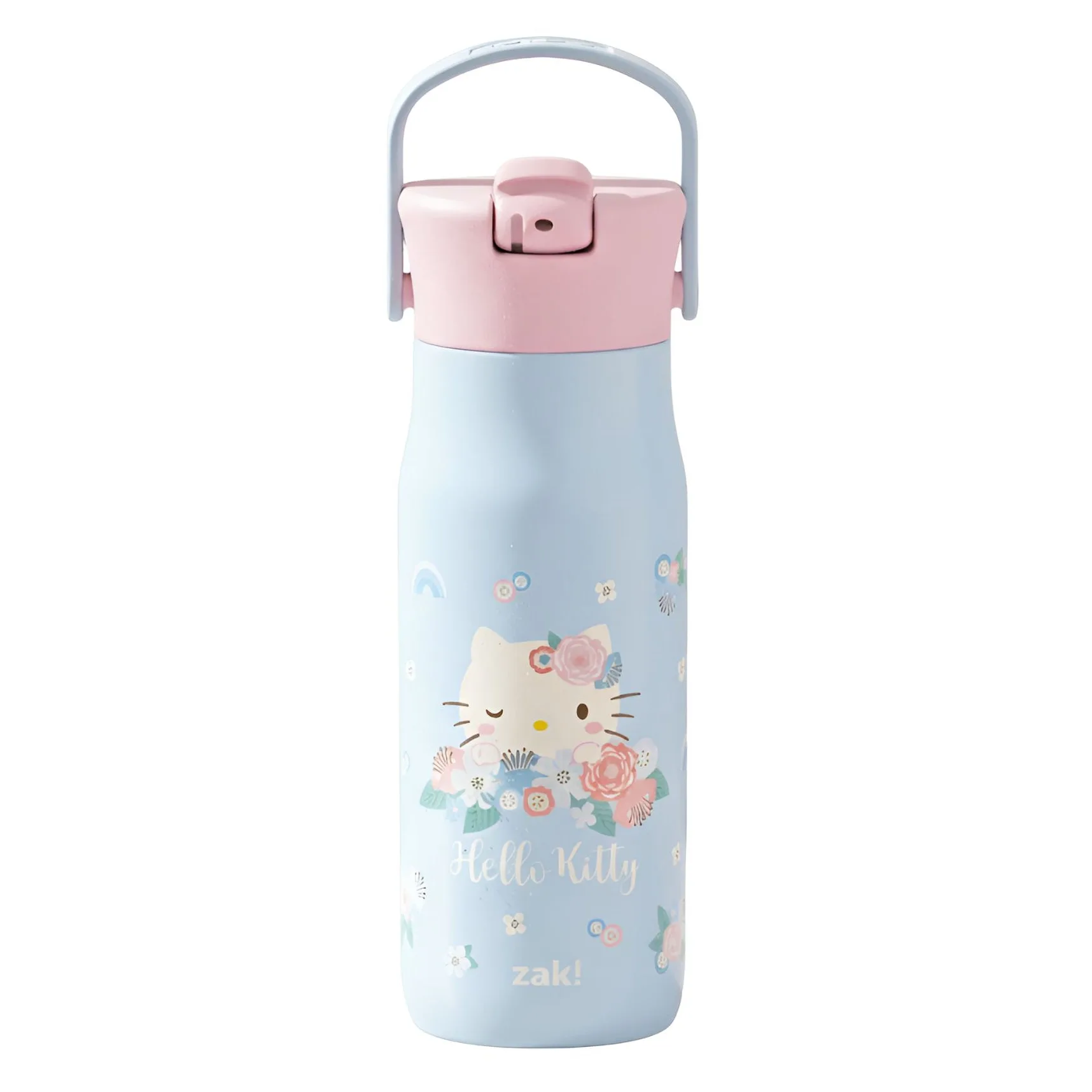
- https://zak-us.com/products/harmony-insulated-bottle-20-oz-78756https://zak-us.com/products/harmony-insulated-bottle-20-oz-78758https://zak-us.com/products/harmony-insulated-bottle-20-oz-78780https://zak-us.com/products/harmony-insulated-bottle-20-oz-78781Harmony Insulated Bottle, 20 oz.: This stainless steel, vacuum-insulated bottle keeps drinks chilled for hours and is dishwasher safe for easy cleanup. The bite-resistant spout adds extra durability. Dishwasher-safe parts make it simpler to thoroughly clean every component, reducing the chance of odor-causing buildup.
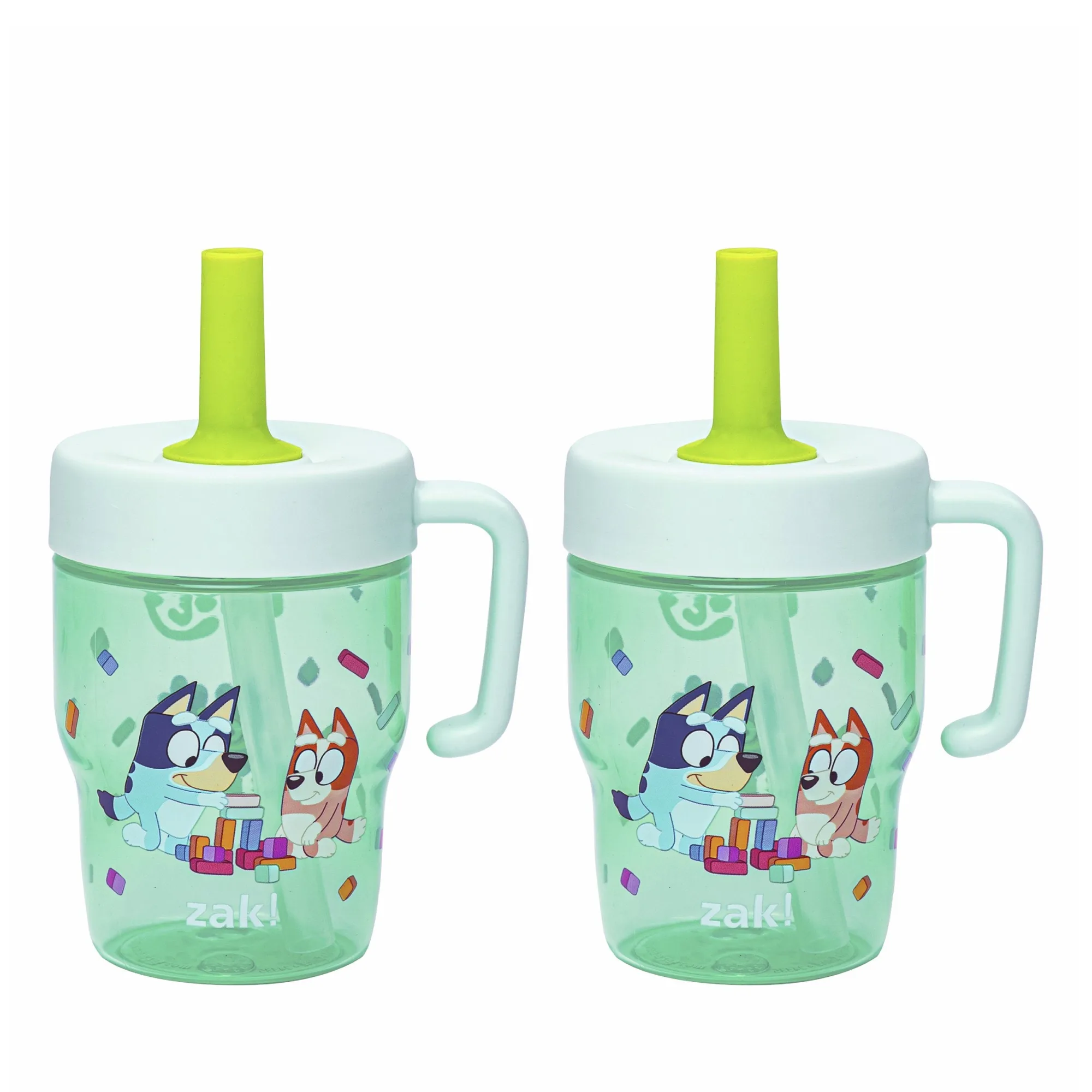
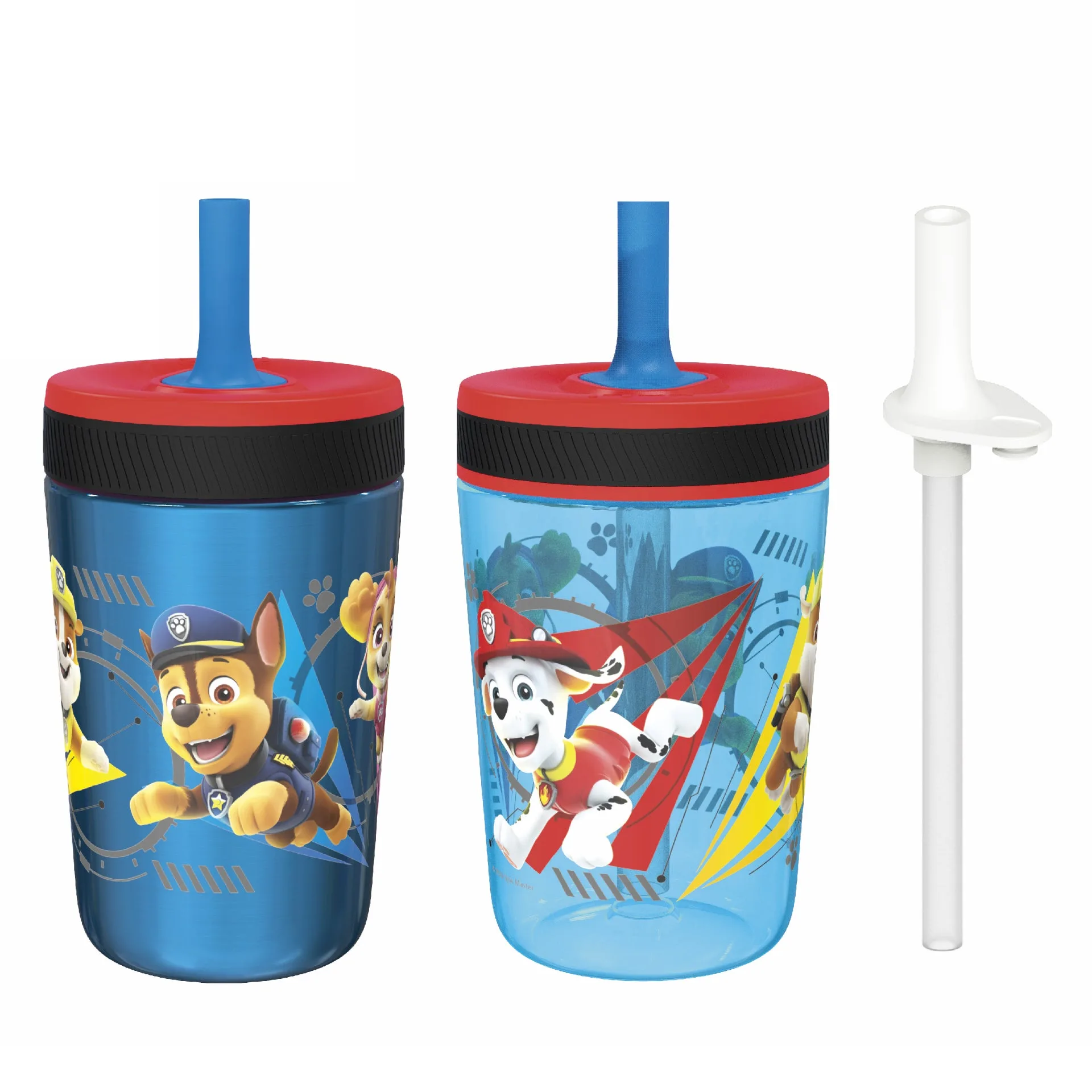
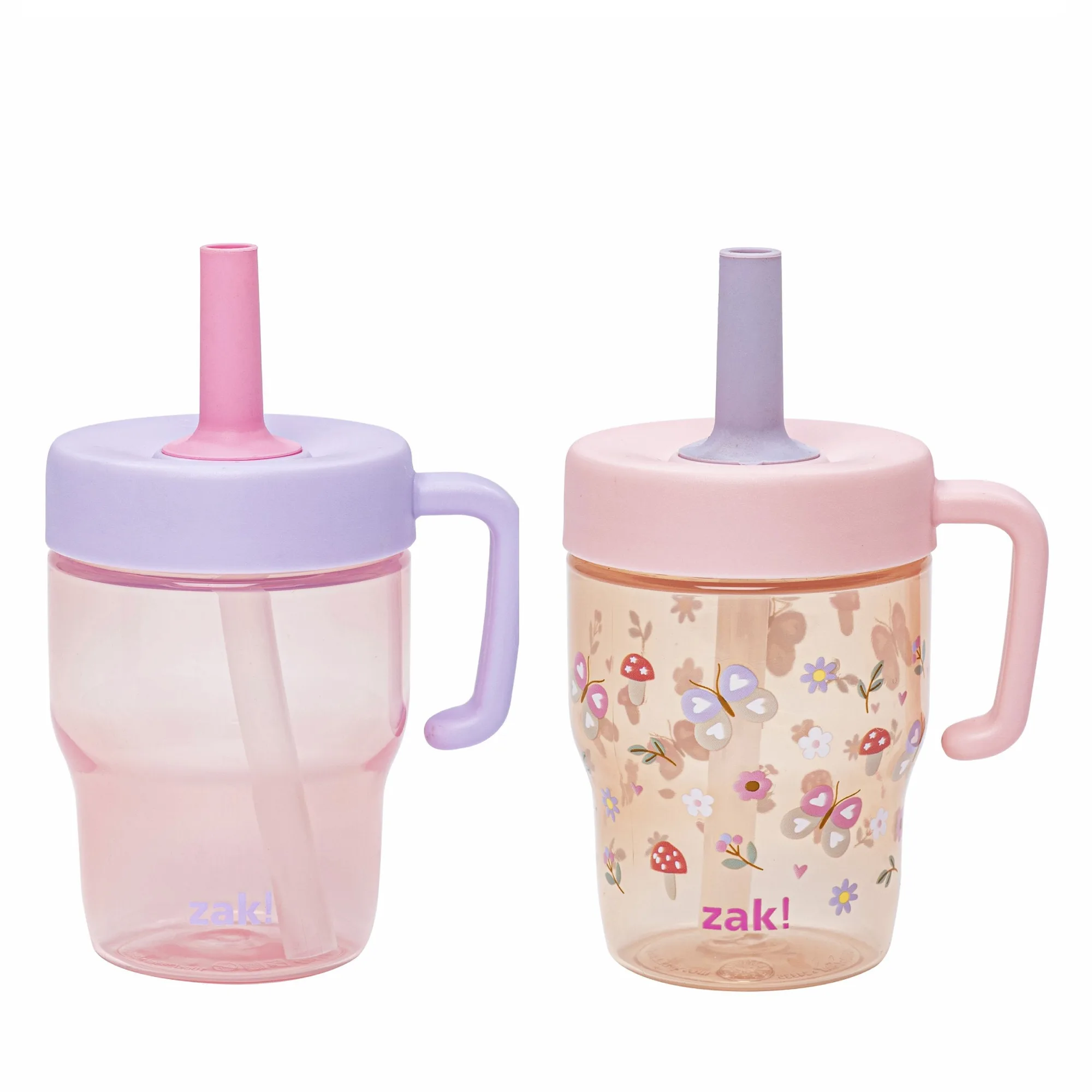
- Capri Tumbler, 10 oz. (2 Pack): The silicone sipper spout has a built-in valve that stops water from flowing when no one is drinking, so kids can quench their thirst without the mess if it tips over. The valve design can trap moisture, so it's important to clean the spout regularly. Its dishwasher-safe parts (if applicable) help prevent lingering smells.
A smelly insulated bottle is a common annoyance, but with regular cleaning and proper drying, you can keep it fresh and ready for your next sip. If odors persist, consider replacing your bottle to ensure safe and pleasant hydration.