Quick answer
Clumpy matcha usually comes from static, moisture, or weak whisking, not from the tea itself. Sift the powder through a fine strainer, use water around 160–175°F (70–80°C), and whisk in a fast W or zigzag motion until the surface is evenly foamy. If clumps persist after that, the powder has likely absorbed moisture and you should replace it.
Sift First, Whisk Second
Sifting matcha powder breaks up the tiny static-charged clumps that form in the bag, so the whisk can do its job. Hold a fine-mesh strainer over your bowl and press the matcha through with a small spoon or your fingers. You should see a light, even dusting of powder, not dense little pebbles. If your strainer is too coarse, the clumps pass straight through and you are back to square one.
Water Temperature and Pouring Matter
Matcha water temperature is a common culprit behind both clumps and bitterness. Water that is too hot can scorch the powder and make it clump as it hits the bowl, while water that is too cool does not dissolve the particles well. Aim for 160–175°F (70–80°C). If you do not have a thermometer, boil the water and let it sit for about five minutes before pouring. Pour slowly in a small stream rather than dumping all the water in at once; this gives the powder time to hydrate.
Whisking Technique That Actually Works
A proper matcha whisking technique is fast and light, not hard and slow. Hold the bowl steady with one hand and whisk with the other, moving the whisk in a tight W or zigzag pattern across the bottom of the bowl. Keep the whisk near the surface, not pressed down hard. After 15–20 seconds you should see a fine, even foam with no dry pockets. If you are still seeing lumps, stop and check your sifting and water temperature before whisking longer, because over-whisking can make the tea cool and flat.
When to Stop Fixing and Switch Powders
If you have sifted, used the right water temperature, and whisked correctly and the matcha still clumps, the powder has probably taken on moisture from storage. Matcha is hygroscopic, meaning it pulls water from the air. Once that happens, no amount of whisking will give you a smooth matcha bowl. At that point, replace the powder rather than fighting it. Store matcha in an airtight container away from heat and light, and use it within a few weeks of opening for the best texture.
Clump Diagnosis: Match the Symptom to the Fix
- Dry clumps that sit on top of the water: This is almost always a sifting problem. The powder was not broken up before liquid hit it, so the outside of each clump got wet while the inside stayed dry. Sift the matcha through a fine strainer before adding any water. If you see dry pockets after whisking, stop and sift next time.
- Clumps that form as soon as water touches the powder: This points to water that is too hot or poured too fast. The powder cooks on contact and seizes into lumps. Let boiled water cool for about five minutes, then pour in a slow, thin stream while whisking gently. Aim for 160–175°F (70–80°C) and pour slowly.
- Small lumps that never fully disappear no matter how long you whisk: This usually means the powder has absorbed moisture during storage. Matcha is hygroscopic and will clump permanently once it takes on water from the air. Check the powder by rubbing a pinch between your fingers; if it feels damp or sticky, it is past its best. Replace the matcha and store the new tin airtight, away from heat and light.
Flavored Matcha to Try Once Your Technique Is Smooth
- Blackberry Matcha: Blackberry Matcha is a fresh and fruity matcha with notes of sweet, ripe blackberry, and it works iced or swirled through milk for a berries-and-cream-style latte. Flavored matcha blends can clump just like plain matcha, so the same sifting and water-temperature rules apply. If you like berry flavors, this is a good one to practice your whisking on.
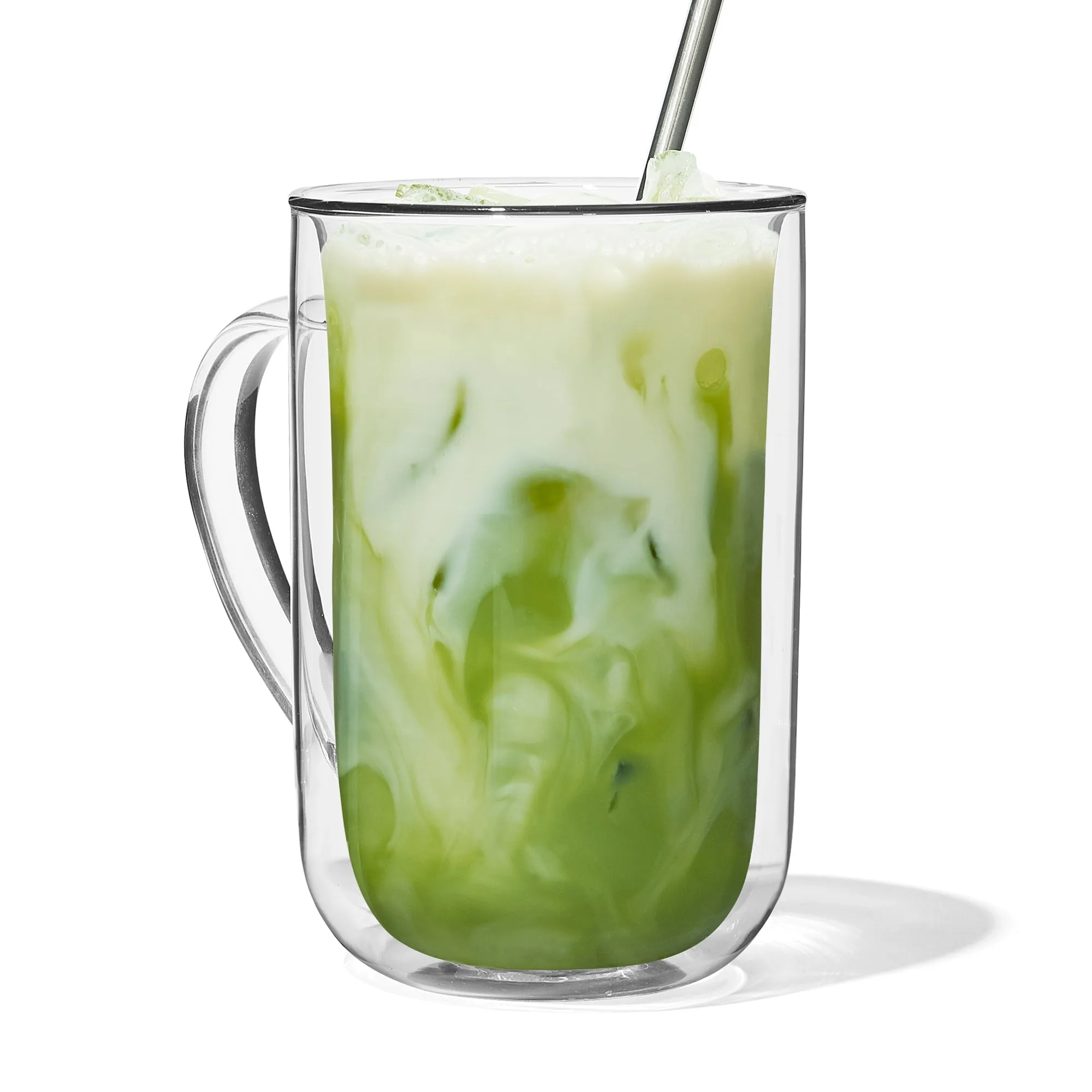
Blackberry Matcha
- Organic Coconut Matcha: Organic Coconut Matcha has rich, creamy true-coconut flavor and can be enjoyed iced, as a latte, or au naturel; the catalog suggests trying it with coconut milk for an extra coconutty kick. Coconut matcha is naturally sweet and smooth, which makes it forgiving for beginners who are still getting their whisking motion consistent.
- Organic Gingerbread Matcha: Organic Gingerbread Matcha is an all-natural blend inspired by freshly baked gingerbread, described as sweet, spicy, and heartwarming, and it is especially good whipped up as a frothy green tea latte. This one is a cozy option for hot lattes. If you are using a frother instead of a whisk, add the matcha to a small amount of warm water first to prevent clumps before adding milk.