Quick Answer
If your natural deodorant stops working, it's usually due to a transition period, product buildup, or a mismatch between your body chemistry and the formula. The fix often involves a proper detox, exfoliating your underarms, and switching to a cream or balm that offers longer-lasting protection. Give it 2-4 weeks before trying a different product.
You've made the switch to natural deodorant, excited to ditch aluminum and synthetic chemicals. But a few weeks in, you notice that it's just not cutting it anymore. You're not alone. Many people experience a period where their natural deodorant seems to stop working, leading to frustration and the temptation to go back to conventional antiperspirants.
The good news is that this is often a temporary phase with simple solutions. In this article, we'll explore the common reasons why natural deodorant can fail, and provide practical fixes to help you stay fresh and confident—without compromising your zero-waste values.
The Detox Period: Why Your Body Needs Time to Adjust
When you stop using antiperspirants that contain aluminum, your body needs time to flush out the buildup that has been blocking your sweat glands. This 'detox' period can last anywhere from 2 to 4 weeks, during which you might experience increased sweating and odor. It's your body's natural way of resetting.
During this time, your natural deodorant may seem ineffective because it's working overtime to combat the sudden release of toxins and bacteria. Be patient and consistent. You can support the process by staying hydrated, eating a balanced diet, and gently exfoliating your underarms to remove dead skin cells where odor-causing bacteria thrive.
- Use a gentle exfoliating scrub or a soft cloth to clean your underarms daily.
- Consider taking a break from deodorant on days you're at home to speed up the detox.
Product Buildup: The Silent Killer of Effectiveness
Natural deodorants, especially those in stick form, can leave a residue on your skin that builds up over time. This layer of product can actually trap bacteria and prevent the active ingredients from reaching your skin, making the deodorant less effective.
To fix this, make sure you're washing your underarms thoroughly with soap and water, and exfoliate 2-3 times a week to remove any buildup. Also, ensure you're applying the deodorant to clean, dry skin—not on top of previous layers.
- Switch to a cream or balm formula that absorbs more easily and leaves less residue.
- If you use a stick, wipe off any excess product before application.
Formula Mismatch: Finding the Right Fit for Your Body
Not all natural deodorants are created equal. Some are designed for light activity, while others offer stronger protection. If you're very active or have a naturally strong body odor, you might need a formula with more potent ingredients like baking soda or charcoal.
Also, consider the form: cream deodorants often provide longer-lasting protection because they create a more effective barrier on the skin. If you've been using a stick and it's not working, try a cream or balm. Our Lotion Bar is a multi-purpose moisturizer that can also be used as a base, but for deodorant specifically, look for a dedicated cream.
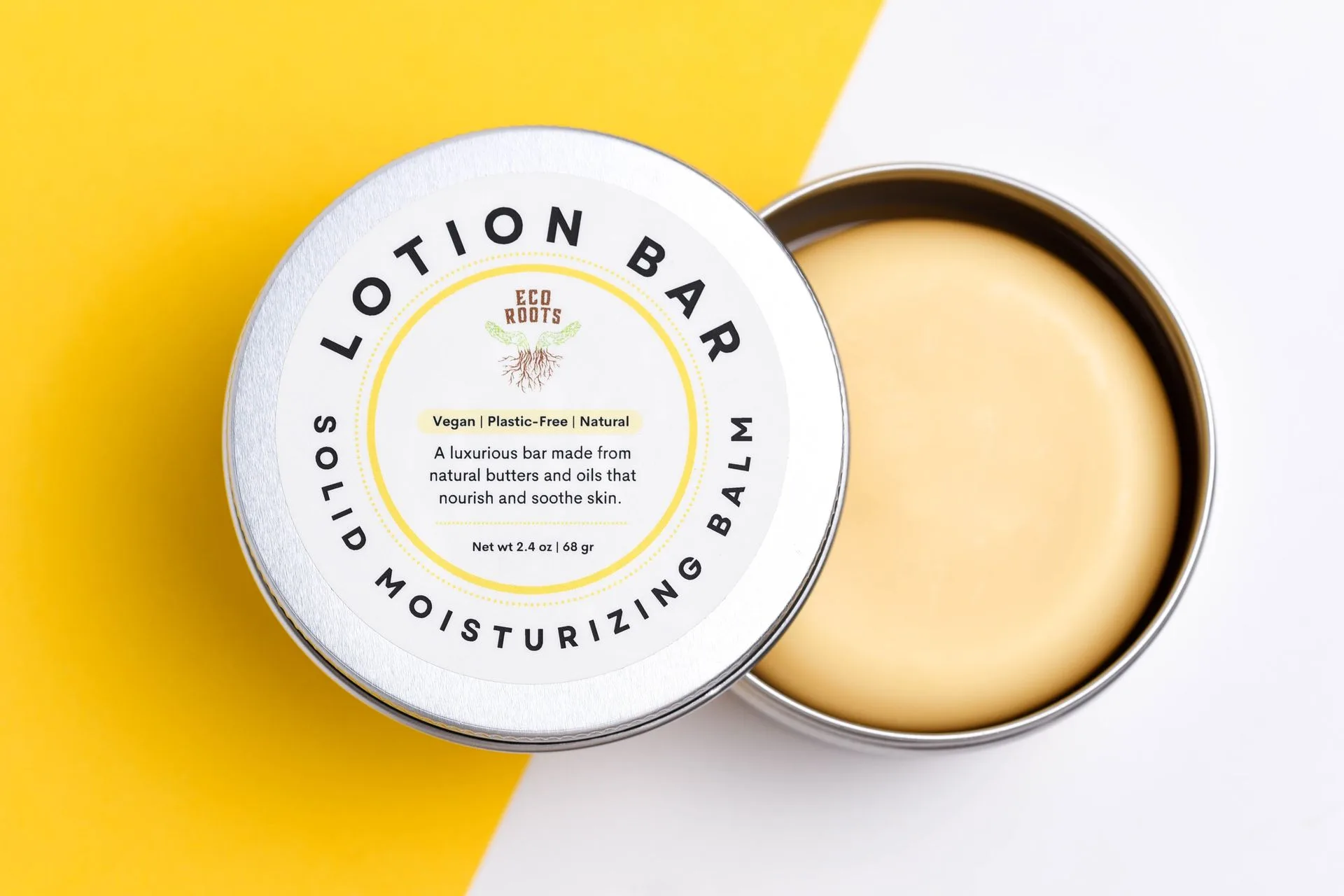
Lotion Bar
Another factor is the pH of your skin. Some natural deodorants work better on slightly acidic skin, while others are more alkaline. If you're not sure, experiment with different formulations to see which one works best for you.
- If you sweat heavily, look for deodorants with baking soda or charcoal.
- Try a cream or balm instead of a stick for longer-lasting protection.
Application Mistakes: How You Apply Matters
How you apply your natural deodorant can significantly impact its effectiveness. Many people apply too little, or they apply it right after showering when their skin is still damp, which dilutes the product.
For best results, apply a thin, even layer to completely dry underarms. If you're using a cream, warm it between your fingers first to make it easier to spread. Also, remember that a little goes a long way—over-applying can cause buildup and reduce effectiveness.
- Apply to dry skin, not damp.
- Use a pea-sized amount of cream or balm, and rub it in thoroughly.
When to Give Up and Try Something Else
If you've given your natural deodorant a fair trial (4-6 weeks) and it's still not working, it might be time to try a different formula. Some people find that certain ingredients, like baking soda, can irritate their skin, while others may need a stronger concentration of odor-fighting agents.
Consider trying a deodorant with a different base, such as shea butter or coconut oil, which can be more effective for some. Also, check if your deodorant contains probiotics or enzymes that help balance the skin's microbiome. If you're still struggling, it's okay to use a hybrid approach—using natural deodorant on low-activity days and a stronger option for intense workouts.
- If you experience skin irritation, switch to a baking soda-free formula.
- Don't be afraid to rotate between two natural deodorants to prevent your skin from getting used to one.
Diagnosis: Why Your Natural Deodorant Fails
- Symptom: Increased odor or sweating: This is common during the first 2-4 weeks as your body detoxes from antiperspirants. The natural deodorant is working, but your body needs time to adjust. Wait it out and support your body with hydration and exfoliation.
- Symptom: Deodorant stops working after a few weeks: Likely due to product buildup on the skin, which traps bacteria and blocks the active ingredients. Exfoliate your underarms 2-3 times a week and ensure you're applying to clean, dry skin.
- Symptom: Irritation or rash: This might indicate a sensitivity to baking soda or other ingredients in your deodorant. Switch to a baking soda-free formula or a cream with soothing ingredients like shea butter.
Product Facts: What to Look For
- Lotion Bar: This zero waste lotion bar is an all-over, daily rich moisturizer that keeps you hydrated without any waste. Loaded with skin-loving butters, natural plant oils, and wild-crafted vegan candelilla wax to seal in moisture. While not a deodorant, using a moisturizing lotion bar on your underarms can help soothe skin during the detox period and prevent dryness from frequent washing.
- Vegan Lip Balm Set: Handcrafted with vegan, organic ingredients like Shea Butter, Coconut Oil, and Vitamin E, our vegan lip balm deeply nourishes and helps soothe even the driest lips. The same nourishing ingredients in this lip balm can be used to create a DIY deodorant or to soothe irritated underarms, offering a multi-purpose solution for sensitive skin.
Your natural deodorant can absolutely work, but it may require a little patience and experimentation. Remember to give your body time to adjust, keep your underarms clean and exfoliated, and don't be afraid to try different formulas. If you're looking for a gentle, moisturizing option to support your skin during the transition, consider the Lotion Bar—it's a versatile addition to your zero-waste routine.