Quick Answer
Your perfume smells different on your skin because of your unique skin chemistry—pH, oil levels, moisture, and even diet affect how fragrance molecules evaporate. To get the best result, test fragrances on your skin and choose ones that complement your skin type.
You spray a fragrance in the store and love it, but hours later it smells nothing like the tester. This common frustration has a scientific explanation: your skin's chemistry interacts with perfume in ways that can amplify, mute, or transform certain notes. Understanding this can save you from wasted purchases and help you find scents that truly shine on you.
Skin chemistry is a mix of factors including pH level, oiliness, hydration, and even your body's natural scent. These variables affect how fast a perfume evaporates and which notes become dominant. The good news is that with a few practical steps, you can predict and even improve how a fragrance behaves on your skin.
What Causes Perfume to Change on Your Skin?
Your skin's pH, typically between 4.5 and 5.5, can alter the acidity of the perfume's top notes. Acidic skin tends to make citrus notes sharper, while more alkaline skin can soften them. This is why the same perfume can smell different on two people.
Oil and moisture levels also play a role. Dry skin tends to absorb fragrance quickly, making it fade faster, while oily skin holds scent longer but can distort certain notes. Hydration and even your diet, like spicy foods, can subtly influence your body's natural scent and how it blends with perfume.
- Test fragrance on your skin, not just on a paper strip.
- Wait at least 15 minutes to assess the heart notes, not just the opening.
How to Choose a Perfume That Works with Your Skin Type
If you have dry skin, look for richer, oil-based formulas or layer with an unscented moisturizer to help the scent last longer. For oily skin, lighter eau de parfum concentrations may perform better without becoming overpowering. Understanding your skin's tendencies helps you narrow down the best fragrance families.
For example, woody and amber notes tend to be more forgiving on varied skin types, while fresh citrus can fade quickly on dry skin. Consider testing a few L'Artisan Parfumeur options like Tenebrae Eau de Parfum 75ml for a rich, resinous profile that often holds well on dry skin, or Tonka Blanc Eau de Parfum 100ml for a creamy, comforting scent that adapts to many skin types.
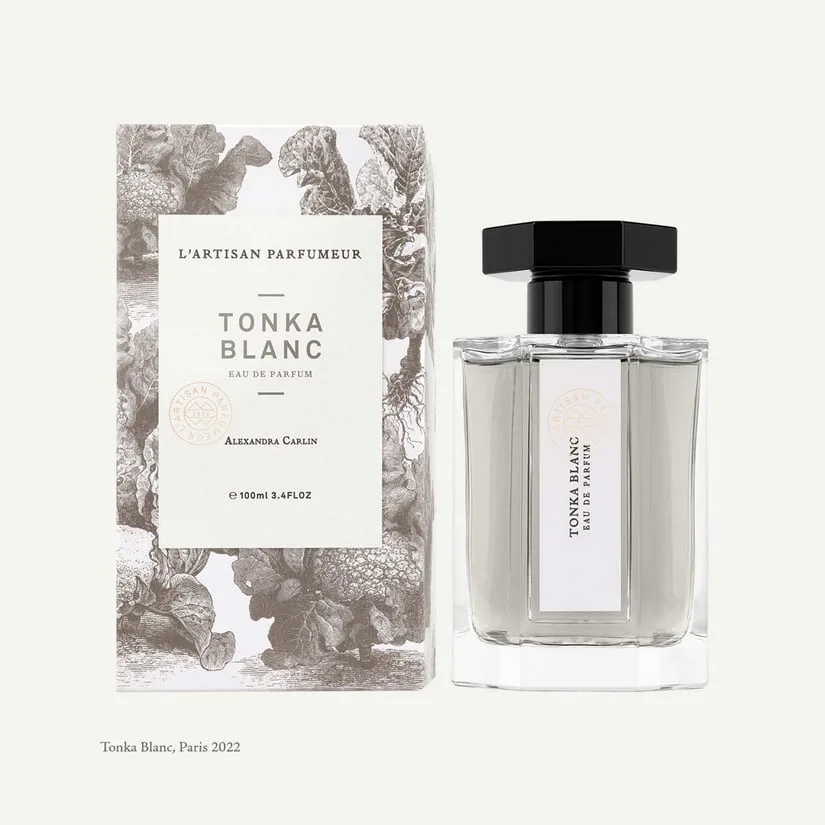
Tonka Blanc Eau de Parfum 100ml
Practical Tips for Testing Fragrances on Your Skin
Always apply perfume to clean, moisturized skin, preferably after a shower. Avoid rubbing your wrists together, as friction can crush the top notes and alter the scent. Instead, spray and let it dry naturally.
Test only one or two fragrances at a time to avoid nose fatigue. Wear the scent for a full day, including through meals and exercise, to see how it evolves. This gives you a true picture of how it will smell on you in real life.
- Use unscented lotion before applying perfume to help it last.
- Spray on pulse points like wrists, neck, and behind the ears.
Diagnosing Your Perfume Skin Reaction
- Symptom: Your perfume smells sharp, sour, or completely different after a few hours on your skin. This is a sign of your skin chemistry altering the fragrance, not a faulty product.
- Likely Cause: Your skin's pH, oiliness, or dryness is interacting with specific notes in the perfume. Identify your skin type to narrow down which fragrance families may work better.
- Corrective Action: Test fragrances on your skin before buying, and try layering with an unscented moisturizer to stabilize the scent. If a fragrance still doesn't work after these steps, it's likely not compatible with your skin chemistry.
- Stop or Choose Another Option: If a perfume consistently smells off on your skin despite testing, choose a different scent that complements your natural chemistry. Don't force a fragrance; there are many L'Artisan Parfumeur options to explore that may suit you better.
Products to Consider
- Tenebrae Eau de Parfum 75ml | L'Artisan Parfumeur: This product is an Eau de Parfum, which typically has a higher concentration of fragrance oils than Eau de Toilette. A higher concentration means the scent is more likely to last longer on your skin, even if your skin chemistry tends to mute lighter fragrances.
- Tonka Blanc Eau de Parfum 100ml: This product is an Eau de Parfum, offering a balance of intensity and longevity. Its creamy tonka bean and vanilla notes are known to be skin-friendly and can adapt well to different skin chemistries, making it a safer blind buy.
Understanding your skin chemistry is the key to finding fragrances that smell amazing on you. By testing properly and choosing scents that align with your skin type, you can enjoy a perfume that truly feels like your own. Explore L'Artisan Parfumeur's collection to discover scents that work with your unique chemistry.