Quick answer
Rosaries most often break because of weak links, worn cord, or stress from frequent handling. You can fix many breaks at home with basic tools and a little patience, but if the damage is severe or the rosary holds sentimental value, it may be better to replace it or consult a professional.
Common causes of rosary breakage
Understanding why your rosary breaks is the first step to preventing it. The most frequent culprit is the metal links or wire that connect the beads. These can weaken over time, especially if the rosary is made of inexpensive materials or if the links are thin. Another common cause is the cord or string that runs through the beads; it can fray or snap after years of use, particularly if the beads are heavy or have sharp edges. Finally, stress from daily handling—such as twisting the rosary, keeping it in a pocket or purse without protection, or exposing it to extreme temperatures—can accelerate wear and tear.
How to fix a broken rosary
If your rosary breaks, you can often repair it yourself. For a break in the chain, use small jewelry pliers to open the link at the break, reattach the two ends, and gently close the link. If the break is in the cord, you may need to rethread the beads; this requires patience and a needle or a thin wire to guide the cord through each bead. For a broken centerpiece or crucifix, you can often replace the finding with a new one from a craft store. If the rosary is made of a material that is difficult to work with, or if you are not comfortable with DIY repairs, consider taking it to a jeweler or a religious goods store that offers repair services.
Preventing future breakage
To keep your rosary intact, handle it gently and avoid pulling or twisting the beads. Store it in a protective pouch or a dedicated box when not in use. Keep it away from direct sunlight and excessive heat or moisture, which can weaken materials. Regularly inspect the links and cord for signs of wear, and address any weak spots before they break. If you use your rosary daily, consider having a backup so you can rotate them and reduce stress on any single one.
Diagnosis: Is your rosary worth fixing?
- Symptom: Beads are loose or the chain has a visible gap: This usually indicates a weak link that is about to break. You can often fix it by closing the link with pliers. If the link is cracked or bent, replace it with a new one to prevent future breaks.
- Symptom: The cord is frayed or snapped: Fraying is a sign that the cord is wearing out. If it breaks, you will need to rethread the beads. If the cord is frayed but not broken, consider restringing the rosary proactively to avoid losing beads.
- Symptom: The centerpiece or crucifix is loose or broken: This part often takes the most stress. If it is loose, tighten the finding; if broken, replace it. If the replacement part is not easily available, or if the rosary is a family heirloom, consult a professional repair service.
Rosaries that stand up to daily use
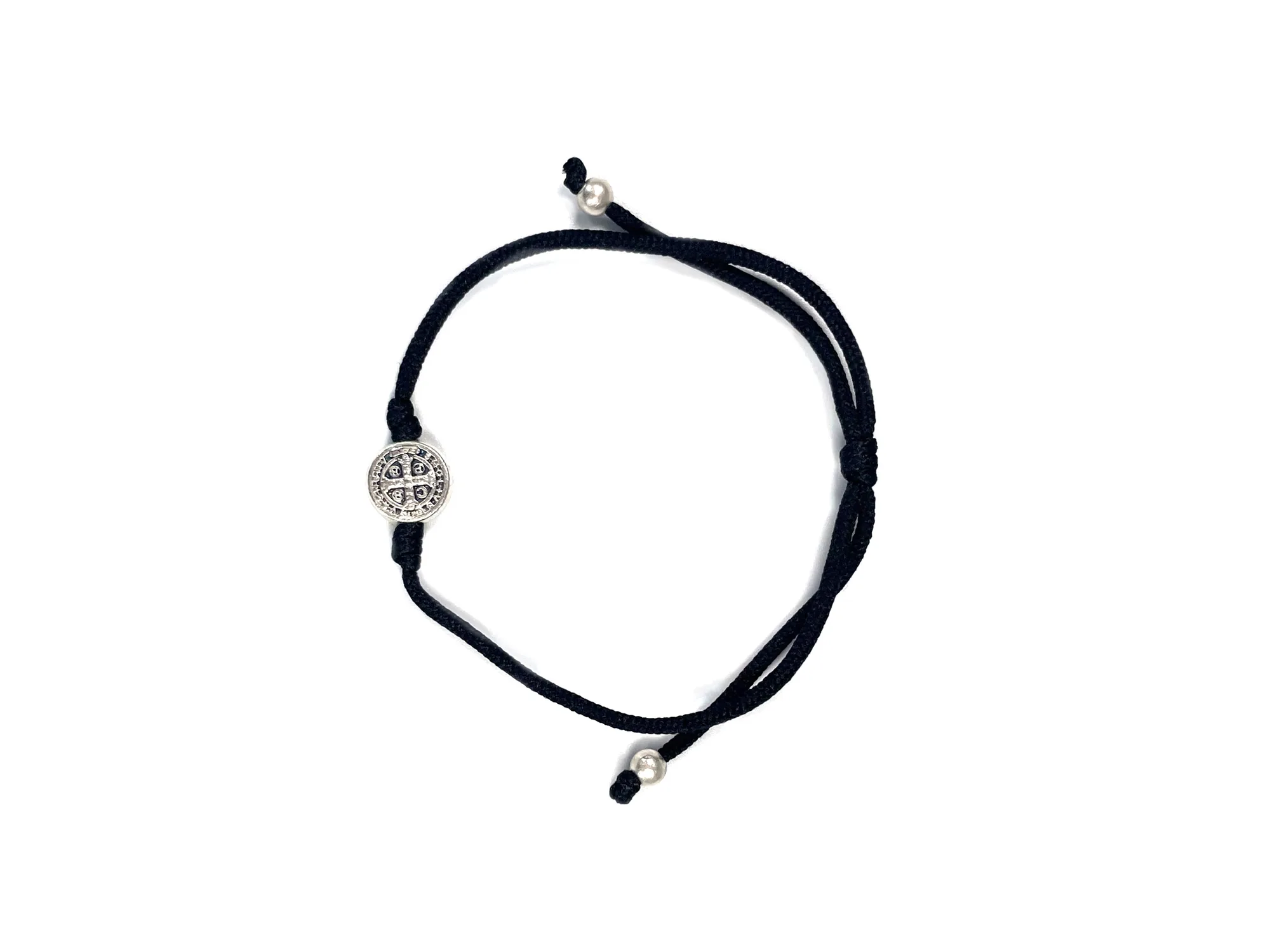
- Saint Benedict cord bracelet: The Saint Benedict cord bracelet is crafted with traditional style and high-quality materials, designed to last. The adjustable nylon cord fits comfortably on any wrist size. If you prefer a rosary alternative that is more durable and less prone to breaking, this bracelet offers a sturdy nylon cord and a simple design—ideal for everyday wear.