Quick Answer
Scalp itching after shampoo usually comes from harsh detergents, fragrances, or allergens in your shampoo. Switching to a gentle, organic shampoo for sensitive scalp and rinsing thoroughly can often resolve the irritation. If the itch persists or is accompanied by redness, flaking, or pain, see a dermatologist to rule out an underlying condition.
You step out of the shower and your scalp starts to tingle, then itch. It's a common complaint, but it's not normal. Your shampoo should leave your scalp feeling clean and comfortable, not irritated. When itching happens right after washing, the culprit is often in the ingredients you just lathered onto your head.
This article walks through the most common causes of scalp itching after shampoo and gives you practical, natural solutions to calm a sensitive scalp. We'll also point out when it's time to stop guessing and get professional advice.
Common Causes of Itchy Scalp After Shampoo
The most frequent trigger is sodium lauryl sulfate (SLS), a strong detergent that strips away your scalp's natural oils. Without that protective barrier, your skin becomes dry and easily irritated. Fragrances and preservatives like methylisothiazolinone can also cause contact dermatitis, leading to itching, redness, or bumps.
Another overlooked cause is improper rinsing. Shampoo residue left on the scalp can dry and flake, mimicking dandruff but actually being a reaction to leftover product. Hard water with high mineral content can also leave a film that irritates sensitive skin. If you've recently switched shampoos, that new formula might simply not agree with your scalp.
- Check the ingredient list for sulfates, parabens, and synthetic fragrances.
- Rinse your hair longer than you think you need to, especially at the hairline and nape of the neck.
How to Soothe an Itchy Scalp Naturally
Start by switching to a gentle, organic shampoo for sensitive scalp. Look for formulas that are free from sulfates, parabens, and artificial fragrances. Organic ingredients like aloe vera, chamomile, and tea tree oil can calm inflammation and reduce itching without stripping your scalp.
In addition to changing your shampoo, try a cool water rinse instead of hot, which can worsen irritation. Massaging your scalp with a few drops of jojoba or coconut oil before washing can help restore moisture. Avoid scratching; it can break the skin and lead to infection. Instead, apply a cool compress or a gentle, fragrance-free moisturizer to the affected area.
- Patch test any new shampoo on your inner arm before using it on your scalp.
- Give your scalp a break from styling products for a few days to see if the itching subsides.
Choosing the Right Organic Shampoo for a Sensitive Scalp
When you have a sensitive scalp, the best shampoo is one that cleanses gently without harsh additives. Poofy Organics offers products designed with natural, organic ingredients that respect your skin's balance. While they are known for skincare, their gentle approach to cleansing extends to their bath and body products, which can be a good starting point for your switch.
Look for a shampoo that is labeled 'unscented' or 'fragrance-free' if you suspect fragrance is the issue. If your scalp is also dry, a moisturizing formula with honey or aloe can help. Remember that 'natural' doesn't always mean 'gentle'—some natural ingredients like citrus oils can still irritate sensitive skin. Always check the label and start with a small amount to see how your scalp reacts.
- Avoid shampoos with essential oils if you have known allergies to citrus or tree nuts.
- Consider a shampoo with a short ingredient list—fewer ingredients mean fewer potential irritants.
Diagnosis: Is It Your Shampoo or Something Else?
- Symptom: Itching begins shortly after shampooing and may be accompanied by dryness, redness, or flaking. Note when the itch starts and what products you used.
- Likely Cause: Harsh detergents (like SLS), synthetic fragrances, or preservatives in your shampoo are common culprits. Check your shampoo's ingredient list for these irritants.
- Corrective Action: Switch to a gentle, organic shampoo for sensitive scalp, rinse thoroughly, and avoid hot water. Give your scalp a week to adjust to the new routine.
- Stop or Choose Another Option: If the itching persists for more than two weeks, or if you see severe redness, swelling, or oozing, stop self-treatment. See a dermatologist to rule out conditions like seborrheic dermatitis, psoriasis, or an allergy.
Natural Options to Consider
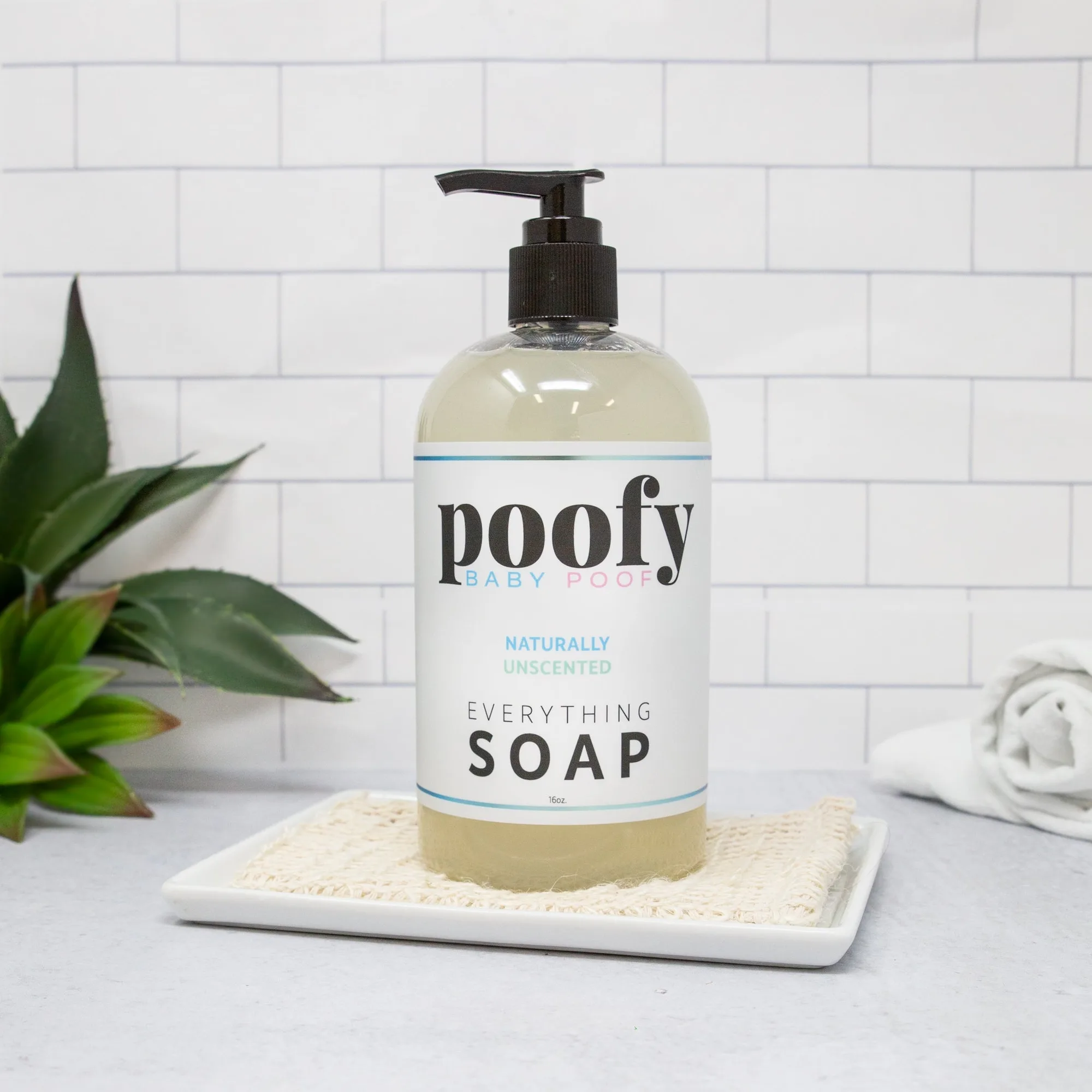
- Baby Everything Soap Naturally Unscented: The Baby Everything Soap provides you with a gentle, unscented solution to your baby’s bath time needs. It’s gentle application and feeling is calming and perfect for even sensitive skin. If your scalp itch comes from fragrance or harsh detergents, an unscented, gentle cleanser like this can be a safe alternative for washing your hair and body, especially for sensitive skin.
- Honey Exfoliating Soap Bar Organic: Indulge your skin with the gentle, natural exfoliation of our Honey Exfoliating Soap Bar. Crafted with organic ingredients, this bar cleanses while helping to buff away dead skin cells, leaving your skin feeling soft and refreshed. If flaky, itchy scalp is due to a buildup of dead skin cells, gentle exfoliation with this organic bar can help remove them without harsh scrubbing, but it's best used on the body and not directly on the scalp unless your dermatologist approves.
An itchy scalp after shampoo is a clear signal that something in your routine isn't right. Start by simplifying your hair care with gentle, organic products and rinsing well. If the itch doesn't settle, don't hesitate to get a professional diagnosis—your scalp will thank you.