Quick Answer
Toothpaste foams because it contains sodium lauryl sulfate (SLS), a detergent that creates bubbles to help spread the paste and lift debris. While SLS is effective, it can cause irritation for some people, which is why many natural alternatives use gentler, low-foam ingredients.
Have you ever wondered why your toothpaste sud up like soap? The culprit is sodium lauryl sulfate (SLS), a common detergent found in many oral care products. It’s the ingredient that makes brushing feel foamy and 'clean,' but it’s not essential for effective cleaning.
In this article, we’ll break down what SLS does, why it might be worth avoiding, and what to look for in natural, low-foam alternatives. We’ll also share some product examples that skip the harsh suds.
What Is SLS and Why Does It Create Foam?
Sodium lauryl sulfate is a surfactant, meaning it lowers the surface tension between ingredients, allowing them to spread easily. In toothpaste, it creates the foamy lather that helps distribute the paste around your mouth and dislodge food particles. That satisfying foam is mostly cosmetic—it doesn’t necessarily mean your teeth are getting cleaner.
The foam can also make brushing feel more thorough, which is why many people associate suds with effectiveness. However, the actual cleaning power of toothpaste comes from its abrasives and active ingredients like fluoride, not the bubbles. So, if you prefer a low-foam experience, you’re not sacrificing cleanliness.
- Foam is created by SLS, a detergent that helps spread the toothpaste.
- Cleaning effectiveness comes from abrasives and fluoride, not foam.
Is SLS in Toothpaste Bad? The Honest Tradeoffs
SLS is generally recognized as safe by health authorities, but it can cause problems for some people. It’s a known irritant that can trigger canker sores, dry mouth, or a burning sensation, especially for those with sensitive gums or existing oral conditions. If you experience these issues, switching to an SLS-free toothpaste might bring relief.
On the other hand, SLS is effective and inexpensive, which is why it’s so common. It’s not 'bad' for everyone—many people use it without issues. The key is to listen to your body. If your mouth feels irritated after brushing, SLS could be the culprit, and trying a natural alternative is a low-risk experiment.
- SLS can irritate sensitive mouths and may worsen canker sores.
- If you don’t have issues, SLS is safe and effective.
Natural Toothpaste No Foam: What to Look For
Natural toothpastes often replace SLS with gentler plant-based surfactants or skip foaming agents altogether. They rely on ingredients like baking soda, coconut oil, or essential oils for cleaning and flavor. These options produce little to no foam, which can feel different at first but often becomes a preferred, less messy experience.
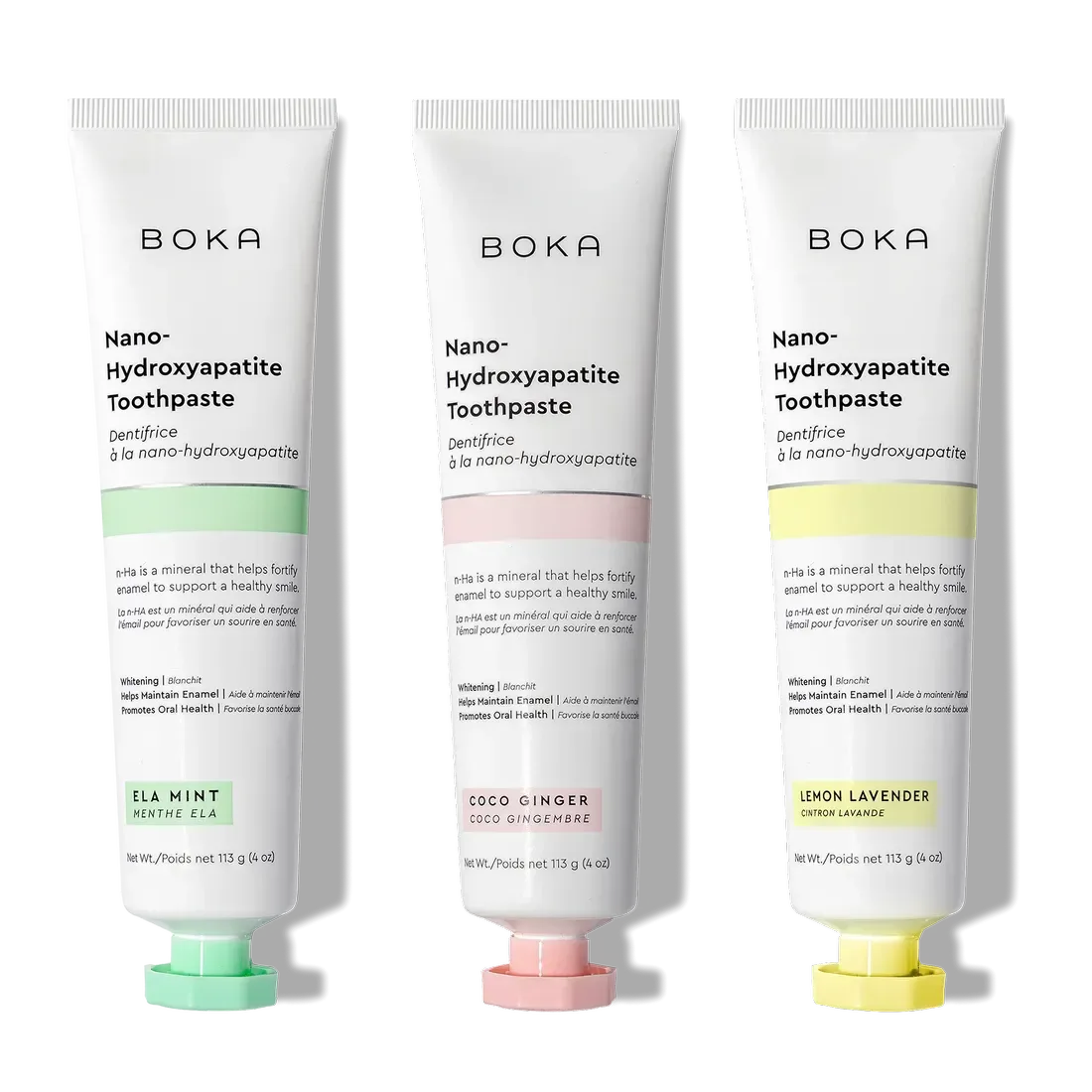
When choosing a low-foam toothpaste, check the label for 'SLS-free' or 'sodium lauryl sulfate-free.' Also consider the active ingredients—if you want cavity protection, look for fluoride or hydroxyapatite. Many natural brands offer fluoride-free options, but you can also find SLS-free versions that still include fluoride for those who want both.
- Look for 'SLS-free' on the label.
- Check for fluoride or hydroxyapatite for cavity protection.
Verdicts on Common Foam Myths
- Myth: More foam means a deeper clean: Foam is just a visual effect from SLS. The real cleaning comes from abrasives and active ingredients. Don’t judge toothpaste by its suds.
- Myth: SLS is toxic and must be avoided: SLS is safe for most people, but it can irritate sensitive mouths. It’s not toxic, but it may not be right for everyone. Switch to SLS-free only if you experience irritation.
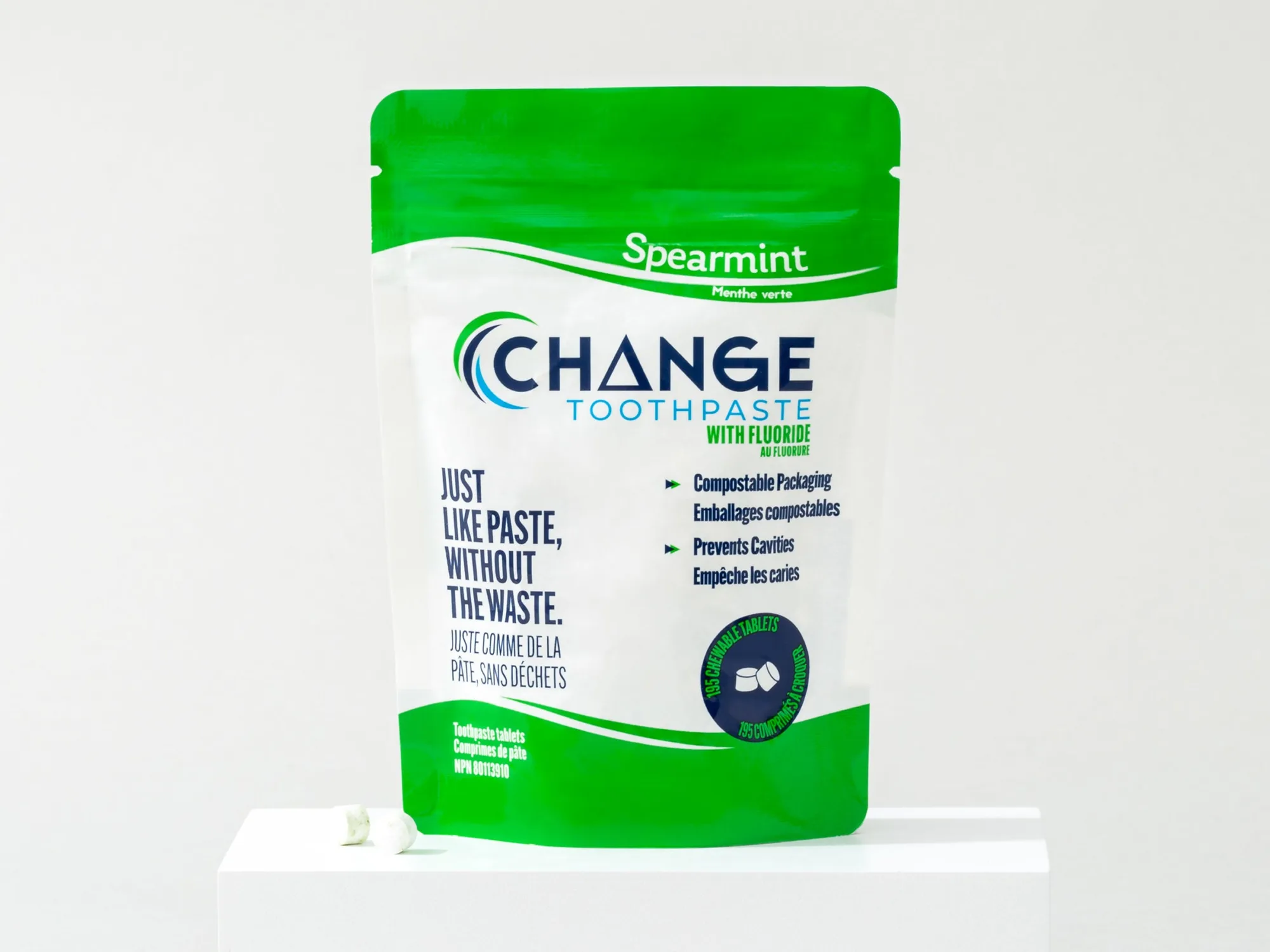
- Myth: Natural toothpaste can’t prevent cavities: Natural toothpaste can include fluoride (like the 3-Month Spearmint Tablets) or hydroxyapatite for cavity protection. Check the label for active ingredients, not just 'natural.'
SLS-Free Product Picks
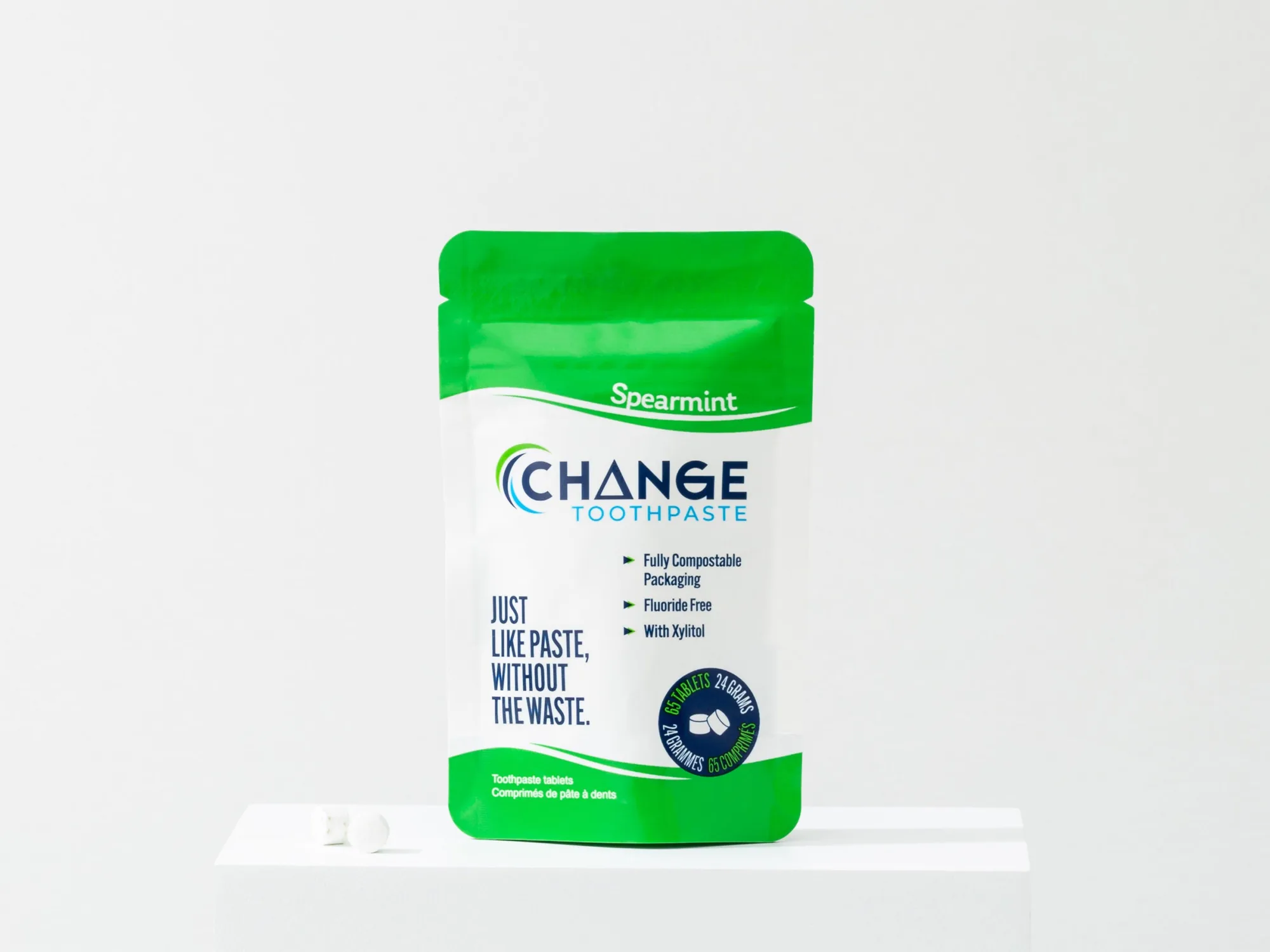
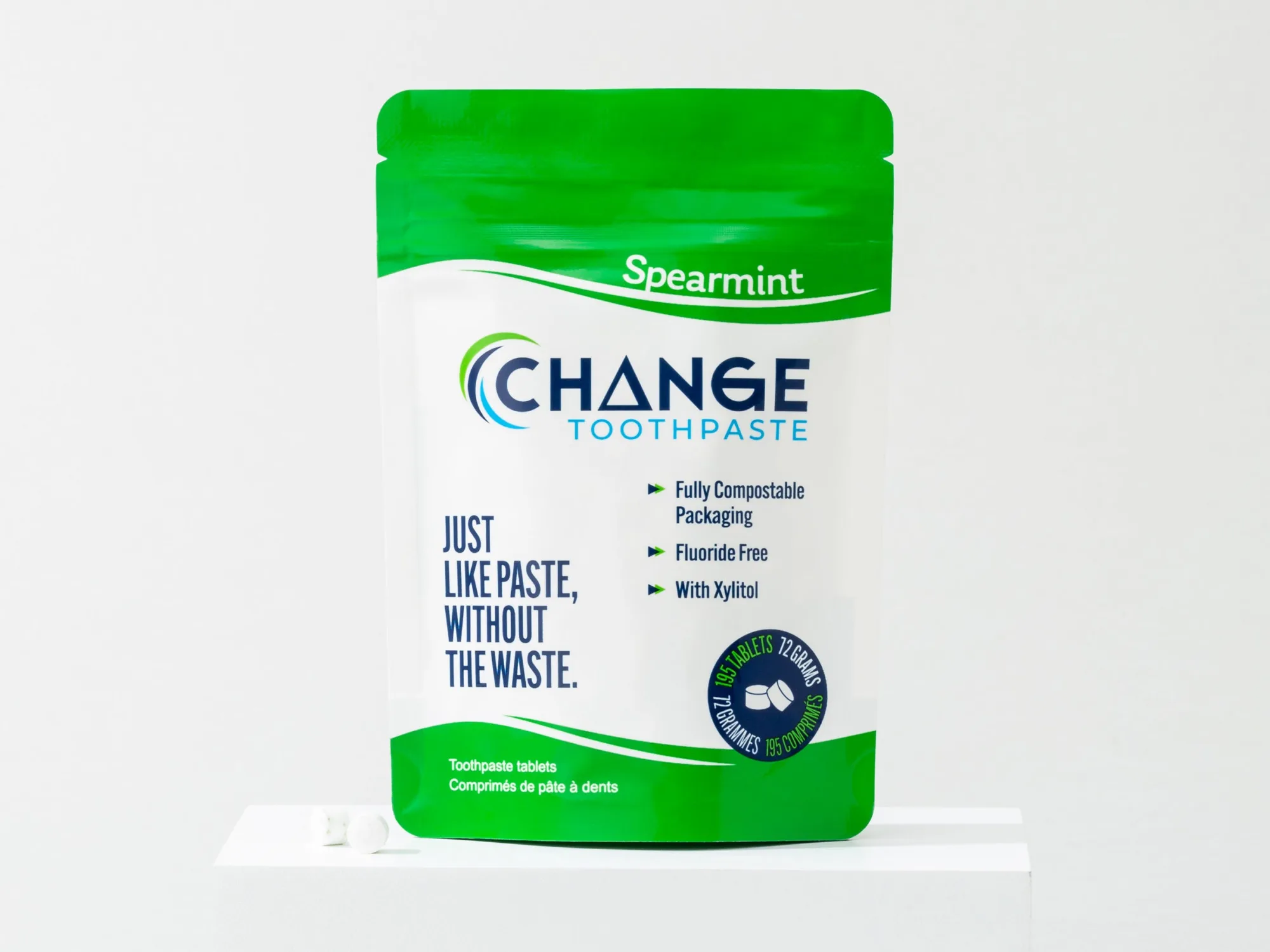
- 1-Month Spearmint Toothpaste Tablets: These tablets offer a cool, clean feel with no harsh mint burn and come in a fully compostable pouch. Toothpaste tablets are a low-foam, SLS-free alternative that’s travel-friendly and mess-free, perfect for those who prefer minimal suds.
- https://changetoothpastemix.com/products/3m-spearmint-fluoride-822b6d84aae3a9958e0224e8-5237993-Month Spearmint Toothpaste Tablets With Fluoride: This version is fully approved by Health Canada to contain fluoride for added cavity protection and healthier smiles. If you want cavity protection without SLS, these tablets deliver fluoride in a low-foam format, combining natural convenience with proven benefits.
Foam is a cosmetic feature, not a measure of effectiveness. If SLS bothers you, low-foam alternatives like toothpaste tablets offer a gentle, eco-friendly switch without compromising your oral care. Listen to your mouth and choose what feels best for your smile.