Quick answer: Why your water tastes metallic and what to do
A metallic taste usually comes from a new bottle's manufacturing residue, improper cleaning, or acidic liquids interacting with the steel. Fix it by washing with mild soap and warm water, then air-dry. If the taste persists, it may be time to replace the bottle.
You fill your stainless steel bottle with fresh water, take a sip, and get a distinct metallic taste. It's off-putting and makes you wonder if the bottle is safe. The good news: in most cases, it's not a health risk, and you can fix it with simple steps.
Understanding why this happens helps you decide whether to clean, adjust, or replace your bottle. Let's walk through the common causes and practical solutions.
Common causes of a metallic taste
New stainless steel bottles often have residual manufacturing oils, metal particles, or dust from the production process. If you haven't washed it thoroughly before first use, these residues can impart a metallic flavor. Even after washing, some bottles need a few uses to fully 'break in'.
Another frequent culprit is cleaning residue. Harsh detergents, bleach, or abrasive cleaners can leave a film that reacts with water. Also, if you've used the bottle for acidic drinks like citrus juice or soda, the acid can slightly dissolve trace metals, especially in lower-quality steel. Finally, old or scratched bottles may have corrosion spots where bacteria and minerals build up.
- Always wash a new bottle with warm soapy water before first use.
- Avoid using bleach or strong chemical cleaners inside your bottle.
- Don't leave acidic beverages in stainless steel for long periods.
How to fix a metallic taste
Start with a thorough cleaning: wash the bottle inside and out with mild dish soap and warm water. Use a soft sponge or bottle brush to reach all areas. Rinse well and air-dry with the lid off. This removes most residues.
If the taste remains, try a baking soda solution: mix one teaspoon of baking soda with warm water, fill the bottle, and let it sit for 15-20 minutes. Then scrub gently, rinse, and dry. Baking soda neutralizes odors and helps lift stubborn residues without scratching the steel.
For persistent issues, consider the source of your water. High mineral content or chlorine can react with the steel, but this is rare. If you've tried cleaning multiple times and the taste persists, the bottle may be damaged or of lower quality. At that point, it's wise to replace it.
- Use a bottle brush to clean the bottom corners.
- Let the bottle dry completely with the lid off to prevent mold and odors.
- If you use a dishwasher, place the bottle on the top rack and avoid high heat cycles.
When to stop troubleshooting and choose a new bottle
If you've cleaned the bottle several times, tried baking soda, and the metallic taste still doesn't go away, it's time to stop. Continuing to use a bottle that imparts off-flavors can discourage you from staying hydrated. Also, if you notice rust spots, deep scratches, or a strange odor, these are signs of damage that can harbor bacteria.
Sometimes the bottle itself is the problem. Lower-quality stainless steel or a damaged interior can leach metallic ions. In that case, investing in a well-made bottle from a trusted brand is a better long-term solution. Look for bottles with good reviews and clear care instructions.
- If you see rust, discard the bottle immediately.
- Check the interior for scratches or dents that could trap residue.
- Choose a bottle that is dishwasher-safe for easier cleaning.
Diagnosing your metallic taste: symptom to solution
- Symptom: Metallic taste in new bottle: You just bought a stainless steel bottle and the first few sips taste like metal. Wash thoroughly with soap and water before first use; if taste persists, try baking soda.
- Symptom: Taste appears after months of use: Your bottle previously tasted fine, but now water has a metallic flavor. Inspect for rust, scratches, or residue; clean deeply and consider if you've used acidic drinks.
- Symptom: Taste continues after multiple cleanings: You've washed and soaked with baking soda, but the metallic taste remains. Stop troubleshooting and replace the bottle; it may be damaged or of lower quality.
Stainless steel bottles that keep water clean
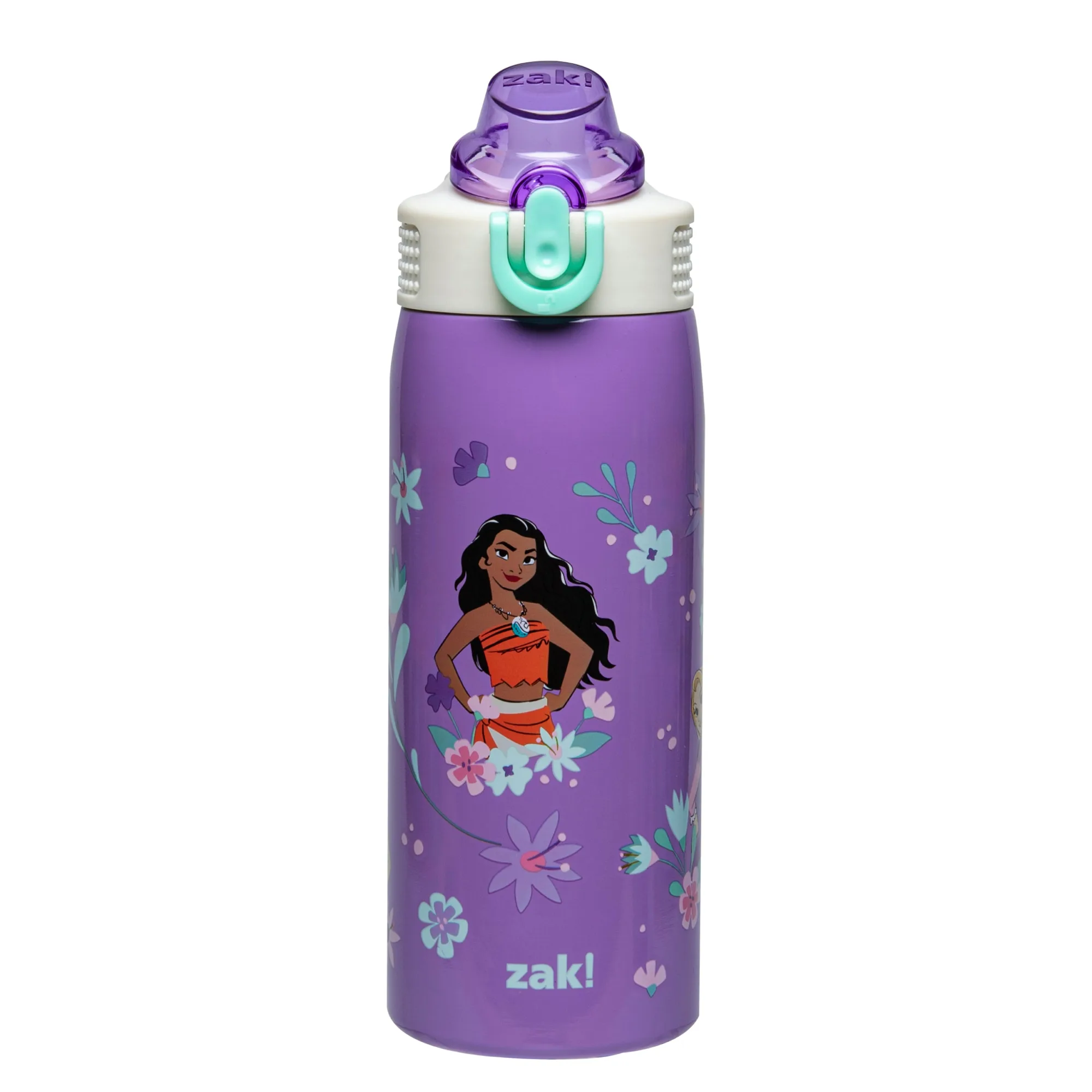
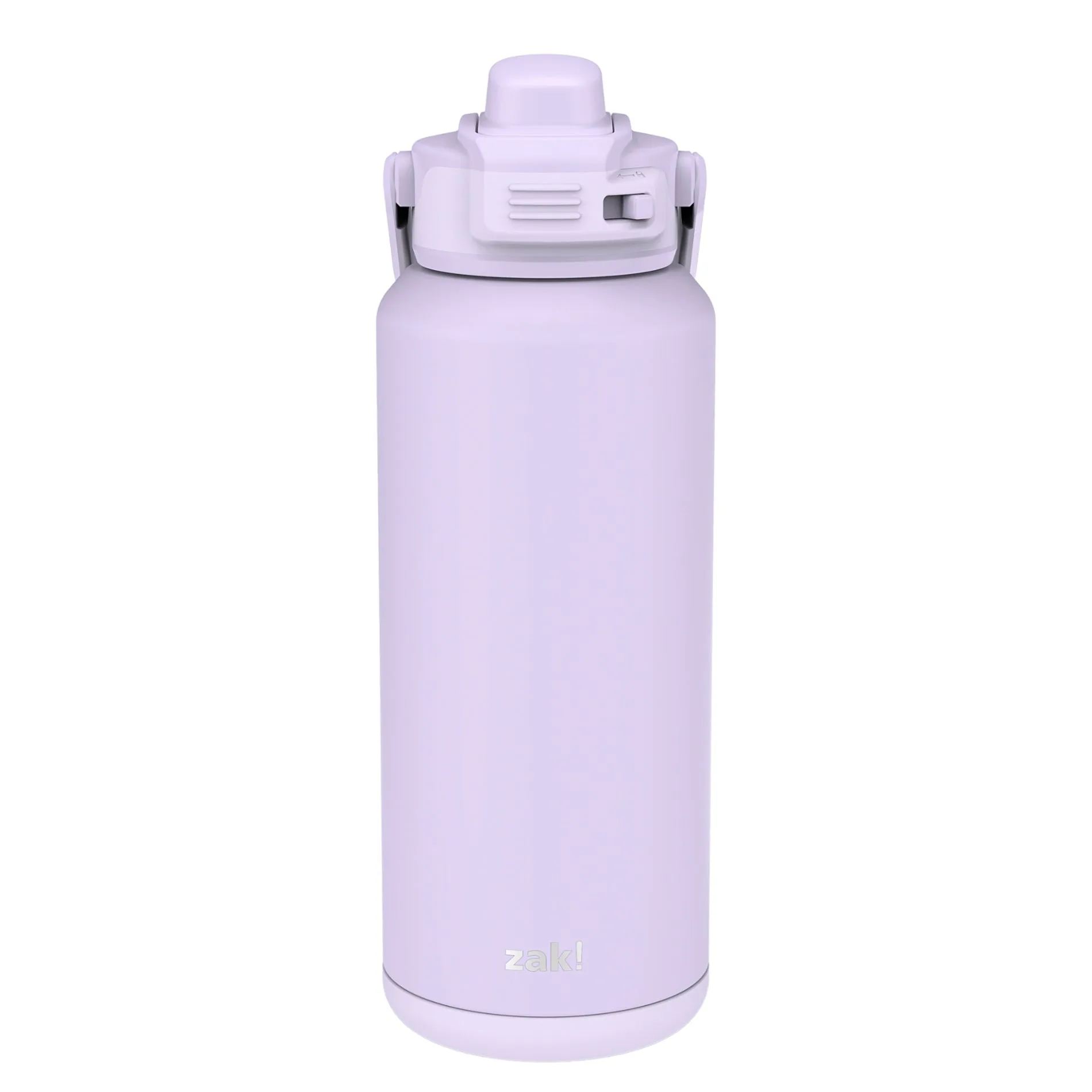
- https://zak-us.com/products/beacon-insulated-bottle-32-oz-78734Beacon Insulated Bottle, 32 oz.: The stainless steel Smoky Lilac Beacon bottle features vacuum insulation and a non-skid bumper on the bottom for durability. A well-constructed bottle like this reduces the risk of metallic taste by using quality steel and is easy to grip for daily use.
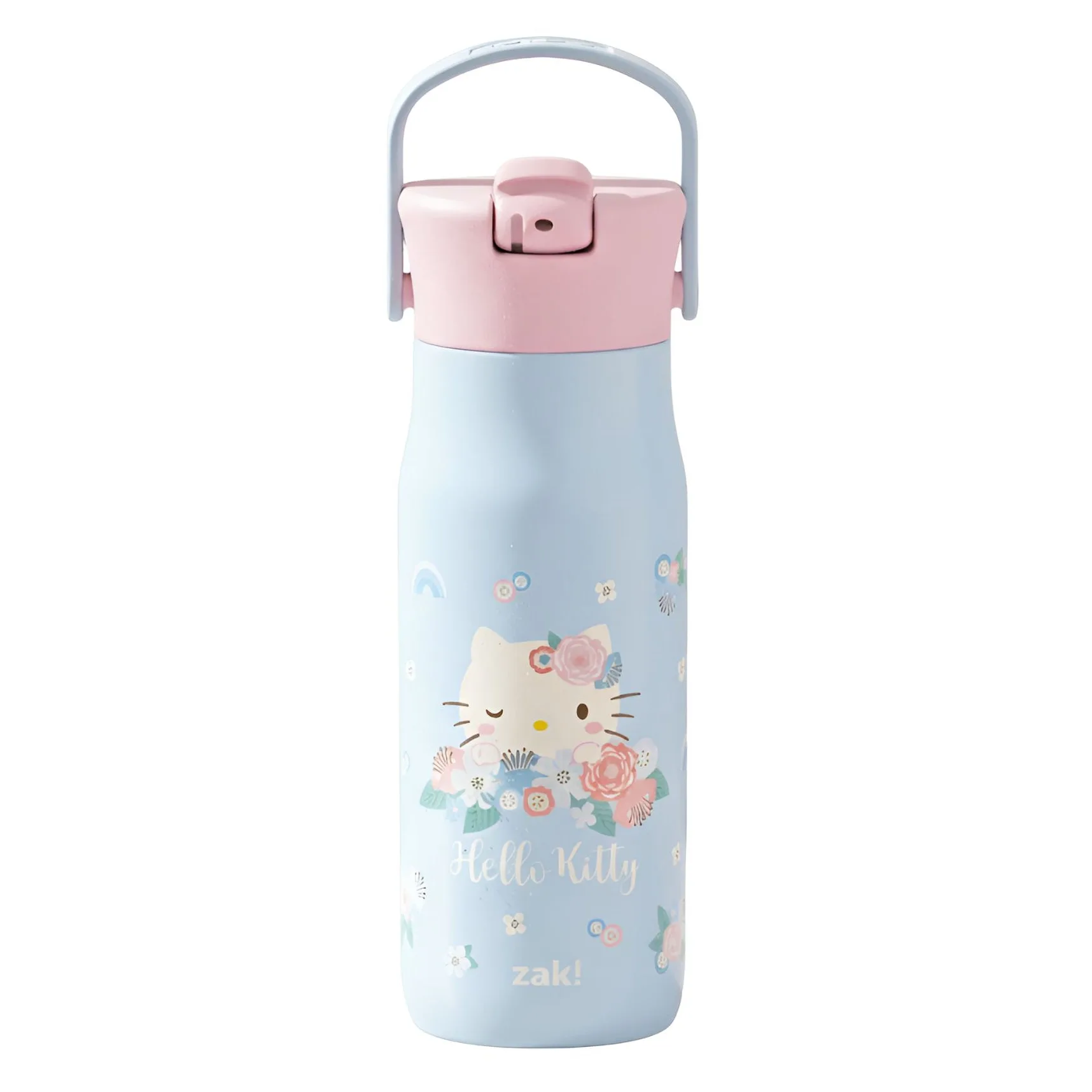
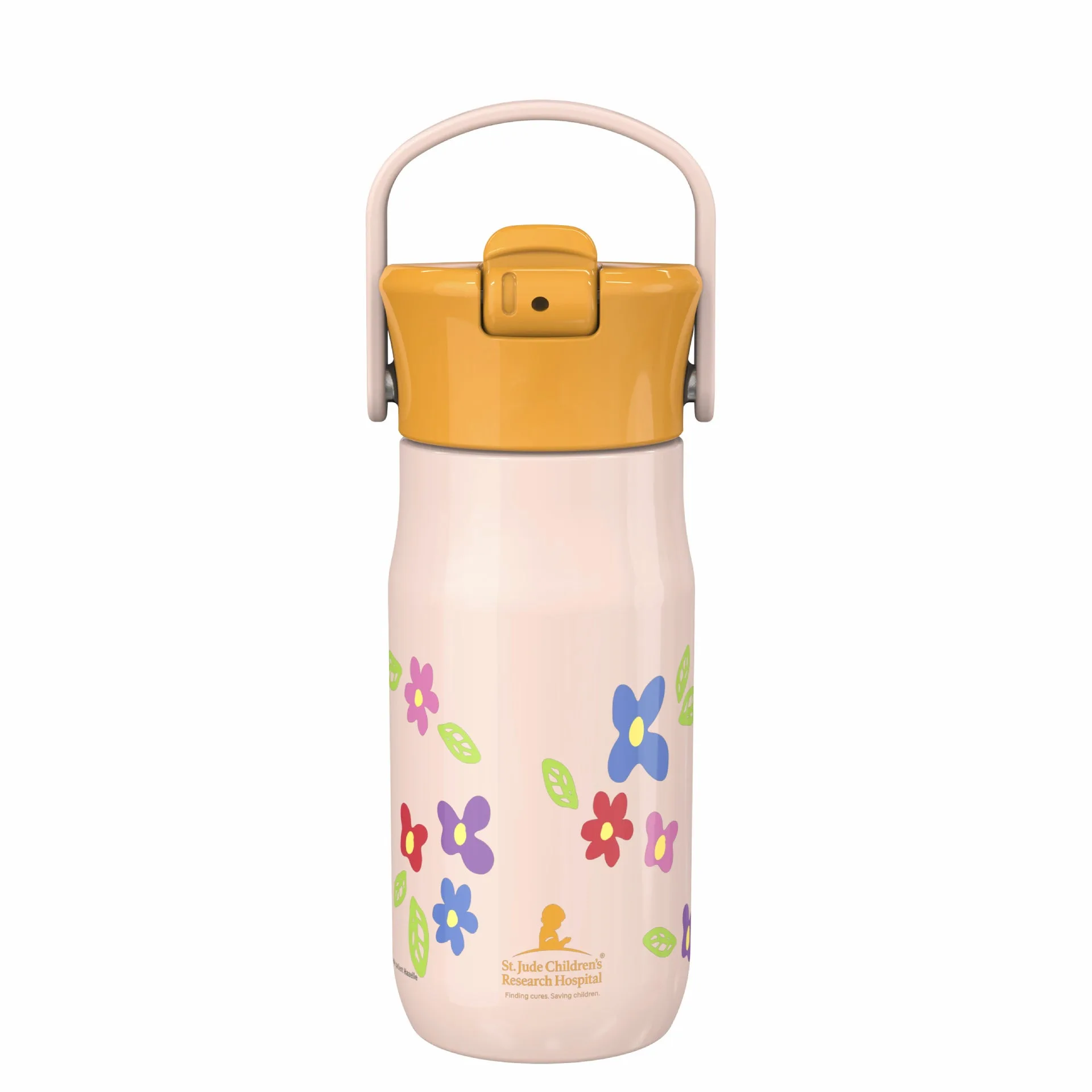
- https://zak-us.com/products/sage-insulated-bottle-14-oz-78749https://zak-us.com/products/sage-insulated-bottle-14-oz-78773Sage Insulated Bottle, 14 oz.: The Sage 14 oz. bottle is made of durable stainless steel, sturdy enough for kids to use every day, with vacuum insulation that stops condensation. For a child's bottle, a secure lid and condensation-free exterior make it practical, and quality steel helps avoid off-tastes.
A metallic taste in your stainless steel bottle is usually fixable with proper cleaning and care. If it persists, don't hesitate to replace the bottle with a reliable option like the Beacon Insulated Bottle or Sage Insulated Bottle. Staying hydrated should be enjoyable, not metallic.