Quick Answer
Perfume doesn't spoil like food, but its composition breaks down over time due to light, heat, and oxygen, altering its scent and potency. On average, an unopened bottle lasts 3-5 years, while an opened one stays optimal for 1-3 years. Proper storage in a cool, dark place can significantly extend its life.
Have you ever reached for a beloved fragrance only to find it smells different—sharper, weaker, or just off? You're not alone. Many perfume enthusiasts wonder why their favorite scents change over time, and whether they've gone bad. Understanding the science behind perfume expiration is key to preserving your collection and knowing when to let go.
In this article, we'll explore the factors that cause perfume to degrade, how to recognize the signs of expiration, and practical tips to extend the life of your fragrances. We'll also look at how Histoires de Parfums, known for their artistic and complex compositions, can behave over time, helping you make informed decisions about your precious bottles.
The Science of Perfume Degradation
Perfume is a delicate blend of essential oils, aroma compounds, alcohol, and sometimes water. Over time, these components interact with environmental factors like light, heat, and oxygen, leading to chemical reactions that alter the fragrance's structure. Oxidation is a primary culprit, causing top notes to fade and base notes to become more pronounced or even sour.
Light, especially UV rays, accelerates these reactions by breaking down molecular bonds. Heat speeds up molecular movement, increasing the rate of chemical reactions. Oxygen can oxidize certain ingredients, leading to color changes and off-notes. Even the very act of opening your bottle introduces air, gradually changing the composition.
- Store perfumes in their original boxes to protect them from light.
- Keep bottles in a cool, dark place, away from windows and heat sources.
- Minimize the time the bottle is open to reduce oxygen exposure.
How Long Does Perfume Actually Last?
The shelf life of a perfume depends on several factors, including its composition, packaging, and storage conditions. Generally, unopened perfumes can last 3 to 5 years, while opened bottles remain at their best for 1 to 3 years. However, this varies widely; some fragrances, especially those with heavy base notes like woods and resins, can last longer, while citrus-heavy scents may fade faster.
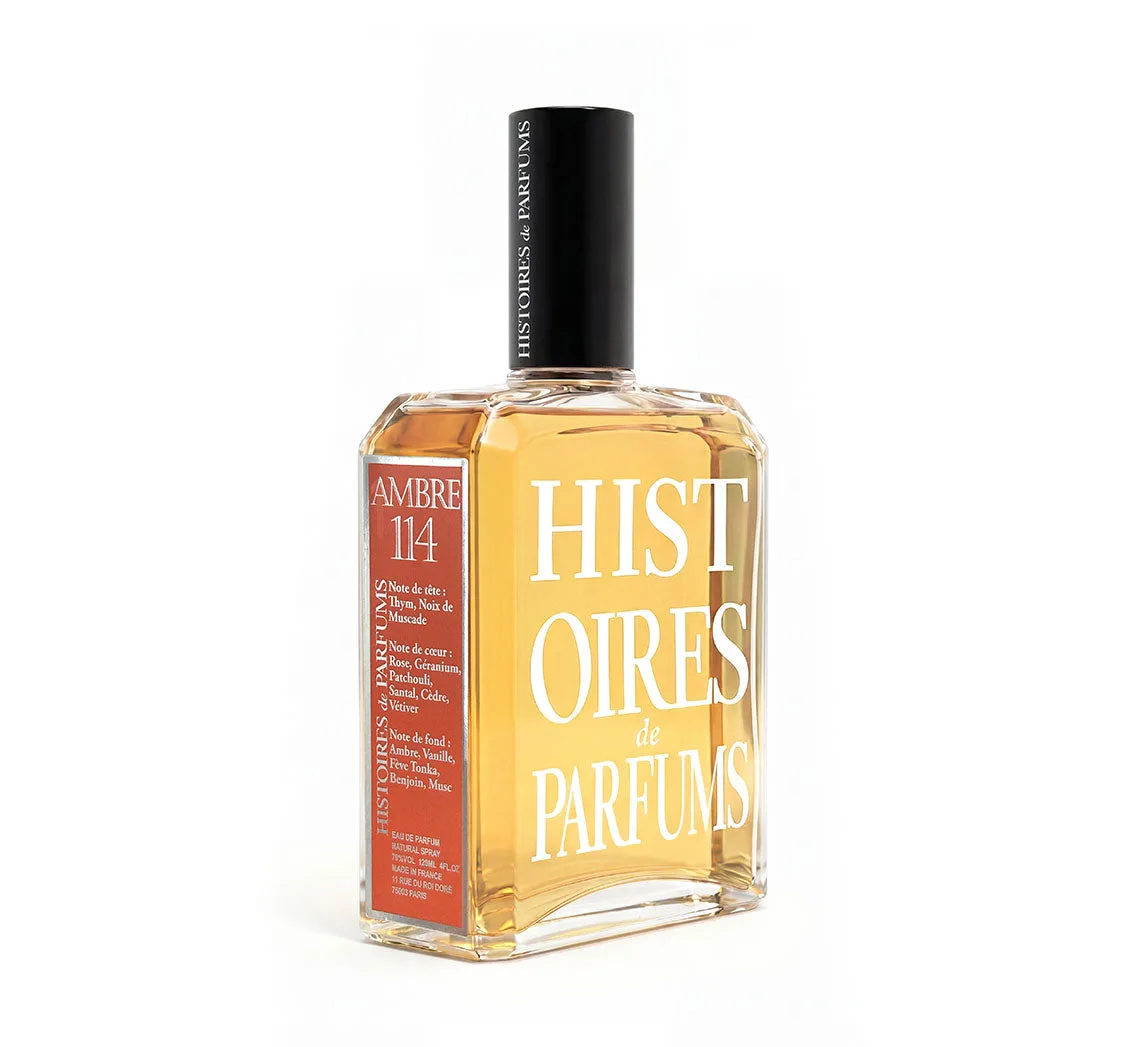
For example, Histoires de Parfums' 1828, with its aromatic, Hesperides-like scents, may show signs of aging sooner than a deeper, more resinous fragrance. The brand's use of high-quality ingredients and careful formulation can also influence longevity. Always check for changes in color, smell, or consistency as indicators of degradation.
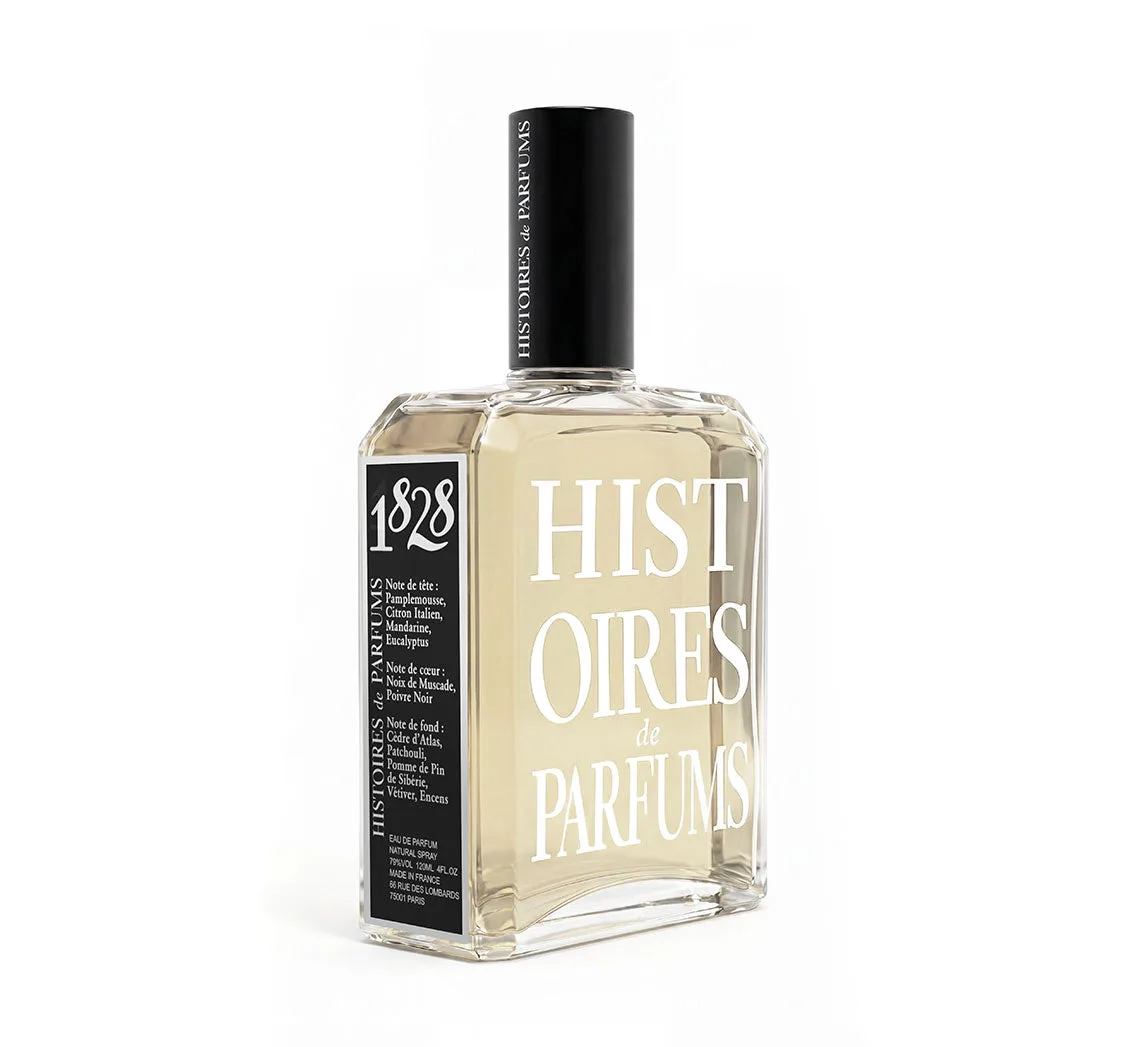
1828
- Unopened: 3-5 years (or more if stored properly)
- Opened: 1-3 years for optimal scent
- Citrus and fresh scents tend to fade quicker than oriental or woody ones
Signs Your Perfume Has Gone Bad
How can you tell if your perfume has expired? The most obvious sign is a change in smell. If the fragrance becomes sharper, more alcoholic, or develops a sour, metallic, or musty note, it's likely past its prime. Another sign is a change in color; a darker or more yellow hue can indicate oxidation. The liquid may also become cloudy or develop sediment.
If your perfume exhibits any of these signs, it's best to stop using it. While it won't be harmful, it won't provide the experience you love. Instead, consider repurposing it for scenting drawers or as a room spray, or simply replace it with a fresh bottle.
- Smell: Sharp, sour, or alcoholic
- Color: Darker or more yellow
- Consistency: Cloudy or with sediment
Diagnosing Your Perfume's Health
- Symptom: The perfume smells different—sharper, weaker, or off. If the scent has changed noticeably, it's likely degrading.
- Likely Cause: Exposure to light, heat, or oxygen has accelerated chemical breakdown. Review your storage habits to prevent further damage.
- Corrective Action: Move the bottle to a cool, dark place, minimize air exposure, and use it more frequently. For severely degraded scents, consider replacing the bottle.
- Stop Point: If the perfume has turned sour, cloudy, or developed a strong alcoholic smell, it's time to stop using it on your skin. Repurpose it for home fragrance or discard it responsibly.
How Histoires de Parfums Fragrances Age
- 1828: He was born in Nantes, at the beginning of that century of discoveries. The close ocean took him far away, inspiring in him extraordinary novels of adventure. Inspired by the father of literary science fiction, this eau de parfum, breathes its aromatic Hesperides-like scents, just as a marine breeze over a wild heath. The fresh, aromatic notes in 1828 may fade more quickly over time, so enjoy it within the first few years of opening.
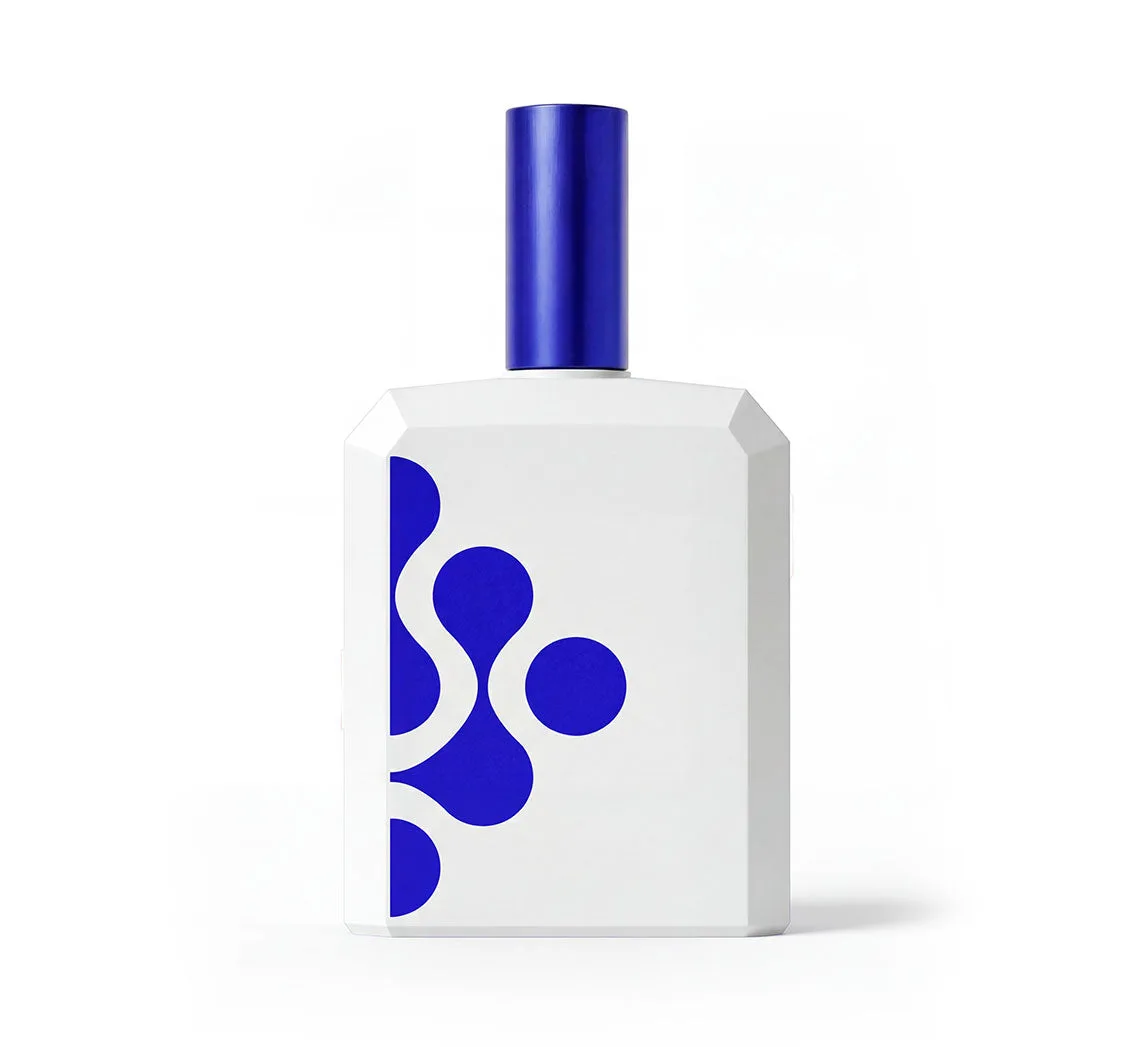
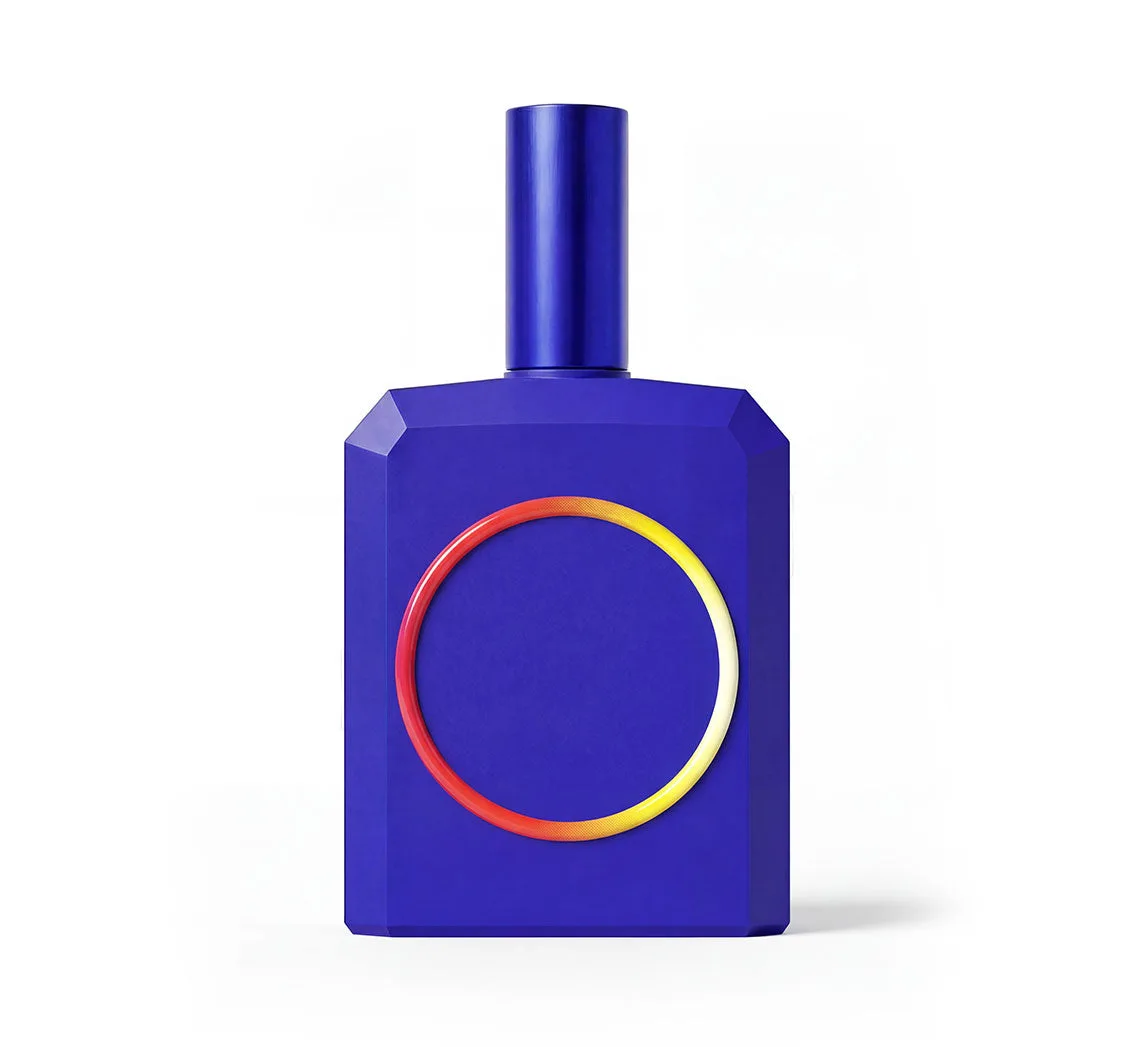
- This is not a blue bottle 1/.4: This is a perfume composed exclusively of natural essences and inspired by the universal principle of Yin. The lunar strength of Davana and Ylang-Ylang takes root in the balmy depths of Labdanum and Opoponax. Lunar and luscious, a velvety, amber perfume that is profoundly carnal. This is the perfume of Yin. Rich, amber-based perfumes like this one tend to age gracefully, sometimes even improving as the notes meld, but still benefit from proper storage.
Understanding why perfume expires empowers you to care for your collection and know when to let go. By storing your fragrances properly and recognizing the signs of degradation, you can enjoy them to their fullest. If you're looking to add a new scent to your rotation, consider the timeless 1828 from Histoires de Parfums—a fresh, aromatic choice that's best enjoyed within its prime years.