Quick Answer
Your toothpowder doesn't foam because it's formulated without sodium lauryl sulfate (SLS), a common foaming agent in conventional toothpaste. Foam is not necessary for cleaning; it's mostly a sensory cue. Natural toothpowders rely on gentle abrasives and active ingredients to remove plaque and polish teeth effectively.
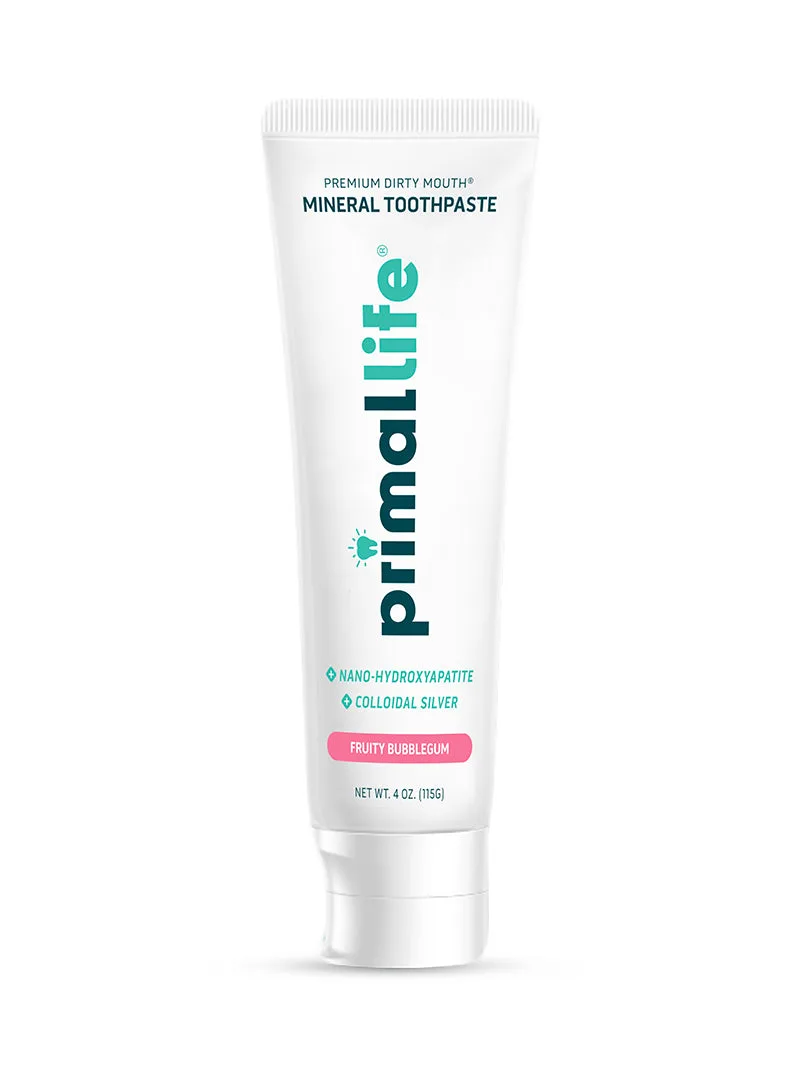
toothpaste
Switching to a natural toothpowder can feel confusing when you expect the familiar foam of conventional toothpaste. You might find yourself wondering if it's actually cleaning your teeth. The short answer: yes, it is. The lack of foam is a sign that your product is free from harsh detergents like SLS, which is a win for your oral health.
In this article, we'll explain why toothpowder doesn't foam, why foam isn't a reliable indicator of cleaning power, and what to look for in a natural alternative. We'll also share what to expect when making the switch.
Why Doesn't Toothpowder Foam?
Most conventional toothpastes contain sodium lauryl sulfate (SLS), a detergent that creates the foamy lather many people associate with cleanliness. SLS is added for sensory appeal, not for its cleaning effectiveness. Natural toothpowders, like those from Primal Life Organics, intentionally omit SLS and other synthetic detergents, so they don't produce the same foamy action.
Instead, toothpowders rely on fine, natural abrasives—such as baking soda or diatomaceous earth—to physically scrub away plaque and surface stains. These ingredients work mechanically, not chemically, to clean your teeth. The absence of foam doesn't mean your teeth are less clean; it just means the product is taking a different, often gentler approach.
- Check the ingredient list: if you don't see SLS or sodium lauryl sulfate, no foam is expected.
- Remember that foam is a marketing-driven expectation, not a cleaning necessity.
Is Foaming Necessary for Cleaning?
No, foaming is not necessary for effective cleaning. The primary purpose of foam in toothpaste is to create a pleasing texture and help spread the product around the mouth. However, studies have shown that SLS can irritate sensitive gums and mouth tissues, leading to canker sores in some people. By choosing a non-foaming toothpowder, you avoid these potential irritants.
What actually cleans your teeth is the combination of gentle abrasion, the physical action of brushing, and the active ingredients that target bacteria and plaque. Natural toothpowders often include ingredients like activated charcoal, bentonite clay, or essential oils known for their antibacterial properties. These work effectively without the need for foam.
- Focus on brushing technique and duration (two minutes) rather than the amount of foam.
- If you miss the sensation of foam, try using a wetter brush or adding a drop of water to the powder.
What to Expect When Switching to Toothpowder
When you first switch from conventional toothpaste to a natural toothpowder, you may notice a different texture and taste. Toothpowders are typically finer and less moist than toothpaste, and they may not spread as easily. This is normal. You'll need to adjust the amount you use—usually a small dip of the wet brush is enough.
You might also notice that your mouth feels different after brushing. Without the residue left by SLS and other thickeners, your mouth may feel cleaner and more refreshed. Some users report a temporary adjustment period as their mouth adapts to the new product, but this usually passes within a few days.
- Start with a small amount to get used to the texture.
- Keep your brush wet to help the powder adhere to the bristles.
- Be patient—give your mouth a week to adjust.
Diagnosis: Why No Foam?
- Symptom: Your toothpowder produces little or no foam when brushing. This is normal for SLS-free natural toothpowders.
- Likely Cause: The product is formulated without sodium lauryl sulfate (SLS), a synthetic foaming agent used in conventional toothpastes. Check the ingredient list to confirm absence of SLS.
- Corrective Action: Embrace the non-foaming experience. Focus on thorough brushing technique and use the powder as directed. If you miss the foam, consider using a wetter brush or adding a drop of water. After one week, if you still feel your teeth aren't clean, try a different natural toothpowder or consult your dentist.
Natural Toothpowder Options
- Toothpowder Package: Say goodbye to cavities, bad breath, and sensitive teeth and gums... and hello to clean, strong, white teeth and fresh breath naturally! This package is designed to address common oral concerns without relying on harsh chemicals, making it a suitable choice for those seeking a natural, non-foaming alternative.
- Family Smile Pack: Healthy smiles for the whole family, naturally! Brighten every smile in your family with the Primal Life Organics Family Smile Pack—a complete oral care solution designed for health-conscious families. If you're introducing toothpowder to your household, this bundle offers a comprehensive solution that supports the whole family's transition to a no-foam, natural oral care routine.
Toothpowder not foaming is not a problem—it's a sign of a cleaner, more natural formula. By understanding how natural toothpowder works, you can confidently make the switch and enjoy the benefits of a healthier oral care routine without the harsh chemicals.