Quick answer
A dog chews through a tug toy when the game stops being interactive and becomes a solo chew session. The fix is to keep the tug moving, reward the grip and release, and end the game before your dog starts gnawing. If your dog still destroys every soft tug in minutes, switch to a tougher bite tug built for strong dogs.
Symptom: The tug shreds in minutes, not months
You start a game of tug, your dog grips, and within a few minutes the toy is split, frayed, or missing a handle. The damage usually happens at the seams, the ends, or wherever your dog can pin the toy against the ground and work a tooth through the fabric.
This is different from normal wear. A tug that is used correctly wears thin over time. A tug that is chewed through fails fast and usually in one or two spots.
Likely cause: The game turned into a chew
Tug is a cooperative game. The moment you stop moving the toy and your dog can hold it still, the behavior shifts from gripping to gnawing. Dogs chew to relieve stress, to finish off a prey sequence, or simply because the texture feels good.
Other common causes include a tug that is too soft for your dog's bite style, a dog that is over-aroused and needs an outlet, and a handler who lets the dog win and walk away with the toy. If your dog destroys tugs only when left alone with them, the problem is not the tug; it is the access.
Corrective action: Change how you play
Keep the tug alive. Move it in short, erratic bursts and let your dog chase and grip. The instant your dog starts to settle into a chew, say your out cue, reward the release, and restart. If your dog will not release, stop moving and wait; do not pull against a locked jaw.
Teach a clean grip and release. Reward the dog for taking the tug with a full mouth and for letting go on cue. End the session while your dog still wants more. Put the tug away after play; a tug is a training tool, not a chew toy.
- Use a tug that matches your dog's size and bite style.
- Play on a surface where the toy will not snag.
- Keep sessions short and stop before your dog gets bored or over-aroused.
- Never leave a tug with a dog that is prone to chewing.
When to stop and choose a tougher tug
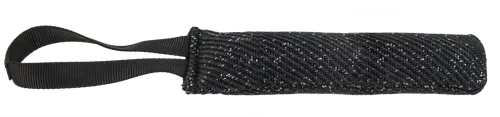
If you have corrected the game, your dog still destroys soft tugs, and you have ruled out medical or stress-related chewing, it is time to change equipment. Look for a bite tug made from heavy webbing or durable fabric with reinforced stitching. A tug designed for strong dogs will hold up to hard grips without falling apart.
If your dog is a dedicated chewer, no tug will survive being left alone with it. In that case, use the tug only for interactive training and give your dog a separate, appropriate chew item for solo time.
Diagnosis: Why your dog destroys tugs
- Chews only during tug: The game is stopping and your dog is self-rewarding with a chew. Keep the tug moving and reward releases. If the tug still shreds, switch to a tougher bite tug.
- Chews when left alone with the tug: This is a management problem, not a toy problem. Put the tug away after training and provide a legal chew item. No tug is indestructible for a determined chewer.
- Chews through every soft tug: Your dog likely has a hard grip or a strong bite style. Choose a durable dog tug toy made from heavy webbing or reinforced fabric. If the new tug also fails quickly, the issue is the game, not the gear.
Product facts
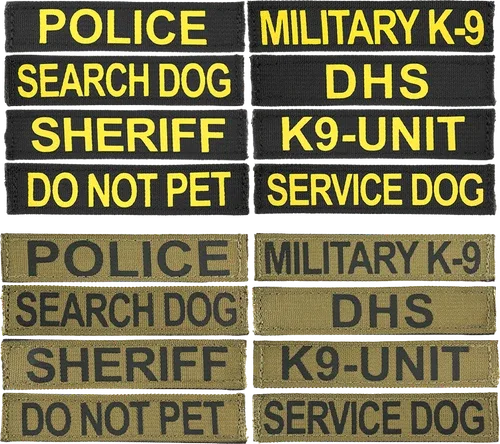
- CaliberDog 2x6 Embroidered ID Patch - Custom Text: CaliberDog 2x6 Embroidered ID Patch - Custom Text is made from military-spec webbing with hook and loop sewn on, and the lettering is high-quality embroidery done on commercial Tajima machines. This patch is not a tug toy, but it shows the kind of durable materials ActiveDogs uses for gear that has to survive hard use. If you are already buying training equipment, a rugged ID patch can help you keep track of your gear.
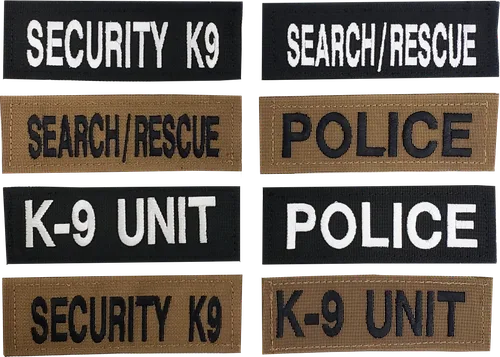
CaliberDog 2x6 Embroidered ID Patch
- Small Dog Chest & Girth Strap Cover: Small Dog Chest & Girth Strap Cover is designed specifically for ActiveDogs Small Dog Vests and uses a hook-and-loop closure to wrap around the chest or girth strap. If your dog chews through tugs, it may also mouth other straps. This cover adds a layer of protection and comfort to a vest strap, but it is not a chew toy and should not be left with a dog that chews.