Your dog's paws are their primary point of contact with the world, enduring everything from scorching pavement to icy sidewalks, sharp rocks, and chemical deicers. Yet many pet owners overlook the importance of paw protection until an injury occurs. Dog socks and booties have evolved from novelty items into essential gear for responsible pet parents, offering a simple yet effective way to shield sensitive paw pads from environmental hazards, provide traction on slippery floors, and even aid in recovery from injuries or allergies.
In this complete guide, we'll explore why paw protection matters, when to use dog socks versus booties, how to choose the right fit, and how these accessories fit into the broader pet accessories trends of 2025. Whether you're a new dog owner or a seasoned enthusiast, understanding the role of paw protection will help you keep your furry friend comfortable and active year-round.
The Anatomy of a Dog's Paw: Why Protection Matters
A dog's paw is a complex structure composed of pads, digital bones, and connective tissue designed for shock absorption and traction. The paw pads themselves are thick, keratinized skin that can withstand moderate wear, but they are not invincible. Extreme temperatures, rough terrain, and chemical irritants can cause cracking, burns, cuts, and infections. Unlike human feet, dogs cannot wear shoes to protect themselves, so they rely on their owners to provide that barrier.
Paw pad injuries are among the most common reasons for veterinary visits, especially during summer and winter months. Hot pavement can cause second-degree burns in seconds, while ice and salt can lead to chemical burns and frostbite. Additionally, dogs with allergies often lick their paws excessively, leading to moisture buildup and secondary infections. Dog socks and booties offer a versatile solution that addresses all these risks, making them a staple in modern pet accessories trends.
- Paw pads lack sweat glands, making them prone to drying and cracking in extreme weather.
- Repeated licking of paws can indicate allergies or anxiety, and socks can help break the cycle.
- Booties with non-slip soles reduce the risk of falls on hardwood or tile floors, especially for senior dogs.
Dog Socks vs. Dog Booties: When to Use Each
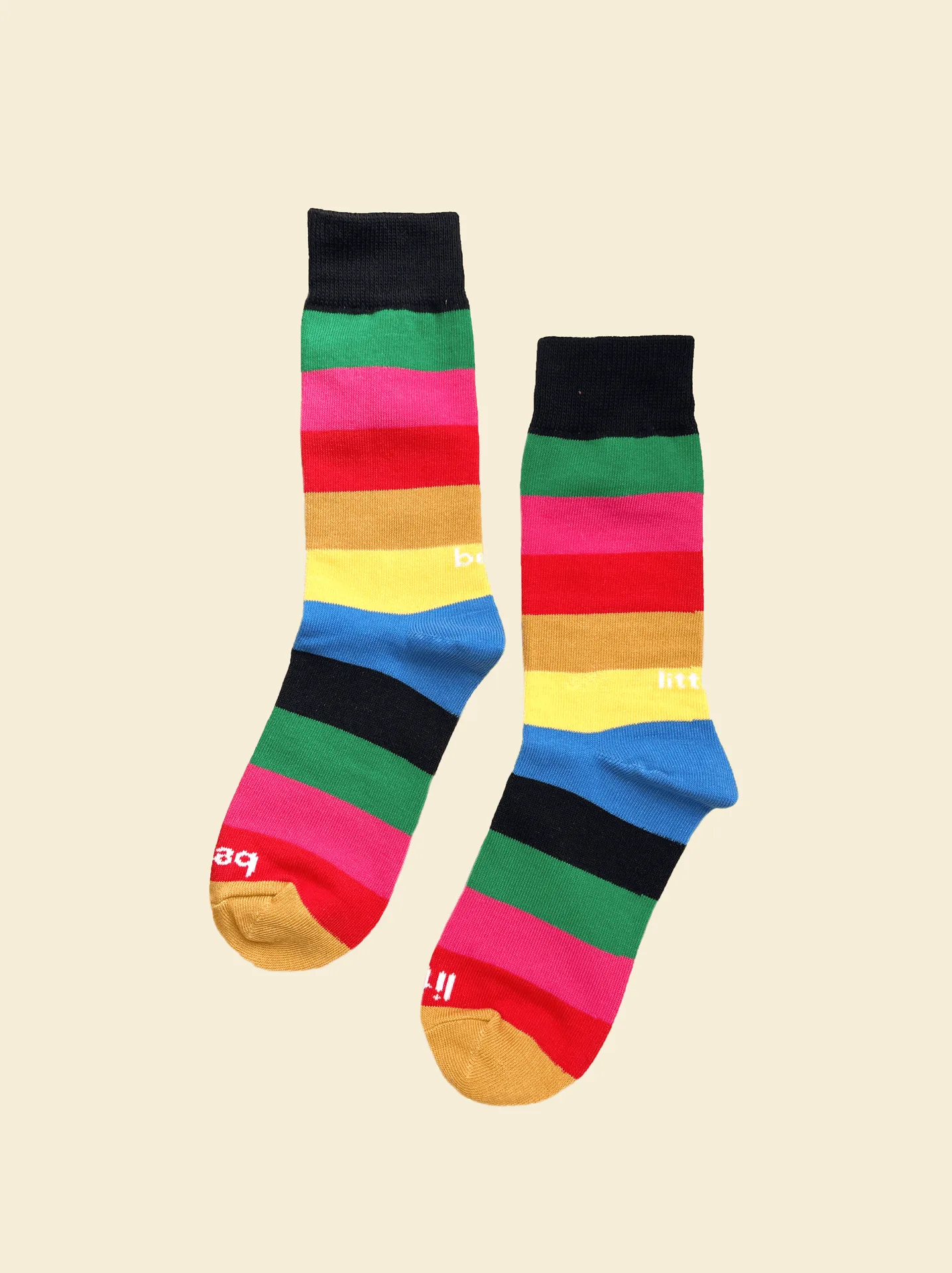
While the terms are often used interchangeably, dog socks and booties serve different purposes. Dog socks are typically made of soft, breathable fabric and are designed for indoor use. They provide light protection against floor abrasion, help prevent licking of wounds or allergies, and offer a barrier against minor irritants. Socks are also ideal for dogs recovering from paw pad injuries or surgeries, as they keep bandages clean and reduce the need for cone collars.
Dog booties, on the other hand, are more durable and feature rugged soles for outdoor terrain. They are essential for hiking, walking on hot pavement, or navigating icy streets. High-quality booties are waterproof, insulated, and equipped with reflective elements for visibility. When selecting between the two, consider your dog's lifestyle: a city dog may benefit most from booties for pavement protection, while a senior dog with arthritis might prefer socks for indoor traction. Many pet owners keep both in their pet care kit, rotating based on the activity.
- Use dog socks for indoor recovery, allergy management, and light paw protection.
- Use dog booties for outdoor adventures, extreme weather, and rough terrain.
- Always measure your dog's paws before purchasing to ensure a snug but comfortable fit.
How to Choose the Right Dog Socks and Booties
Selecting the perfect paw protection involves more than just picking a cute pattern. First, measure your dog's paw width and length while they are standing, as weight-bearing paws are slightly larger. Look for socks with grippy silicone dots on the bottom to prevent slipping, and booties with adjustable straps or Velcro closures to keep them secure. Breathability is key to prevent moisture buildup, so choose materials like cotton or moisture-wicking blends for socks, and waterproof yet breathable fabrics for booties.
Consider your dog's breed and activity level. Small breeds with delicate paws may need softer socks, while active working dogs require heavy-duty booties with reinforced seams. For fashion-forward owners, the pet accessories trends of 2025 emphasize bold colors and reflective details that double as safety features. Brands like Little Beast offer a range of stylish options that combine function with flair, such as the Ruby - Flower Power Collar and the Midnight - Flower Power Leash, which can complement your dog's paw protection gear for a coordinated look.
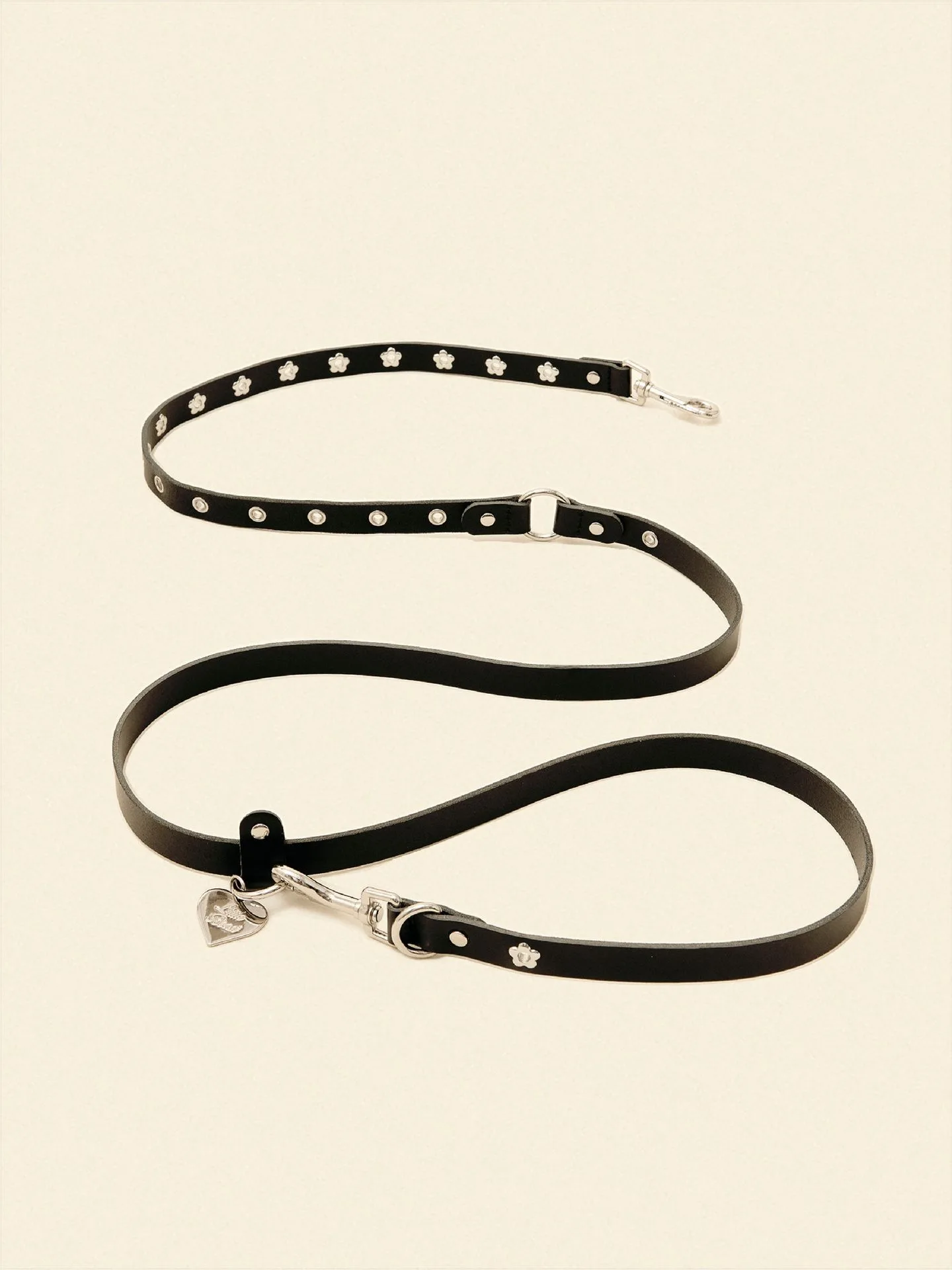
Midnight - Flower Power Leash
- Always test booties indoors first to allow your dog to adjust to wearing them.
- Check for signs of rubbing or chafing after the first few uses, and adjust fit accordingly.
- Rotate between socks and booties based on the season and your dog's daily routine.
Seasonal Paw Care Tips for Every Climate
Winter brings unique challenges: ice, snow, and road salt can cause painful cracks and chemical burns. Dog booties act as a shield, but if your dog refuses footwear, apply a paw balm before walks and rinse their paws with warm water afterward. In summer, test pavement temperature with your hand—if it's too hot for you, it's too hot for your dog. Booties with reflective lining can also help keep paws cool. For rainy seasons, waterproof boots prevent moisture-related infections like yeast overgrowth.
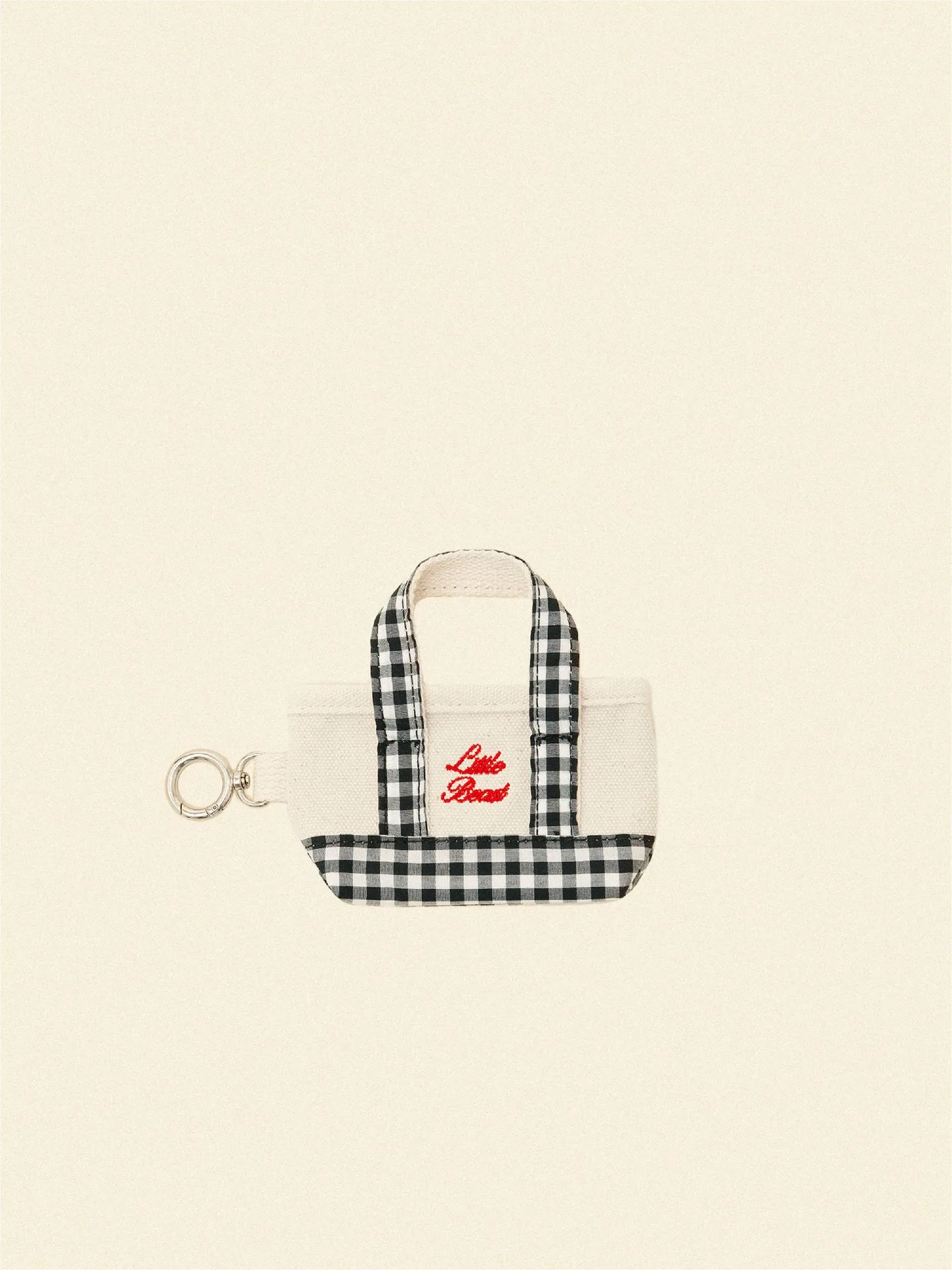
Spring and fall are ideal for transitioning between socks and booties. During these mild seasons, focus on protecting paws from allergens like pollen and grass seeds, which can get lodged between toes. Dog socks can be a great barrier during allergy season, reducing the need for frequent paw washing. Pairing paw protection with other accessories like the The Little Beast Poop Bag Tote - Gingham ensures you're always prepared for any outdoor excursion, whether it's a quick potty break or a long hike.
- In winter, use booties with rubber soles for grip on icy sidewalks.
- In summer, choose lightweight, ventilated booties to prevent overheating.
- After outdoor activities, inspect paws for cuts, debris, or signs of irritation.
Training Your Dog to Wear Socks and Booties
Introducing paw protection requires patience and positive reinforcement. Start by letting your dog sniff and investigate the socks or booties. Reward them with treats for showing interest. Next, gently place the item on one paw for a few seconds, then remove it and reward. Gradually increase the duration, and practice indoors on soft surfaces before moving outdoors. Some dogs may initially walk awkwardly or try to shake the booties off, but this usually subsides after a few sessions.
Make the experience positive by associating booties with fun activities like walks or playtime. Use high-value treats and keep training sessions short. For dogs that are particularly resistant, consider starting with dog socks, which are less intrusive and easier to acclimate to. Once your dog is comfortable, you can transition to booties for outdoor use. Consistency is key—regular short practices will build your dog's confidence and ensure they accept paw protection as part of their routine.
- Never force booties onto a fearful dog; go at their pace.
- Use a command like 'paws' to signal it's time to put on booties.
- Reward calm behavior and ignore nervous reactions to avoid reinforcing anxiety.
Integrating Paw Protection into Your Pet Accessories Trends Wardrobe
Paw protection doesn't have to be purely functional—it can also be fashionable. The pet accessories trends of 2025 emphasize matching sets and coordinated looks that express your dog's personality. Dog socks come in vibrant patterns, stripes, and even holiday themes, while booties offer sleek designs with reflective strips for safety. Pairing colorful booties with a stylish collar or leash creates a cohesive outfit that turns heads during walks.
Little Beast offers a variety of accessories that complement paw protection gear. For example, the Ruby - Flower Power Collar adds a pop of floral charm, while the Midnight - Flower Power Leash provides durability and style. These pieces not only enhance your dog's look but also serve practical purposes like identification and control. By incorporating paw protection into your dog's wardrobe, you prioritize both safety and style, ensuring your pet stays comfortable and fashionable in any season.
- Choose booties in neutral colors for versatility or bright shades for visibility.
- Match booties with a coordinating collar or leash for a polished appearance.
- Look for booties with reflective elements for evening walks.
Protecting your dog's paws is one of the simplest yet most impactful steps you can take for their overall health and happiness. By understanding when to use dog socks versus booties, choosing the right fit, and integrating them into your pet's routine, you'll prevent injuries and enhance your dog's quality of life. Explore the Little Beast collection today to find stylish and functional paw protection gear that keeps your pup safe, comfortable, and trend-forward all year long.