Quick answer
Choose a double playsilk when block play regularly turns into forts, canopies, or costume play; choose a single playsilk when you mainly need lightweight draping, sorting, or one-child play. Double playsilks give more coverage and hold their shape better around block structures, but they cost more and take up more storage. For most classrooms and playrooms, one or two double playsilks plus a unit block set is a practical starting point.
What a double playsilk actually changes in block play
A double playsilk is two layers of silk sewn together, which makes it heavier and more opaque than a single-layer playsilk. In a block area, that weight matters: it drapes over wooden block walls without sliding off as easily, and it blocks more light when children build caves, tunnels, or hideouts. The added body also means the silk stays where a child places it, so a block tower can become a castle with a banner, or a row of blocks can become a market stall with a canopy.
The trade-off is that double playsilks are not as airy or as easy to knot as singles. If your block play is mostly flat building and knocking down, a single playsilk is often enough. If your block play regularly turns into dramatic play, the double earns its place.
Double vs single: match the silk to the play pattern
Use this rule: if children ask for a roof, a cape, or a river, a double playsilk is the better fit because it holds a shape and covers more area. If children mostly wrap, sort, or wave the silk, a single playsilk is lighter and easier for small hands to manage. Many classrooms keep both: singles for movement and sorting, doubles for building and dramatic play.
Size matters more than layer count. A double playsilk that is too small will not span two block towers, and one that is too large can overwhelm a toddler. Measure the widest gap children typically build between blocks, then choose a silk that covers that gap with a little overhang.
How to set up a block area that uses playsilks well
Keep silks within reach of the block shelf so children can combine them without asking an adult. Store them folded in a bin or basket near the blocks, not on a high shelf. Pair them with a foundational block set so building and draping happen together, and leave open floor space for structures that need a silk roof.
Rotate silks the same way you rotate blocks. If a double playsilk has been out for a few weeks, swap it for a single or a different color to refresh the area. This keeps the block corner interesting without buying new blocks.
Care and durability for silk in a block area
Silk in a block area takes more wear than silk used only for movement. Check seams and edges regularly, especially on double playsilks where two layers are joined. Wash gently and air dry to protect the fabric; harsh washing can dull the color and weaken the seams. If a silk is used daily, having two in rotation lets one rest and dry while the other is in use.
Decision rules for buying a double playsilk
- If block play turns into forts or costumes: Choose a double playsilk. Its two layers hold shape and cover more area than a single, so it works as a roof, cape, or wall without constant adult help. Buy one double first, then add a single for movement play.
- If you mainly need draping, sorting, or waving: Choose a single playsilk. It is lighter, easier to knot, and less expensive, which fits one-child play and simple block decoration. Skip the double unless children ask for heavier coverage.
- If storage space is tight: Measure your shelf or bin before buying. Double playsilks take more room folded than singles, so plan a dedicated bin or wall locker spot. One double plus two singles is a common space-efficient mix.
- If you are outfitting a classroom: Buy enough doubles for the number of children who build at once, and keep singles for group movement. Pair with a unit block set so the silk has a structure to work with. Start with two doubles and one block set for a small group.
Products that support block play and silk storage
- Unit Block System Set A - 68-Piece Set: Stimulate young minds and support authentic, play-based STEM learning with a foundational set of traditional standard unit blocks. Designed to encourage symmetrical building and an intuitive understanding of balance and patterning, this set of wooden blocks is ideal for one child. Includes 68 pieces. A standard unit block set gives children the stable structures that double playsilks can drape over, so the silk has something to become a roof, wall, or canopy.
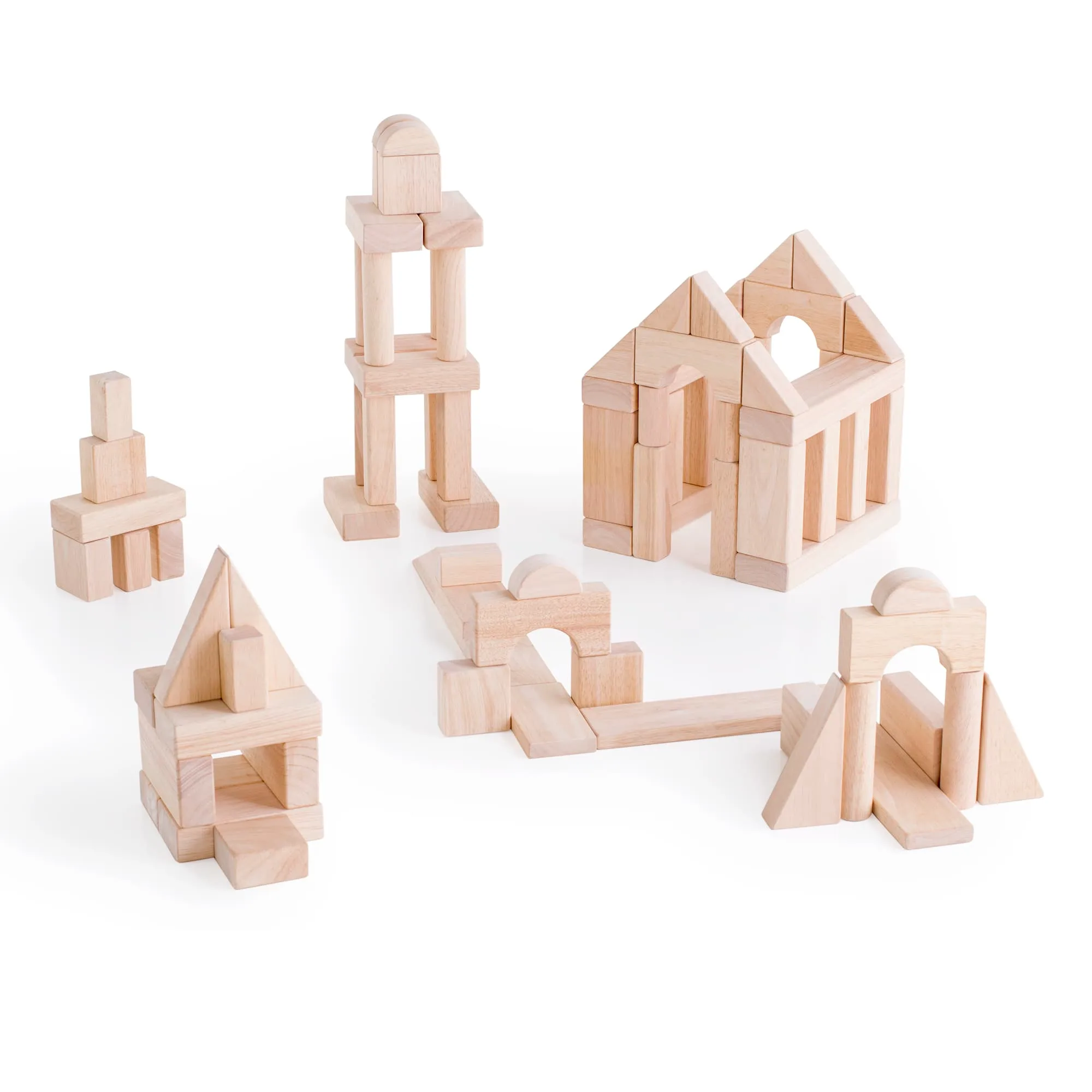
unit blocks
- EdQ Book and Bin Display: Satisfy practical storage and organizational needs in any classroom, playroom, kids' bedroom, or home learning environment with this versatile and attractive Book and Bin Display. Use the gently tiered shelves to store and display all of your children's favorite books and magazines, inviting little ones to make choices during reading time. Keep special toys, stuffed animals, or supplies organized and accessible. A bin display keeps folded playsilks and small block accessories visible and reachable, which makes it more likely children will combine them independently.
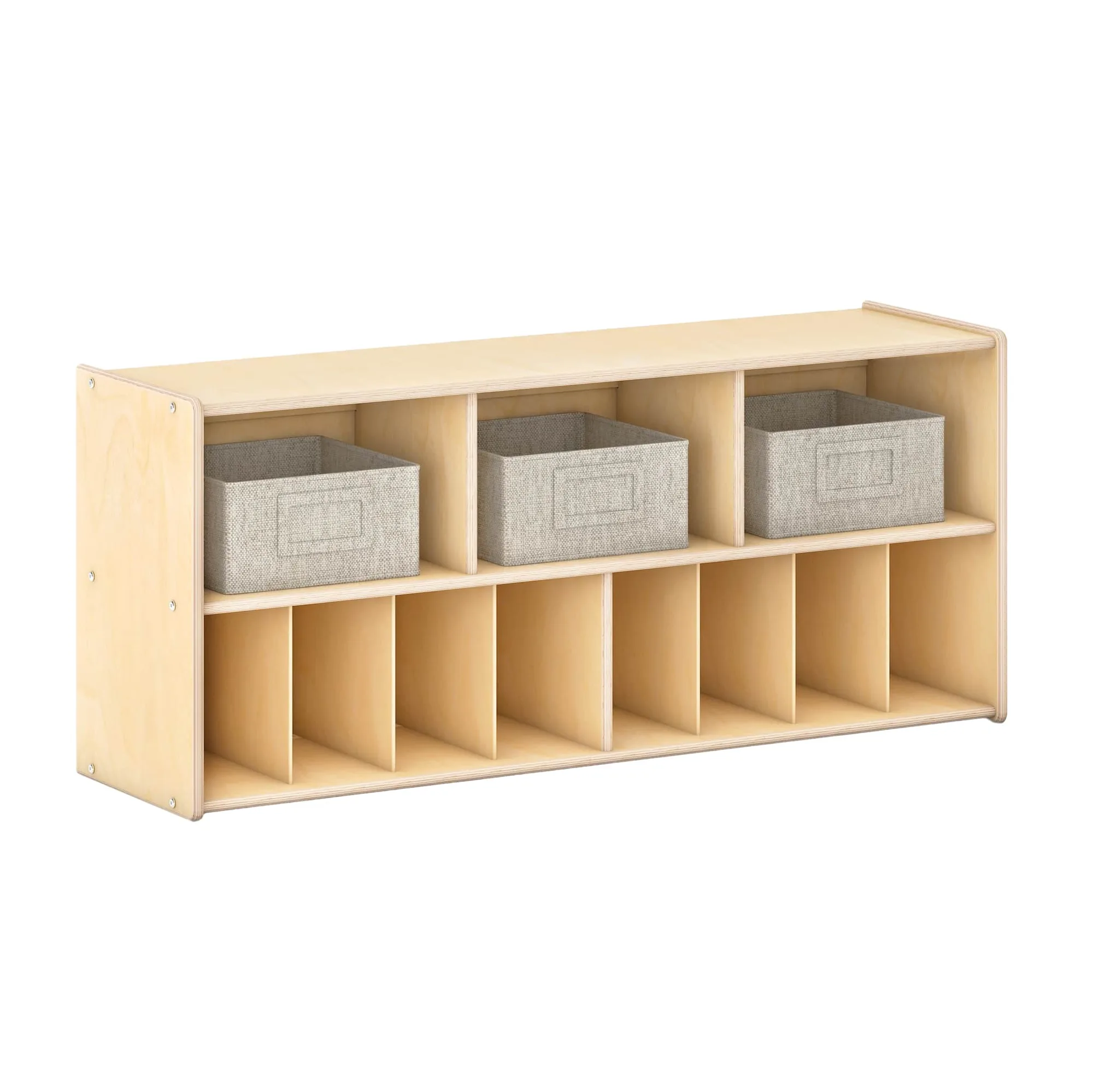
- EdQ 10-Section Wall Mounted Locker: Guidecraft's EdQ Collection offers a full range of versatile furniture to satisfy all of the unique needs of early childhood classrooms, homeschools and kids' play areas. Perfect for spaces with limited floor space, this convenient EdQ 10-Section Wall Mounted Locker allows for simple organization in children's learning environments. Available in white or natural finishes to coordinate with any space. A wall-mounted locker saves floor space in a block area, so more room is available for building and draping with playsilks.
Is a double playsilk right for your space?
Best for
- Classrooms and playrooms where block play regularly becomes dramatic play
- Children who build forts, caves, or market stalls and need fabric that stays in place
- Teachers who want one durable silk that covers more area than a single
Not for
- Families who only need lightweight draping, sorting, or waving
- Very small toddlers who may find the extra weight harder to manage
- Buyers with very limited storage who cannot dedicate a bin or shelf spot