Quick answer
In cold weather, eczema-prone skin loses moisture faster because the skin barrier weakens. A barrier balm for eczema creates a protective seal that locks in hydration and keeps irritants out, making it essential for winter skincare routines. Apply a balm immediately after bathing and reapply to dry patches throughout the day.
Why Cold Weather Triggers Eczema Flare Ups
Cold air holds less moisture, and indoor heating further dries the air. When your child's skin is exposed to these conditions, the outer layer—the stratum corneum—loses water and becomes less flexible. This leads to tiny cracks that let irritants and allergens penetrate, causing itching, redness, and inflammation. Eczema winter flare ups are common because the skin's natural barrier is already compromised, and cold weather accelerates moisture loss. Without extra protection, the cycle of itching and scratching worsens.
How a Barrier Balm Helps Repair and Protect
A barrier balm is an occlusive or semi-occlusive product that sits on top of the skin, mimicking the natural lipids that hold skin cells together. Unlike lotions that evaporate quickly, balms form a long-lasting shield that reduces water loss and blocks external irritants like wind and rough fabrics. For eczema-prone skin, this means fewer opportunities for triggers to cause a reaction. Ingredients like colloidal oatmeal can also soothe itch and support the skin's own repair process. Using a balm consistently helps restore the barrier over time, reducing the frequency and severity of flare ups.
Choosing the Right Balm for Your Child's Skin
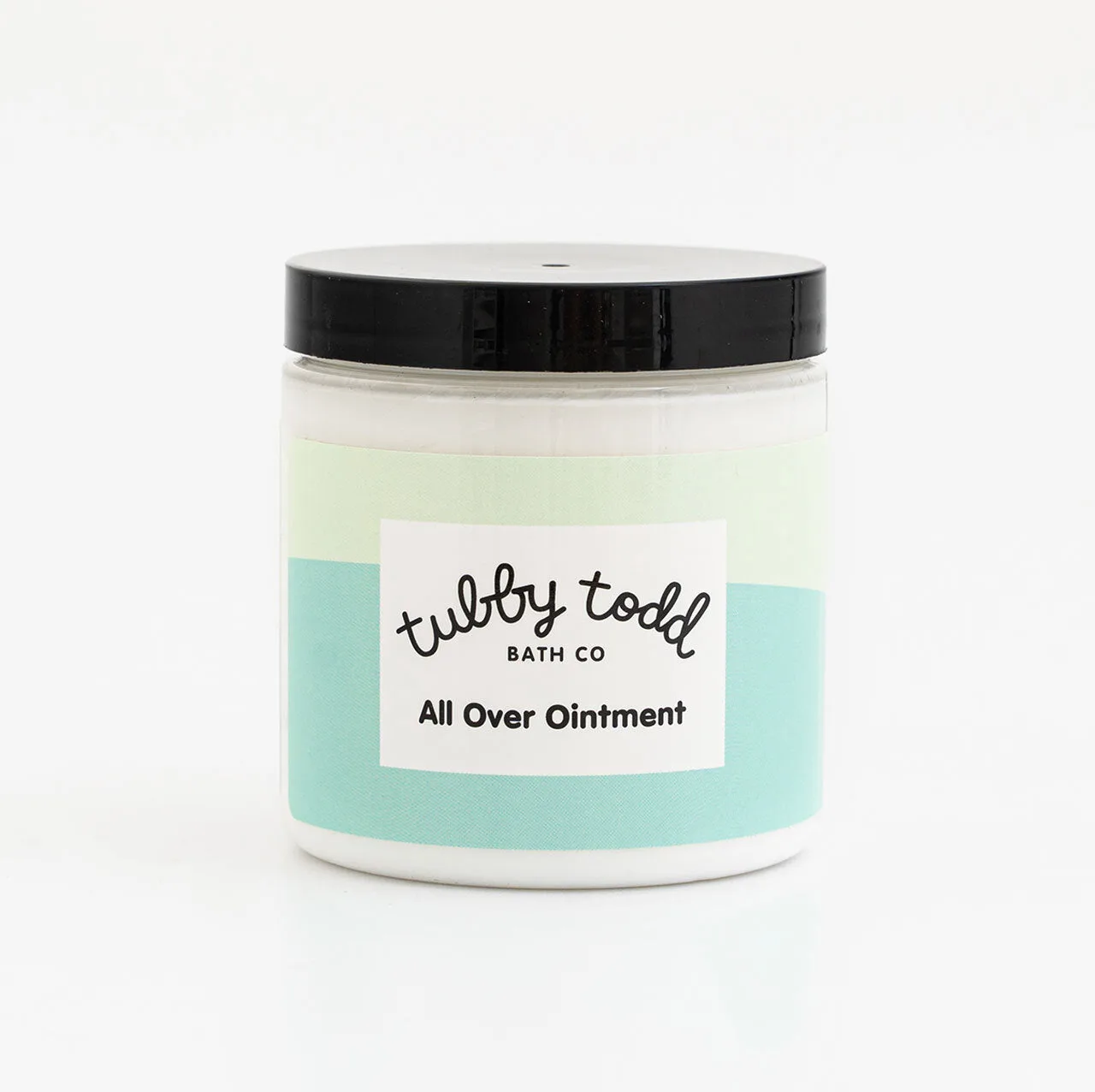
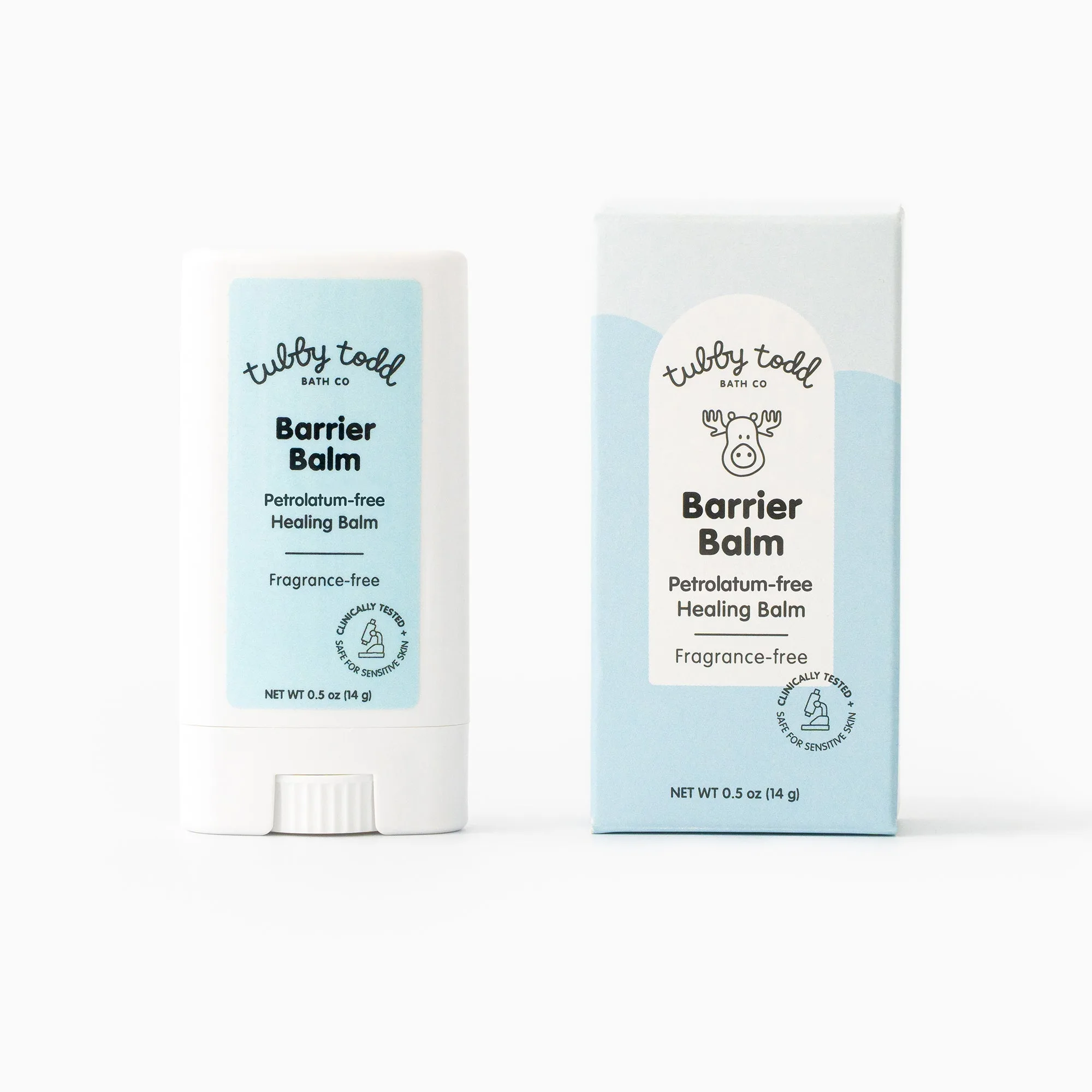
Not all balms are the same. Some are petrolatum-based, while others use plant-based ingredients. If your child has sensitivities to oat, you'll want to avoid colloidal oatmeal. Consider the format: stick balms are great for targeted spot treatment and mess-free application, while ointments in tubes are better for larger areas. Always patch-test a new product on a small area first. For cold weather baby eczema, look for fragrance-free options to minimize irritation. Tubby Todd offers two balms that suit different needs: Barrier Balm with 1% colloidal oatmeal for soothing itch, and All Over Ointment Original Formula without oatmeal for oat-sensitive skin.
Building a Winter Eczema Skincare Routine
A consistent routine is key. Start with lukewarm baths (not hot) and a gentle, fragrance-free cleanser. Pat skin dry—don't rub—and apply balm within three minutes while skin is still damp to lock in moisture. Reapply balm to dry or itchy areas at least twice daily, and more often if your child is outdoors. Use a humidifier indoors to add moisture to the air. Dress your child in soft, breathable layers like cotton, and avoid wool or synthetic fabrics that can irritate. Keep nails short to prevent scratching damage. If flare ups persist despite these steps, consult a pediatric dermatologist.
Diagnose Your Child's Winter Skin
- Symptom: Dry, rough, or scaly patches that may be red and itchy, often on cheeks, arms, and legs. This indicates moisture loss and early barrier compromise.
- Likely cause: Cold outdoor air combined with dry indoor heat strips the skin of its natural oils, weakening the barrier. Without intervention, the barrier can't repair itself fast enough, leading to flare ups.
- Corrective action: Apply a barrier balm immediately after bathing and reapply to dry areas at least twice daily. Use a humidifier and avoid irritants. Consistency is crucial; improvement may take a few days.
- When to stop or choose another option: If skin becomes cracked, oozing, or shows signs of infection (yellow crusts, warmth), stop home care and see a doctor. If your child has known oat sensitivity, choose a balm without colloidal oatmeal, such as All Over Ointment Original Formula. Persistent or worsening symptoms need professional evaluation.
Product facts
- Barrier Balm: Barrier Balm is a petrolatum-free skin protectant with 1% colloidal oatmeal and plant-based ingredients, in a twist-up stick for targeted relief. The stick format allows mess-free spot treatment on dry, itchy patches, and colloidal oatmeal soothes irritation while supporting barrier repair.
- All Over Ointment Original Formula: All Over Ointment Original Formula is a rich, creamy ointment with jojoba esters and camellia leaf extract, fragrance-free and gentle enough for newborns, and does not contain colloidal oatmeal. This is a good alternative for babies sensitive to oat ingredients, and its rich texture is ideal for all-over moisturizing in cold weather.