Quick answer
Most loose eitech screws come from three causes: vibration during play, a missing washer that lets the screw back out, or a screw that is too short for the number of plates it passes through. Check the screw length first, add a washer if the hole is oversized, and tighten in a cross pattern. If the screw still backs out, the thread or the plate hole is worn and you should replace the screw or move the joint to a fresh hole.
You tighten a screw, the model feels solid, and ten minutes later the same joint is wobbly again. Loose screws are one of the most common frustrations in metal building kits, and they rarely mean the model is badly designed. In most cases the screw is simply doing a job it was not sized for, or a small part like a washer is missing.
This guide walks through the symptoms you will actually see, the likely cause behind each one, and the fix that works without damaging the plates. It also tells you when to stop tightening and swap the part instead.
Symptom: The screw turns but never feels tight
If the screw spins freely and will not clamp the plates together, the thread is probably stripped or the screw is too short to reach the far side of the stack. A stripped thread is common when a screw has been over-tightened once; the metal gives way and the screw can no longer grip. A screw that is too short will bottom out in the hole without pulling the plates tight.
Before you replace anything, count how many plates the screw passes through. If it passes through three or more, a longer screw is the correct fix. If the stack is thin and the screw still spins, the hole or the screw thread is worn. In that case, move the joint to a nearby unused hole and use a fresh screw.
- Test the screw in a scrap plate first: if it grips there but not in the model, the model hole is worn.
- Never force a screw that will not bite; you will enlarge the hole and make the problem worse.
Symptom: The screw tightens, then loosens after play
A screw that holds when you tighten it but backs out during use is usually a vibration problem. Metal kits flex slightly when the model moves, and that movement works the screw loose over time. This is especially common on wheel mounts, steering linkages, and any joint that carries the weight of the model.
The fix is to add a washer under the screw head if the hole is larger than the screw shaft. A washer spreads the load and adds friction that resists backing out. If no washer is available, tighten the screw firmly but not so hard that you deform the plate. Check these high-movement joints before and after each play session.
- Washers are most useful on joints that pivot, such as axles and steering arms.
- If a joint keeps loosening, consider whether the model design puts too much load on one screw.
Symptom: The screw sits at an angle or cross-threads
A screw that goes in crooked or cross-threads is usually started by hand at the wrong angle. Once crossed, the threads are damaged and the screw will never hold properly. This is not a tightening problem; it is a starting problem. Back the screw out completely, inspect the hole, and start it again by hand for the first two turns before using a tool.
If the hole itself is deformed, the plate may need to be replaced. Cross-threading is one of the few eitech build problems that cannot be fixed by tightening alone. A deformed hole will keep pulling new screws out of alignment, so replacing the plate is the reliable solution.
- Always start screws by hand; use a tool only after the first two turns feel smooth.
- If a hole is visibly oval rather than round, stop using it.
When to stop tightening and change the part
There is a point where more tightening does damage rather than good. If you have tightened a screw three times and it still loosens, the screw, the hole, or both are worn. Continuing to tighten will strip the thread or bend the plate. At that point, replace the screw with a new one of the same size, or move the joint to a different hole.
If the model uses many screws of the same size and several are loosening, check whether you are using the right length for those joints. A mixed set of screws in a kit can lead to using a short screw where a longer one is needed. Keeping a small stock of the correct size on hand makes repairs quick and avoids reusing damaged screws.
- Replace, don't re-tighten, any screw that has already stripped a hole.
- Keep spare screws sorted by size so you can match the joint without guesswork.
Loose screw diagnosis chart
- Screw spins without tightening: Thread is stripped or screw is too short for the plate stack. Try a longer screw first. If it still spins, move to a fresh hole.
- Screw tightens then loosens during play: Vibration and flex are working the screw backward. Add a washer if the hole is oversized, and check the joint after each use.
- Screw goes in crooked or cross-threads: The screw was started at an angle and damaged the thread. Back it out, start by hand, and replace the plate if the hole is deformed.
Parts that help with loose screws
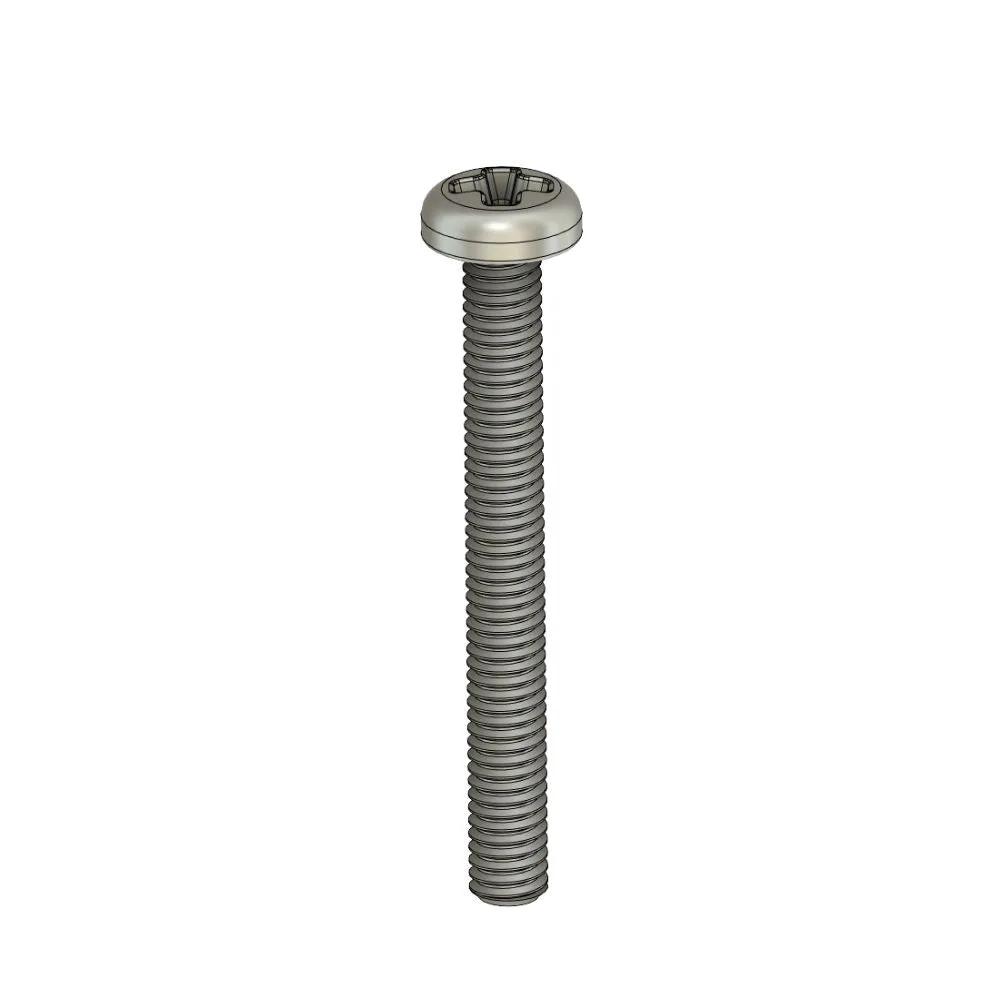
- Screw PH-cross slot M4x35: This eitech screw features a PH-cross slot and M4x35 sizing. It is offered in multiple unit quantities to suit different project needs. A fresh M4x35 screw is the direct replacement when a screw thread is stripped. Buying in 25, 50, or 100-piece units lets you keep spares on hand so you never reuse a damaged screw.
- Group construction kit: Our creative construction kits are centered around open-ended play. There are no limits to your creativity, allowing you to fully explore your imagination. The buildings you imagine are created without instructions. Open-ended builds often use joints in ways the original kit did not plan for. That makes it more likely you will need to adjust screw lengths or add washers, so having a flexible kit and spare screws helps.
Loose screws are usually a sizing or wear issue, not a sign that your model is failing. Match the screw length to the joint, add a washer where movement is high, and replace any screw that has already stripped a hole. With a few spare screws on hand, you can keep your eitech models tight and ready to run.