Quick answer
Flapjacks crumble in your bag mainly because they are compressed oat bars with little structural elasticity: once a bag flexes, the bar bends and fractures at its weakest point. The fix is to stop the bar from bending and to stop hard objects from pressing into it. Carry flapjacks flat in a rigid container or in a padded pocket, and keep them in their original wrapper until you eat them.
What is actually happening when a flapjack breaks
A flapjack holds together through compression: oats, syrup, and protein are pressed into a dense slab. That makes it filling and chewy, but it also means the bar has very little give. When your bag shifts, the wrapper slides, the bar bends, and the oats separate along the fold line. The crumble is not a sign that the bar is stale or badly made. It is a sign that the bar was loaded in a way that let it flex.
The damage usually happens in three places: the bottom of a tote where a water bottle presses down, a front pocket where keys and cables create hard pressure points, and a jacket pocket that folds as you sit. In each case, the cause is the same. Something is bending the bar or concentrating weight on one spot.
How to pack flapjacks so they arrive intact
Treat a flapjack like a soft-baked cookie, not like a hard granola bar. Give it a flat, rigid surface and keep other items from pressing on it. A small hard-shell case, a flat lunchbox compartment, or a stiff notebook pocket all work. If you are carrying several bars, stack them flat and put the stack in the middle of your bag, not against the outer wall.
Padding helps more than tightening. Wrapping the bar in a cloth, a napkin, or a soft pouch absorbs the small movements that cause fractures. Do not overpack the bag around the bar; a tightly packed bag transfers every bump directly into the flapjack.
If you are carrying a bar for later in the day, leave it in its original wrapper. The wrapper is designed to hold the bar's shape and keep out moisture. Rewrapping a broken bar in a loose bag lets it dry out and crumble further.
Storage at home that keeps flapjacks from drying and cracking
Dryness makes flapjacks more brittle. Once the wrapper is open, the bar starts losing moisture and the oats harden. Keep unopened bars in a cool, dry cupboard, and once opened, eat the bar within a day or seal it in an airtight container. Do not refrigerate flapjacks unless the label says to; cold temperatures can make the syrup set harder and the bar more likely to snap when you bite it.
Heat is the opposite problem. A bar left in a hot car or in direct sun can soften, then re-harden into a shape that cracks easily. If a bar has been warm, let it come back to room temperature before you pack it for travel.
What to do if the bar has already crumbled
Crumbles are still perfectly good food. Tip them into a bowl with yogurt, sprinkle them over fruit, or press them into a small cup with a spoon. The texture changes, but the protein, fibre, and flavour do not. If you are eating on the move, a crumbled bar is easier to eat from the wrapper than to reassemble.
The one time to stop and choose another option is when the bar has been crushed into fine dust inside a torn wrapper and has been sitting open in a bag for hours. At that point, moisture and grit from the bag are the concern, not the crumble. Throw it away and take a fresh bar next time.
Diagnose your crumble
- Symptom: bar snapped in half: The bar bent around a hard object or a fold in the bag. Move the bar to a flat, rigid compartment and remove pressure points.
- Symptom: bar turned to loose crumbs: The wrapper was crushed repeatedly, or the bar was already dry and brittle. Check the wrapper for tears; if the bar is open and dusty, discard it.
- Symptom: bar is soft and falling apart: Heat softened the syrup and the bar lost its pressed shape. Let it cool to room temperature before packing; if it stays soft, eat it at home.
Flapjacks built for carrying
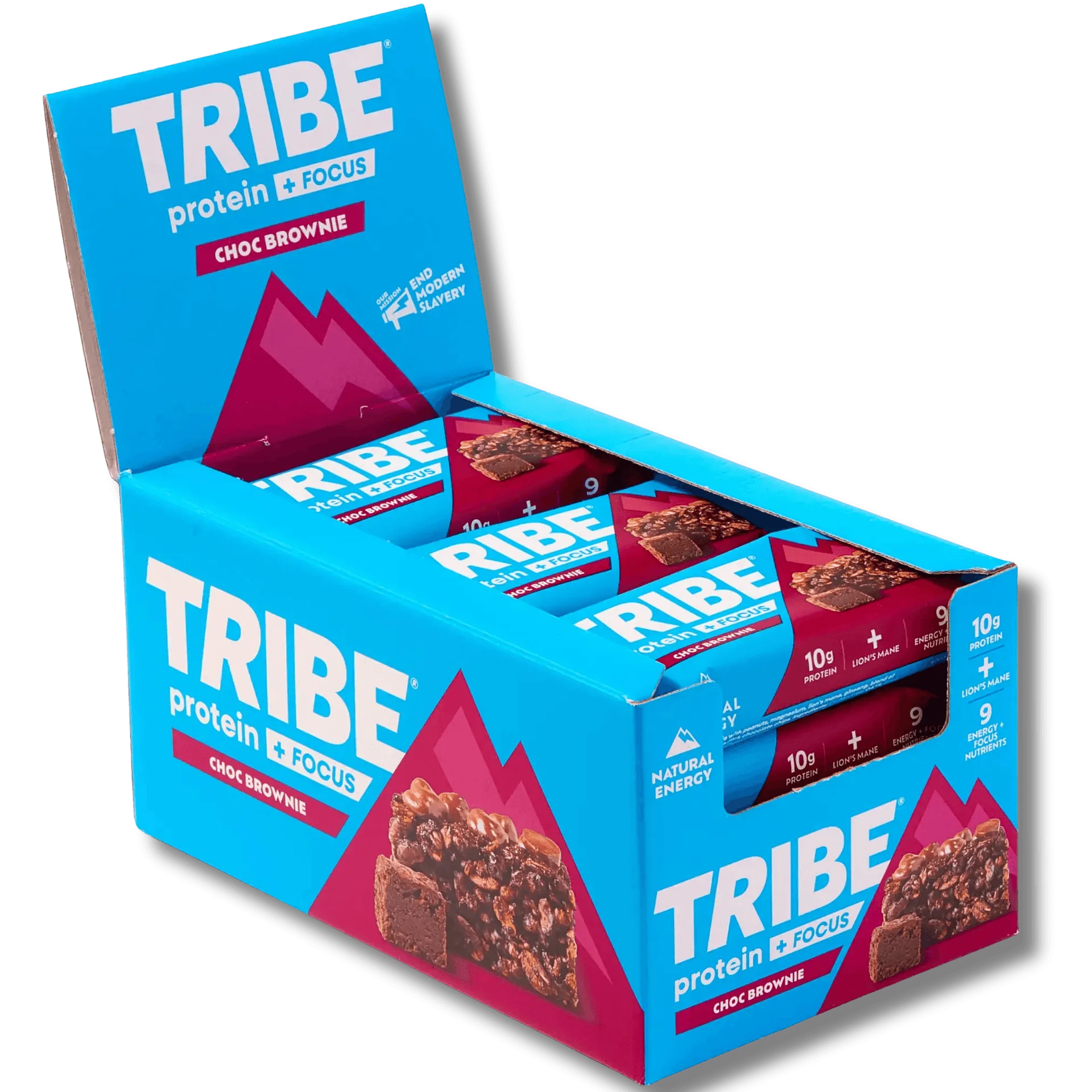
- Perkbox - Protein + Focus 12 x 60g Bars | High Protein Flapjack | Lion's Mane & 9 Focus Nutrients: Perkbox Protein + Focus bars are a chocolate-covered vegan protein flapjack snack with 10g of protein and up to 8g of fibre per bar. The chocolate coating adds a protective layer that helps hold the bar's shape, so it survives a bag better than an uncoated flapjack.
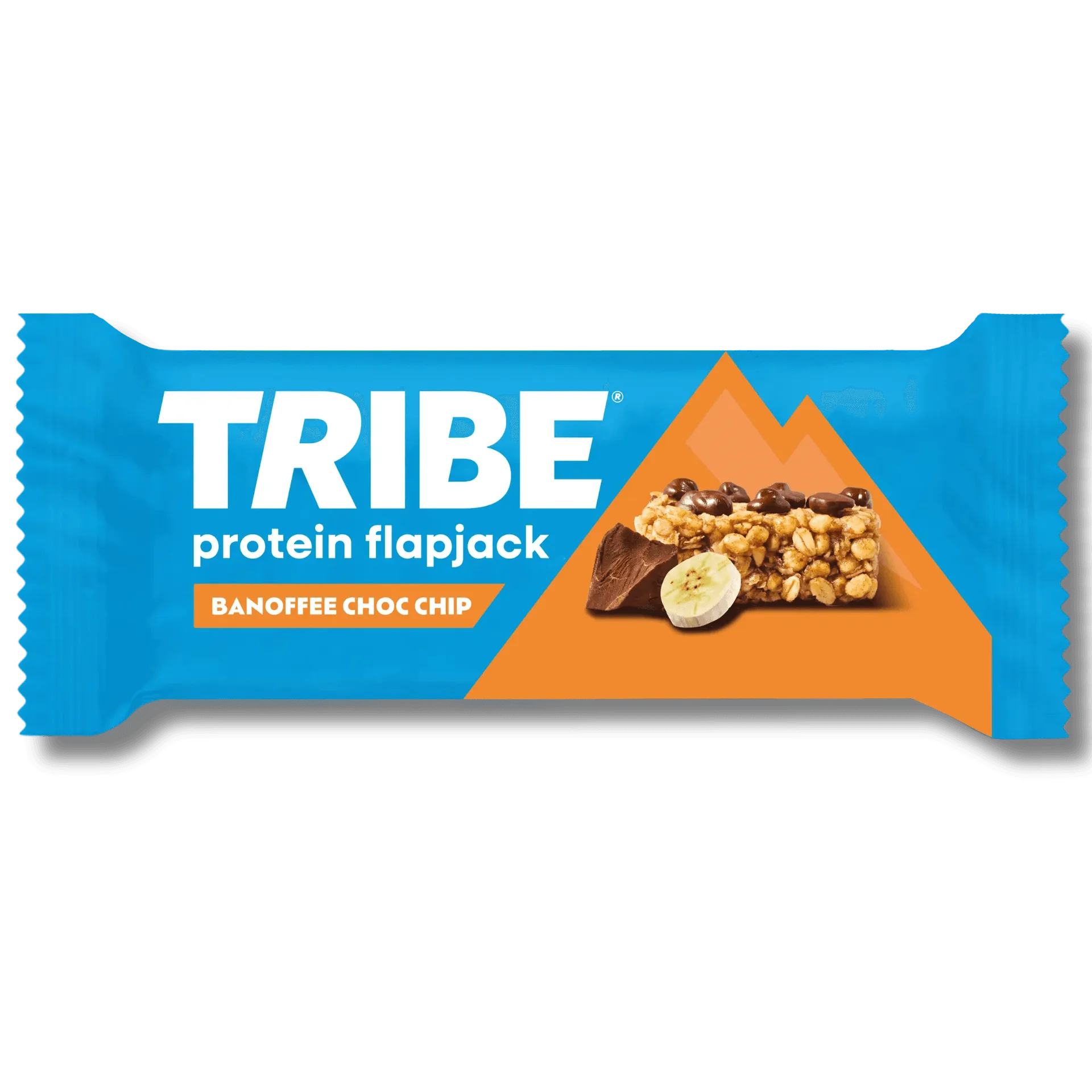
- Protein Flapjack (Single): TRIBE Protein Flapjacks are an everyday snack with 7g of protein and 6g of fibre per bar. A single wrapped bar is the easiest format to carry flat; keep it in its wrapper and avoid stacking heavy items on top.
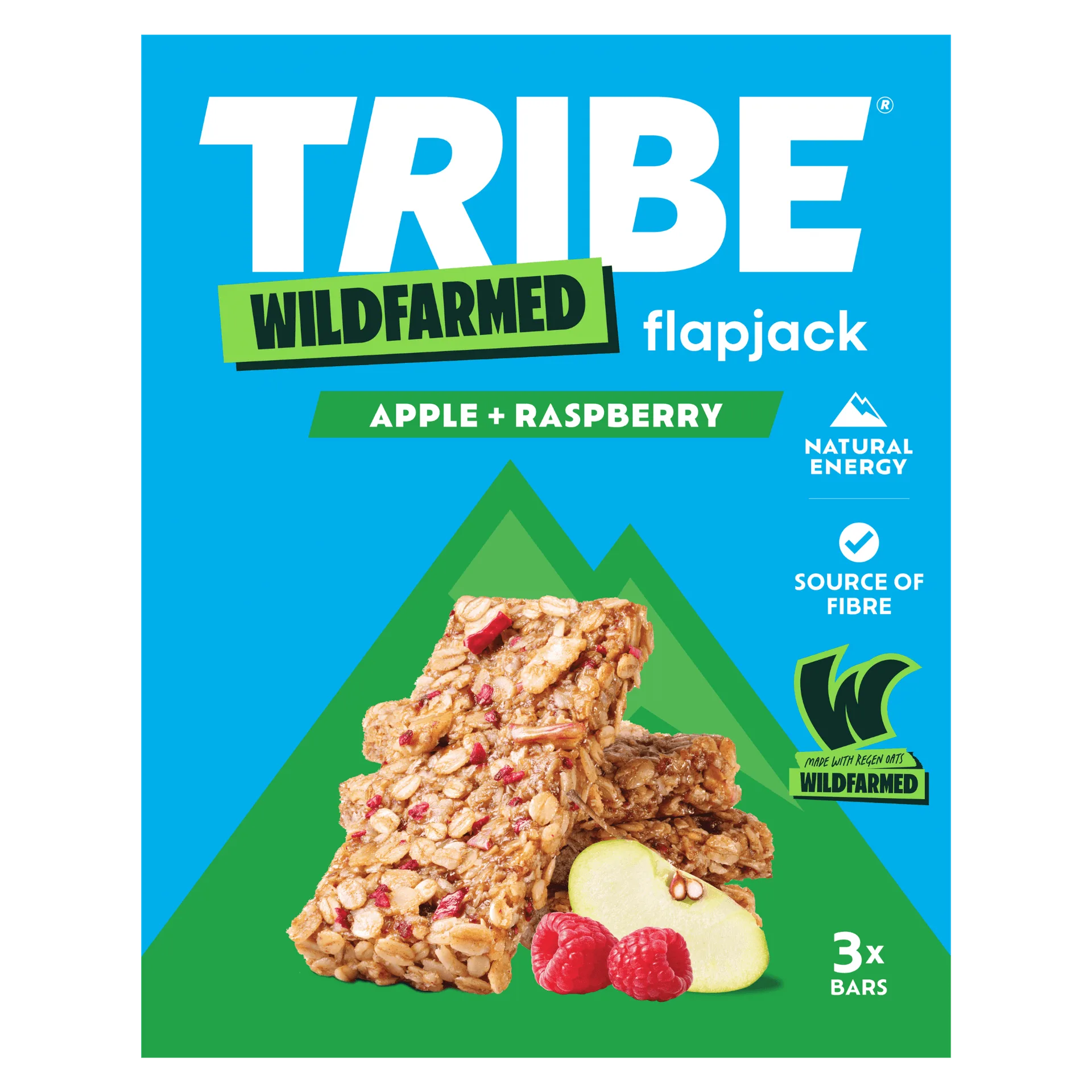
- TRIBE x Wildfarmed 3x50g Multipack | Delicious Tasting Flapjack | Made with Regen Oats | Sustained Energy: TRIBE x Wildfarmed flapjacks are made with regeneratively farmed Wildfarmed oats and come in a 3x50g multipack. The multipack keeps three bars together in one flat package, which is simpler to protect in a bag than three loose bars.