Quick answer
Spots appear when dissolved minerals in water are left behind as droplets dry on the surface. The fix is to remove the water before it can evaporate: hand-dry immediately with a clean, absorbent cloth, or use a rinse aid and a heated drying cycle in the dishwasher. If spots persist after drying, they are likely mineral deposits rather than damage, and a gentle acid rinse will remove them.
Symptom: white or cloudy spots that appear only after drying
The spots are not there when the flatware comes out wet. They show up minutes later, once the water has evaporated. They may look like faint white rings, cloudy patches, or pinpoint dots, and they wipe off easily with a dry finger. That pattern points to dissolved solids in the water, not to a fault in the stainless steel or the detergent.
Likely cause: hard water and slow drying
Water contains calcium and magnesium. When a droplet dries, those minerals stay on the surface as a thin film. The slower the water evaporates and the harder the water, the more visible the spots. A dishwasher that finishes with a cold or poorly ventilated drying phase makes this worse because droplets sit on the surface for longer.
Corrective action: dry before the water evaporates
If you wash by hand, do not let flatware air-dry. As soon as it comes out of the rinse water, dry it with a clean, lint-free cloth. A microfibre towel works well because it pulls water off the surface instead of pushing it around. For dishwasher users, select a cycle with a heated dry or a long, hot final rinse, and make sure the rinse aid dispenser is filled. Rinse aid helps water sheet off rather than form droplets.
- Hand-wash: rinse in hot water, then dry immediately with a clean cloth.
- Dishwasher: use rinse aid and a heated drying cycle.
- If your water is very hard, a whole-house softener or a filtered rinse supply will reduce the mineral load.
When spots are not just water marks
If a spot remains after drying and feels slightly raised or has a rainbow edge, it may be a mineral deposit that has bonded to the surface. Soak the piece for a few minutes in a mild acid such as white vinegar diluted with water, then wash and dry as usual. Do not use abrasive powders, steel wool, or chlorine bleach on stainless steel; they can scratch the finish or cause pitting. If the spot is a dark pit rather than a white film, the surface has been damaged, and no cleaning method will restore it.
Prevention for the long term
The most reliable prevention is to stop water from sitting on the surface. That means drying promptly, using rinse aid, and keeping the dishwasher filter and spray arms clean so water drains freely. If you live in a hard-water area, a drying cloth is faster than any dishwasher setting. For flatware with a polished or satin finish, such as David Mellor Chelsea, a soft cloth also protects the surface from micro-scratches that can make future spots harder to remove.
Diagnosis: match the mark to the cause
- White, cloudy ring that wipes off with a finger: This is a dried water droplet. The minerals in the water remain after evaporation. Dry the flatware immediately after washing, or use rinse aid in the dishwasher. If it wipes off, it is a drying problem, not damage.
- Rainbow-edged or slightly raised spot that does not wipe off: This is a mineral deposit that has bonded to the surface. Soak in diluted white vinegar for a few minutes, then wash and dry. Do not scrub with abrasives. If vinegar removes it, the stainless steel is fine.
- Dark pit or rough patch that remains after cleaning: This is surface damage, often from prolonged contact with salt, acidic foods, or chlorine bleach. Cleaning will not restore it. Replace the piece if the damage affects hygiene or appearance. Stop cleaning and consider replacement.
Product facts
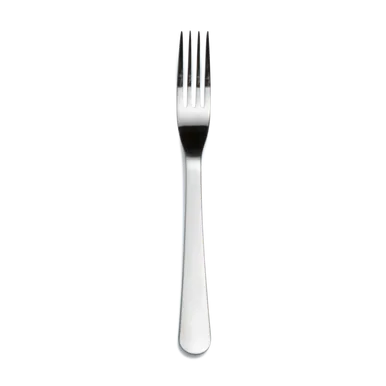
- David Mellor Chelsea Table Fork: David Mellor Chelsea Table Fork is part of a stainless steel cutlery range handmade in the UK, with classic shapes and subtle variations of thickness. A polished stainless surface shows water spots clearly, so prompt drying matters more than with a brushed or matte finish.
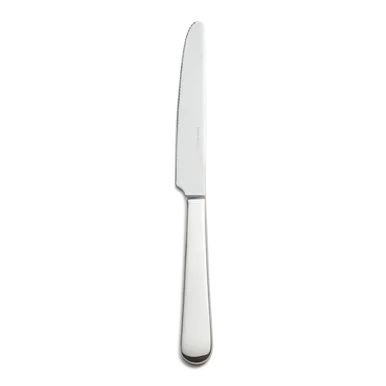
- David Mellor Chelsea Steak Knife: David Mellor Chelsea Steak Knife is a hollow-handled knife from the same range, designed with a nod to classic English 18th-century cutlery. Hollow handles can trap water at the joint if left to air-dry, so drying the full handle prevents spots and odour.