Quick answer
Garden shears dull because of dirt, moisture, and metal fatigue, but you can restore the edge at home with a few simple steps.
Common causes of dull shears
Dirt and sap build up on the blade, creating friction that wears the edge. Moisture leads to rust, which pits the metal and ruins the cutting surface. Over time, even regular use causes micro-chipping and edge rollover, especially if you cut branches thicker than the tool's maximum capacity.
Using shears on material they weren't designed for—like tough stems or wire—accelerates dullness. The 8" Garden Scissors from Radius Garden, for example, cut up to 1.97 inches, so sticking within that limit preserves the edge longer.
Why sharpening matters
A sharp blade cuts cleanly, reducing plant damage and making your work faster. Dull shears crush stems instead of slicing, which can invite disease. Regular maintenance also extends the life of the tool, saving you money on replacements.
Diagnosis and fix for dull garden shears
- Symptom: Shears crush or tear stems instead of slicing cleanly. You feel more resistance than usual, or the blade leaves ragged edges.
- Likely cause: Dirt or sap buildup on the blade, rust from moisture, or micro-chipping from cutting material too thick for the tool. Inspect the blade for visible gunk, rust spots, or nicks before sharpening.
- Corrective action: Clean the blade with soapy water and a stiff brush, dry thoroughly, then sharpen with a fine diamond file or whetstone. Hold the file at the blade's original bevel angle (usually 20-25 degrees) and stroke from base to tip 5-10 times per side. Wipe away metal filings and apply a drop of light oil to the hinge. Test the edge on a piece of paper. If it still tears, repeat the sharpening strokes.
- When to stop or choose another option: If the blade has deep nicks, cracks, or severe rust pitting, sharpening won't restore performance. Replace the shears or consider a model with replaceable blades. For tools with a classic hinge like the 8" Garden Scissors, a loose pivot can also cause poor cuts—tighten the hinge screw before sharpening. If the blade is damaged beyond repair, invest in a new pair rather than forcing a dull tool.
Tool that helps
-
8" Garden Scissors: The 8" Garden Scissors features a classic hinge design and stainless steel blade with a maximum cutting size of 1.97 inches. Stainless steel resists rust, and staying within the cutting limit prevents edge damage that leads to dullness.
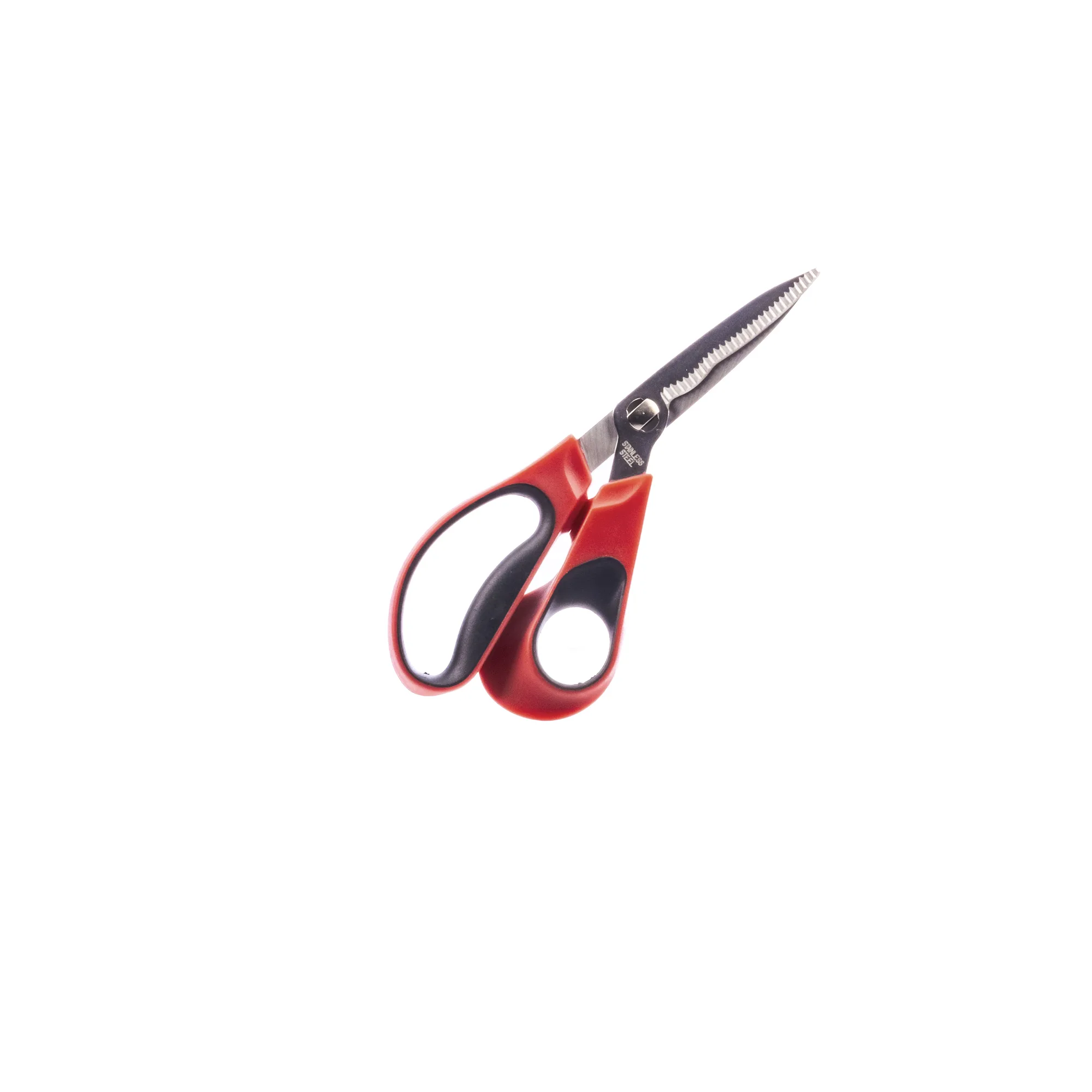
8" Garden Scissors