Quick answer
A green or black mark on your skin is a surface reaction between your sweat or lotion and the metals in the jewelry, not a sign that the gold itself has failed. It is not harmful for most people. You can prevent it by keeping the piece dry, applying products before you put jewelry on, and cleaning the metal regularly. If a piece keeps discoloring or irritates your skin, switch to a solid metal like sterling silver or 14kt gold.
You take off your favorite gold-plated necklace or ring and find a faint green or black smudge on your skin. It looks alarming, but it is usually a simple chemistry problem, not a sign that the jewelry is dangerous or that you have done something wrong.
This guide explains what that mark actually is, why some pieces cause it and others do not, and the practical steps that stop it. You will also learn when a piece is worth keeping and when it is time to choose a different metal.
What the green mark actually is
The color comes from tiny amounts of metal salts forming on the surface of the jewelry. Sweat, lotion, sunscreen, and even the natural pH of your skin can react with the metals under the gold layer. When those salts transfer to your skin, they leave a green or grayish mark. It is a surface reaction, not the gold plating dissolving in front of you.
This is more common with gold-plated jewelry because the gold layer is thin and sits over a base metal such as brass. The gold itself is stable, but the base metal underneath can react when moisture reaches it through tiny pores or worn spots. That is why a piece may be fine for months and then start leaving a mark.
- The mark is usually harmless and washes off with soap and water.
- It is more likely in summer, during workouts, or when you wear the piece 24/7.
- A piece that never caused a mark can start causing one as the plating wears.
Why some gold-plated jewelry tarnishes faster
Plating thickness, base metal, and your daily habits all matter. A thicker, well-bonded gold plate resists wear longer than a thin decorative layer. Brass and copper bases are common because they are strong and take plating well, but they are also more reactive when exposed. That is why two necklaces can look identical and behave completely differently.
Your routine matters just as much. Perfume, hairspray, sunscreen, and chlorine are the biggest accelerators. So is moisture trapped under a ring or a bracelet that never dries completely. If you apply lotion and then put on jewelry, you are essentially sealing a thin film of product against the metal all day.
- Apply perfume, lotion, and sunscreen first, then put jewelry on last.
- Take jewelry off before swimming, showering, or heavy workouts.
- Wipe pieces with a soft dry cloth after wearing to remove sweat and oils.
How to stop jewelry from turning your finger green
Start with a dry barrier. A thin coat of clear jewelry sealer or even clear nail polish on the inside of a ring can slow the reaction, though it needs to be reapplied as it wears. Keep the piece clean: a soft cloth and mild soap remove the salts and oils that trigger the mark. Store jewelry in a dry pouch or box rather than a humid bathroom.
If a ring fits snugly, moisture and soap get trapped underneath and the problem gets worse. Make sure the ring can slide off easily and dry your hands completely before putting it back on. For necklaces and bracelets, rotate your pieces so no single item is exposed to sweat every day.
- Clean with mild soap and lukewarm water, then dry completely before wearing.
- Avoid abrasive polishes, which can strip the gold layer.
- Rotate your jewelry so each piece gets time to dry and rest.
Is gold-plated jewelry safe to wear?
For most people, yes. The green mark is a cosmetic annoyance, not a medical problem. A true allergy is different: it usually shows up as itching, redness, or a rash rather than a green smudge. If you notice those symptoms, stop wearing the piece and let your skin settle. Nickel is the most common metal allergen, and it can be present in base metals even when the piece is gold plated.
If you have sensitive skin, look for pieces described as nickel-free or choose solid sterling silver or 14kt gold. Gold-plated jewelry can still be a good choice for occasional wear, especially when you keep it dry and clean. The key is matching the metal to how you actually wear it.
- Green marks are cosmetic; itching and rash suggest a sensitivity.
- Stop wearing any piece that causes a rash and see a doctor if it persists.
- Sensitive skin does better with solid metals or nickel-free options.
When to stop troubleshooting and choose another option
If you have cleaned the piece, kept it dry, and still get a mark every time you wear it, the plating is likely worn through. Replating is rarely worth it for inexpensive fashion jewelry. At that point, either retire the piece or replace it with something that matches your daily routine. A solid metal ring or a sterling silver chain will not leave a green mark.
If the issue is irritation rather than color, stop wearing the piece immediately. No amount of cleaning fixes a metal sensitivity. Choose a different base metal or a solid gold or silver piece, and give your skin a few days to recover before trying anything new.
- Worn plating that keeps discoloring is a sign to replace, not repair.
- Persistent rash or itching means it is time to switch metals.
- Solid sterling silver or 14kt gold is the most reliable long-term fix.
Diagnose your green skin mark
- Symptom: faint green or black smudge, no itching: This is the classic metal-salt reaction. Clean the piece with mild soap, dry it fully, and apply lotion or perfume before wearing. A thin sealer on the inside of a ring can help. Cosmetic issue. Keep the piece and adjust your routine.
- Symptom: green mark plus itching, redness, or rash: This points to a metal sensitivity rather than simple discoloration. Stop wearing the piece and let your skin recover. Look for nickel-free or solid metal options going forward. Stop wearing it. Choose a different metal.
- Symptom: mark appears even after cleaning and drying: The gold plating has likely worn through to the base metal. Replating is usually not cost-effective for fashion jewelry. Replace the piece with a solid sterling silver or 14kt gold option. Time to replace, not repair.
How our gold-plated pieces are made
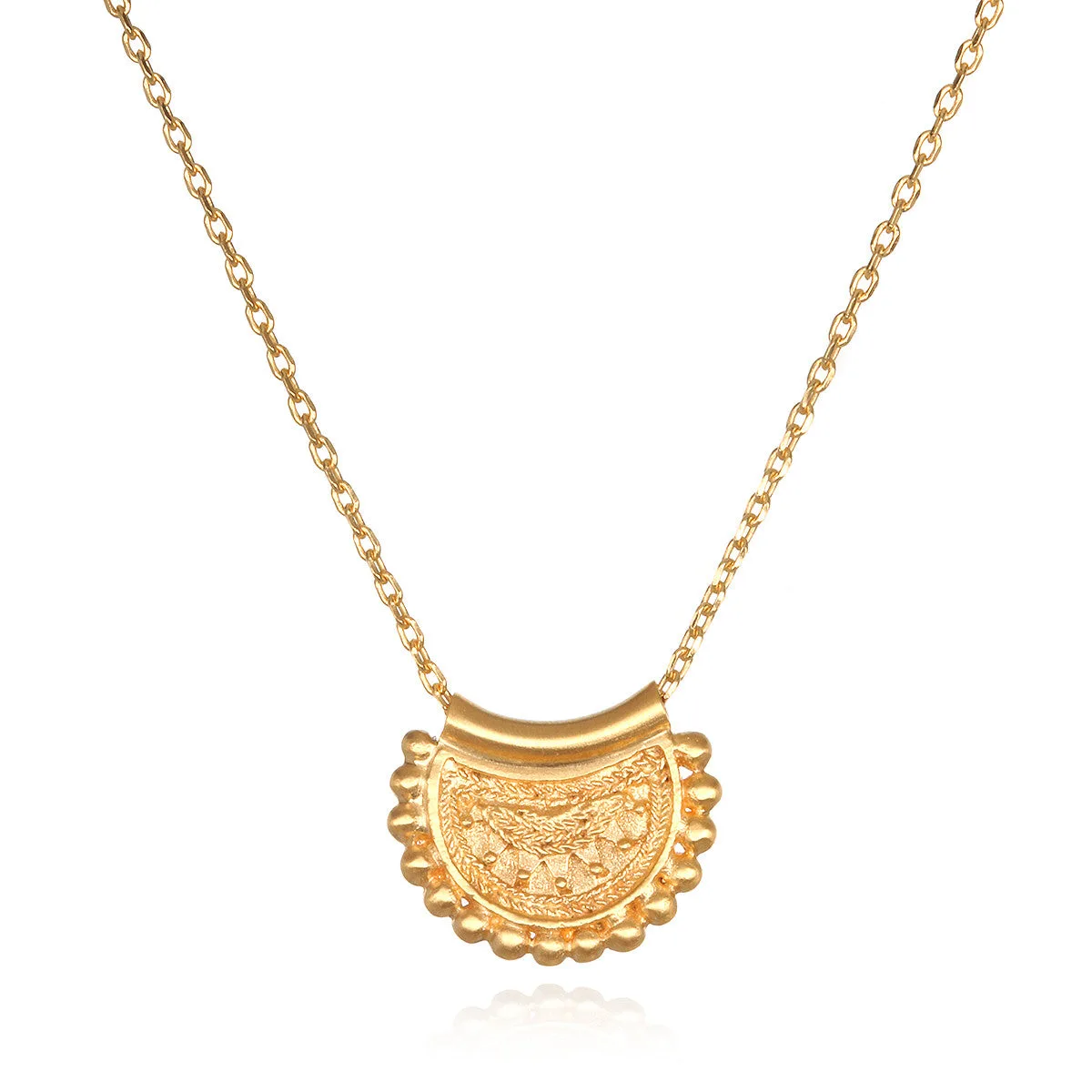
- Mini Mandala Necklace: 18kt gold plate over brass, made in Thailand, with a one-year warranty. The brass base is strong and takes gold plating well, but it can react with moisture if the plating wears. The one-year warranty covers manufacturing defects, not normal wear or skin reactions.
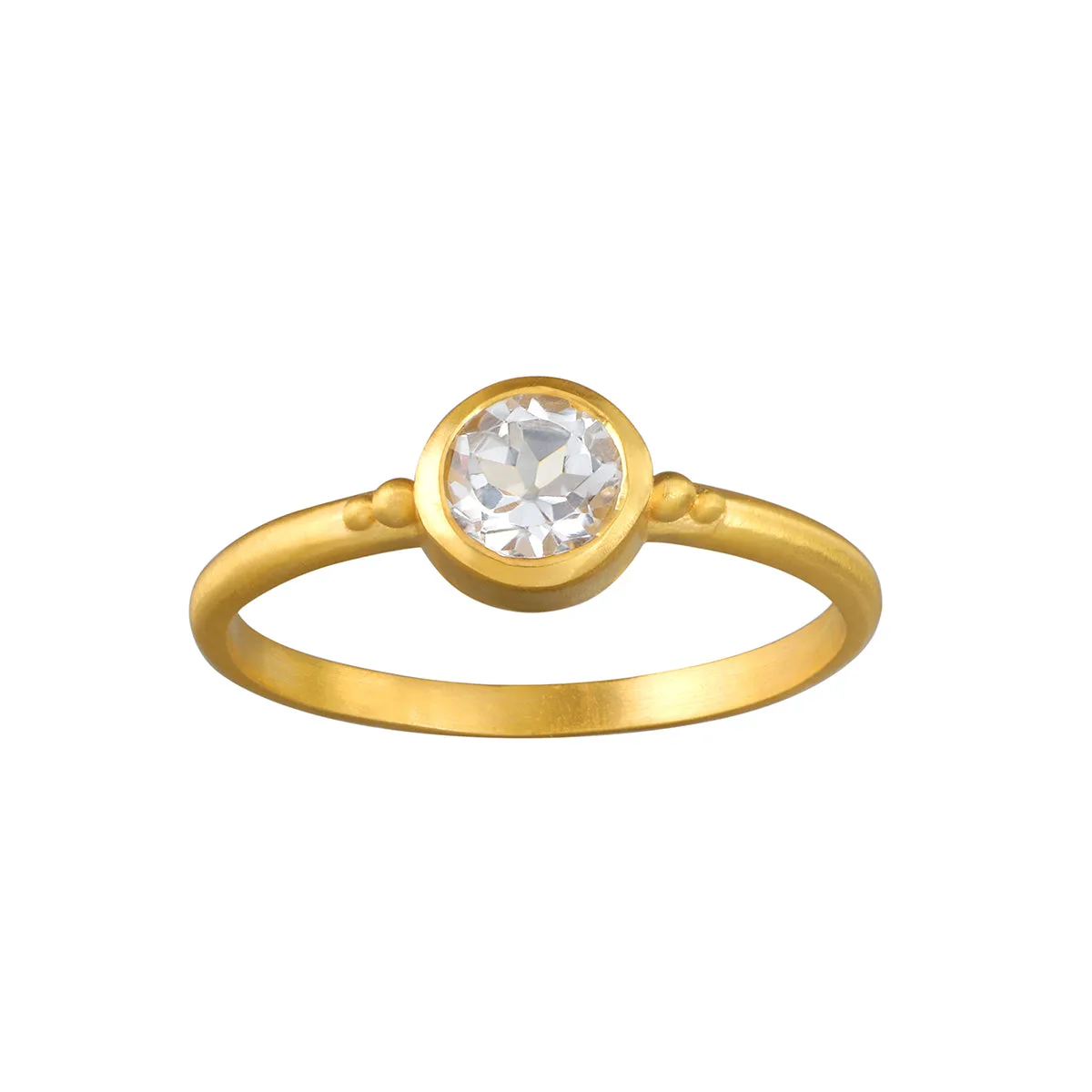
- Second Sight White Topaz Ring: 18kt gold plate over brass with a 2mm band and a 4mm faceted white topaz. A thin band sits close to the skin and traps moisture, so dry your hands well before wearing it. The bezel setting protects the stone, but the plating on the band is what determines how the ring wears over time.
- Path to Healing Malachite Gemstone Men's Bracelet: Malachite stretch bracelet with a 6mm bead size and 7.75-inch length, 18kt gold plate over brass, made in the USA. Stretch bracelets sit against the wrist all day and collect sweat and lotion. The malachite beads are porous, so keep the bracelet dry and clean the gold bead gently to avoid dulling the finish.
Green skin from gold-plated jewelry is almost always a surface reaction you can manage with a few simple habits. Keep pieces dry, clean them gently, and put them on last. If a piece keeps discoloring or irritates your skin, switch to a solid metal and enjoy jewelry that works with your body instead of against it.