Quick answer
Bitter green tea is usually caused by water that is too hot, steeping too long, or using too much leaf. Lower your water temperature to roughly 70–80°C (158–176°F), steep for 1–2 minutes, and use about 1 teaspoon of leaf per 200 ml. If the bitterness persists after those three fixes, the problem is likely your water or the leaf itself.
Symptom: the bitterness arrives late and lingers
If the first sip is pleasant and the bitterness builds as the cup cools, you are almost certainly over-extracting. Green tea releases its pleasant amino acids and aromatics early; the tannins that read as bitter and astringent come out later. That is why a cup can taste fine at 45 seconds and harsh at 2 minutes — the same leaf, the same water, just more time.
This is different from tea that tastes bitter from the very first sip. Instant, sharp bitterness usually points to water temperature or leaf quantity, not steeping time. Note when the bitterness appears before you change anything; it tells you which variable to adjust first.
Cause 1: water that is too hot
Boiling water scalds green tea. The leaves are minimally oxidized and relatively delicate, so water at a rolling boil extracts tannins aggressively and leaves the grassy, sweet compounds behind. Most green teas brew best between 70°C and 80°C (158–176°F).
You do not need a variable-temperature kettle to hit that range. Boil the water, then let it sit uncovered for 2–3 minutes for a light green tea, or 1–2 minutes for a heartier one. If you have a thermometer, use it once to calibrate your timing, then trust the pause.
Cause 2: steeping time that runs long
Green tea steeping time is shorter than most people expect. Start at 1 minute for delicate leaves and 2 minutes for denser ones. If you normally walk away and come back at 4 or 5 minutes, that alone explains the bitterness.
Set a timer for the first few cups until you learn how your tea behaves. Once you know the leaf, you can brew by color and aroma instead — the liquor should be pale gold or light green, not dark amber.
Cause 3: too much leaf for the water
A heaped tablespoon of green tea in a small mug will taste bitter no matter how carefully you brew it. Start with about 1 teaspoon per 200 ml of water, then adjust. If you prefer a stronger cup, add more leaf and shorten the steep rather than steeping longer.
Leaf size matters here. Broken or fine leaves release their compounds faster than whole leaves, so use slightly less of a fine-cut tea and check it earlier.
Cause 4: water quality and a dirty pot
If temperature, time, and leaf amount are all correct and the tea still tastes harsh, look at the water. Very hard water or heavily chlorinated tap water flattens the aromatics and can make tea taste metallic or bitter. Filtered water is the simplest fix.
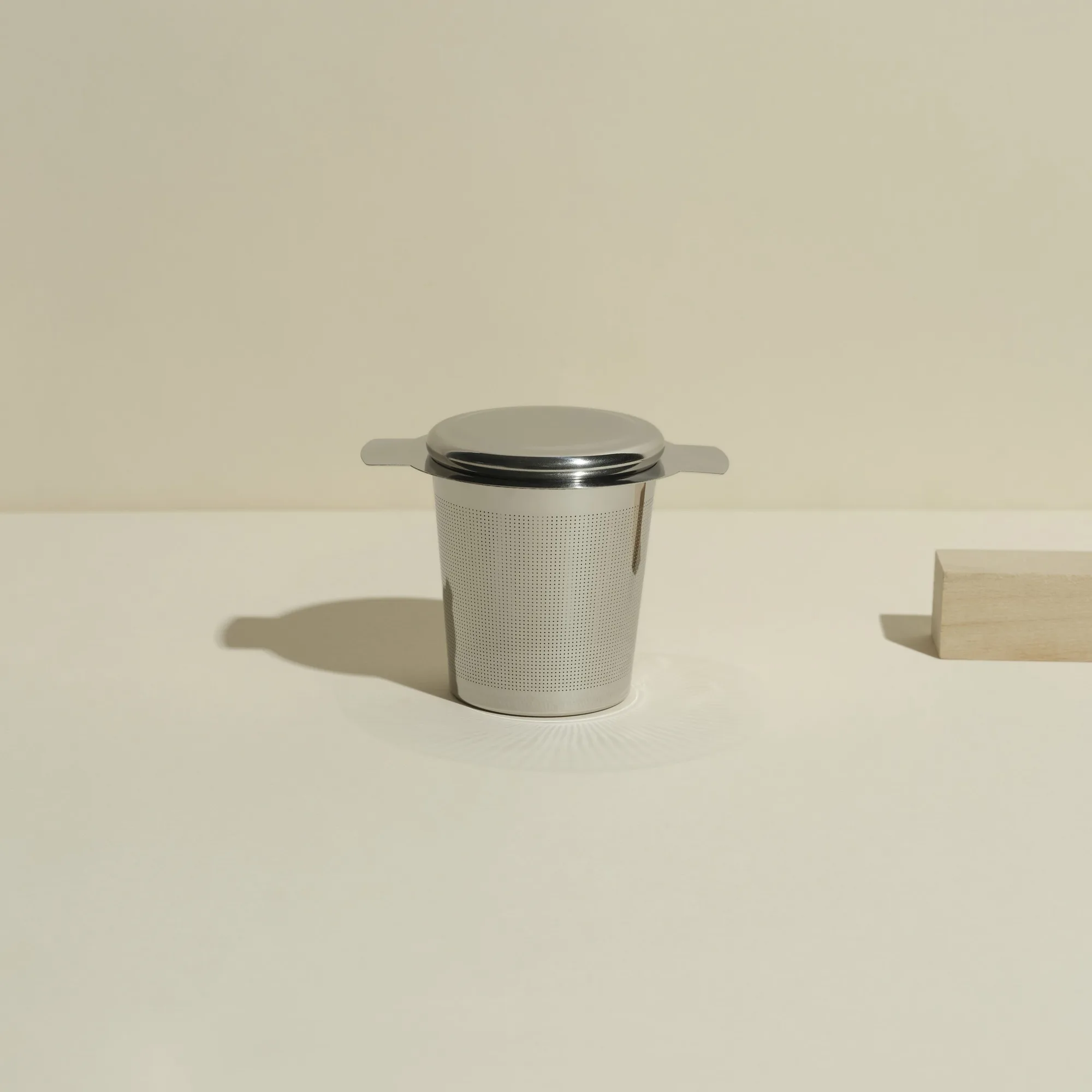
Also check your brewing vessel. Residual oils, soap film, or old tea stains in a mug or strainer will carry into the next cup. Rinse with hot water and a soft cloth rather than detergent, and let it dry fully between uses.
When to stop adjusting and choose a different tea
Some green teas are simply more forgiving than others. If you have lowered the temperature, shortened the steep, and reduced the leaf, and the cup is still unpleasantly bitter, the leaf may be too fine, too old, or too astringent for your taste. In that case, stop troubleshooting the brew and try a different style.
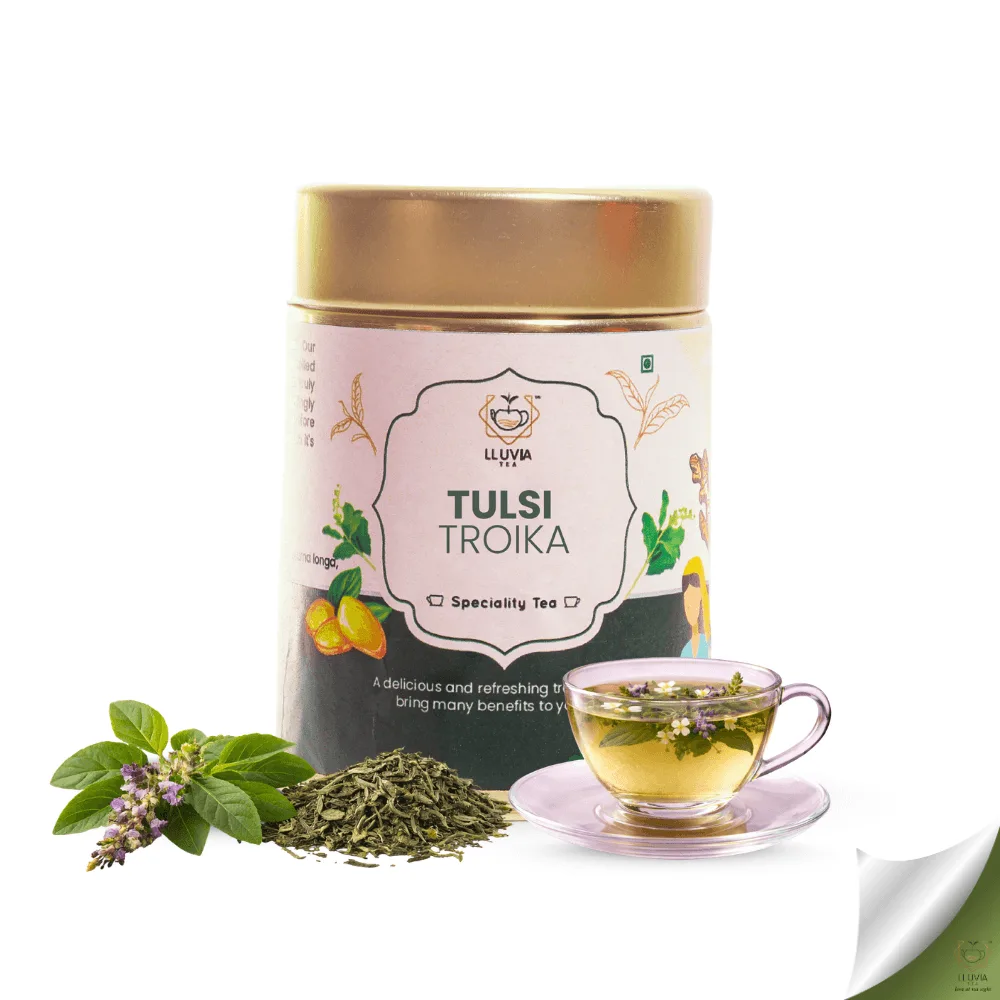
If you want a naturally caffeine-free cup with no bitterness risk from over-steeping, an herbal blend is a better fit. Lluvia Tea's Tulsi Troika combines tulsi, ginger, and turmeric in a caffeine-free infusion that is brewed with boiling water and does not turn harsh the way green tea does. It is a practical alternative when you want a warm daily ritual without watching a timer.
Bitter green tea diagnosis
- Bitter from the first sip: The water was likely too hot or you used too much leaf. Let boiled water rest 2–3 minutes before pouring, and measure 1 teaspoon per 200 ml. If the next cup is smooth at the start but bitter at the end, move to the steeping-time fix.
- Bitter only after a minute or two: You are over-steeping. Cut your time to 1–2 minutes and remove the leaves completely when the timer ends. If bitterness still builds during a 1-minute steep, reduce the leaf amount by a third.
- Bitter even at low temperature and short time: Check your water and your vessel. Filtered water and a clean, residue-free mug solve most of these cases. If the cup is still harsh after all three fixes, the leaf itself is the limit — switch to a different green tea or a caffeine-free herbal blend.
A caffeine-free option if green tea keeps fighting you
- Tulsi Troika – Adaptogenic Herbal Wellness Tea | Relives Stress (50gm): Tulsi Troika is a naturally caffeine-free herbal blend of tulsi, ginger, and turmeric. Because it contains no green tea leaf, it does not develop the tannin bitterness that comes from over-steeping green tea, so you can brew it with boiling water and leave it in the cup.