Quick answer
Green tea tastes bitter when it is brewed too hot, too long, or with too much leaf, because those conditions pull out more tannins and caffeine. Lower the water temperature, shorten the steep, and measure your leaf. If the tea is still harsh after that, the leaf itself may be old or low grade, and no brewing change will rescue it.
Check the water temperature first
Boiling water is the most common reason green tea turns bitter. Green tea leaves are delicate, and water above 85°C extracts harsh compounds faster than it extracts the sweet, vegetal notes you want. If you do not have a variable-temperature kettle, boil the water and let it sit for two to three minutes before pouring. A simple thermometer takes the guesswork out of it.
Different green teas want different temperatures. A standard loose leaf green tea usually performs well around 80-85°C. Matcha is whisked rather than steeped, but the same rule applies: water that is too hot makes the powder taste sharp and grassy instead of smooth. Start at the lower end of the range and only go hotter if the cup tastes flat rather than bitter.
- Boiling water plus green tea equals bitterness for most people.
- Let boiled water rest 2-3 minutes, or use a temperature-controlled kettle.
- If the cup tastes flat rather than bitter, try water 5°C hotter next time.
Shorten the steep and measure the leaf
Time is the second lever. A green tea that tastes bitter after three minutes often tastes clean at two. Start with a shorter steep than you think you need, taste it, and add time in 30-second increments. Over-steeping is cumulative, so a second infusion should usually be shorter than the first, not longer.
Leaf amount matters just as much. A heaped tablespoon of fine green tea in a small cup will taste bitter no matter how careful you are with temperature. Use a measuring spoon, not a soup spoon, and adjust based on the size of your cup. If your tea came with brewing instructions, follow them as a starting point rather than a rule, because your water and your taste are different from the packager's.
- Start with a 2-minute steep and add time only if the cup tastes weak.
- Use a level measuring spoon, not a heaped kitchen spoon.
- Second infusions should be shorter, not longer, than the first.
Match your method to the tea in your cup
Not every green tea is brewed the same way. A loose leaf green tea is steeped and strained. A matcha is sifted and whisked into the water, so it never gets strained out. That means matcha bitterness is controlled almost entirely by water temperature and how much powder you use, not by steeping time. If your matcha tastes bitter, reduce the water temperature before you reduce the amount of powder, because too little powder gives a thin, unsatisfying cup.
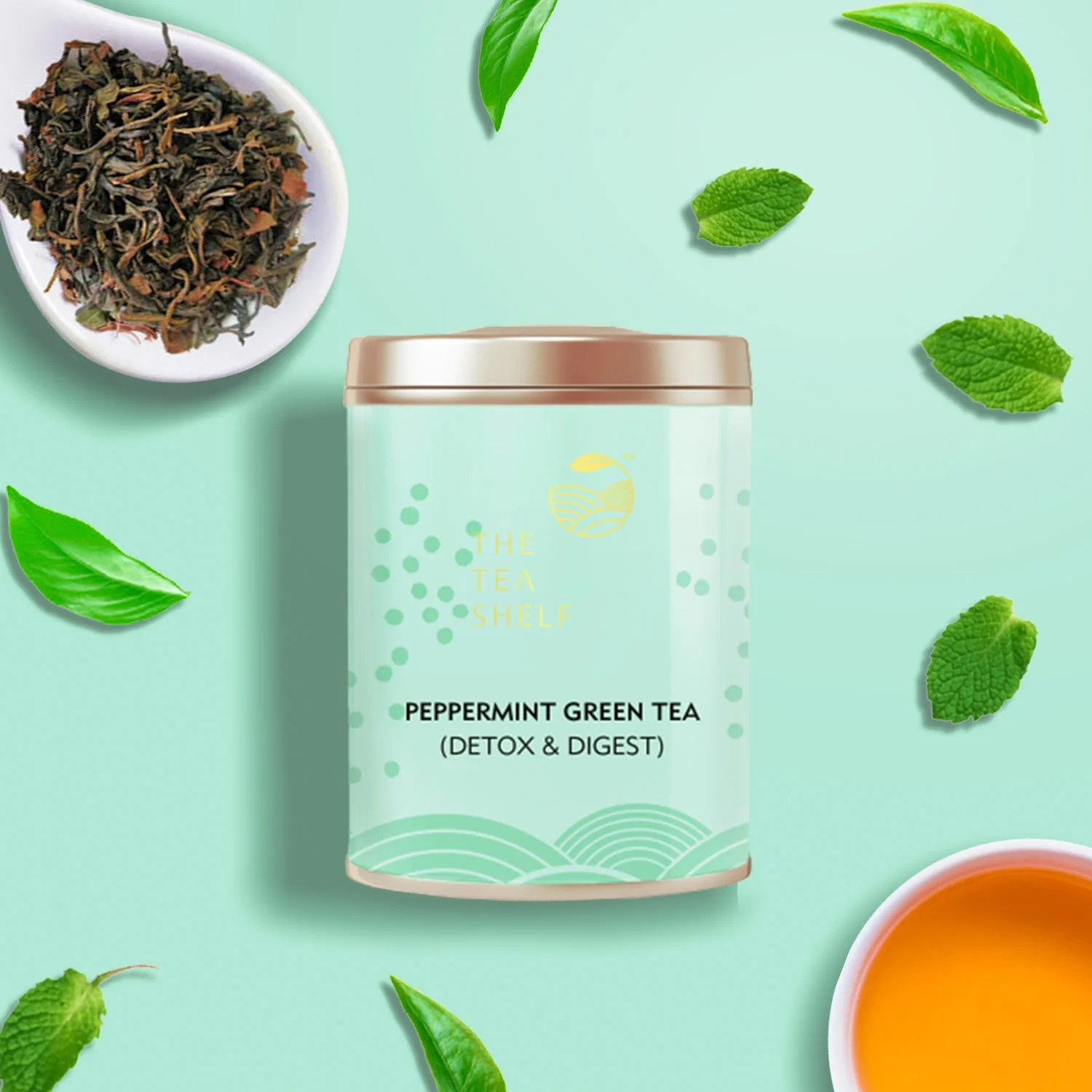
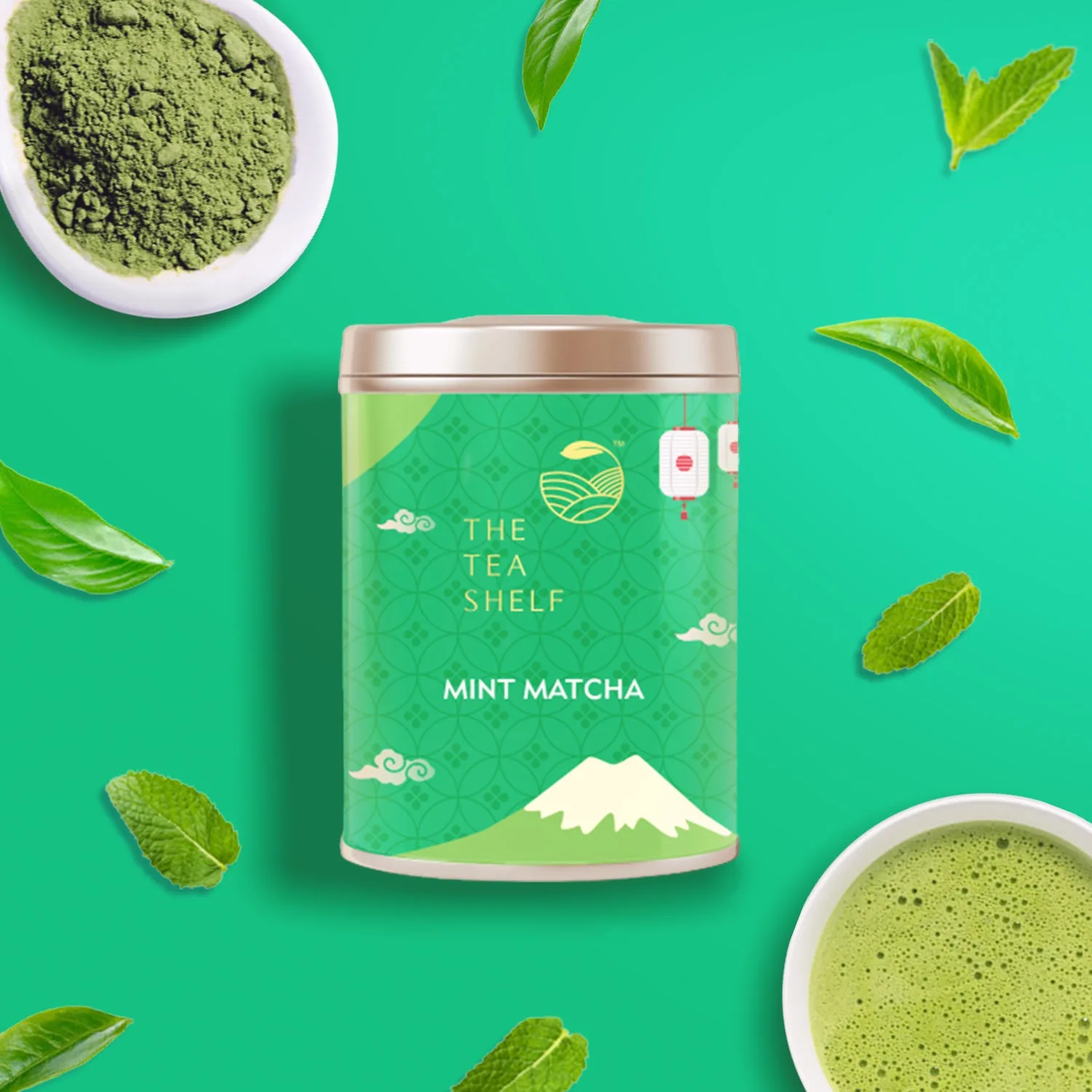
Flavored green teas follow the same logic, but the added ingredients can change the balance. A peppermint green tea may taste refreshing even when the green tea base is slightly over-extracted, which makes it a forgiving starting point if you are still learning to control temperature. A mint matcha, on the other hand, is powdered like matcha, so it responds to the same whisking and temperature rules as plain matcha.
- Loose leaf green tea: control temperature, time, and leaf amount.
- Matcha: control temperature and powder amount; there is no steep time.
- Flavored green teas can mask small brewing mistakes but not big ones.
When the problem is the leaf, not the brew
If you have lowered the temperature, shortened the steep, and measured your leaf, and the tea still tastes harsh or drying, the leaf is probably the issue. Green tea is not a tea that improves with age. Old leaf, leaf that has been stored near strong smells, or leaf that was low grade to begin with will taste bitter no matter what you do. Check the aroma of the dry leaf: fresh green tea smells sweet and vegetal, while tired green tea smells like hay or paper.
This is also the point to stop adjusting. Continuing to lower the temperature or shorten the steep on tired leaf gives you a weak, bitter cup instead of a strong, bitter one. At that stage, replace the tea rather than fight it. If you are not sure whether the problem is your brewing or your leaf, brew the same tea two ways side by side, one at 80°C for two minutes and one at 90°C for three minutes, and compare. The difference will tell you which lever to pull.
- Fresh green tea smells sweet and vegetal; old green tea smells like hay.
- If a two-minute steep at 80°C is still harsh, the leaf is the likely cause.
- Stop adjusting once the cup is weak and bitter rather than strong and bitter.
Bitter green tea diagnosis
- Sharp, drying bitterness that hits immediately: This usually points to water that is too hot. Let boiled water rest for two to three minutes, or set your kettle to 80-85°C, and brew again. If the next cup is smooth, temperature was the cause. Keep that setting.
- Bitterness that builds the longer it sits: This is over-steeping. Shorten the steep to two minutes, taste, and add time only if the cup is too weak. Remember that second infusions should be shorter. If the two-minute cup is clean, time was the cause. Adjust from there.
- Bitter even at low temperature and short time: The leaf is likely old, low grade, or stored poorly. Smell the dry leaf: fresh green tea smells sweet and vegetal, tired green tea smells like hay or paper. Stop adjusting the brew and replace the tea. No brewing change will fix tired leaf.
Teas that respond well to careful brewing
- Peppermint Green Tea: Peppermint Green Tea is brewed at 90-100°C for 3 minutes with 1 tsp per cup. This is a hotter, longer brew than a plain green tea, so if you are used to brewing green tea at 80°C, follow the higher temperature here and let the peppermint carry the cup.
- Mint Matcha Green Tea: Mint Matcha Green Tea is whisked at 80-85°C for 1 minute with 1 tsp per cup, using 2-3 matcha spoonfuls per 475 ml. Because it is a powder, there is no steeping time to shorten. If it tastes bitter, lower the water temperature first, then adjust the powder amount.
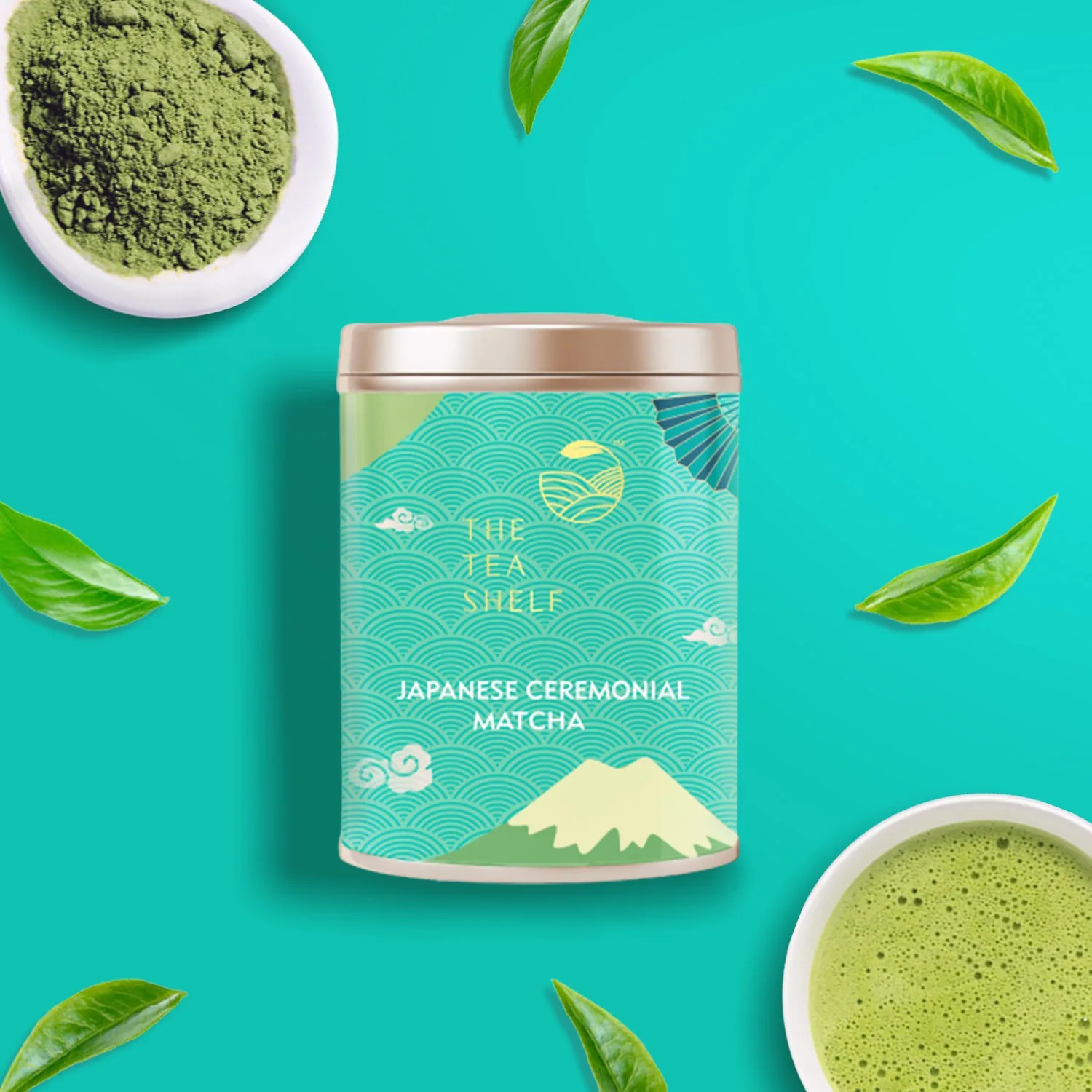
- Japanese Ceremonial Matcha Green Tea: Japanese Ceremonial Matcha Green Tea is whisked at 80-85°C for 1 minute and is described as clean and smooth with vegetal notes, ideal for beginners. Its smooth profile makes it a useful reference point: if this matcha tastes bitter at 80-85°C, your water is likely too hot or your powder-to-water ratio is too high.