Quick answer
Grip usually fails first because the forearm flexors are smaller and fatigue faster than your lats and biceps. Fix it by training grip directly two or three times a week, matching resistance to the exercise, and using handles or loops that let you hold on without over-squeezing. If your hands still slip on every set, switch to a supported row or use a bar that lets you load the back without maxing out your grip.
Symptom: Your hands open before your back feels worked
You finish a set of pull ups or rows with burning forearms and a back that still has reps left. That is a classic sign that grip endurance, not pulling strength, is the limiting factor. It shows up most on high-rep sets, thick bars, and any exercise where you hold a fixed handle for more than 20 seconds.
Likely cause: You are training grip by accident, not on purpose
Most pull workouts ask the hands to hold on for the entire set, but few programs add dedicated grip work. The forearms never get a chance to adapt because they are always fatigued from the previous pull. If you only train grip as a side effect of rows and pull ups, progress stalls quickly.
Corrective action: Add two short grip sessions per week
Pick two days, ideally after your main pull workout or on a separate day, and do three sets of a timed hold or a high-rep squeeze. Start with 15 to 20 seconds per hold and add time before you add resistance. Keep the effort at a level where you could do one more rep, so your hands recover for the next pull session.
Gear check: Match the handle to the exercise
A thick, smooth bar or a worn handle makes you squeeze harder than you need to. If your gym has only one bar, bring your own handles or loops so you can keep a secure grip without fighting the surface. For pull ups and rows, a handle that stays put lets you focus on pulling with your back instead of clamping down.
When to stop and choose another option
If your grip fails on the first set of every pull workout, or if you feel pain in your elbows or wrists rather than fatigue in your forearms, stop adding grip work. Switch to a supported row, use a resistance bar that lets you load the back with less hand demand, or reduce the resistance until you can complete the set without your hands opening. Grip training should feel like effort, not joint pain.
Diagnosis: Find your grip failure point
- Symptom: Your hands open or slip before your back and biceps feel challenged, usually in the last third of a set. If this happens only on high-rep sets, it is an endurance issue, not a strength issue.
- Likely cause: You are not training grip directly, and your handles or bar force you to squeeze harder than necessary. Add two short grip sessions per week and check whether your handle surface is worn or too smooth.
- Corrective action: Use timed holds or high-rep squeezes with a secure handle, and keep the effort at a level where you could do one more rep. If your grip still fails on the first set after two weeks, reduce the resistance or switch to a supported row.
Tools that help you hold on
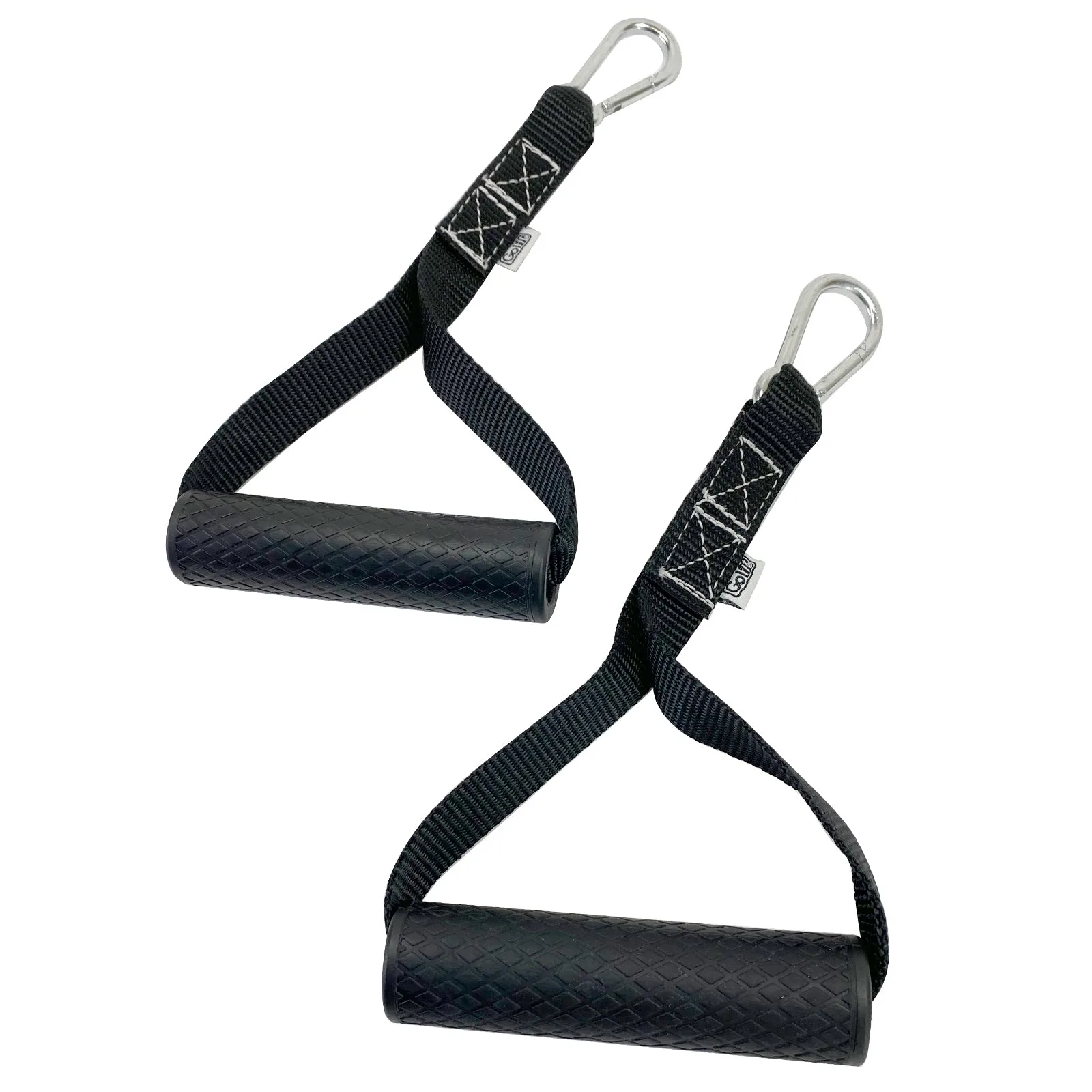
- Power Handles- M Style: The GoFit Power Handles- M Style are made of heavy duty, premium components with durable handle grips that have a smooth rubber texture and an almost tacky feel. A tacky surface helps you keep your grip during exercise without over-squeezing, which saves forearm energy for the pull.
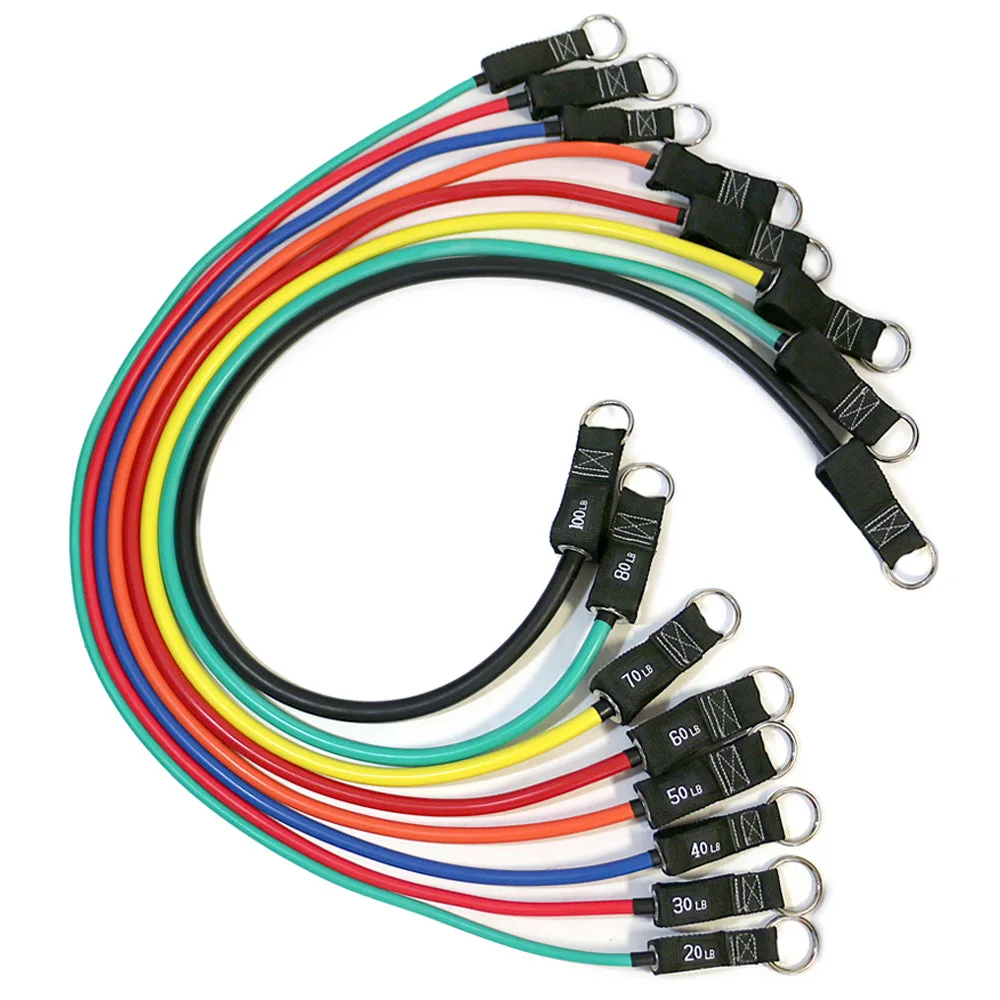
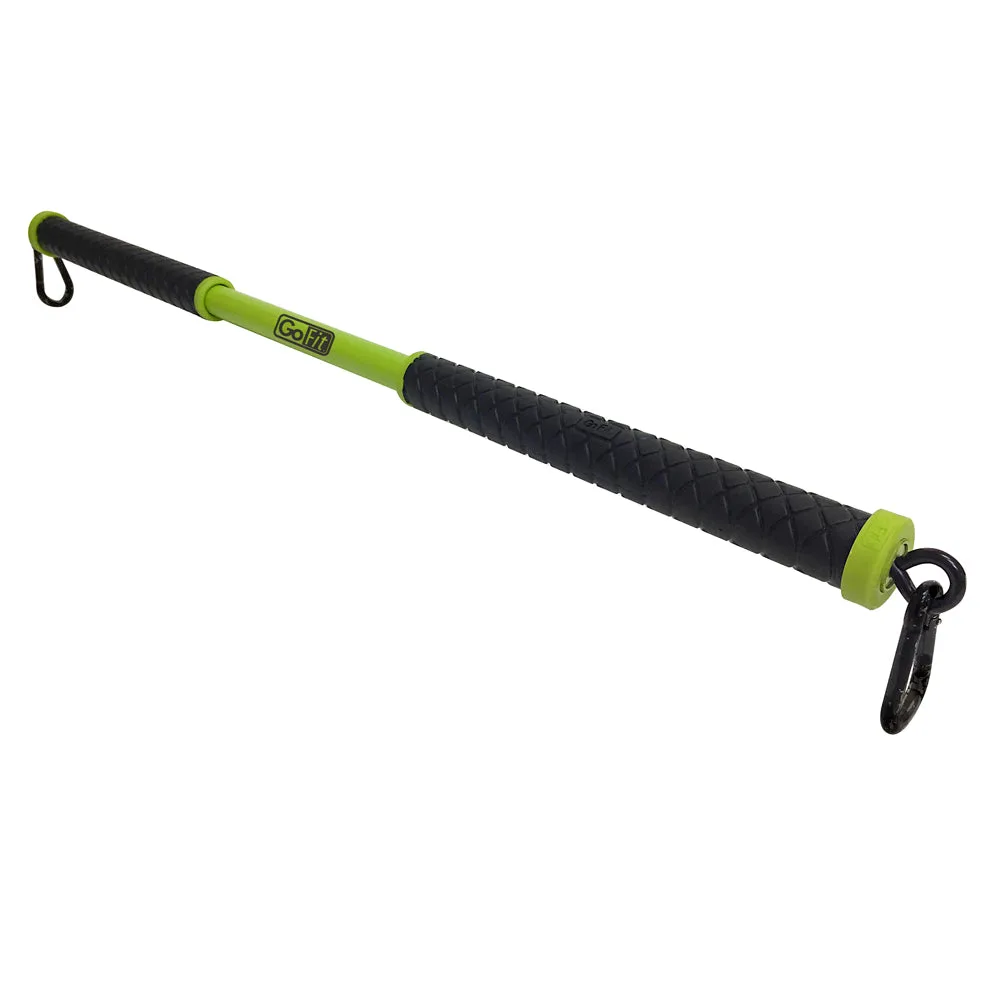
- Resist-a-Bar: The GoFit Resist-a-Bar is a total-body strength-training tool with dual carabiner connector ends that allow you to train with the full range of GoFit Power Tubes from 20lbs through 100lbs. You can adjust resistance without changing your grip, so you can keep training your back when your hands are tired.