Quick Answer
Most sore gums after brushing come from pressing too hard, using a brush head that is past its prime, or scrubbing back and forth instead of letting the bristles do the work. Switch to light pressure, angle the bristles at the gumline, and replace a frayed head. If the soreness is sharp, one-sided, or comes with bleeding that does not settle within a week or two, stop self-treating and see a dentist.
Pressure Is the Most Common Cause
Gum tissue is far softer than tooth enamel, so the amount of force you use matters more than how long you brush. Many people press down as if they are scrubbing a pan, which pushes the bristles into the gumline and leaves it tender for hours. A simple test: after brushing, look at the bristles. If they are splayed outward after a few weeks, you are pressing too hard. Try holding the brush with just your fingertips, as if you were holding a pen, and let the vibration or your hand motion do the cleaning. You should feel the bristles against the gums, not digging into them.
Your Brush Head May Be Past Its Prime
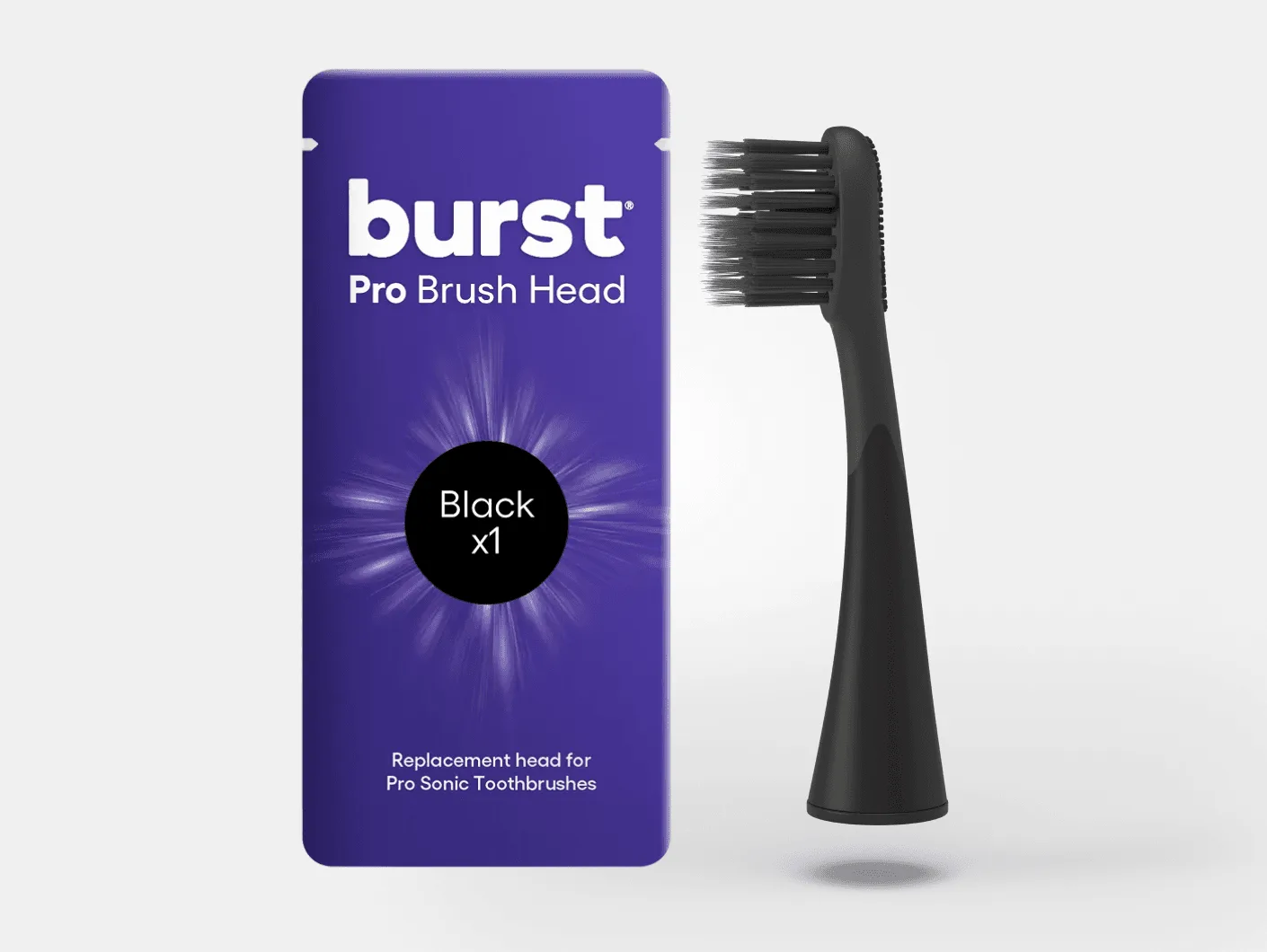
Worn bristles lose their shape and become rougher at the tips, so they scrape rather than sweep. Most brush heads need replacing every three months, or sooner if the bristles look bent. If you are using a sonic brush, a fresh head also keeps the cleaning action consistent, so you are less tempted to compensate with extra pressure. Check the head every couple of weeks and swap it when it stops looking neat.
Technique: Angle, Don't Scrub
Hold the brush at a 45-degree angle toward the gumline and move it in small, gentle circles or let the brush's sonic motion do the work. Avoid sawing back and forth along the gums, which is a common habit that irritates tissue. Spend about two minutes total, covering every surface, but keep the pressure feather-light. If you use a manual brush, use the same gentle circular motion and resist the urge to press harder for a 'deeper' clean.
When Soreness Points to Something Else
Sometimes the problem is not your brushing but your toothpaste, a new medication, or a change in hormones. A toothpaste with a strong flavor or a new whitening ingredient can sting sensitive gums. If you recently switched products, go back to a plain fluoride toothpaste for a week and see if the soreness fades. If you have started a new medication, ask your doctor or pharmacist whether gum tenderness is a known side effect. And if you have not had a dental check in over a year, a professional cleaning can remove hardened plaque that no brush can reach, which may be the real source of irritation.
Diagnose Your Sore Gums
- Symptom: Dull ache all over after brushing: Likely cause: too much pressure or a worn brush head. Corrective action: switch to light pressure and replace the head if bristles are bent. If it improves within a few days, you have found the fix.
- Symptom: Sharp pain in one spot: Likely cause: a canker sore, a rough filling edge, or a localized gum problem. Corrective action: avoid that area for a day and see a dentist if it persists beyond a week. Do not keep brushing over a sharp spot; it will not heal.
- Symptom: Bleeding that continues after a week of gentle brushing: Likely cause: gingivitis or a deeper gum issue that needs professional care. Corrective action: book a dental appointment for an exam and cleaning. Stop self-treating and get a professional assessment.
Products That Can Help
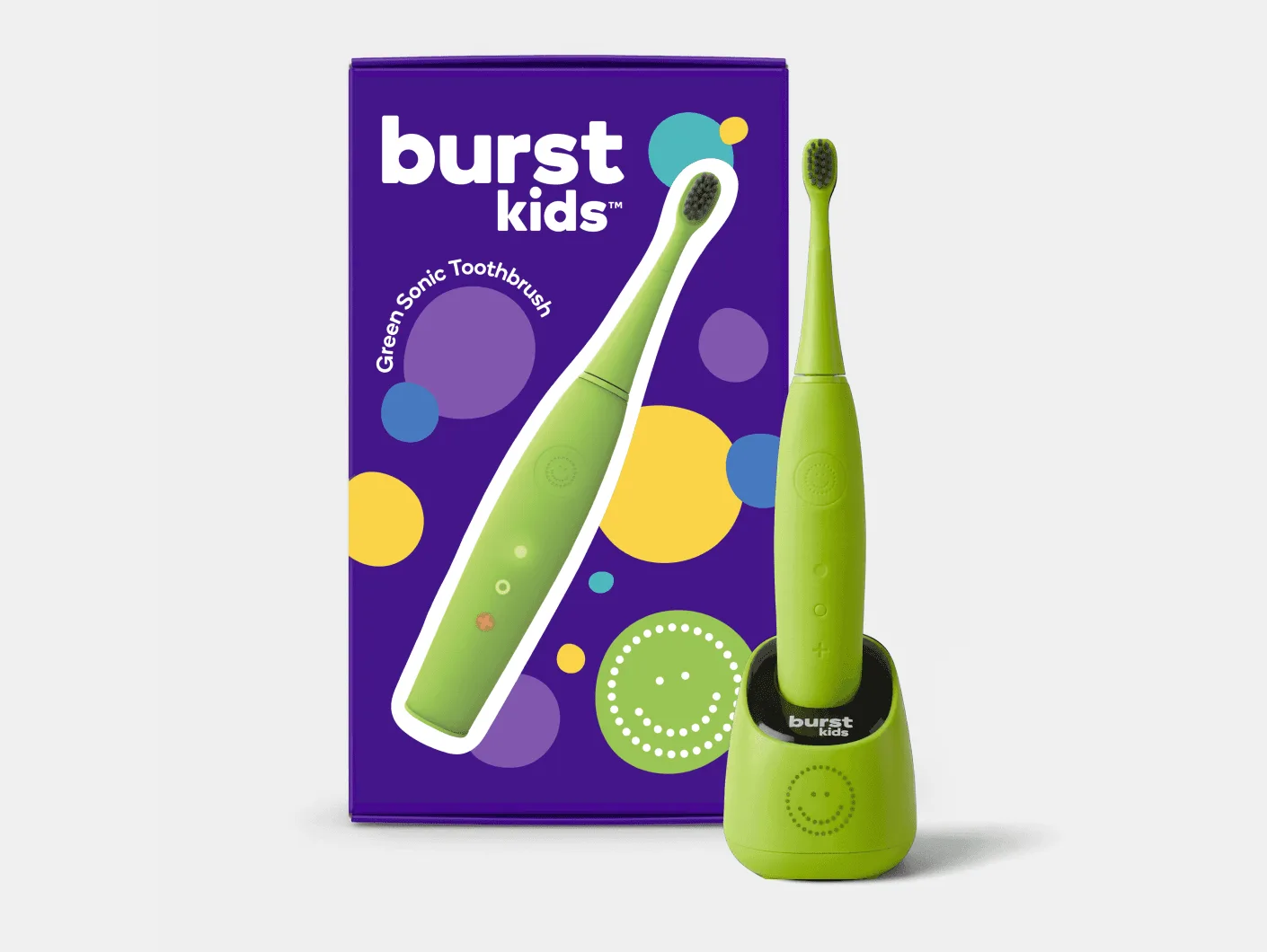
- Nova Sonic Toothbrush: Nova Sonic Toothbrush is designed with input from over 40,000 dental professionals and offers sonic-powered cleaning that is gentle on gums. A sonic brush can clean effectively with less manual pressure, which is helpful if you tend to brush too hard.
- Pro Brush Replacement Head 3 Pack: Pro Brush Replacement Head 3 Pack includes three replacement heads for your BURST Pro toothbrush and is designed for routine replacement. Keeping a fresh head on hand makes it easier to replace a worn one before it starts irritating your gums.