Quick answer
Ragged cuts almost always come from dull or nicked blades, a loose pivot bolt, or using hedge shears on branches thicker than your thumb. Sharpen the beveled edge with a fine file, tighten the pivot so the blades glide without play, and switch to loppers or a pruning saw for anything woody. If the blades are bent or deeply chipped, replacement is the honest fix.
Symptom check: what ragged cuts actually look like
Before you touch a file, confirm what you are seeing. A clean shear cut leaves a flat, pale-green face with intact bark at the edges. Ragged cuts show crushed or torn tissue, frayed strips of bark hanging from the stem, and leaves that brown off within a day or two. Run your thumb along the cut end: a smooth cut feels like a pencil shaving, while a ragged one feels fuzzy or splintered.
Look at the pattern across the hedge, not just one branch. If every cut is ragged, the problem is the tool. If only thicker stems are ragged while thin growth cuts cleanly, you are asking the shears to do a lopper's job. If cuts were clean last season and have degraded gradually, dullness is the likely cause.
Cause 1: dull blades and what sharpening actually fixes
Hedge shear blades dull from grit, sap, and repeated contact with woody stems. A dull edge does not slice; it pushes and tears, which is exactly what produces the frayed ends. You can often restore a working edge in ten minutes with a fine-cut file or a diamond sharpener. Clamp the shears in a vise or brace them against a bench, then stroke the file along the original bevel angle, usually around 20 to 30 degrees, from the base of the blade toward the tip. Count your strokes and match them on both blades so the shears stay balanced.
File only the beveled side. The flat back of each blade should stay flat; if you file it, you create a rounded edge that will never cut cleanly again. Wipe the blade with a rag and a little oil when you finish, then test on a few thin stems. If the shears still tear after sharpening, the edge may be too damaged to restore.
Cause 2: pivot play, bent blades, and alignment
Even a sharp blade will tear if the two blades do not meet under tension. Open the shears and rock the handles; any side-to-side wobble means the pivot bolt is loose. Tighten it a quarter turn at a time until the blades glide with slight resistance and no rattle. Over-tightening makes the shears stiff and accelerates wear, so stop as soon as the play disappears.
Hold the closed shears up to a light source. You should see an even line of contact with no gap in the middle. A gap that opens only near the tip usually means a bent blade, often from prying or dropping. Bent blades are difficult to straighten accurately at home; if the gap persists after tightening, replacement blades or a new pair is the practical answer.
Cause 3: the tool is wrong for the branch
Hedge shears are designed for soft, thin growth: new shoots, light hedges, and shaping work. Once a stem is woody and thicker than a pencil, shears crush rather than slice, no matter how sharp they are. That is the point where you stop sharpening and choose another option. Bypass loppers handle branches up to roughly an inch, and a pruning saw takes anything larger. For digging around roots or dividing perennials, a dedicated digging tool is the right call, not a pair of shears.
If your hedge has grown thick and woody, the honest fix is to prune it back in stages with the right tool, then return to shears for the fine shaping once new growth appears.
When to stop fixing and replace the tool
Stop sharpening when the blade has deep chips, a visible crack, or a bend you cannot correct. Stop tightening when the pivot will not hold adjustment. Stop using shears on a branch when you feel the blades twist instead of bite. At that point, replacement blades or a new tool costs less than the time you will spend fighting a failing edge, and the hedge will recover faster from clean cuts than from repeated tearing.
Diagnosis: match the symptom to the fix
- Every cut is ragged, thin and thick stems alike: Dull blades. File the beveled edge at the original angle, keep the flat back flat, and test on thin stems. If cuts are still ragged after a full sharpening, check the pivot and blade alignment before sharpening again.
- Thin stems cut clean, thicker stems tear: The shears are the wrong tool for the branch size. Switch to bypass loppers for woody growth up to about an inch, and a pruning saw beyond that. Stop sharpening; no edge will make shears cut thick wood cleanly.
- Blades rattle or the cut feels like it twists: Loose pivot or bent blade. Tighten the pivot bolt a quarter turn at a time until the play is gone, then check for a light gap between closed blades. If a gap remains after tightening, the blade is bent and replacement is the reliable fix.
Tools that help with clean cuts
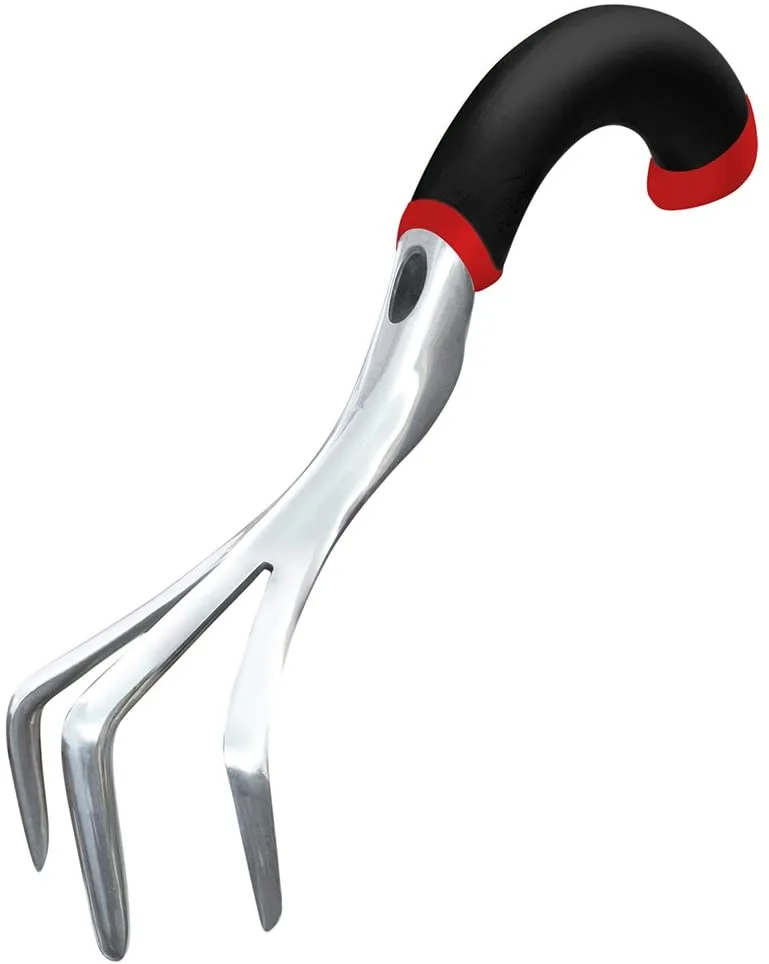
- Radius Garden 10311 Ergonomic Aluminum Hand Cultivator, Red: Ergonomic hand cultivator with talon-like tines for turning soil and uprooting weed seedlings, with a die-cast aluminum blade that will not rust. Useful for clearing the soil and weeds around hedge bases so you can inspect and reach the stems that need cutting.
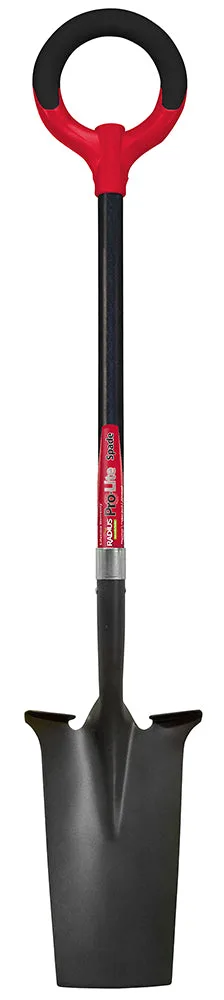
- Pro-Lite Spade: Pro-Lite Spade has a large, sharpened, heat-tempered carbon steel blade and a forward step for extra stability when kicking through roots. A practical choice when you need to dig out an overgrown or dead hedge section rather than shear it.
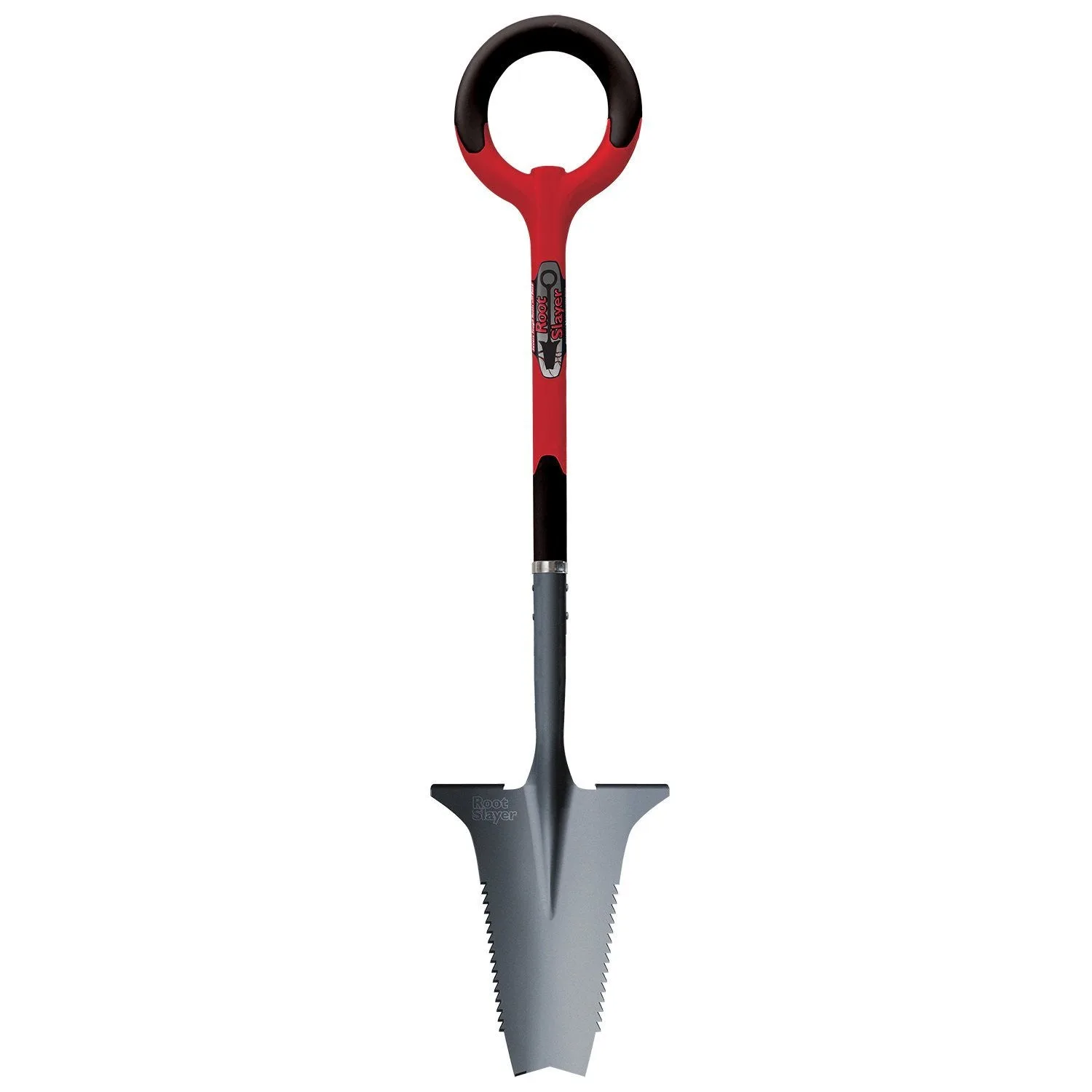
- Root Slayer: Root Slayer is a multi-purpose shovel that can eliminate the need for hatchets, pry-bars, and saws when digging around the home. Helps when roots or compacted soil stop you from reaching the base of a hedge for proper pruning.