In the ever-evolving world of everyday carry (EDC), 2025 is shaping up to be the year of smart, health-conscious gear. While key organizers, multi-tools, and power banks have long dominated pockets and bags, a new category is quietly rising: infrared thermometers. These compact, non-contact temperature measurement devices are transitioning from medical and industrial settings into everyday carry kits, offering instant temperature readings for surfaces, liquids, and even people without physical contact.
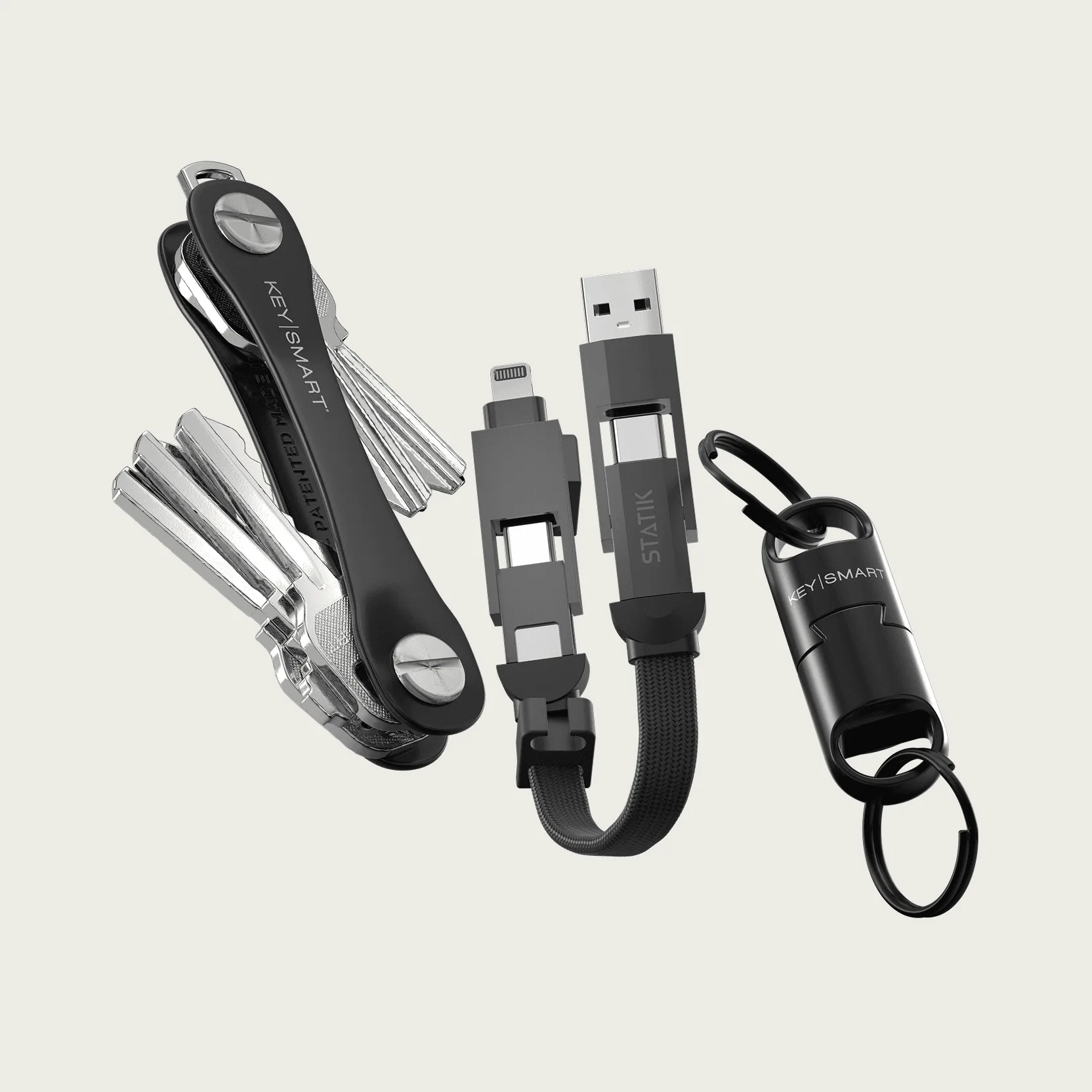
Why the sudden surge? The global pandemic heightened awareness of hygiene and health monitoring, but the convenience of infrared thermometers goes far beyond fever checks. From checking the temperature of a hot pan while camping to ensuring your baby's bath water is just right, these pocket-sized tools are proving their versatility. As EDC enthusiasts seek gadgets that combine practicality with innovation, the infrared thermometer is becoming a staple alongside the KeySmart Mini and the Statik Snap-N-Charge.
What Makes Infrared Thermometers Ideal for EDC?
Infrared thermometers measure surface temperature by detecting the infrared energy emitted by an object. Unlike traditional contact thermometers, they require no physical touch, making them faster, more hygienic, and safer for measuring hot or hazardous surfaces. For EDC users, this translates to a tool that can be used in countless scenarios without adding bulk or complexity.
Modern infrared thermometers are incredibly compact—many are smaller than a key fob and weigh just a few grams. They often feature laser pointers for precise targeting, backlit displays for low-light conditions, and auto-off functions to preserve battery life. Some even integrate with smartphone apps for data logging, appealing to tech-savvy carriers who want to track temperature trends over time.
- Instant non-contact readings reduce cross-contamination risks.
- Compact designs fit easily into key organizers, pouches, or pockets.
- Versatile enough for cooking, automotive, HVAC, and health checks.
Top Everyday Uses for an Infrared Thermometer
One of the most compelling reasons to add an infrared thermometer to your EDC is its sheer range of applications. In the kitchen, it helps you achieve the perfect sear on a steak or verify the temperature of your oven without opening the door. For outdoor enthusiasts, it can measure the heat of a campfire or the surface of a grill before cooking. Parents find it invaluable for checking bottle temperature or the surface of a car seat on a hot day.
Beyond home and travel, infrared thermometers are a boon for DIYers and mechanics. They can quickly identify overheating components in electronics, check the temperature of engine parts, or find drafts in insulation. With the rise of smart home maintenance, having a temperature tool on hand means you can diagnose issues before they become costly repairs.
- Check the temperature of a hot skillet or grill surface in seconds.
- Identify overheating electrical outlets or appliances.
- Verify the temperature of a child's food or bath water without touching.
How Infrared Thermometers Fit Into Your Existing EDC Setup
Integrating an infrared thermometer into your daily carry is easier than you might think. Many models come with a built-in keychain loop, allowing you to attach them directly to your key organizer. For example, you can clip a small thermometer to your KeySmart Mini using a Quick Disconnect accessory, making it easy to swap between tools as needed. This modular approach keeps your loadout streamlined while adding a powerful new capability.
If you prefer a pocket or bag carry, consider pairing the thermometer with other compact tools like the BagHang+ for hands-free use or the Statik MagStack Slim for charging your devices on the go. The key is to choose a thermometer that complements your existing gear without adding unnecessary weight. Look for models with a pocket clip or lanyard hole for quick access.
- Attach to a key organizer using a quick-release connector for modularity.
- Store in a dedicated pocket or small pouch alongside other EDC essentials.
- Choose a thermometer with a bright display for outdoor use.
The Future of EDC: Smart Temperature Tools and Trends
As we move deeper into 2025, the EDC industry is embracing smart, connected devices that offer data-driven insights. Infrared thermometers are no exception. Emerging models feature Bluetooth connectivity, allowing you to log temperature readings on your phone or set alerts for specific thresholds. This is particularly useful for professionals like chefs, HVAC technicians, or parents who need to monitor conditions over time.
The trend toward health-conscious EDC is also driving innovation. Some thermometers now include non-contact forehead measurement for quick fever checks, making them a dual-purpose tool for personal and family wellness. As more people prioritize preparedness and self-sufficiency, the infrared thermometer is poised to become as common as a pocket knife or flashlight in everyday carry kits.
- Bluetooth-enabled models sync with smartphones for data tracking.
- Dual-purpose designs offer both surface and body temperature modes.
- Expected to be a top-selling EDC category by late 2025.
Infrared thermometers are no longer niche medical devices—they are versatile, compact, and increasingly essential for anyone who values convenience, safety, and preparedness in their daily carry. Whether you're a chef, a parent, a mechanic, or a minimalist, adding a non-contact temperature tool to your EDC kit can save time, prevent accidents, and give you peace of mind. As you upgrade your everyday carry for 2025, consider pairing a reliable key organizer like the KeySmart Mini with a high-quality infrared thermometer to stay ahead of the curve.