Quick answer
Babies chew on everything because teething causes gum discomfort and because mouthing is a natural way they explore the world. Offer a safe, food-grade silicone teether or chew pendant to redirect that urge, and rotate a few options to keep your baby engaged.
Why babies chew on everything
From about 3 to 12 months, babies go through a phase where everything goes into their mouths. This isn't just about teething—it's also how they learn about textures, shapes, and cause and effect. When teeth begin to push through the gums, the pressure and pain make chewing even more appealing. Understanding this dual reason helps you respond patiently instead of worrying.
It's normal for babies to chew on fingers, toys, clothing, and even furniture. While you can't stop the behavior, you can provide safe alternatives that satisfy the urge and protect your baby from harmful objects.
Safe teething solutions to try
The goal is to give your baby something safe, soothing, and easy to hold. Food-grade silicone is a popular choice because it's soft, durable, and free from harmful chemicals. Chew pendants are especially useful because they're worn by the caregiver, so they're always within reach and less likely to fall on the floor.
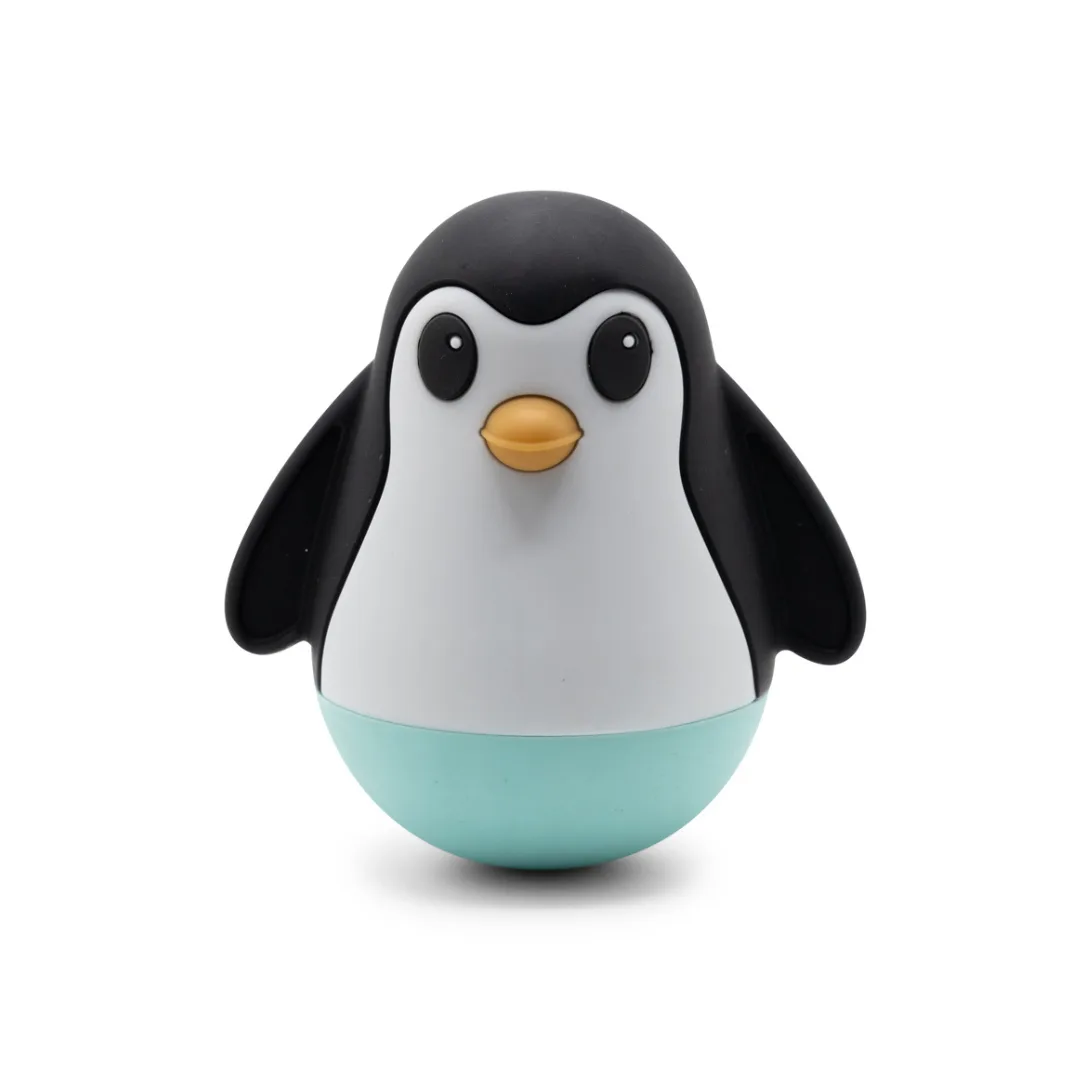
Sensory teethers that combine different textures or movements can also distract and calm a fussy baby. For example, a wobble toy that returns to upright after being knocked over can entertain your baby during tummy time while also offering a safe surface to chew.
Rotate between two or three teethers to keep things interesting. Clean them regularly with warm soapy water and inspect for wear—replace if you see cracks or torn pieces.
When to see a doctor
Most chewing is normal, but watch for signs that something else is going on. If your baby seems in severe pain, has a fever over 100.4°F, diarrhea, or refuses to eat, consult your pediatrician. Teething doesn't usually cause high fever, so these symptoms may point to an infection or another issue.
Also, if your baby chews on non-food items like paint chips or batteries, remove those immediately and contact poison control or your doctor. Always supervise your baby when they're using a teether.
Diagnosis: Is it teething or just exploration?
- Symptom: Your baby chews on fingers, toys, and other objects frequently, sometimes with increased drooling and irritability. This is common and usually harmless.
- Likely cause: Teething discomfort or natural oral exploration, or both. Provide safe teethers to redirect the behavior.
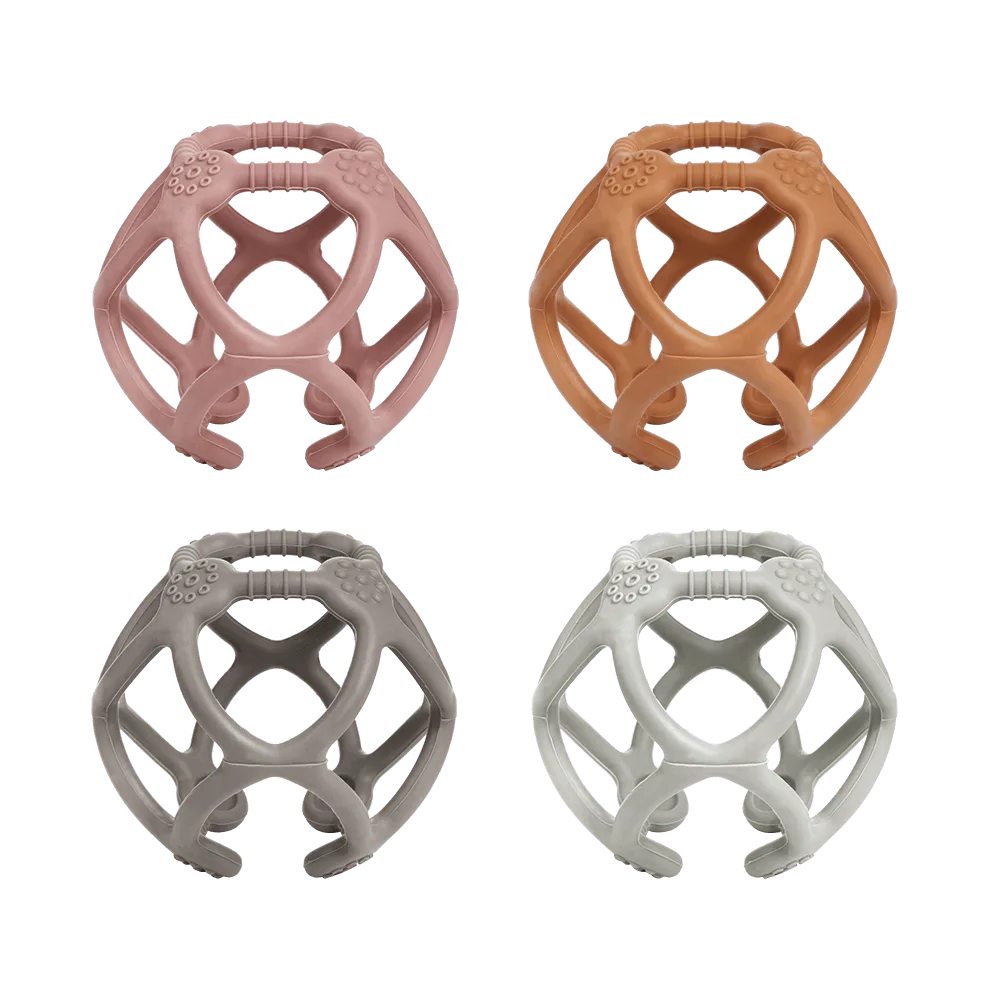
- Corrective action: Offer food-grade silicone teethers like a chew pendant or sensory ball, and supervise use. Rotate options and clean them regularly.
- When to stop or choose another option: If your baby shows signs of illness (fever, diarrhea, refusal to eat) or chews on dangerous items, stop home remedies and consult a doctor. Seek professional advice promptly.
Jellystone Designs teethers that help
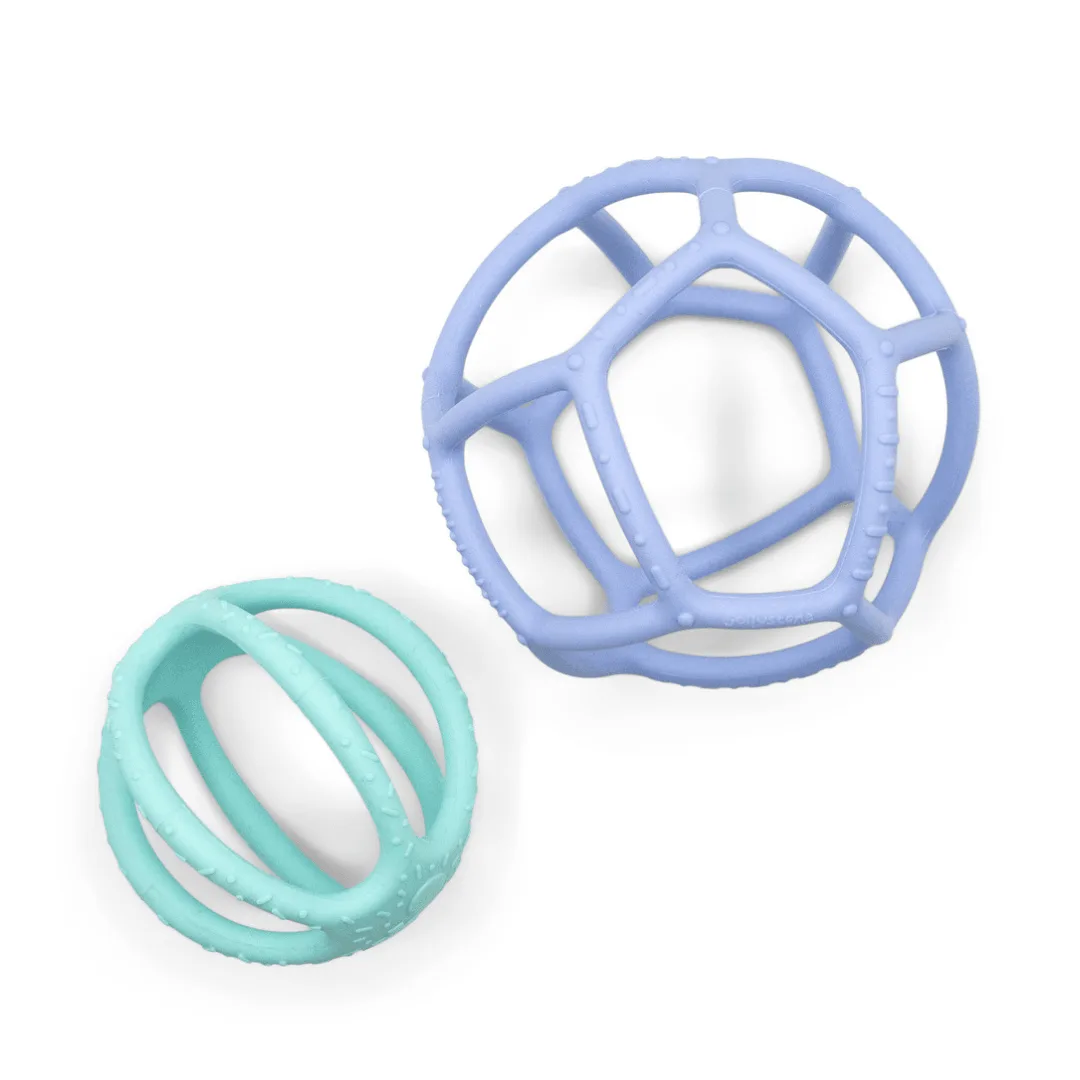
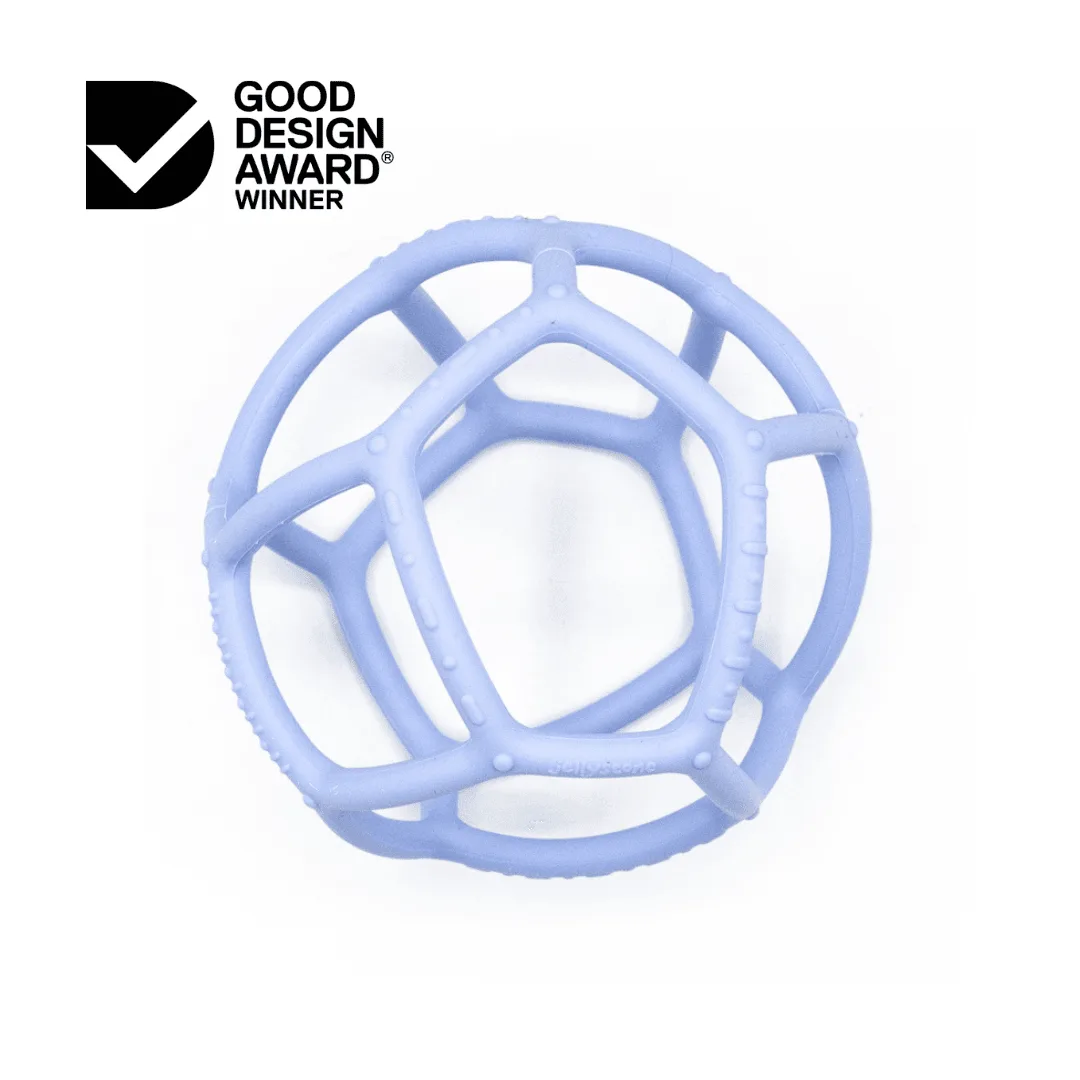
- 2 Pack Sensory Ball & Fidget Ball: This 2 Pack combines a Sensory Ball and Fidget Ball into one fabulous set, perfect as a teether toy for early development. Offers two different textures and functions in one purchase, giving your baby variety and helping to calm a busy mind.
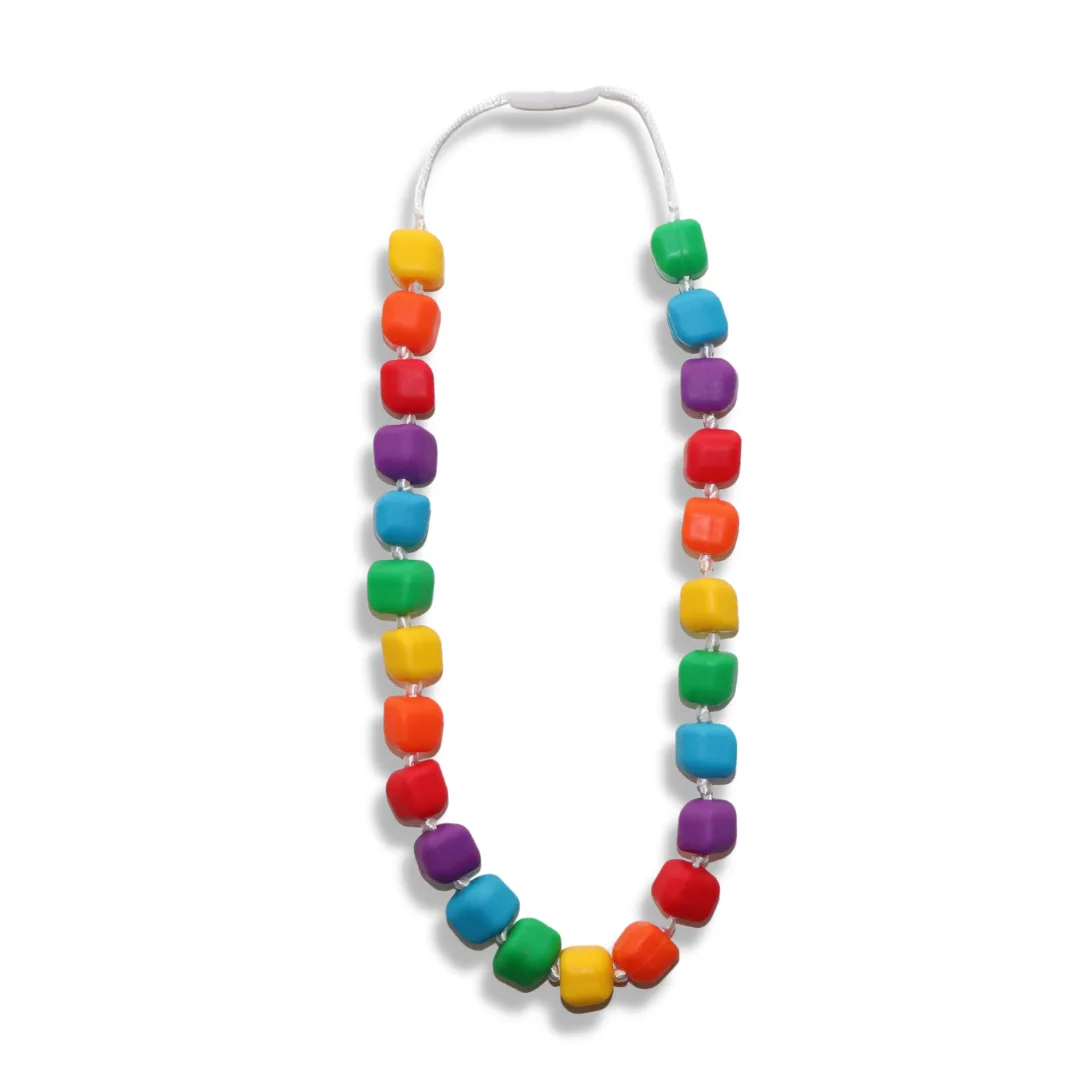
- Princess & the Pea Necklace: The Princess & the Pea Necklace is made of food-grade silicone beads, safe for kids to chew on and redirect attention from chewing fingers, nails, hair, or pencils. Worn by you, it's always handy when your baby starts chewing on something they shouldn't, and it doubles as a stylish accessory.
- Penguin Wobble: The Penguin Wobble has a weighted base that makes it wobble back upright after being knocked over, designed for tummy time and crawling practice. Provides entertainment and encourages movement while giving your baby a safe, chewable surface during play.
Start with one or two safe teethers and watch how your baby responds. If the chewing continues but seems harmless, it's likely just a phase. If you're ever unsure, your pediatrician is the best next step.