Quick Answer
Lip balm melts when it's exposed to heat above its melting point, typically around 40°C (104°F). The fix is simple: move it to a cool, dry place, and if it's already melted, pop it in the fridge to resolidify. If it's still too soft at room temperature, you may need to adjust your storage habits or switch to a balm with a higher melting point.
You pull your lip balm out of your pocket and it's a gooey mess. Or you open your bag and find a puddle of balm instead of a solid stick. This is a common frustration, especially in summer or in warm climates. But understanding why it happens can help you prevent it and even fix a melted balm.
Lip balms are made with natural ingredients like beeswax, cocoa butter, and oils, which have different melting points. When the temperature rises, these ingredients soften or melt. Let's look at the usual culprits and what you can do about them.
Common Causes of Melting Lip Balm
The most obvious cause is heat. Leaving your balm in a car, near a window, or in a pocket close to your body can raise its temperature above its melting point. Even a warm room can soften a balm made with lower-melting-point butters like cocoa butter, which melts around 34-38°C (93-100°F).
Another factor is the formulation itself. Balms with a higher proportion of oils and butters relative to waxes will be softer. If you prefer a balm that feels smooth and glides on easily, it may be more prone to melting in warm conditions. The trade-off is a firmer balm that might feel a bit waxy.
- Keep your balm out of direct sunlight and away from heat sources like radiators or stoves.
- Don't store your balm in your pocket for long periods—body heat can soften it.
- If you live in a hot climate, consider carrying your balm in a small insulated pouch.
How to Fix a Melted Lip Balm
If your balm has melted completely, don't throw it away. You can often restore it. Place the balm (in its container) in the refrigerator for about 30 minutes to an hour. The cold will help it solidify again. Once it's firm, it should return to its original texture, though it may be slightly softer.
For a balm that is just too soft but not fully melted, moving it to a cooler spot might be enough. If it stays soft at room temperature, you might need to accept that it's a softer formula and adjust how you carry it. Some balms are simply better suited for cooler weather.
If your balm has separated or has an odd smell after melting, it's best to discard it. Melting can alter the texture and potentially affect the preservative system, so when in doubt, throw it out.
- Refrigerate a melted balm for 30-60 minutes to resolidify.
- Avoid using a hair dryer or microwave to melt your balm—this can ruin it.
- If the balm smells off or looks separated, it's safer to replace it.
Preventing Melting in the Future
The best fix is prevention. Store your lip balm in a cool, dry place, like a drawer or cabinet. If you're heading out, keep it in a bag that's not in direct sun. In hot weather, consider carrying it in a small cooler or insulated lunch bag if you'll be out for a while.
You can also choose balms with a higher wax content, which have a higher melting point and are more heat-tolerant. Look for ingredients like beeswax or candelilla wax listed early in the ingredient list. These will be firmer and less likely to melt in warm conditions.
- Store your balm in a cool, dark place—not in your car or on a windowsill.
- Choose a balm with beeswax or candelilla wax for better heat resistance.
- If you're traveling in hot weather, keep your balm in a cooler with your drinks.
Diagnosis: Is Your Lip Balm Melting?
- Symptom: Your lip balm is soft, greasy, or has turned into a liquid in its container. This is a clear sign of heat exposure.
- Likely Cause: Exposure to temperatures above about 40°C (104°F), such as a car, pocket, or sunny windowsill. Your balm's specific melting point depends on its ingredients. Move it to a cooler spot immediately.
- Corrective Action: Place the balm in the refrigerator for 30-60 minutes to resolidify. If it's only slightly soft, that may be enough. If it returns to a normal texture, you're good to go.
- When to Stop or Choose Another Option: If the balm has separated, changed color, or developed an off smell, don't use it. Also, if it keeps melting even in cool storage, consider a firmer formula with more wax. Replace it with a new balm or one with higher wax content.
Products That Handle Heat Better
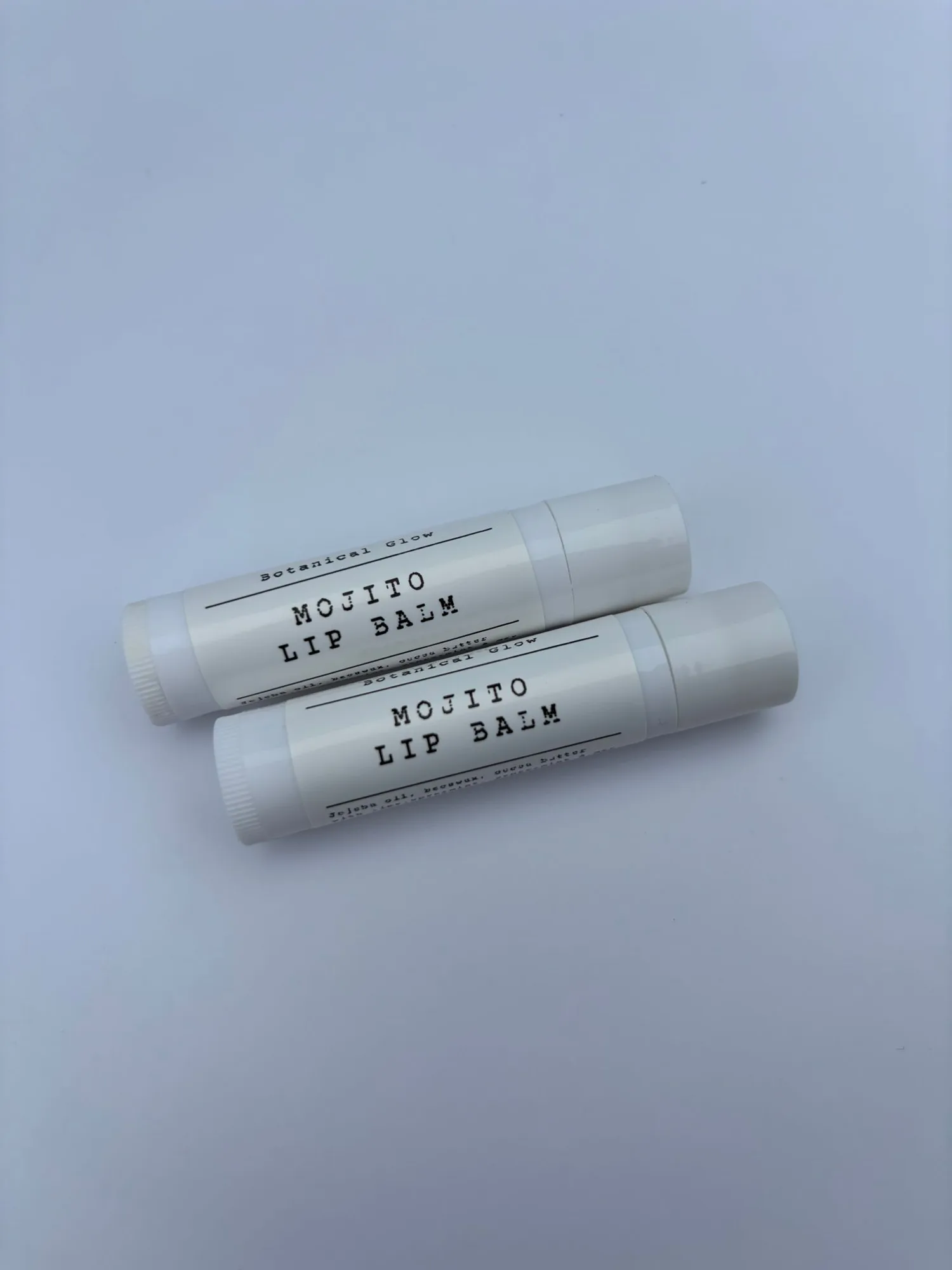
- Mojito Lip Balm - Botanical Glow: Made with natural ingredients and scented with bright, zesty essential oils, it leaves lips feeling soft, smooth, and lightly refreshed—perfect for everyday hydration with a citrusy twist. Ingredients: Jojoba oil, beeswax, cocoa butter with lime, spearmint, peppermint & may chang essential oils. The beeswax in this balm helps raise its melting point, making it more heat-resistant than balms with only oils and butters. It's a good choice for warmer weather.
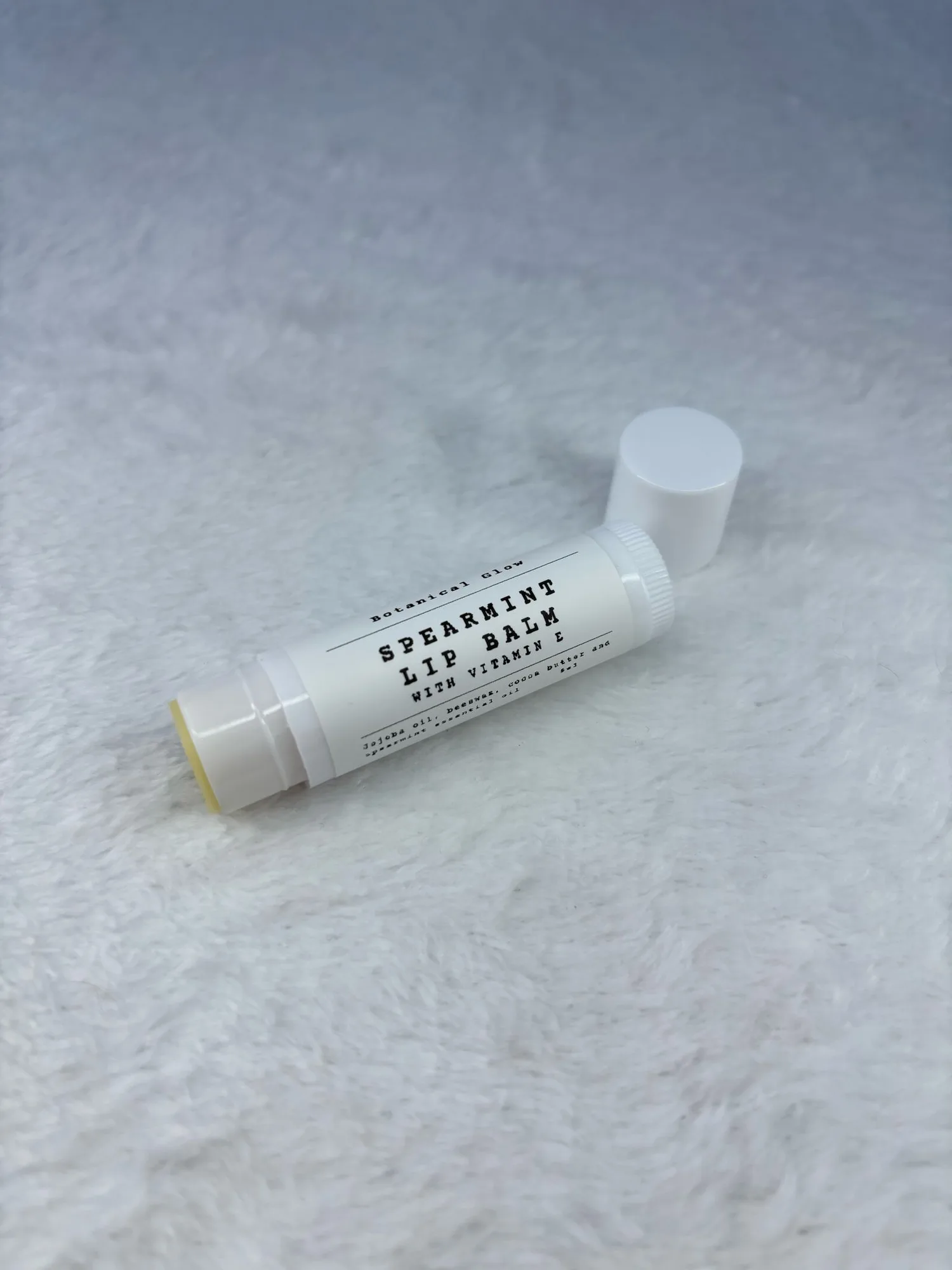
- Spearmint Lip Balm - Botanical Glow: Infused with natural spearmint essential oil, this balm delivers a crisp, cooling sensation while deeply moisturizing and protecting your lips. Enriched with nourishing ingredients like jojoba oil, beeswax, and cocoa butter, it glides on smoothly, leaving your lips soft, supple, and subtly minty. Like the Mojito balm, it contains beeswax, which helps it stay firmer in warm conditions. The cooling sensation from spearmint can also feel refreshing on a hot day.
Melting lip balm is a nuisance, but it's usually easy to fix. By understanding the causes and using simple storage tricks, you can keep your balm solid and ready to use. If you're in a hot climate, choosing a balm with beeswax can make a big difference. And when a balm is beyond repair, it's better to replace it than to use a compromised product.